
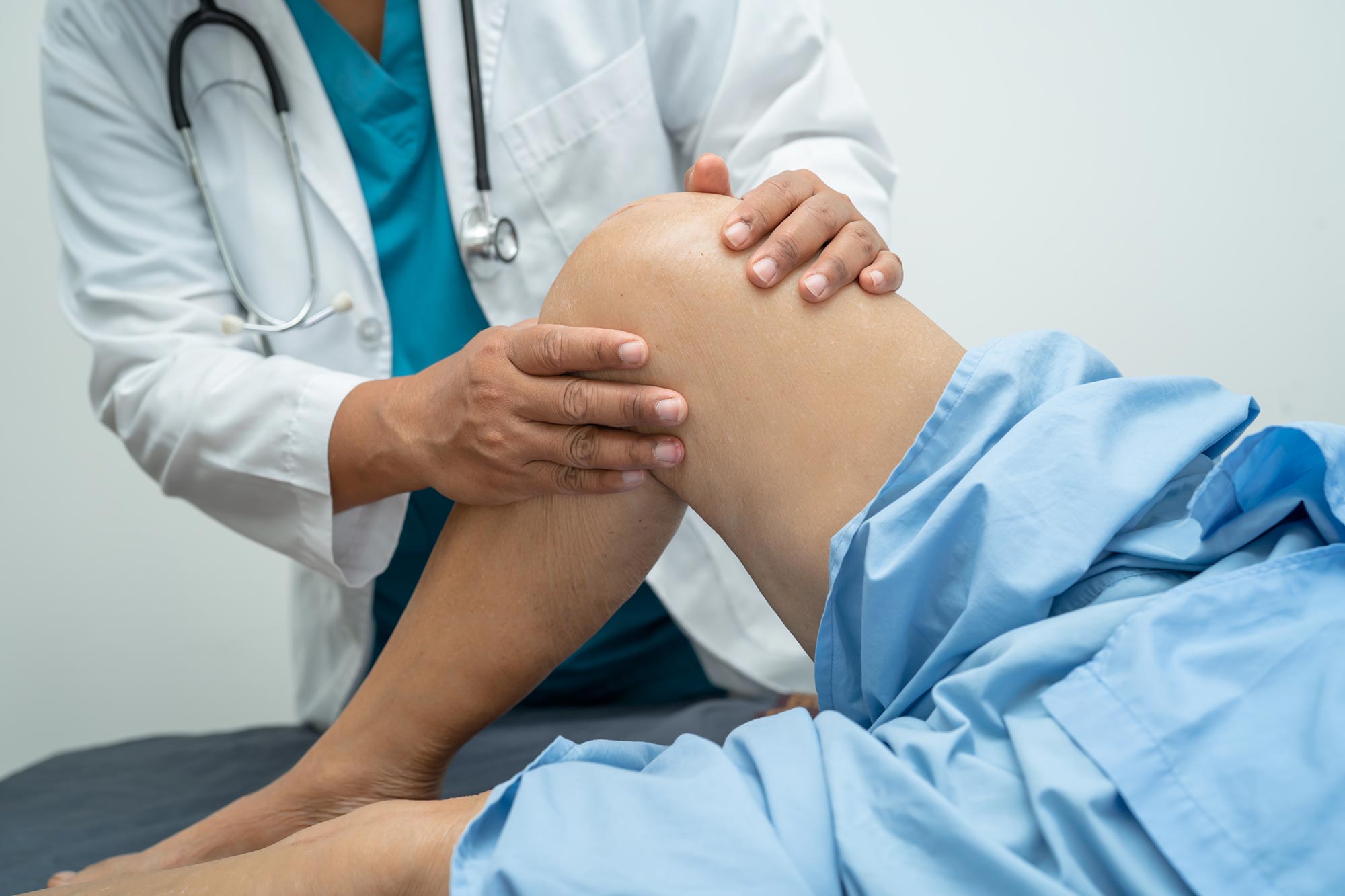
Robot-assisted knee replacement surgery is more precise than surgery performed without robotic assistance, but it does not currently improve patient outcomes.
A robotic arm can help surgeons position a knee replacement more precisely, but that extra accuracy does not necessarily mean patients recover better. Results from RACER-Knee, the world’s largest clinical trial of its kind, found no improvement in patient outcomes during the first year after robot-assisted surgery compared with conventional knee replacement.
The trial, coordinated by the University of Warwick and University Hospitals Coventry and Warwickshire (UHCW) NHS Trust, was published in The Lancet. It adds important evidence about the expanding use of robotics in health care and where further development may be needed.
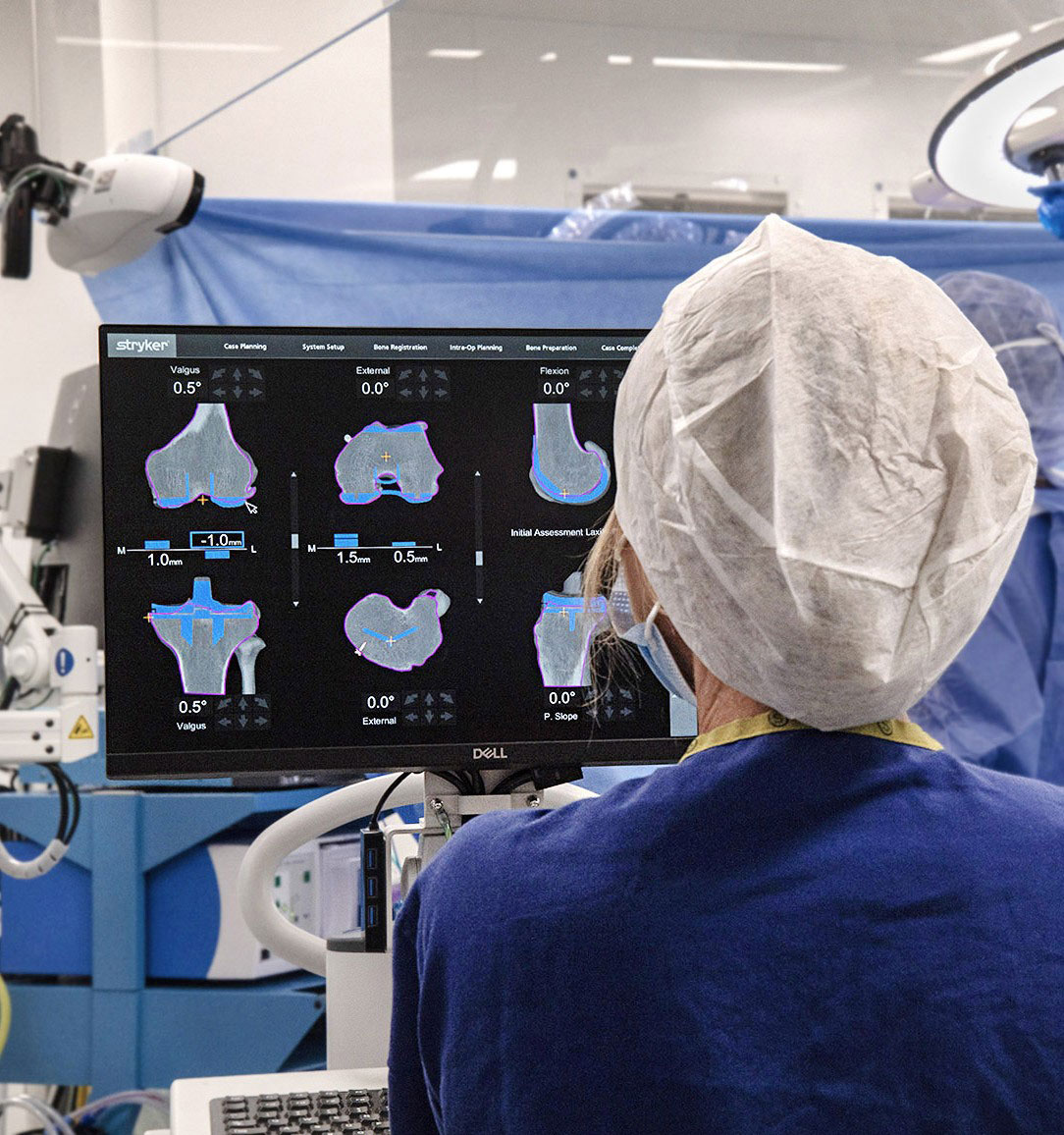
Robotic assistance is already used in about six percent of knee replacements in the UK, compared with 16 percent in the US and 42 percent in Australia. The technology is intended to help surgeons position implants more accurately and adjust the operation to fit each patient’s anatomy.
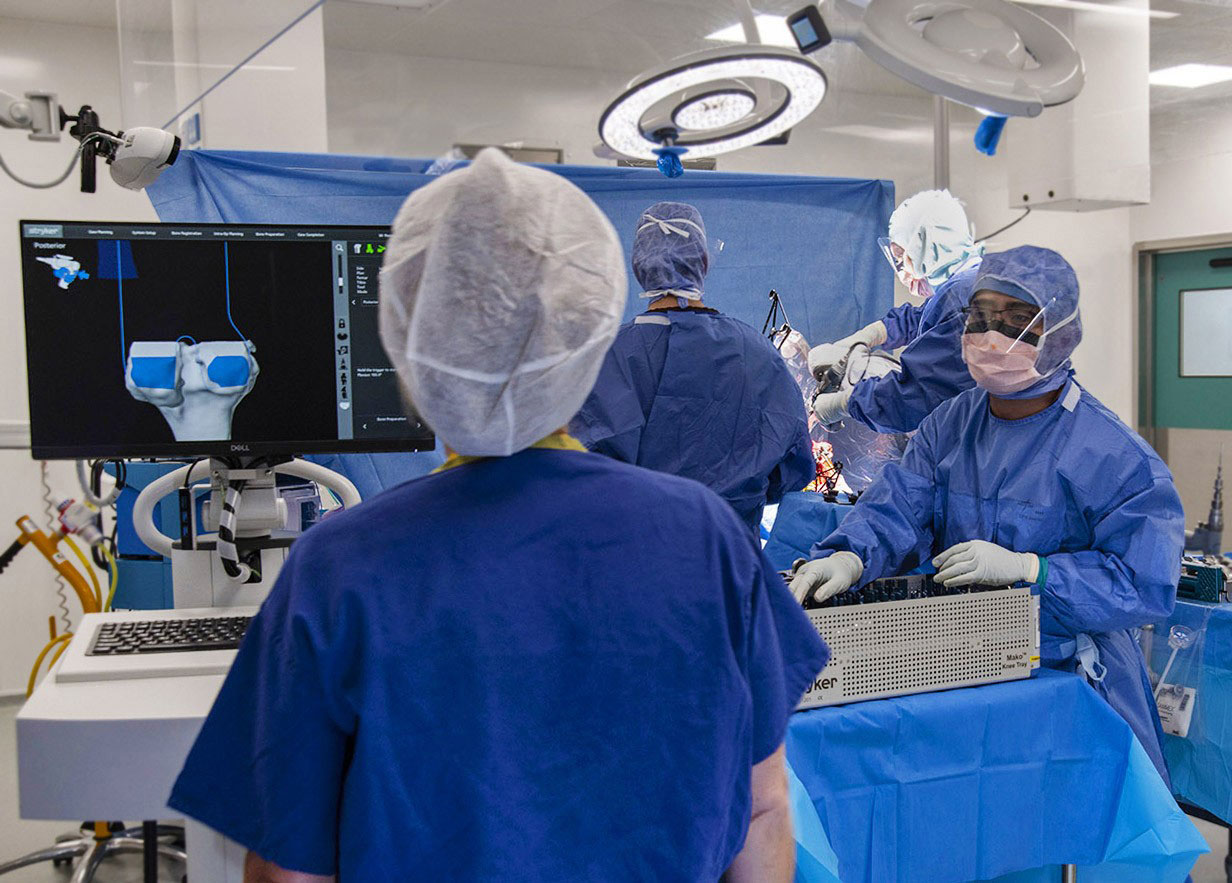
The UK-wide RACER-Knee trial was funded by the National Institute for Health and Care Research (NIHR) in partnership with Stryker, which makes the robotic system tested. Led by the Warwick Clinical Trials Unit, UHCW NHS Trust, and the Royal Orthopaedic Hospital in Birmingham, it is the world’s largest double-blinded randomized controlled trial comparing conventional total knee replacement with surgery assisted by the Stryker Mako system, the most widely used robotic system of its kind worldwide.
Greater precision did not improve recovery
One year after surgery, people in the robotic and conventional groups had similar levels of recovery, mobility, and pain. Although robotic assistance allowed more precise surgery, that advantage did not produce better patient outcomes during the first year. Serious adverse events were also no more common with robotic surgery, suggesting that the approach was as safe as conventional treatment.
The study was led by two Chief Investigators in the UK.
Professor Andrew Metcalfe, Warwick Medical School, University of Warwick, and Consultant orthopedic surgeon at UHCW NHS Trust: “We are delighted to have completed this world-leading randomized trial of an exciting technology that is now being used globally and at scale. It is an important step in the process of innovation and will stimulate lots more high-quality studies. We are very grateful for the support of the many patients who took part, which is so important, but also the NIHR and Stryker for working so well together to support this critical study. Technology such as this could really help the care we give for patients, but for robotic-assisted knee replacements, there is still work to do before we see benefits such as less pain or better movement.”
Professor Edward Davis, Consultant orthopedic surgeon at The Royal Orthopaedic Hospital NHS Foundation Trust and Honorary Professor at University of Birmingham: “The trial demonstrates robotic-arm-assistance allows for higher precision, and in theory the system should allow surgeons to customize the procedure according to a patient’s anatomy. These results are by no means a condemnation of the robotic systems, but more understanding of the ideal position for a knee replacement and personalization for each patient is needed. We’ll then be able to truly take advantage of the advanced precision of robotic systems.”
Professor Anthony Gordon, Director for the NIHR Health Technology Assessment (HTA) Program, said, “Innovation in healthcare depends on evaluating promising technologies rigorously and at scale. While this study shows robotic-assisted knee replacement is not yet improving patient outcomes, it highlights opportunities to refine these technologies and harness their precision to deliver better care in the future. The NIHR continues to fund robust studies, such as RACER, ensuring we learn how to deliver the latest technologies most effectively within the NHS.”
Robotics gives surgeons more control
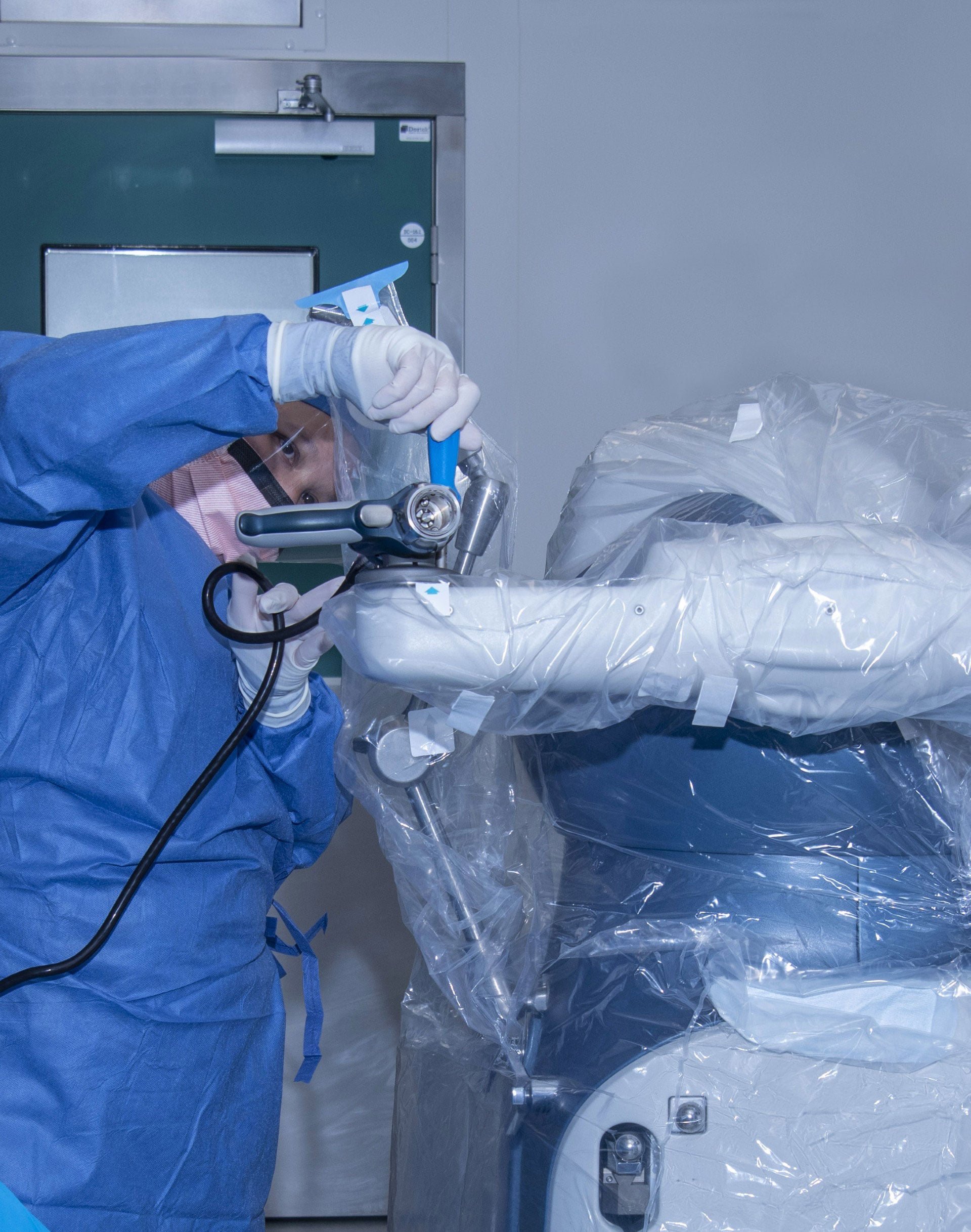
Total knee replacement is among the most common elective operations performed worldwide to treat knee arthritis. In conventional surgery, doctors use their experience along with a standard set of instruments. With robotic assistance, the surgeon remains in control of a robotic arm that positions instruments with greater precision and provides more flexibility in choosing cutting angles and depths. This makes it possible to tailor aspects of the procedure more closely to an individual patient’s anatomy.
The trial included 339 patients treated by 33 surgeons at 10 hospitals across the UK. Despite the greater precision offered by robotics, there was no meaningful difference between groups after 12 months on the primary measure, the Forgotten Joint Score. This measures how much patients notice their artificial joint during everyday activities.
Results were also similar for walking ability, pain during the first three months and at 12 months, pain while in the hospital, and the likelihood of needing a follow-up operation.
Long-term value remains unresolved
Researchers will continue monitoring the participants for ten years to determine whether meaningful differences eventually emerge between the two approaches. Longer follow-up may show whether one method affects the likelihood that patients will need additional knee surgery.
Robot-assisted total knee replacements also required more time and money. Procedures took an average of 10.5 minutes longer and cost about £950 more, although they were more precise and were not associated with a greater risk of serious adverse events. Under current NHS cost limits, the robotic system evaluated in the trial was not cost-effective during the first year after surgery.
Greater precision could eventually become more valuable if robotic systems allow surgeons to tailor knee replacements more effectively to each patient’s anatomy. Reaching that point will require further technological development and research to determine how the additional precision can be translated into outcomes that patients can actually feel.
Reference: “Robotic-arm-assisted versus conventional total knee replacement (RACER-Knee): a pragmatic, multicentre, participant-masked and assessor-masked, superiority, randomised controlled trial” by Helen Parsons, Andrew Metcalfe, James Griffin, Chetan Khatri, Helen Bradley, Mark Blyth, Nicholas Clement, Nirvana Croft, David Deehan, David Ellard, Samual Frempong, Nicholas Grant, Fares Haddad, Charles Hutchinson, James Mason, Hema Mistry, Seyran Naghdi, Chloe Scott, Toby Smith, John Skinner, Andrew Toms, Sophie Rees, Bryan Riemer, Martin Underwood, Edward Davis, David Beard, Paul Baker, Stephen McDonnell, Thomas Pinkney, Yemi Oluboyede, Nicholas Howells, Steve Asplin, Graham Howkins, Mike Reed, Andrew Judge, Graeme MacLennan, Issaq Ahmed, Anish Amin, Christine Beadle, Caroline Blackstock, Paul Gaston, Ewan Goudie, Pauline Irvine, Gavin Macpherson, Eliott Martinson, Shona McDonald, Victoria Minnis, Matthew Moran, Rachel O’Brien, James Patton, Beena Poulose, Phil Simpson, Frazer Wade, James Doonan, Colin Drury, Bryn Jones, Jennifer Miller, Gary Semple, Natasha Grabor, Karen Smith, David Weir, Bethany Armstead, Kate Burrows, Richard Connel, Liz Hawes, Anusenan Geethe Jayasenan, Yasmine Kassem, Claudia Lameirinhas, Jeremy Rushbrook, Pedro Braga Sedro, Grant Shaw, Alina Volmov, Peter Cnudde, Kim Davies, Tracey Lewis, Melanie Lowe, Keith Eyres, Vipul Mandalia, Simon Middleton, Jonathan Phillips, Ben Waterson, Catherine Addlern, Dave Daly, Jane Griffiths, Maggie Langley, Simon Pickering, Conal Quah, Deb Staples, William Aston, Richard Carrington, James Donaldson, Fiona Fitzgerald, Esther Hanison, Chethan Jayadev, Robert McCulloch, Jonathan Miles, Rita Ochieng, Nana Okine, Alexander Shearman, Teresa Brodie, Dia Giebaly, Shakir Hussain, James Jones, Ellie Keeling, Valerie Magaya, Sophie Moore, Emma Prendergerot, Paul Rai, Sarah Rich, Sophie Rich, Akash Sharma, Alejandro Aman, Joanna Brough, Fatema Dhaif, Bridget Gough, Kassia Hitchcock, Kelly Hollway, Kerri McGowan, Anna Ogorek, Michal Ogorek, Peter Thompson, Hamza Umar, Fahad Hossain, Christine Moore, Susanne Arnold, Sandra Baggott, Elke Gemperie-Mannion, Johnny Guck, Susie Hennings, Siobhan Kefford, Bishal Mohindru, Bethany Norris, Henry Nwankwo, Priya Parmar, Jeskaran Rai, Maria Ramirez, Henry Searle, Marta Spocinska and Sumayyah Ul-Rahman, 20 August 2026, The Lancet.
DOI: 10.1016/S0140-6736(26)00986-4
Funded by the UK NHS research body, the National Institute for Health Research, through its Health Technology Assessment Programme (NIHR128768)
Never miss a breakthrough: Join the SciTechDaily newsletter.
Follow us on Google and Google News.
1 Comment
Knee doctors recommend knee replacement. Transplant doctors recommend trans plants . What else is new?