
Close Menu
    Facebook X (Twitter) Instagram
    SciTechDaily
    • Biology
    • Chemistry
    • Earth
    • Health
    • Physics
    • Science
    • Space
    • Technology
    Facebook X (Twitter) Pinterest YouTube RSS
    SciTechDaily
    Home»Science»Your Dog or Cat Might Be Spreading an Invasive Flatworm
    Science

    Your Dog or Cat Might Be Spreading an Invasive Flatworm

    By PeerJFebruary 10, 2026No Comments2 Mins Read
    Facebook Twitter Pinterest Telegram LinkedIn WhatsApp Email Reddit
    Share
    Facebook Twitter LinkedIn Pinterest Telegram Email Reddit
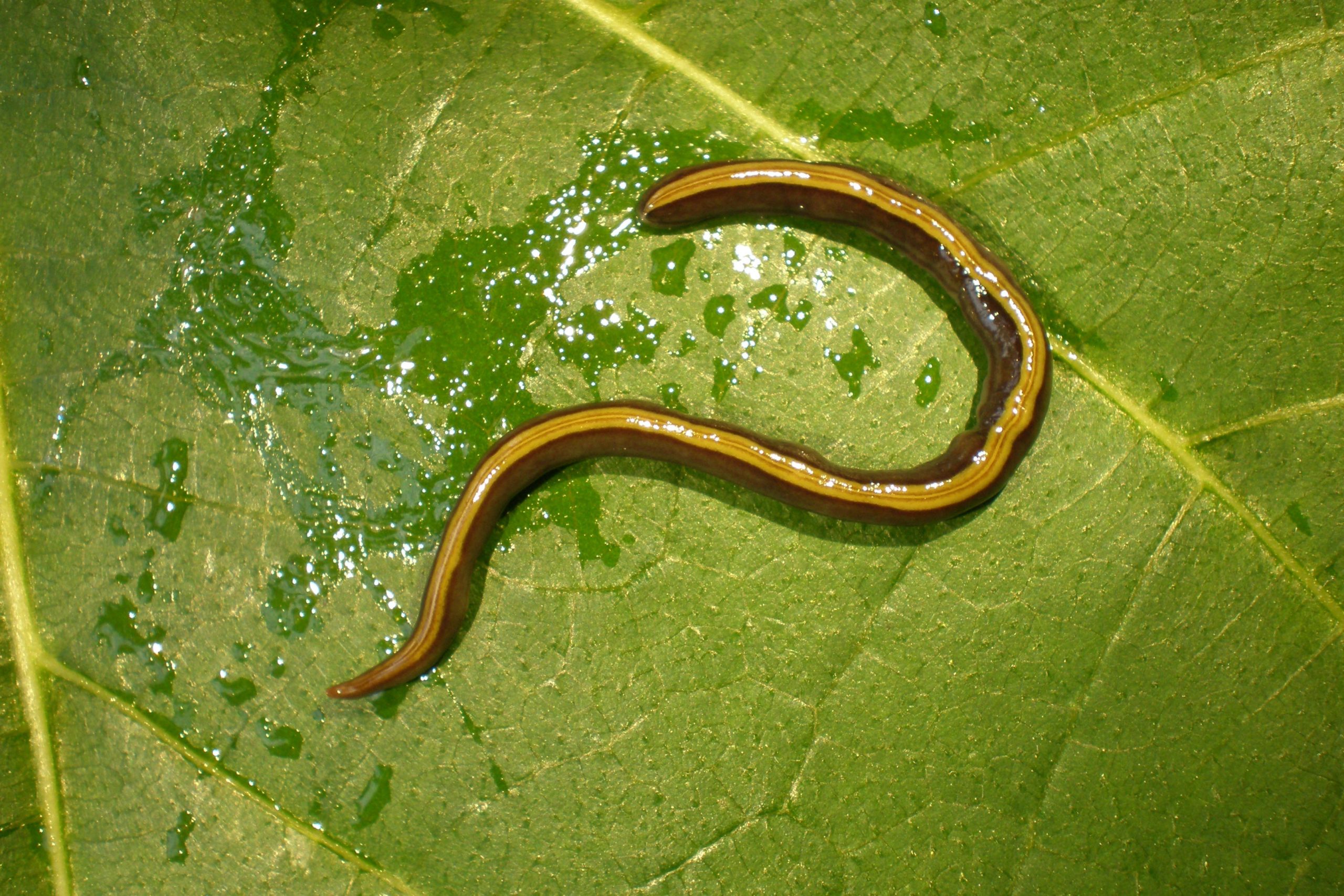
    Caenoplana variegata
    Caenoplana variegata. Credit: Jean-Lou Justine

    A surprising new study reveals that dogs and cats may be helping an invasive flatworm spread.

    A new study published today (February 10) in the journal PeerJ has uncovered an unexpected way an invasive flatworm is spreading across France. The research was led by a scientist from the Institute of Systematics, Evolution and Biodiversity (ISYEB) at the French National Museum of Natural History, working with a colleague from James Cook University in Australia. Their findings point to household pets as unintentional carriers of the species.

    How invasive flatworms usually spread

    Terrestrial flatworms (Platyhelminthes) are known invasive organisms that typically expand their range through the movement of plants. This process is mostly driven by human activity, such as gardening and plant trade. Yet this explanation left a key mystery unresolved. These worms move extremely slowly, so it was unclear how they were able to appear in nearby gardens that had not received new plants.

    Citizen science reveals an unexpected carrier

    To investigate, researchers examined more than twelve years of observations gathered through citizen science programs across France. This long-term dataset revealed something previously overlooked. Several reports showed flatworms clinging to the fur of dogs and cats, suggesting that domestic animals can transport the worms between locations.

    One species stands out

    Of the roughly ten flatworm species that have invaded France, only one was linked to this form of transport. That species is Caenoplana variegata. It produces an especially sticky mucus, likely connected to its diet as a predator of arthropods. The worm can also reproduce without a partner, a trait that further increases its ability to establish itself in new areas.

    Because pets travel significant distances each year, researchers say this hidden method of movement could play an important role in spreading certain invasive flatworm species worldwide.

    Reference: “Cats, dogs, and sticky worms: invasion by land flatworms (Geoplanidae) is facilitated by household pets” by Jean-Lou Justine and Leigh Winsor, 10 February 2026, PeerJ.
    DOI: 10.7717/peerj.20713

    Never miss a breakthrough: Join the SciTechDaily newsletter.
    Follow us on Google and Google News.

    Cats Dogs Invasive Species Popular
    Share. Facebook Twitter Pinterest LinkedIn Email Reddit

    Related Articles

    COVID-19 Has Infected Pet Cats and Dogs – What About Wildlife?

    First People to Enter the Americas Were Accompanied by Their Dogs

    Pets, Touch and COVID-19: Why Our Cats, Dogs and Other Furry Friends Are Lifesavers

    26 Animals Regularly in Contact With People May Be Susceptible to SARS-CoV-2 / COVID-19 Virus

    Why Flat-Faced Dogs, Like Pugs and Bulldogs, Remain Popular Despite Substantial Health Risks

    Scientists Use Genetics to Develop Better Formula to Calculate Dog Age in “Human Years”

    Cats Have More Lives Than Dogs When It Comes to Venomous Snake Bites – Here’s Why

    Study Shows Dogs and Wolves Are Both Good at Cooperating [Video]

    Humans Can Read Dogs’ Facial Expressions, but They Must First Learn How

    Leave A Reply Cancel Reply

    • Facebook
    • Twitter
    • Pinterest
    • YouTube

    Don't Miss a Discovery

    Subscribe for the Latest in Science & Tech!

    Trending News

    Scientists Discover Stem Cells That Could Regrow Teeth and Bone

    Early Cannabis Use May Stall Key Brain Skills in Teens

    Popular Vitamin D Supplement Has “Previously Unknown” Negative Effect, Study Finds

    Study Reveals Malaria’s Hidden Role in Human Evolution

    The Hidden Risk of Taking Breaks From Weight-Loss Drugs Like Ozempic

    Scientists Warn That This Common Pet Fish Can Wreck Entire Ecosystems

    Scientists Make Breakthrough in Turning Plastic Trash Into Clean Fuel Using Sunlight

    This Popular Supplement May Interfere With Cancer Treatment, Scientists Warn

    Follow SciTechDaily
    • Facebook
    • Twitter
    • YouTube
    • Pinterest
    • Newsletter
    • RSS
    SciTech News
    • Biology News
    • Chemistry News
    • Earth News
    • Health News
    • Physics News
    • Science News
    • Space News
    • Technology News
    Recent Posts
    • Beyond Inflammation: Scientists Uncover New Cause of Persistent Rheumatoid Arthritis
    • Cancer-Like Mutations Found in the Brain May Be Driving Alzheimer’s Disease
    • A Simple Molecule Could Unlock Safer, Easier Weight Loss
    • Stretching Diamonds Unlocks Powerful New Quantum Sensing Abilities
    • This Robot Could Explore Mars 3x Faster Than Today’s Rovers
    Copyright © 1998 - 2026 SciTechDaily. All Rights Reserved.
    • Science News
    • About
    • Contact
    • Editorial Board
    • Privacy Policy
    • Terms of Use

    Type above and press Enter to search. Press Esc to cancel.