
Close Menu
    Facebook X (Twitter) Instagram
    SciTechDaily
    • Biology
    • Chemistry
    • Earth
    • Health
    • Physics
    • Science
    • Space
    • Technology
    Facebook X (Twitter) Pinterest YouTube RSS
    SciTechDaily
    Home»Earth»Scientists Discover the Secret of Galápagos’ Rich Ecosystem and Unique Wildlife Habitats
    Earth

    Scientists Discover the Secret of Galápagos’ Rich Ecosystem and Unique Wildlife Habitats

    By University of SouthamptonJanuary 14, 2021No Comments3 Mins Read
    Facebook Twitter Pinterest Telegram LinkedIn WhatsApp Email Reddit
    Share
    Facebook Twitter LinkedIn Pinterest Telegram Email Reddit
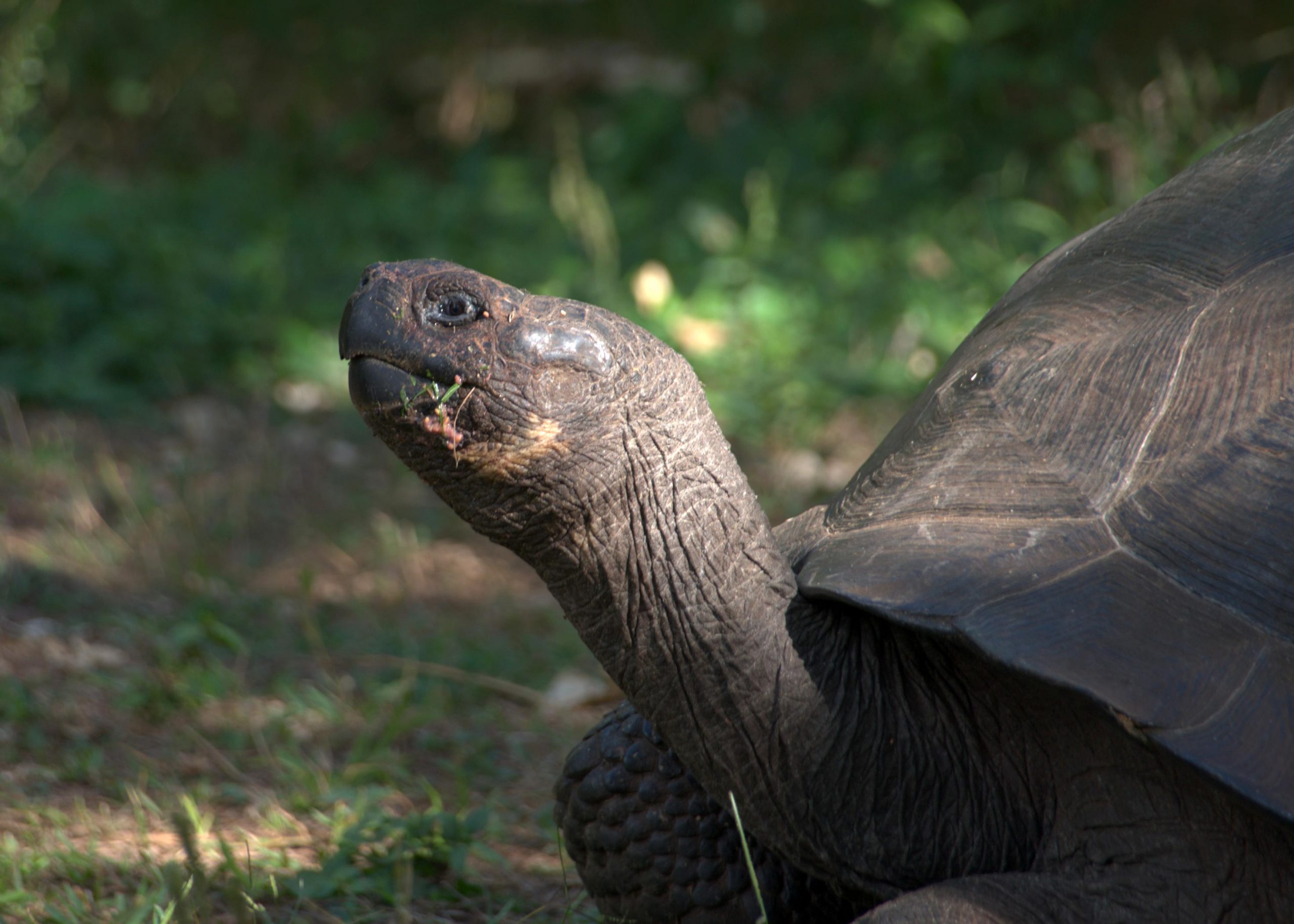
    Galapagos Tortoise
    A Galápagos Toroise. Credit: Alexander Forryan

    Wind-driven turbulence causes nutrient upwelling around the Galápagos, key to its biodiversity.

    New research has unlocked the mystery of how the Galápagos Islands, a rocky, volcanic outcrop, with only modest rainfall and vegetation, is able to sustain its unique wildlife habitats.

    The Galápagos archipelago, rising from the eastern equatorial Pacific Ocean some 900 kilometers (560 miles) off the South American mainland, is an iconic and globally significant biological hotspot. The islands are renowned for their unique wealth of endemic species, which inspired Charles Darwin’s theory of evolution and today underpins one of the largest UNESCO World Heritage Sites and Marine Reserves on Earth.

    Scientists have known for decades that the regional ecosystem is sustained by the upwelling of cool, nutrient-rich deep waters, which fuel the growth of the phytoplankton upon which the entire ecosystem thrives.

    Yet despite its critical life-supporting role, the upwelling’s controlling factors had remained undetermined prior to this new study. Establishing these controls, and their climate sensitivity, is critical to assessing the resilience of the regional ecosystem against modern climatic change.
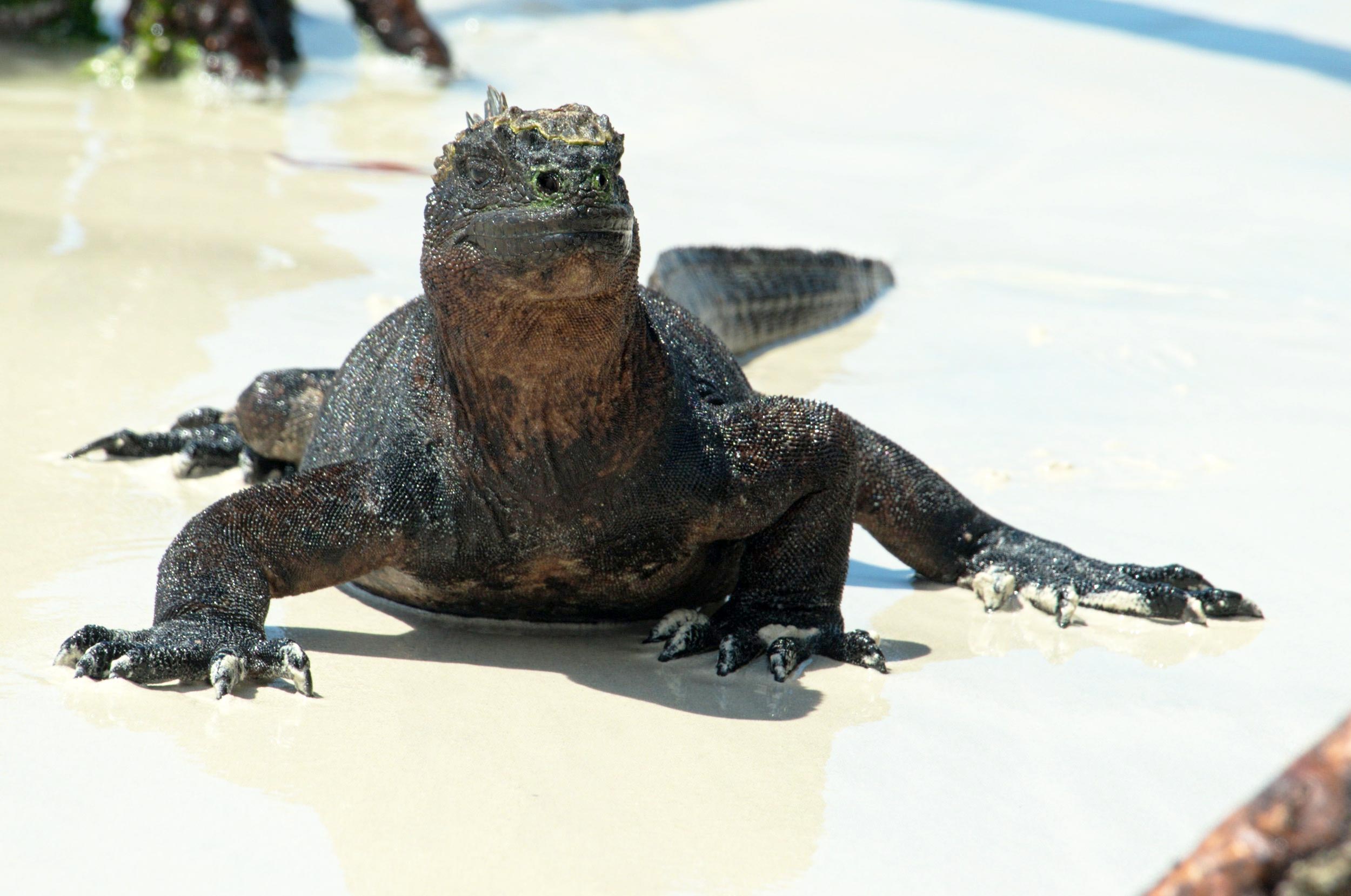
    Iguana Galapagos Islands
    Iguana on the Galápagos Islands. Credit: Alexander Forryan

    In this new research, published in Nature Scientific Reports, scientists from the University of Southampton, National Oceanography Centre, and Universidad San Francisco de Quito in Ecuador used a realistic, high-resolution computer model to study the regional ocean circulation around the Galápagos Islands.

    Turbulence at Ocean Fronts Feeds the Ecosystem

    This model showed that the intensity of upwelling around the Galápagos is driven by local northward winds, which generate vigorous turbulence at upper-ocean fronts to the west of the islands. These fronts are areas of sharp lateral contrasts in ocean temperature, similar in character to atmospheric fronts in weather maps, but much smaller.

    The turbulence drives the upwelling of deep waters toward the ocean surface, thus providing the nutrients needed to sustain the Galápagos ecosystem.
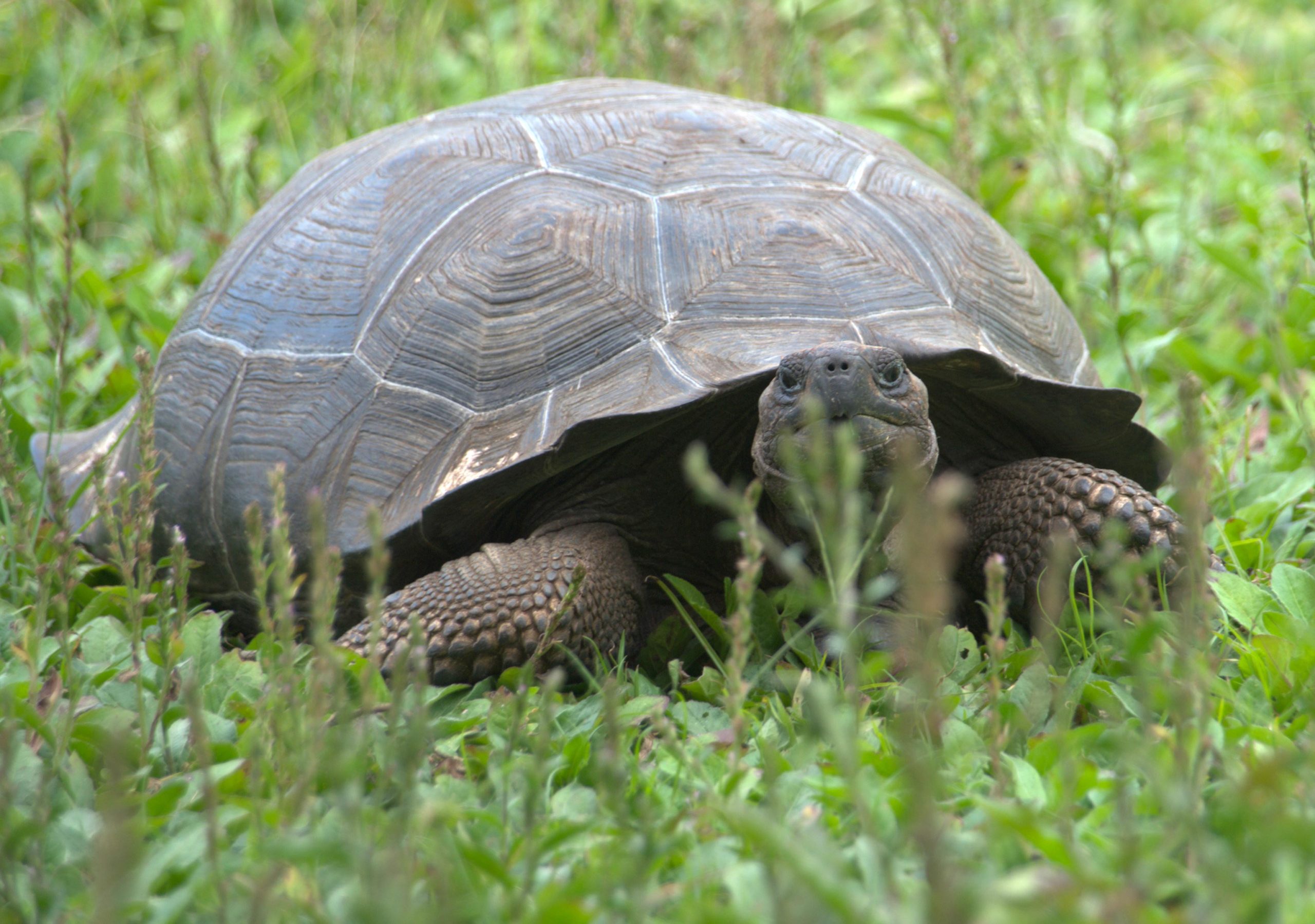
    Giant Tortoise Galapagos Islands
    A giant tortoise on the Galápagos Islands. Credit: Alexander Forryan

    Alex Forryan of the University of Southampton, who performed the research, said: “Our findings show that Galápagos upwelling is controlled by highly localized atmosphere-ocean interactions. There now needs to be a focus on these processes when monitoring how the islands’ ecosystem is changing, and in mitigating the ecosystem’s vulnerability to 21st-century climate change.”

    Professor Alberto Naveira Garabato, also of the University of Southampton, who led the project supporting the research, said: “This new knowledge of where and how the injection of deep-ocean nutrients to the Galapagos ecosystem happens is informing ongoing plans to expand the Galápagos Marine Reserve, and improve its management against the mounting pressures of climate change and human exploitation.”

    Reference: “Galápagos upwelling driven by localized wind–front interactions” by Alexander Forryan, Alberto C. Naveira Garabato, Clément Vic, A. J. George Nurser and Alexander R. Hearn, 14 January 2021, Scientific Reports.
    DOI: 10.1038/s41598-020-80609-2

    Never miss a breakthrough: Join the SciTechDaily newsletter.
    Follow us on Google and Google News.

    Biodiversity Climate Science Ecology Oceanography University of Southampton
    Share. Facebook Twitter Pinterest LinkedIn Email Reddit

    Related Articles

    Mysterious Polynya: Scientists Finally Explain Huge Hole in Antarctic Sea Ice

    The Looming Climate Apocalypse: Ocean Twilight Zone’s Future Hangs in the Balance

    Experts in Marine and Coastal Systems Predict Top 15 Emerging Impacts on Ocean Biodiversity Over Next Decade

    The Abyssal World: Dark and Hostile Environment Is the Last Terra Incognita of the Earth Surface

    Humans Guilty of Breaking an Fundamental Oceanic Law of Nature

    Volcanoes Act as a Safety Valve for Earth’s Long-Term Climate – Stabilizing Surface Temperatures

    UN Decade on Ecosystem Restoration: UN Urges Intense Restoration of Nature to Address Climate and Biodiversity Crises

    Fish Poop Helps Remove 1.65 Billion Tons of Carbon From the Atmosphere Each Year

    Yale Study Shows Geoengineering the Climate Could Have Dangerous Consequences

    Leave A Reply Cancel Reply

    • Facebook
    • Twitter
    • Pinterest
    • YouTube

    Don't Miss a Discovery

    Subscribe for the Latest in Science & Tech!

    Trending News

    Scientists Discover 132-Million-Year-Old Dinosaur Tracks on South Africa’s Coast

    Scientists Uncover the Secret Ingredient Behind the Spark That May Have Started Life on Earth

    Physicists Observe Matter in Two Places at Once in Mind-Bending Quantum Experiment

    Stanford Scientists Discover Hidden Brain Circuit That Fuels Chronic Pain

    New Study Reveals Why Ozempic Works Better for Some People Than Others

    Climate Change Is Altering a Key Greenhouse Gas in a Way Scientists Didn’t Expect

    New Study Suggests Gravitational Waves May Have Created Dark Matter

    Scientists Discover Why the Brain Gets Stuck in Schizophrenia

    Follow SciTechDaily
    • Facebook
    • Twitter
    • YouTube
    • Pinterest
    • Newsletter
    • RSS
    SciTech News
    • Biology News
    • Chemistry News
    • Earth News
    • Health News
    • Physics News
    • Science News
    • Space News
    • Technology News
    Recent Posts
    • The Ideal Temperature for Storing Mangoes Isn’t What You Think
    • Groundbreaking Enzyme Atlas Rewrites Decades of Biology Research
    • New “Nanozyme Hypothesis” Could Rewrite the Story of Life’s Origins
    • Anatomy Isn’t Finished: The Human Body Still Holds Secrets
    • Researchers Discover Long-Lost Words of Ancient Greek Philosopher After 2,000 Years
    Copyright © 1998 - 2026 SciTechDaily. All Rights Reserved.
    • Science News
    • About
    • Contact
    • Editorial Board
    • Privacy Policy
    • Terms of Use

    Type above and press Enter to search. Press Esc to cancel.