
Close Menu
    Facebook X (Twitter) Instagram
    SciTechDaily
    • Biology
    • Chemistry
    • Earth
    • Health
    • Physics
    • Science
    • Space
    • Technology
    Facebook X (Twitter) Pinterest YouTube RSS
    SciTechDaily
    Home»Science»Beer Byproduct Mixed With Manure Proves an Excellent Pesticide – Increases Crop Yields
    Science

    Beer Byproduct Mixed With Manure Proves an Excellent Pesticide – Increases Crop Yields

    By FrontiersMay 31, 2021No Comments3 Mins Read
    Facebook Twitter Pinterest Telegram LinkedIn WhatsApp Email Reddit
    Share
    Facebook Twitter LinkedIn Pinterest Telegram Email Reddit
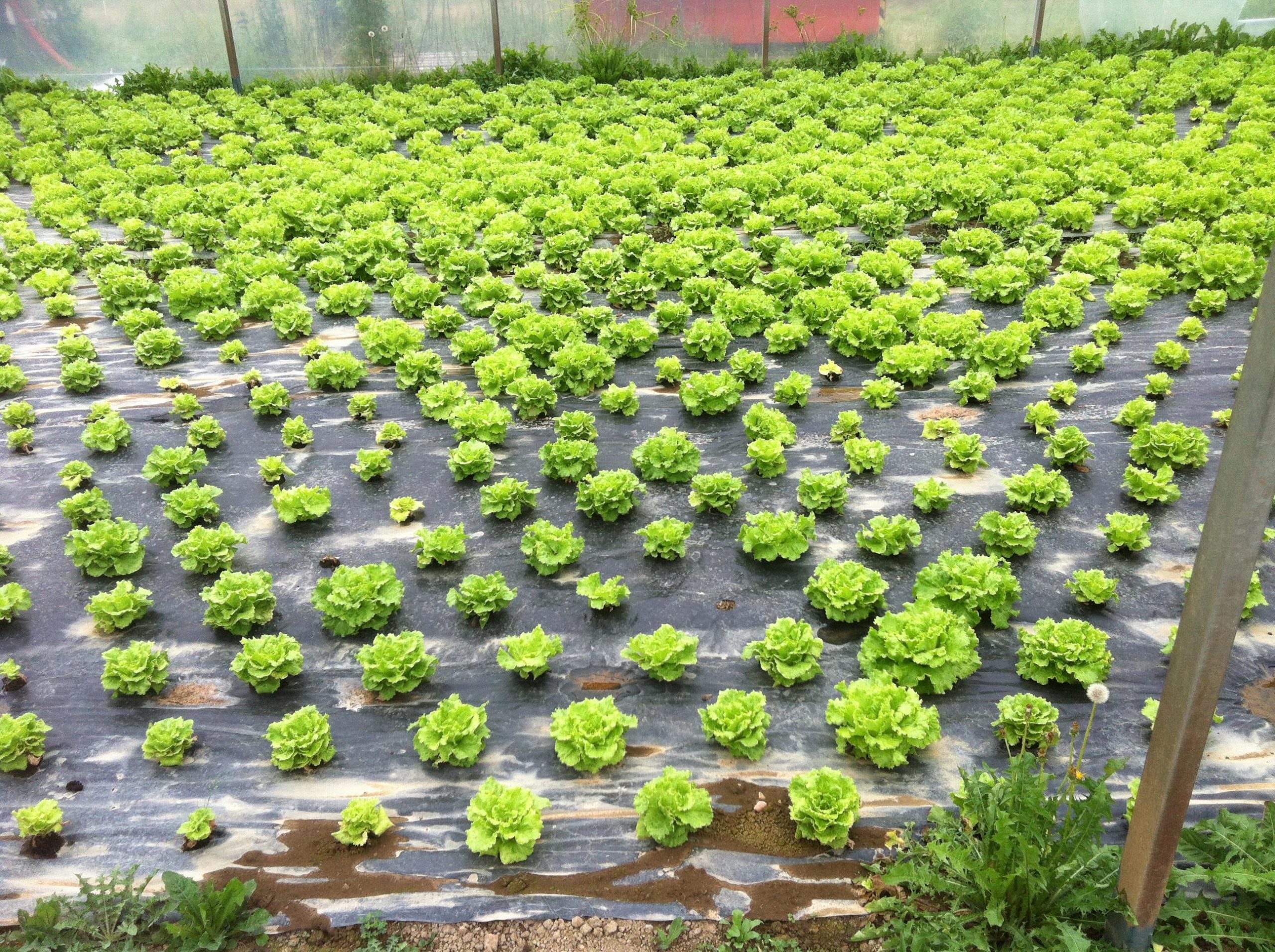
    Productive Lettuce Yield Using New Biodisinfestation Method
    A productive lettuce yield following the researchers’ new biodisinfestation method. Credit: Maite Gandariasbeitia et al.

    Byproducts from the beer and agricultural industry have been shown to reduce numbers of root-knot nematodes and increase yields of lettuce crops.

    The use of many chemical fumigants in agriculture have been demonstrated to be harmful to human health and the environment and therefore banned from use.

    Now, in an effort to reduce waste from the agricultural industry and reduce the amounts of harmful chemicals used, researchers have investigated using organic byproducts from beer production and farming as a potential method to disinfest soils, preserve healthy soil microorganisms, and increase crop yields.

    In this study published to Frontiers in Sustainable Food Systems, researchers from the Neiker Basque Institute for Agricultural Research and Development in Spain investigated using agricultural by-products rapeseed cake and beer bagasse (spent beer grains), along with fresh cow manure as two organic biodisinfestation treatments. The lead author Maite Gandariasbeitia explains: “Rapeseed cake and beer bagasse are two potential organic treatments which have shown really positive results in previous studies.

    “Their high nitrogen content promotes the activity of beneficial microorganisms in the soil, which helps to break down organic matter like manure and kill off nematodes and other parasites which damage crops.”

    Gandariasbeitia also highlights how nematodes can negatively impact crop yields: “Root-knot nematodes are a type of common soil parasite which penetrate a plant’s root tissue to lay their eggs and this activity causes galls, or knot-like swellings, to form on the root,” she says.
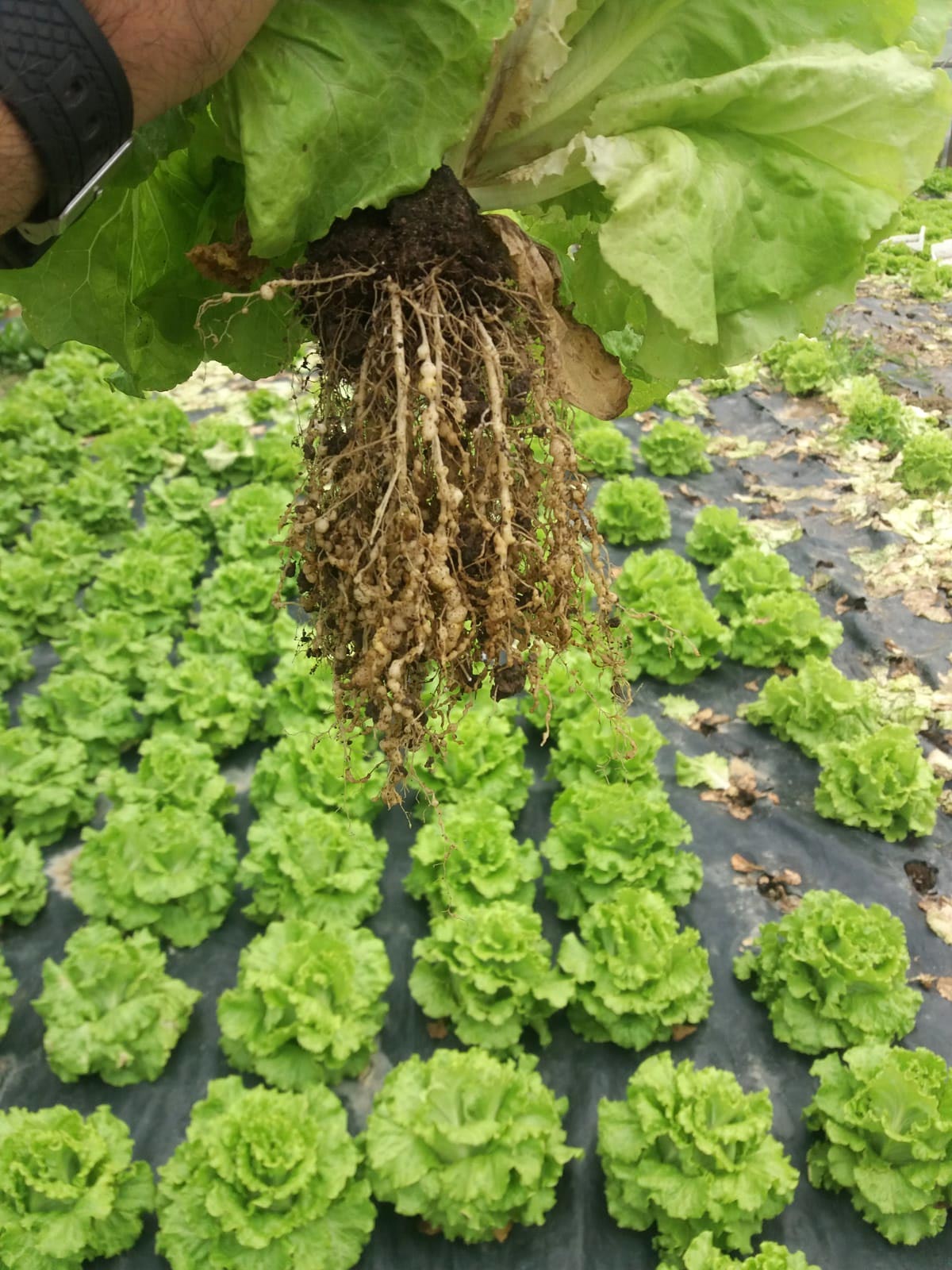
    Root Galling Caused by Root-Knot Nematode Infestation
    Root galling caused by root-knot nematode infestation. Credit: Maite Gandariasbeitia et al.

    “This damage negatively impacts root development and means the crop can’t take up nutrients efficiently, slowing plant growth and ultimately, leading to reduced yields for farmers.”

    To disinfest the soil and reduce these nematode populations, beer bagasse and rapeseed cake were incorporated into the soil with fresh cow manure as a potential organic treatment. After the first crop post-treatment, the researchers found a significant reduction in galling on plant roots.

    Next Steps for Research

    Plots also demonstrated increased yields by around 15% compared to the control plots after one year. Additionally, the organic matter treatment boosted populations of beneficial microorganisms in the soils, as demonstrated by a significantly higher soil respiration rate.

    The study demonstrates that these agricultural byproducts are an effective treatment for root-knot nematodes and other soil parasites, achieving higher crop yields as well as promoting sustainable food systems to reduce waste from the agricultural industry. Gandariasbeitia highlights that further research is needed to explore other potential organic treatments that could be used in a similar way: “There are still many questions to answer so that we can gain a better understanding of what happens in the soil during and after these biodisinfestation treatments.

    “This can help us to really elucidate what characteristics we should be looking for in other potential organic treatments to be effective in tackling soil parasite populations.”

    Reference: “Computed Tomography Study of the Mummy of King Seqenenre Taa II: New Insights Into His Violent Death” by Sahar N. Saleem and Zahi Hawass, 31 May 2021, Frontiers in Sustainable Food Systems.
    DOI: 10.3389/fsufs.2021.663248

    Never miss a breakthrough: Join the SciTechDaily newsletter.
    Follow us on Google and Google News.

    Agriculture Beer Food Science Frontiers Plant Science Popular
    Share. Facebook Twitter Pinterest LinkedIn Email Reddit

    Related Articles

    Ancient DNA Continues to Rewrite the 9,000-Year Society-Shaping History of Corn

    Researchers Say Breadfruit Could Be the Next Superfood

    Space Lettuce – Growing Nutritious and Safe Crops for Long-Distance Space Missions

    Discovering What Makes Durian Stink – “King of Fruits” Is Known for Its Pungent Odor

    Climate Change Could Shrink Wine Regions Dramatically – 85% Loss for 4°C of Warming

    New Tomato Ideal for Urban Gardens and Even Outer Space Created Through Genetic Editing

    Many New Diseases Developed in Bagged Salads Sector – Here’s Why

    Mapping Millet Genetics to Enable Better Varieties for Farmers in Developing Countries

    Game Changer: New Chemical Could Protect Crops From Drought

    Leave A Reply Cancel Reply

    • Facebook
    • Twitter
    • Pinterest
    • YouTube

    Don't Miss a Discovery

    Subscribe for the Latest in Science & Tech!

    Trending News

    This Copper Drug Clears Alzheimer’s Brain Toxins and Boosts Memory

    Adults Over 65 Lost Massive Amounts of Weight With Ozempic

    How Flocking Birds “Defy” One of Physics’ Most Fundamental Laws

    Physicists Create a New Kind of Schrödinger’s Cat State From Exotic Quantum Building Blocks

    Your Diet Could Be Missing the Key Ingredient for Heart Protection

    Researchers Warn Widely Prescribed Blood Pressure Drugs Could Be Harming Diabetic Kidneys

    James Webb Spots Something Strange Between Day and Night on an Alien Planet

    How Ancient People Moved a 6-Ton Stone 700 Kilometers to Stonehenge

    Follow SciTechDaily
    • Facebook
    • Twitter
    • YouTube
    • Pinterest
    • Newsletter
    • RSS
    SciTech News
    • Biology News
    • Chemistry News
    • Earth News
    • Health News
    • Physics News
    • Science News
    • Space News
    • Technology News
    Recent Posts
    • A Surprising Discovery Challenges What Scientists Thought DNA Methylation Was For
    • This New DNA Test Solves Rare Disease Mysteries That Standard Genetics Misses
    • Scientists Just Discovered the Eye Defies a Long-Held Rule of Vision
    • Ancient Black Holes May Have Survived a Cosmic Era Before the Big Bang
    • What if Time Isn’t Fundamental? Physicists Just Tested the Idea in the Lab
    Copyright © 1998 - 2026 SciTechDaily. All Rights Reserved.
    • Science News
    • About
    • Contact
    • Editorial Board
    • Privacy Policy
    • Terms of Use

    Type above and press Enter to search. Press Esc to cancel.