
Healthy ecosystems act as natural barriers, filtering pathogens and boosting wildlife resilience, while habitat destruction worsens disease spread.
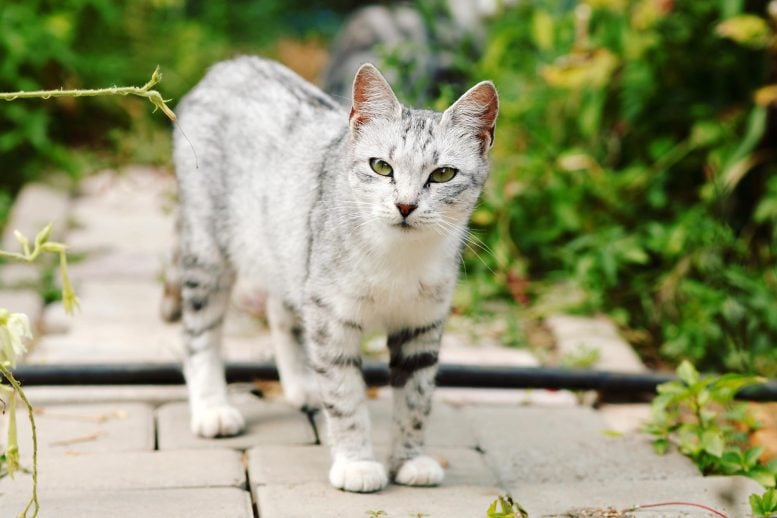
New UBC research suggests free-roaming cats are likely to blame in the spread of the potentially deadly Toxoplasma gondii parasite to wildlife in densely populated urban areas.
The study—the first to analyze so many wildlife species over a global scale—also highlights how healthy ecosystems can protect against these types of pathogens.
The researchers, led by UBC faculty of forestry adjunct professor Dr. Amy Wilson, examined 45,079 cases of toxoplasmosis in wild mammals—a disease that has been linked to nervous system disorders, cancers, and other debilitating chronic conditions—using data from 202 global studies.
They found wildlife living near dense urban areas were more likely to be infected.

“As increasing human densities are associated with increased densities of domestic cats, our study suggests that free-roaming domestic cats—whether pets or feral cats—are the most likely cause of these infections,” says Dr. Wilson.
“This finding is significant because by simply limiting free roaming of cats, we can reduce the impact of Toxoplasma on wildlife.”
One infected cat can excrete as many as 500 million Toxoplasma oocysts (or eggs) in just two weeks. The oocysts can then live for years in soil and water with the potential to infect any bird or mammal, including humans. Toxoplasmosis is particularly dangerous for pregnant people.
Dormant Parasite Can Turn Deadly
If an animal is healthy, the parasite remains dormant and rarely causes direct harm. However, if an animal’s immune system is compromised, the parasite can trigger illness and potentially death.
The study also highlights the way healthy forests, streams, and other ecosystems can filter out dangerous pathogens like Toxoplasma, notes Dr. Wilson.
“We know that when wetlands are destroyed or streams are restricted, we are more likely to experience runoff that carries more pathogens into the waters where wild animals drink or live,” she says. “And when their habitats are healthy, wildlife thrives and tends to be more disease-resistant.”
The Interconnectedness of Ecosystems
Research results like these remind us that all ecosystems, forested or other, are intrinsically linked.
“There is a growing recognition among forest science professionals and other groups that protecting biodiversity and the ecosystems it supports is an efficient and economical approach to reducing disease transfer between wildlife, domestic animals, and humans. Conservation is really preventative medicine in action,” says Dr. Wilson.
Reference: “Human density is associated with the increased prevalence of a generalist zoonotic parasite in mammalian wildlife” by Amy G. Wilson, Scott Wilson, Niloofar Alavi and David R. Lapen, 20 October 2021, Proceedings of the Royal Society B: Biological Sciences.
DOI: 10.1098/rspb.2021.1724
Never miss a breakthrough: Join the SciTechDaily newsletter.
Follow us on Google and Google News.
3 Comments
“pregnant people?” Why are you being politically correct at the expense of less precise communication? No matter how a person identifies with respect to their gender, only those who possess a uterus can become pregnant. That is, those humans who have traditionally been called female or women. This ‘wokeness’ is getting out of hand!
This article is ludicrous!! Save the poor homeless animals instead of making them look like diseased monsters smh!I rescue colony cats who are very rare to carry this. Never have I seen one infected w toxoplasmosis and Im 4th generation rescuer! Its like me saying all gay men have aids! This is a misleading article completely. Lock people up who abuse and abandon animals!
Ah, hence the term “crazy cat ladies”..now we know why.