
Close Menu
    Facebook X (Twitter) Instagram
    SciTechDaily
    • Biology
    • Chemistry
    • Earth
    • Health
    • Physics
    • Science
    • Space
    • Technology
    Facebook X (Twitter) Pinterest YouTube RSS
    SciTechDaily
    Home»Biology»Brain Scans of Rappers During Improvisation Show Creativity At Work
    Biology

    Brain Scans of Rappers During Improvisation Show Creativity At Work

    By SciTechDailyNovember 19, 2012No Comments3 Mins Read
    Facebook Twitter Pinterest Telegram LinkedIn WhatsApp Email Reddit
    Share
    Facebook Twitter LinkedIn Pinterest Telegram Email Reddit
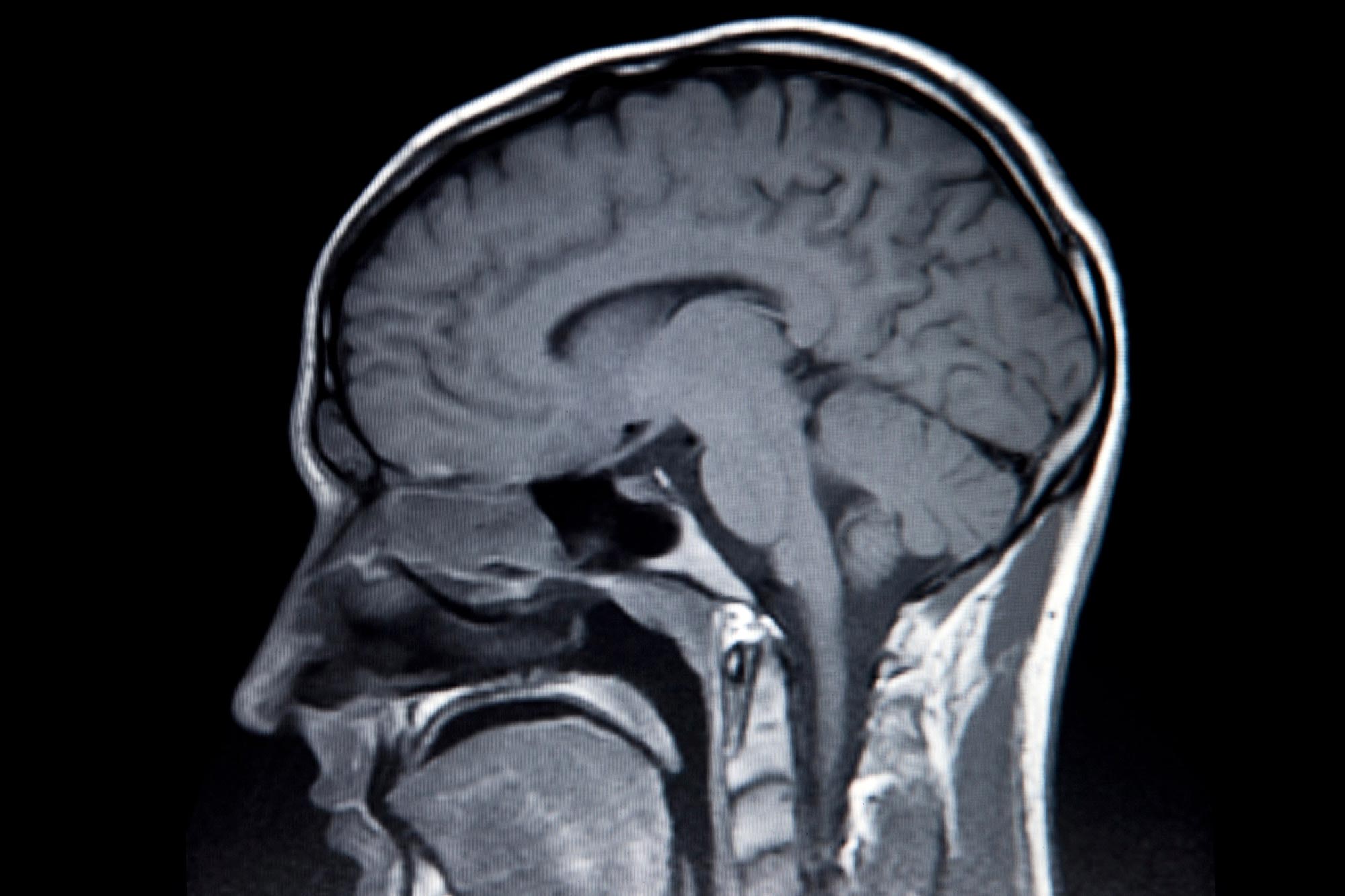
    MRI Brain Scan Profile
    fMRI brain scans of rappers improvising rhymes provide an insight into the creative process.

    Rappers improvising rhymes while their brains are being scanned in a functional magnetic resonance imaging (fMRI) machine have provided an insight into the creative process.

    The scientists published their findings in the journal Scientific Reports. Freestyle rapping, in which a rapper improvises a song by stringing together unrehearsed lyrics, is one of the highest prized skills in hip hop. Instead of watching performances in a club, Siyuan Liu and Allen Braun, neuroscientists at the US National Institute on Deafness and Other Communication Disorders in Bethesda, Maryland, and their colleagues, had 12 rappers freestyle in a fMRI machine.

    The artists also recited a set of memorized lyrics. These were compared to the scans obtained when rappers were freestyling and allowed the researchers to see which areas of the brain were used during this improvisation.

    During the freestyling, the scans showed lower activity in the dorsolateral prefrontal cortex in the frontal lobes, and increased activity in the medial prefrontal cortex. The areas that were found to be lessened are associated with regulation other brain functions.

    This could be a relaxation of the brain’s executive functions, to allow a more natural, de-focused attention and uncensored processes to occur that could be the hallmark of creativity, states Braun.

    This suggestion is a bit controversial in the literature, as previous studies have shown activation of the dorsolateral prefrontal cortex in creative behavior. The discrepancy might have to do with the tasks chosen to represent creativity, states Braun. Some of these activities require recall, which could be less creative than freestyling.

    The downregulation is likely to apply to other, non-musical activities, including science. The findings could also suggest an explanation as to why new music might seem to the artist to be created of its own volition. With less involvement by the lateral prefrontal cortex, the performance could seem to its creator to have occurred outside of conscious awareness.

    The researchers are now working on how the initial burst of creative inspiration occurs. The creative process is divided into two phases, states Liu. The first is the spontaneous improvisatory phase. In this phase, novel ideas are generated. The second phase involves some kind of creative processing in revision.


    Open Mike Eagle, one of the authors of the latest study, performs on Knocksteady TV.

    Reference: “Neural Correlates of Lyrical Improvisation: An fMRI Study of Freestyle Rap” by Siyuan Liu, Ho Ming Chow, Yisheng Xu, Michael G. Erkkinen, Katherine E. Swett, Michael W. Eagle, Daniel A. Rizik-Baer and Allen R. Braun, 15 November 2012, Scientific Reports.
    DOI: 10.1038/srep00834

    Never miss a breakthrough: Join the SciTechDaily newsletter.
    Follow us on Google and Google News.

    Brain Brain Activity fMRI Neurology Neuroscience
    Share. Facebook Twitter Pinterest LinkedIn Email Reddit

    Related Articles

    Why Older People Are More Susceptible to Fraud

    Brain’s Reading Centers Are Culturally Universal No Matter What Language

    Study Shows Broca’s Area Has Multiple Roles

    Growth in Brain’s White Matter Tracts Could Predict Literacy

    Life Long Learning and Experiences Are Good for the Brain

    Von Economo Neuron Discovered in the Insula of Macaque Monkeys

    Researchers Use FDDNP–PET Scanning to Predict Cognitive Decline

    Neuroscientists Create Model to Study Burst Suppression and Brain States

    Researchers Use fMRI to Study How Humor Activates Kids’ Brain Regions

    Leave A Reply Cancel Reply

    • Facebook
    • Twitter
    • Pinterest
    • YouTube

    Don't Miss a Discovery

    Subscribe for the Latest in Science & Tech!

    Trending News

    Wasp Colonies Explode Into Violence After Losing Their Queen

    Scientists Create “Living Plastic” That Self-Destructs in Just Six Days

    Your Blood May Carry a 700-Million-Year-Old Secret

    Scientists Discover Some “Zombie Cells” May Actually Help You Live Longer

    Earth May Be Seeding Venus With Life, According to New Research

    What Scientists Found Inside a 117-Year-Old Woman Reveals New Clues to Long Life

    Scientists Discover Mysterious Creature Living in the Great Salt Lake – and It Exists Nowhere Else on Earth

    It’s Alive? Surprising Discovery Changes What We Know About Fog

    Follow SciTechDaily
    • Facebook
    • Twitter
    • YouTube
    • Pinterest
    • Newsletter
    • RSS
    SciTech News
    • Biology News
    • Chemistry News
    • Earth News
    • Health News
    • Physics News
    • Science News
    • Space News
    • Technology News
    Recent Posts
    • A Psychologist Explains Why 40% of People Are Avoiding the News
    • Scientists Discover Alzheimer’s-Linked Proteion’s Surprising Role in Making Memories Last
    • Vitamin D Drug Shows Surprising Promise Against One of the Deadliest Cancers
    • Scientists Crack Major Ammonia Problem With a Platinum Catalyst Breakthrough
    • MIT Engineers Solve a Major Lidar Problem That Has Stumped Researchers for Years
    Copyright © 1998 - 2026 SciTechDaily. All Rights Reserved.
    • Science News
    • About
    • Contact
    • Editorial Board
    • Privacy Policy
    • Terms of Use

    Type above and press Enter to search. Press Esc to cancel.