
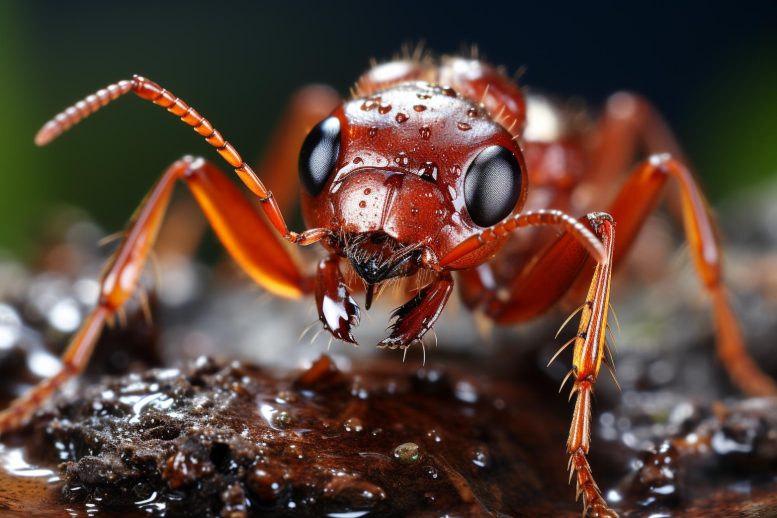
The invasive red fire ant, native to South America, has been officially identified in Sicily, marking its introduction to Europe. Researchers warn of its potential rapid spread, posing major environmental and health challenges across the continent.
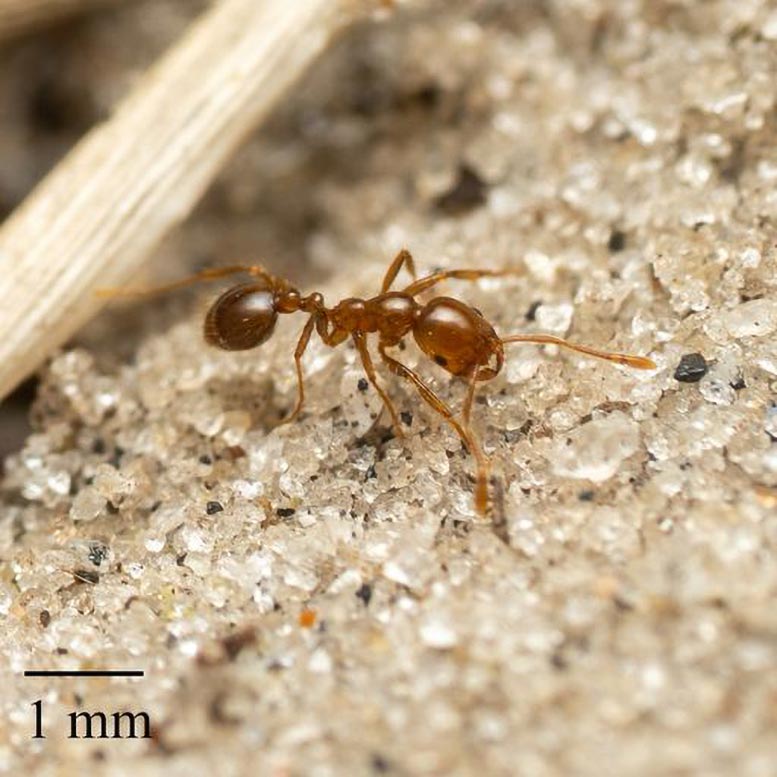
One of the most invasive species in the world is Solenopsis invicta, a red fire ant species with a painful sting. Native to South America, the ant has established itself across the globe. In an article that will be published today (September 11) in the journal Current Biology, a group of ant experts confirm that the species has made its way to Sicily—the ant’s first official sighting in Europe. The ants could soon spread all over the continent, the researchers warn, which could cause major environmental, health, and economic problems in Italy and beyond.
“S. invicta is one of the worst invasive species. It can spread alarmingly quickly,” says lead author Mattia Menchetti of the Institute of Evolutionary Biology in Spain. “Finding this species in Italy was a big surprise, but we knew this day would come.”
Commonly known as the imported red fire ant, S. invicta’s name comes from the ant’s most infamous characteristic—its stings—which are painful and, occasionally, may cause anaphylactic shock.
The Ant’s Global March
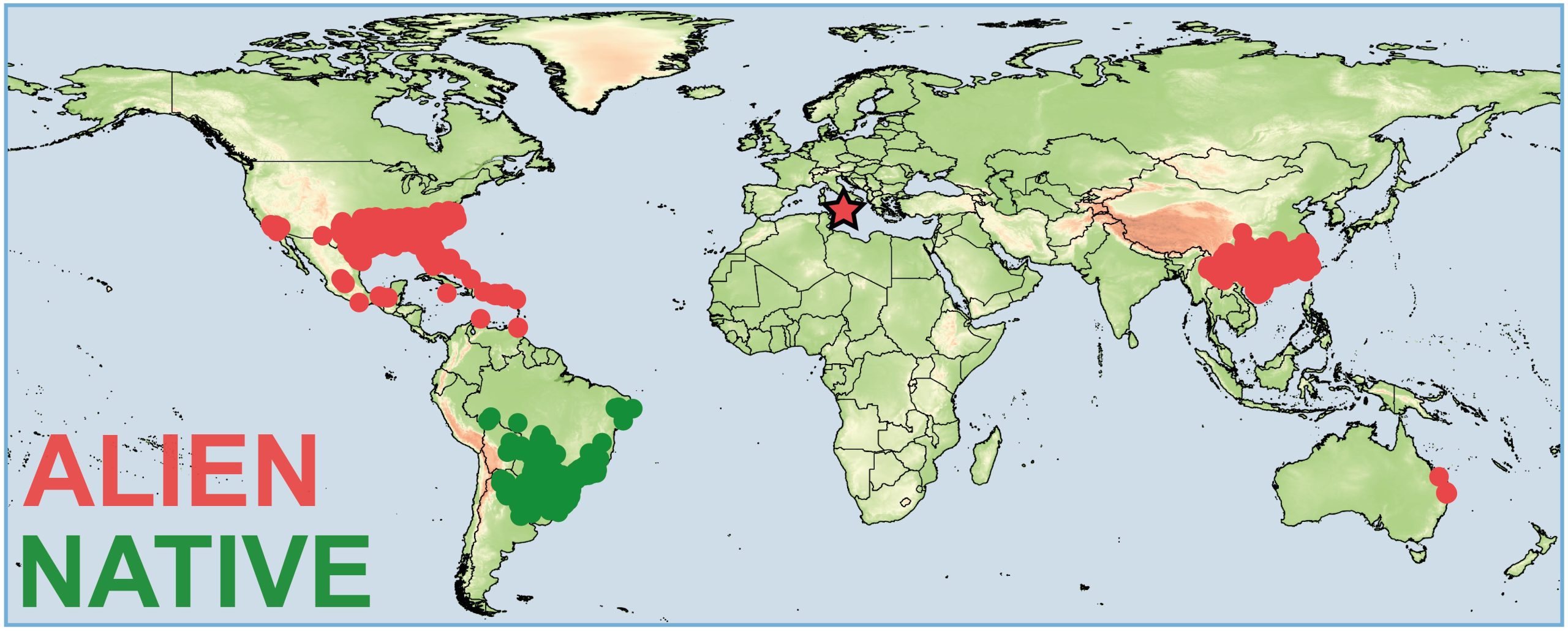
Although it originated in South America, S. invicta has spread quickly, flying into wind streams to travel farther on the local level. But humans have also helped it spread both through the maritime trade industry and by shipping plant products, enabling it to establish in Australia, China, the Caribbean, Mexico, and throughout the United States in less than a century. Europe has evaded them for longer than expected, say the researchers.
“There are a vast number of alien ant species currently establishing in Europe, and the absence of this species was kind of a relief,” says Menchetti. “For decades, scientists have feared that it would arrive. We could not believe our eyes when we saw it.”
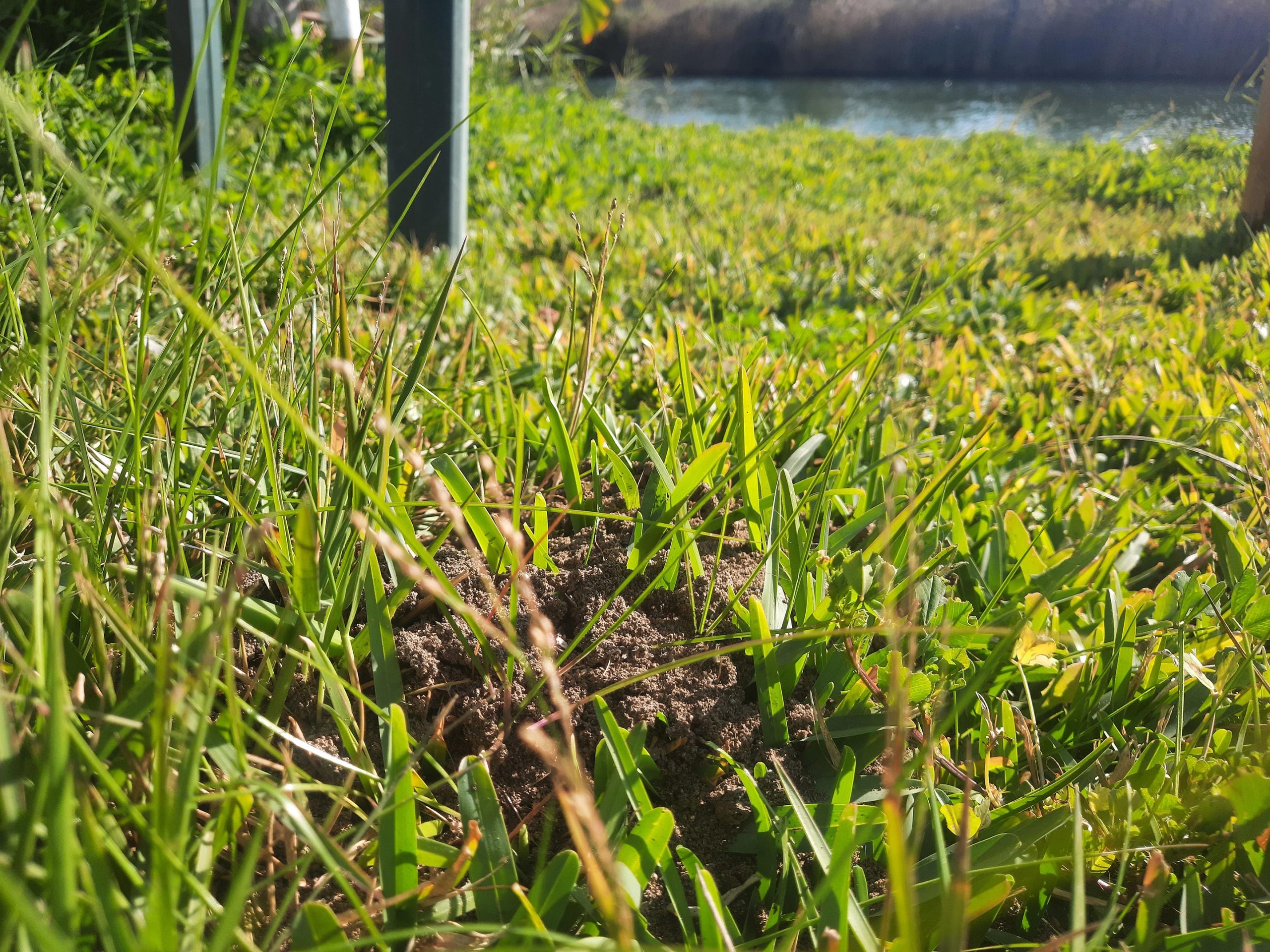
After seeing photos taken in Sicily of what looked like S. invicta, the researchers took a trip to the region to confirm the ants’ identity and collect samples. They found a total of 88 nests in a 4.7-hectare area next to a river, some of which housed many thousands of worker ants. After speaking with locals, the researchers learned that people in the Sicilian region had been getting stung—and frequently—for several years. “The locals have been experiencing these painful things since at least 2019, so the ants have probably been there for a while,” says Menchetti. “And the real extension of the invaded area is probably larger.”
Origins and Predictions
The team suspects that this wasn’t S. invicta’s first point of arrival in Europe. Although they couldn’t determine how exactly S. invicta got into Italy, after analyzing the DNA of the Sicilian queen ants and comparing it with the genomes of ants from all over the world, the researchers concluded that this particular population likely came from either the US or China.
Next, the authors analyzed the local wind patterns in Sicily to see how the ants might spread now that they’re in Europe. They also put together a comprehensive model to determine how suitable the rest of Europe and the Mediterranean area will be for the species—and whether climate change will be a factor.
According to the model, 7% of the European continent is suitable for S. invicta given current environmental conditions, and climate change will likely expedite their spread and population growth even further. They also found that urban areas are particularly at risk. In fact, 50% of Europe’s cities are vulnerable to invasion. “This is especially concerning because many of the cities, including London, Amsterdam, and Rome, have large seaports, which could allow the ants to spread rapidly to more countries and continents,” says senior author Roger Vila, who is also from the Institute of Evolutionary Biology in Spain.
Eradication and Public Involvement
Given that the only place that has successfully eradicated the invaders is New Zealand, the researchers plan to base their interventions on what worked there and on efforts currently underway in China. To start, they’ll systematically inspect local areas to see if the species has already reached them. Then, they’ll begin a multi-year treatment plan to eradicate the nests and monitor the invaded sites carefully to make sure there aren’t any resurgences. The authors stress the importance of getting the public involved as much as possible to help monitor the ants’ spread.
“Citizens can play a very important role in this,” says Menchetti. “We hope that, with their help, we will be able to cover a wider area. This will help us track and spot all the possible areas invaded in the region.” The team hopes to organize citizen science programs in which people would look for S. Invicta and take photos if they think they’ve found the ants. The specialists would then double-check to confirm that it’s the right ant species—an important step because many European ants make similar-looking nests.
“There needs to be more awareness about this problem because the problem is already in Europe,” says Menchetti. “We need coordinated action, and we need it now.”
Reference: “The fire ant Solenopsis invicta is established in Europe” by Mattia Menchetti, Enrico Schifani, Antonio Alicata, Laura Cardador, Elisabetta Sbrega, Eric Toro-Delgado and Roger Vila, 11 September 2023, Current Biology.
DOI: 10.1016/j.cub.2023.07.036
This research was supported by funding from the “la Caixa” Foundation, a Beatriu de Pinós fellowship, and the Secretaria d’Universitats i Recerca 91 (Departament de Recerca i Universitats, Generalitat de Catalunya) with a Joan Oró predoctoral 92 program grant and the European Social Fund Plus.
Never miss a breakthrough: Join the SciTechDaily newsletter.
Follow us on Google and Google News.