
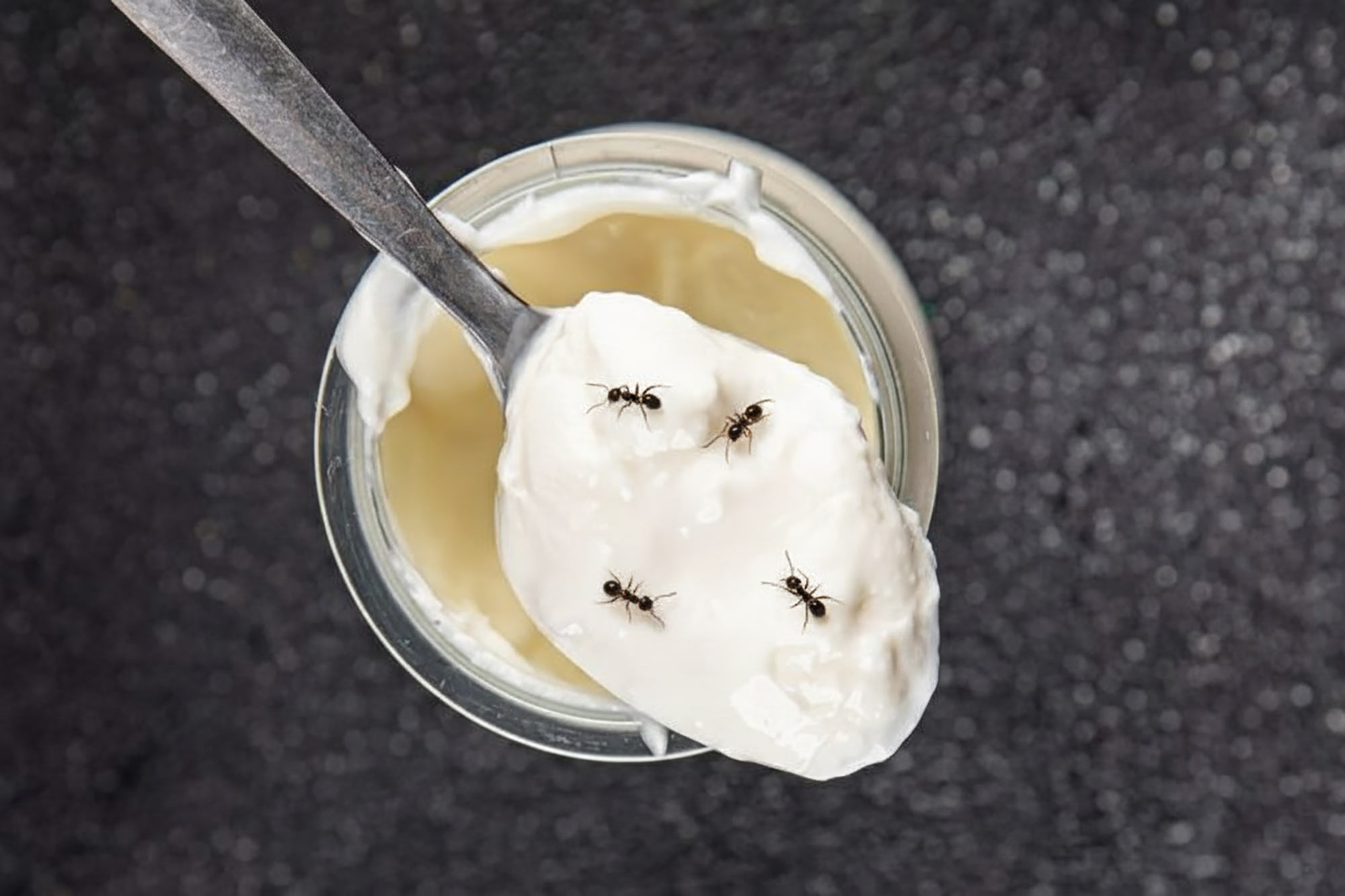
Scientists recreated ant-based yogurt and revealed how insect microbes enable fermentation.
Researchers have revived a nearly forgotten yogurt-making tradition that was once widespread across the Balkans and Turkey, using ants as the key ingredient. In a study published in the Cell Press journal iScience, the team demonstrated that the bacteria, acids, and enzymes found in ants can trigger milk fermentation, transforming it into yogurt.
Their findings show how rediscovering traditional food techniques can inspire innovative directions in modern food science and add a creative touch to gastronomy.
“Today’s yogurts are typically made with just two bacterial strains,” says senior author Leonie Jahn from the Technical University of Denmark. “If you look at traditional yogurt, you have much bigger biodiversity, varying based on location, households, and season. That brings more flavors, textures, and personality.”
Tracing the roots of ant yogurt
Red wood ants (Formica species) roam the forests of the Balkans and Turkey, where this distinctive yogurt-making practice originated. To better understand how the method worked, the research team visited the Bulgarian village of co-author and anthropologist Sevgi Mutlu Sirakova, where family members and local residents still remembered how the yogurt was made.
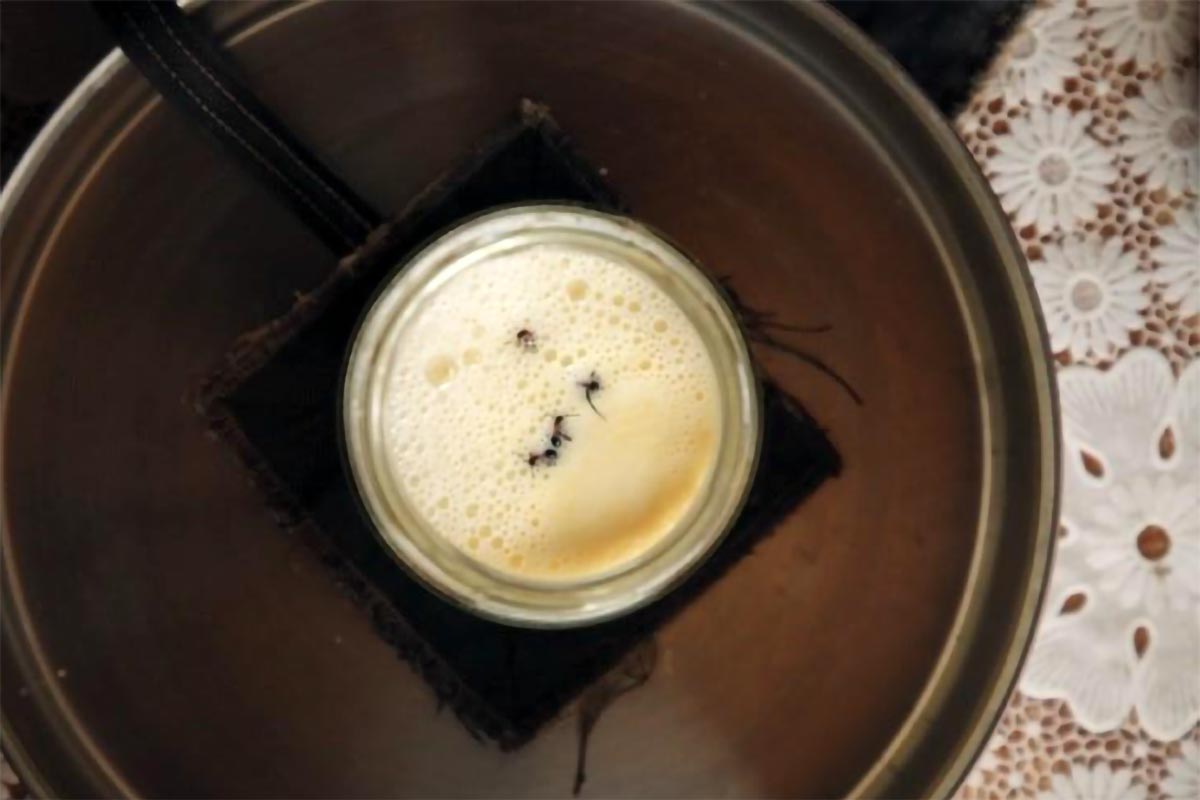
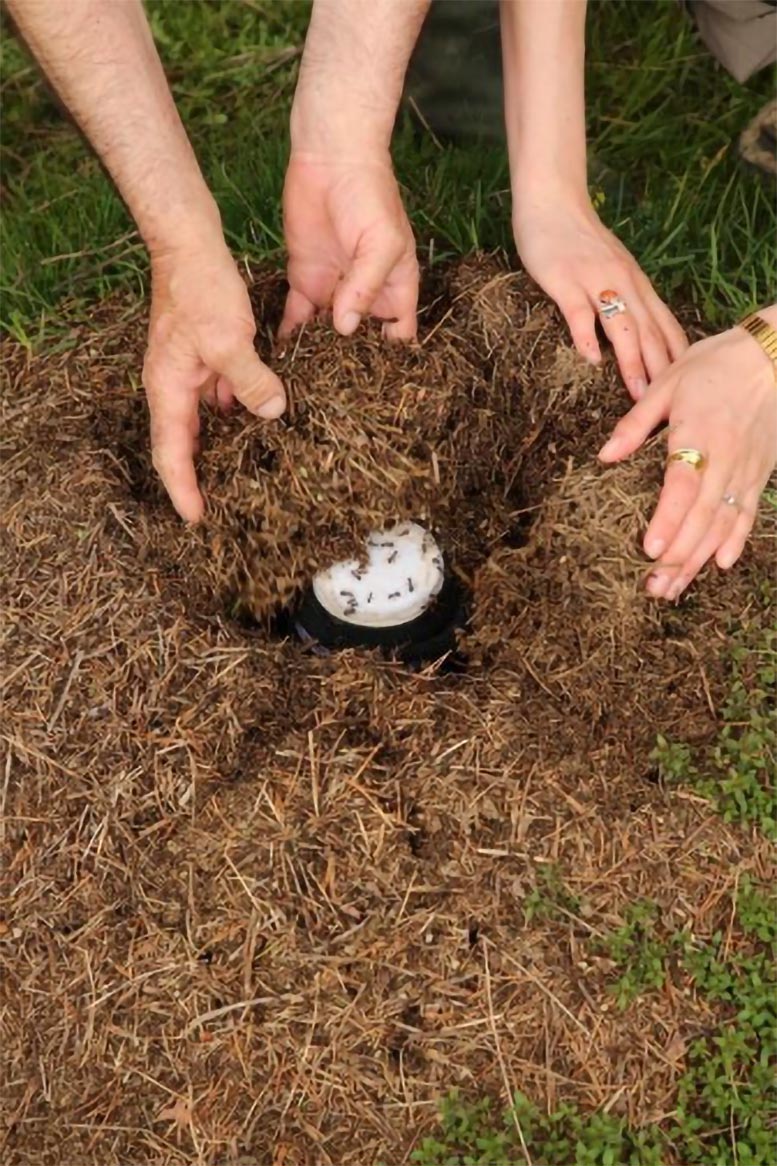
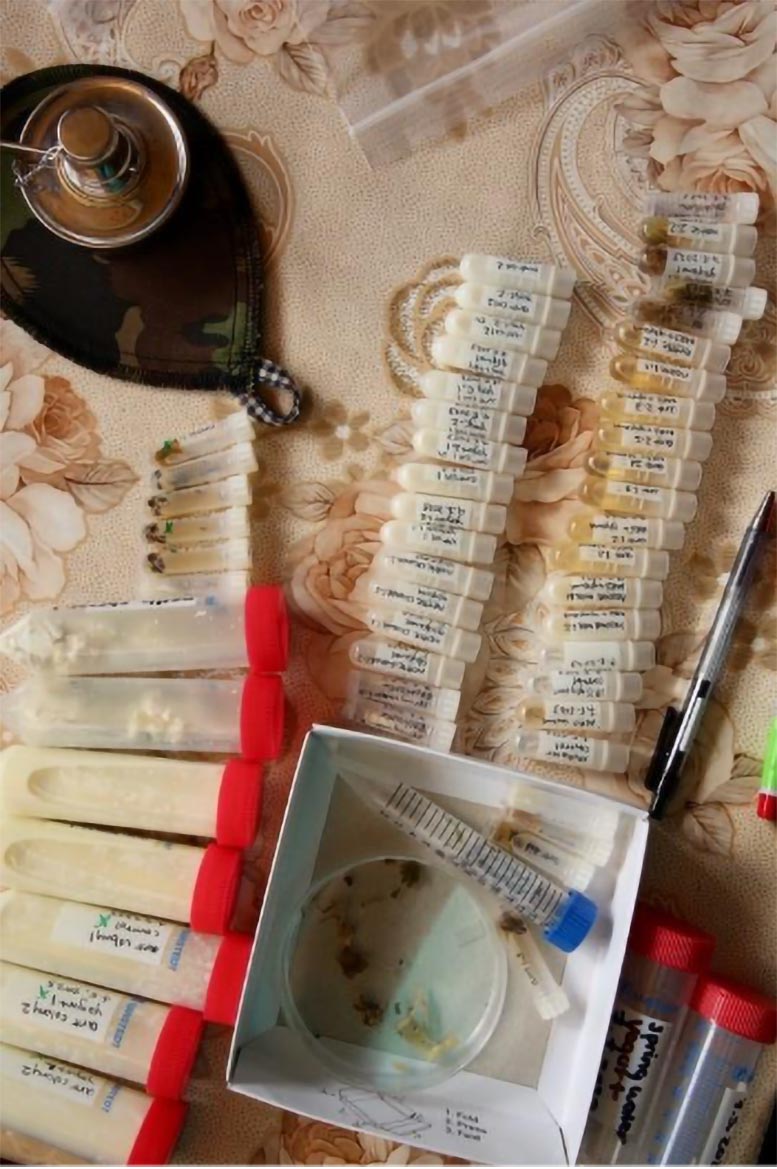
“We dropped four whole ants into a jar of warm milk by the instruction of Sevgi’s uncle and community members,” recalls lead author Veronica Sinotte of the University of Copenhagen, Denmark. The jar was then tucked into an ant mound to ferment overnight. By the next day, the milk had started to thicken and sour. “That’s an early stage of yogurt, and it tasted that way as well.”
When the team sampled the yogurt, they described its flavor as tangy and herbaceous, with subtle notes reminiscent of grass-fed dairy fat.
Understanding the microbiology of fermentation
Back in Denmark, the researchers analyzed the biological process behind ant yogurt. They discovered that ants naturally contain lactic and acetic acid bacteria. The acids released by these bacteria help the milk thicken and set. One of the bacterial types was found to be closely related to that used in commercial sourdough.
The insects themselves also help in the yogurt-making process. Formic acid, which is part of the ant’s natural chemical defense system, acidifies the milk, affects its texture, and likely creates an environment for yogurt’s acid-loving microbes to thrive, say the researchers. Enzymes from the ant and the microbes work in tandem to break down milk proteins and turn milk into yogurt.
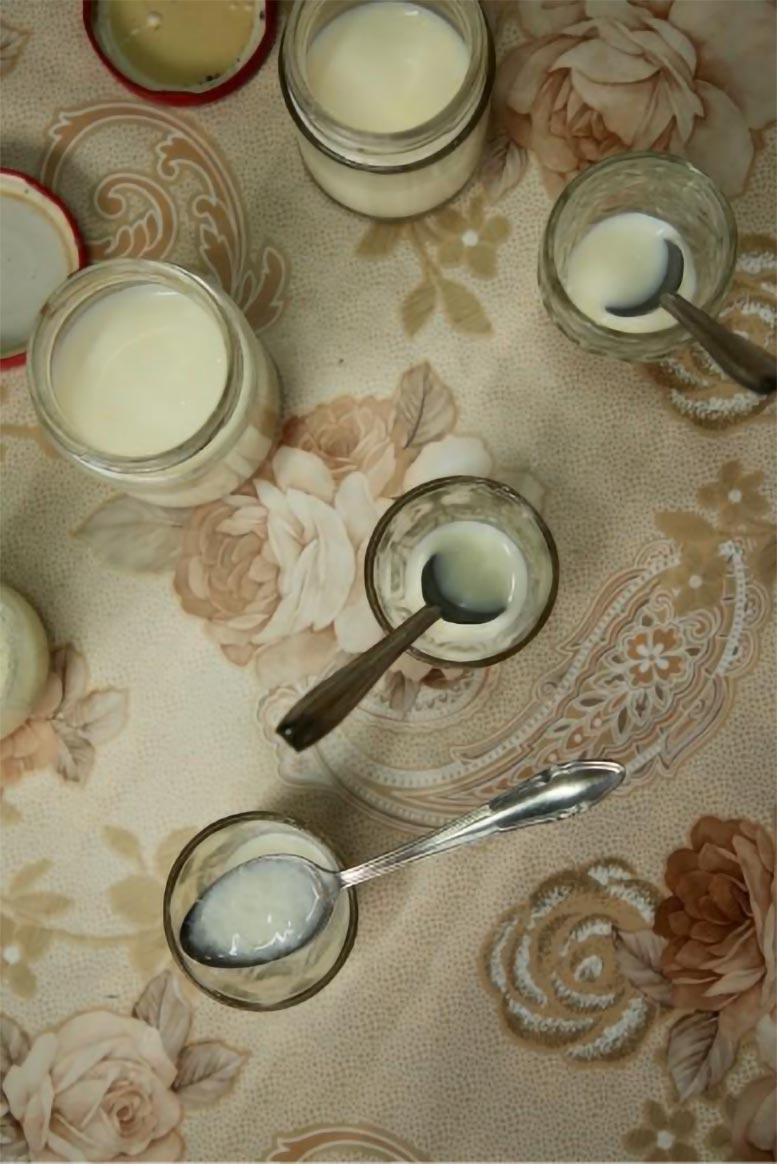
The researchers compared yogurts made with live, frozen, and dehydrated ants. Only live ants seeded the right microbial community, meaning they are best suited for yogurt making. However, the team found that caution was necessary to make sure the ant products were safe to consume: live ants can harbor parasites, and freezing or dehydrating ants can sometimes allow harmful bacteria to flourish.
Bringing ancient flavors to modern cuisine
To test out the contemporary culinary possibilities of ant yogurt, the team then partnered with chefs at Alchemist, a two-star Michelin restaurant in Copenhagen, Denmark, who gave the traditional yogurt a modern twist. They served guests several concoctions, including yogurt ice-cream sandwiches shaped like an ant, mascarpone-like cheeses with a pungent tang, and cocktails clarified with a milk wash—all inspired by ant yogurt and using the insect as a key ingredient.
“Giving scientific evidence that these traditions have a deep meaning and purpose, even though they might seem strange or more like a myth, I think that’s really beautiful,” says Jahn.
“I hope people recognize the importance of community and maybe listen a little closer when their grandmother shares a recipe or memory that seems unusual,” says Sinotte. “Learning from these practices and creating space for biocultural heritage in our foodways is important.”
Reference: “Making yogurt with the ant holobiont uncovers bacteria, acids, and enzymes for food fermentation” by Veronica M. Sinotte, Verónica Ramos-Viana, Diego Prado Vásquez, Sevgi Mutlu Sirakova, Nabila Rodríguez Valerón, Ana Cuesta-Maté, Shannara K. Taylor Parkins, Julia Giecko, Esther Merino Velasco, David Zilber, Rasmus Munk, Sandra B. Andersen, Robert R. Dunn and Leonie J. Jahn, 3 October 2025, iScience.
DOI: 10.1016/j.isci.2025.113595
This work was supported by the Danish National Research Foundation Center for Evolutionary Hologenomics and the Novo Nordisk Foundation.
Never miss a breakthrough: Join the SciTechDaily newsletter.
Follow us on Google and Google News.
5 Comments
So many questions….do the ants die in the process? Do they drown in the yogurt/milk? Are they removed before humans eat the yogurt or do they eat the ants in the yogurt? If they do eat the ants in the yogurt, do people in Turkey and the Balkans eat ants in other ways, too? Or do the ants survive and are removed and set free before humans eat the yogurt?
I googled it…the ants die and are removed before humans eat the yogurt.
Could other species of ants also make good yogurt?
Why? or why not?
Did anybody ask the ants if they’re okay with this?
They did in fact and as it turns out they are totally fine with it and in fact quite enjoy the process!
Their last supper