
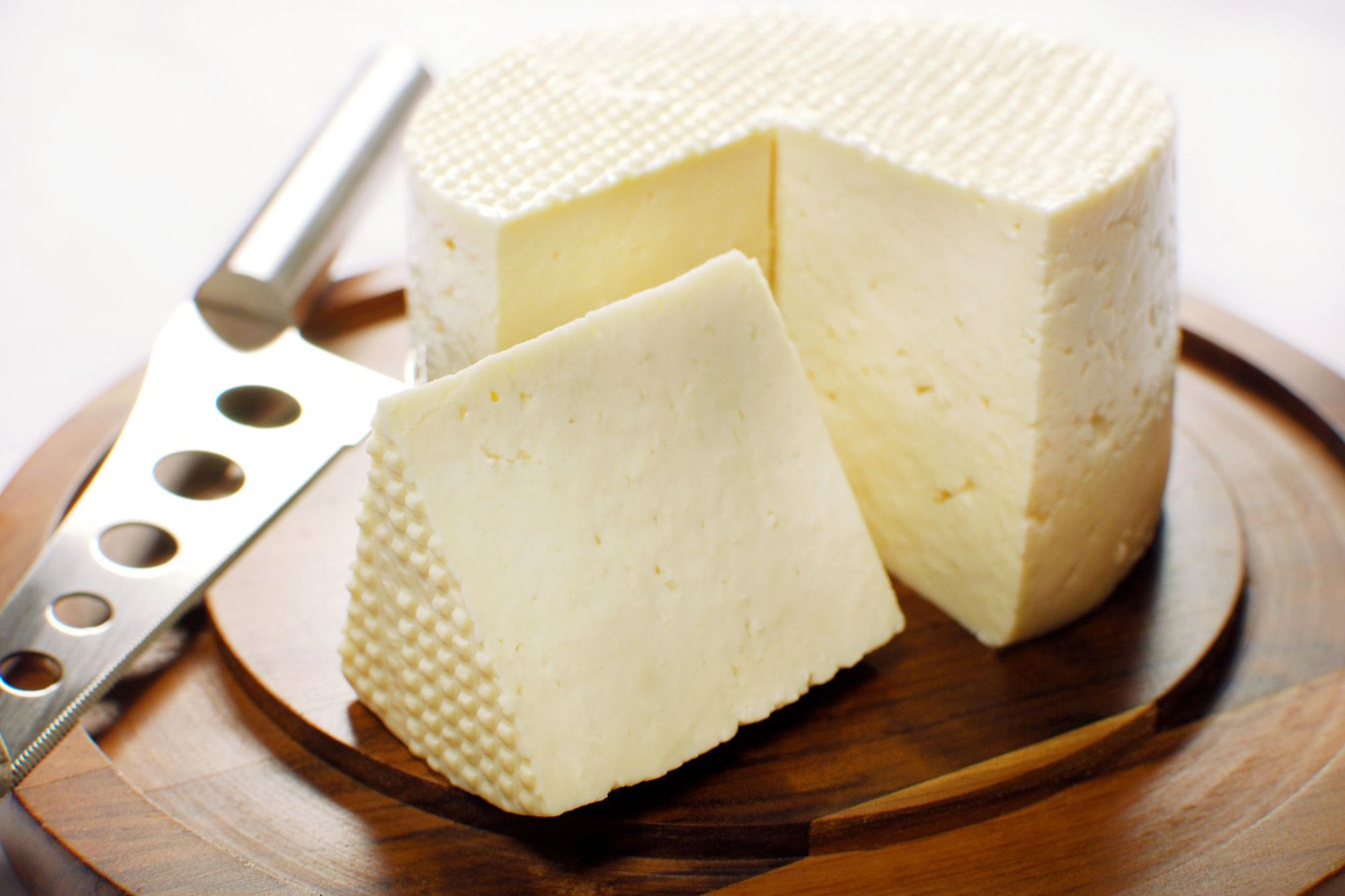
In a new paper, researchers from Brazil discuss the benefits of three Lactobacillus bacteria strains for human health and their applications in the cheese industry.
Research conducted at the Center for Dairy Technology (Tecnolat) in Campinas, São Paulo state, Brazil, has identified lactic acid bacteria (LAB) that have probiotic properties and are beneficial to human health in samples of traditional Brazilian cheeses. Tecnolat is part of the Food Technology Institute (ITAL), an arm of the São Paulo State Department of Agriculture and Supply.
The researchers analyzed three strains of bacteria belonging to the genus Lactobacillus from Tecnolat’s bacterial strain bank. The bacteria were isolated from traditional Brazilian cheeses, such as Prato and Minas, for example. These and other LAB are recognized for their probiotic potential and are widely used by the food industry in products such as yogurt, kombucha, and kefir, as well as cheese.
“We selected these strains after screening the entire strain bank to see which isolates had been found to have the best fermentative, enzymatic, and sensory properties in previous research conducted at Tecnolat,” said Cristian Mauricio Barreto Pinilla, first author of the article and a researcher at ITAL with a PhD in food science and technology.

Genome Sequencing and Functional Testing
The next step was to obtain the complete genomes of the isolates so as to identify them correctly and evaluate their functional properties and safety. This was followed by in vitro tests to confirm that the bacteria were safe and probiotic.
“We analyzed this information, focusing on the technological properties of the isolates, with a view to producing pilot batches of Prato cheese containing each of the three strains. We also studied the changes in physicochemical parameters, bacterial communities, volatile compounds [responsible for aroma and flavor], and fatty acids during cheese ripening,” Barreto explained.
The study was supported by FAPESP and reported in an article published in the journal Current Microbiology. The findings show that all three Lactobacillus isolates are safe for consumption, have potential as novel probiotics, and have strong inhibitory effects against some of the pathogens that may be present in dairy produce. Furthermore, none of the three strains significantly affected the physicochemical composition of the cheese containing them in terms of fatty acid and protein profiles.
“We also observed a drop in levels of undesirable volatile compounds during longer maturation periods for cheeses containing the cultures, but each strain produced a different profile in this regard,” Barreto said, explaining that this is important for diversification, quality, and shelf life of cheeses with a maturation period of more than 25 days. “We need to find out more about certain aspects, such as a possible reduction in deteriorating and pathogenic microorganisms in cheese due to the action of our Lactobacillus strains.”
Industrial and Market Potential
The conclusions met the aim of the study, he said, which was to analyze Lactobacillus strains derived from Brazilian biodiversity with probiotic and technological properties suitable for use in cheese production so as to enhance the sensory diversity and microbiological quality of the products, while also benefiting the health of consumers.
“This kind of microorganism is easy to produce industrially, favoring studies designed to optimize the use of low-cost nutrients such as serum. Research along these lines is relevant to the needs of the cheese industry, which has significant growth potential but is cramped by the limited market for probiotics, dominated by large multinational companies,” he said.
Although microbial culture technology is well-established in the multinationals that supply cultures to Brazil, it is necessary to develop local companies with the capacity to produce cultures for traditional Brazilian products that are competitive and meet the needs of small and medium producers for high-quality products with enhanced sensory properties, he added.
The studies conducted by the team to date have had good results, but more research is needed for the industry to be able to use these strains and to ensure their classification as probiotics. “We need to conduct tests in an animal model, followed by clinical trials that enable us to comply with the regulatory requirements. These procedures take time and are costly,” Barreto said.
Reference: “Probiotic Potential and Application of Indigenous Non-Starter Lactic Acid Bacteria in Ripened Short-Aged Cheese” by Cristian Mauricio Barreto Pinilla, Adriano Brandelli, Henrique Ataíde Isaia, Frank Guzman, Marco Antônio Sundfeld da Gama, Leila Maria Spadoti and Adriana Torres Silva e Alves, 3 June 2024, Current Microbiology.
DOI: 10.1007/s00284-024-03729-2
Never miss a breakthrough: Join the SciTechDaily newsletter.
Follow us on Google and Google News.
3 Comments
I’ll save you some time. The National Council for Scientific and Technological Development (CNPq, Conselho Nacional de Desenvolvimento Científico e Tecnológico) funded this study. They are a Brazilian government agency charged with the promotion of science and technology beneficial to Brazil’s economic interests, in other words encouraging you to buy their cheese. The study authors found lactobacilli in Brazilian cheese, ” suggesting that the three strains evaluated have probiotic properties”. The discovery of cheese-ripening bacteria they had put in the cheese is in the cheese, and that the lactobacilli they put in cheese are non-toxic, has rocked the scientific world to its tangy core.
Well spotted!
Explains the soccer success.