
Close Menu
    Facebook X (Twitter) Instagram
    SciTechDaily
    • Biology
    • Chemistry
    • Earth
    • Health
    • Physics
    • Science
    • Space
    • Technology
    Facebook X (Twitter) Pinterest YouTube RSS
    SciTechDaily
    Home»Space»Harnessing Sunbeams for Space Travel: NASA’s Solar Sail Mission Successfully Phones Home
    Space

    Harnessing Sunbeams for Space Travel: NASA’s Solar Sail Mission Successfully Phones Home

    By NASAMay 1, 2024No Comments2 Mins Read
    Facebook Twitter Pinterest Telegram LinkedIn WhatsApp Email Reddit
    Share
    Facebook Twitter LinkedIn Pinterest Telegram Email Reddit
    NASA Advanced Composite Solar Sail System Spacecraft
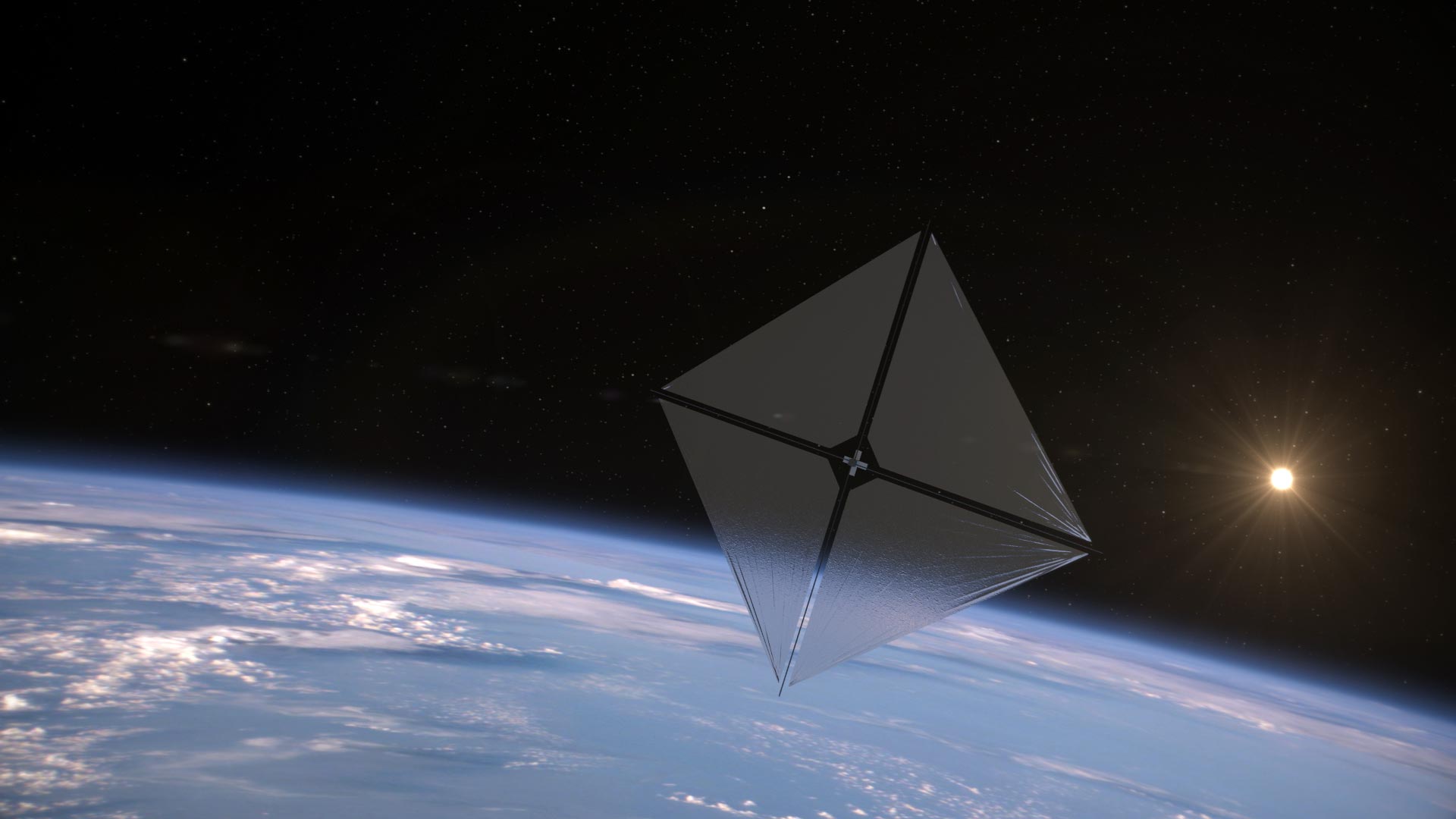
    This artist’s concept shows the Advanced Composite Solar Sail System spacecraft sailing in space using the energy of the Sun. Credit: NASA/Aero Animation/Ben Schweighart

    NASA’s Advanced Composite Solar Sail System has successfully established communication with ground operators and is testing innovative solar sail technology that could revolutionize space travel.

    NASA’s Advanced Composite Solar Sail System has now connected with ground operators following its April 23 launch aboard Rocket Lab’s Electron rocket. The satellite is on its way to testing next-generation solar sail technology, which uses the power of sunlight to propel a spacecraft. The results from this mission will advance future space travel to expand our understanding of our Sun and solar system.

    The spacecraft was successfully delivered to a type of low Earth orbit called a Sun-synchronous orbit. All systems show that the spacecraft is operational and healthy. Last night at 11:30 p.m. PDT (2:30 a.m. EDT), the microwave oven-sized CubeSat passed over the ground hub located at Santa Clara University’s Robotics Systems Lab in Santa Clara, California, and the mission team confirmed successful two-way communications.

    Next, the CubeSat will undergo a one- to two-month commissioning phase to prepare for the solar sail deployment and maneuvering test. At this time, the sail remains within the body of the CubeSat. The mission operations team will set a date to unfurl the sail after all commissioning tasks have been completed. Once ready, the spacecraft will unroll it solar sail via four booms that span the diagonals of the square and unspool to reach 23 feet (about 7 meters) in length.

    NASA Ames manages the Advanced Composite Solar Sail System project and designed and built the onboard camera diagnostic system. NASA Langley designed and built the deployable composite booms and solar sail system. NASA’s Small Spacecraft Technology (SST) program office based at NASA Ames and led by the agency’s Space Technology Mission Directorate (STMD), funds and manages the mission. NASA STMD’s Game Changing Development program developed the deployable composite boom technology. Rocket Lab USA, Inc of Long Beach, California is providing launch services. NanoAvionics is providing the spacecraft bus.

    Never miss a breakthrough: Join the SciTechDaily newsletter.
    Follow us on Google and Google News.

    NASA Popular Rocket Lab Solar Sail
    Share. Facebook Twitter Pinterest LinkedIn Email Reddit

    Related Articles

    Tumbling in Orbit: NASA’s Test of Advanced Solar Sail Technology Encounters Early Challenges

    Look Up! Catch a Glimpse of NASA’s Giant Solar Sail Gliding Above

    Liftoff! NASA’s Next-Generation Solar Sail Boom Technology Launched

    Autonomous Invasion: NASA’s Starling Mission Sending Swarm of Satellites Into Orbit

    Swarm Intelligence in Space: NASA’s Starling CubeSats Ready To Test Critical Technology

    CAPSTONE Leaves Earth Orbit, Headed to the Moon

    NASA CAPSTONE Launches Successfully – Will Test New Lunar Orbit for Artemis Moon Missions

    Innovative Diffractive Solar Sail Funded by NASA Could Take Science to Exciting New Destinations

    Sailing on Sunlight, NASA’s NEA Scout Will Capture Images of an Asteroid for Scientific Study

    Leave A Reply Cancel Reply

    • Facebook
    • Twitter
    • Pinterest
    • YouTube

    Don't Miss a Discovery

    Subscribe for the Latest in Science & Tech!

    Trending News

    Common Laxative May Help Reverse Depression-Related Brain Fog

    Younger Generations Are Aging Faster – and It May Be Fueling a Surge in Cancer

    New Discovery Could Unlock Quantum Computers the Size of a Coin

    Shingles Vaccine Linked to 24% Lower Dementia Risk in Older Adults

    Scientists Found a Wordle Trick That Solves 99% of Puzzles

    A Hidden Galaxy Called Shadow Blaster May Explain One of Astronomy’s Biggest Mysteries

    These 3 Common Sleep Habits May Be Aging Your Brain Faster

    Rare Goblin Shark Spotted Alive in Its Natural Habitat for the First Time

    Follow SciTechDaily
    • Facebook
    • Twitter
    • YouTube
    • Pinterest
    • Newsletter
    • RSS
    SciTech News
    • Biology News
    • Chemistry News
    • Earth News
    • Health News
    • Physics News
    • Science News
    • Space News
    • Technology News
    Recent Posts
    • Scientists Discover Quantum Entanglement in a Crystal You Can Hold
    • Scientists Create Tiny “Mini Livers” That Could One Day Replace Liver Transplants
    • This Surprising Factor May Predict Heart Disease Decades Before It Strikes
    • New Nonsurgical Knee Treatment Delivers Lasting Pain Relief
    • Scientists Discover Hidden Rule That Could Make Fuel Cells Cheaper and More Powerful
    Copyright © 1998 - 2026 SciTechDaily. All Rights Reserved.
    • Science News
    • About
    • Contact
    • Editorial Board
    • Privacy Policy
    • Terms of Use

    Type above and press Enter to search. Press Esc to cancel.