
Close Menu
    Facebook X (Twitter) Instagram
    SciTechDaily
    • Biology
    • Chemistry
    • Earth
    • Health
    • Physics
    • Science
    • Space
    • Technology
    Facebook X (Twitter) Pinterest YouTube RSS
    SciTechDaily
    Home»Health»Brain Battles: How Stress Wipes Out Your Cognitive Reserve
    Health

    Brain Battles: How Stress Wipes Out Your Cognitive Reserve

    By Karolinska InstitutetJune 4, 20241 Comment3 Mins Read
    Facebook Twitter Pinterest Telegram LinkedIn WhatsApp Email Reddit
    Share
    Facebook Twitter LinkedIn Pinterest Telegram Email Reddit
    Tired Bad Sleep Poor Brain Health
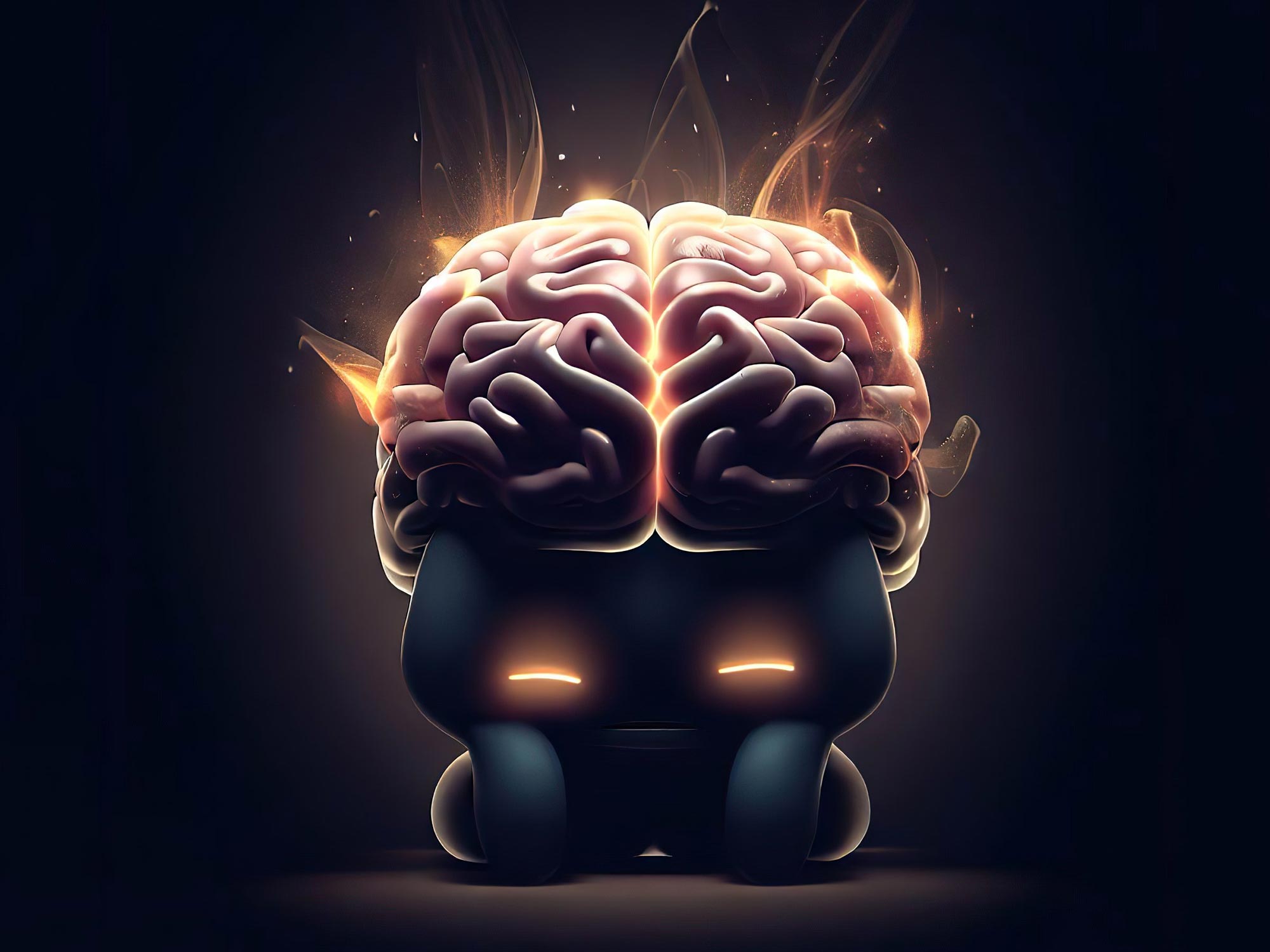
    Researchers found that higher cognitive reserve improves cognition but is negatively impacted by physiological stress. This study highlights potential clinical applications for stress management in Alzheimer’s prevention. Credit: SciTechDaily.com

    Mentally stimulating activities and life experiences can improve cognition in memory clinic patients, but stress undermines this beneficial relationship. This is according to a new study from Karolinska Institutet published in Alzheimer’s & Dementia: The Journal of the Alzheimer’s Association.

    In the late 1980s, researchers discovered that some individuals who showed no apparent symptoms of dementia during their lifetime had brain changes consistent with an advanced stage of Alzheimer’s disease. Since then it has been postulated that so-called cognitive reserve might account for this differential protective effect in individuals.

    Cognitively stimulating and enriching life experiences and behaviors such as higher educational attainment, complex jobs, continued physical and leisure activities, and healthy social interactions help build cognitive reserve. However, high or persistent stress levels are associated with reduced social interactions, impaired ability to engage in leisure and physical activities, and an increased risk of dementia.

    Study on Cognitive Reserve and Stress

    Researchers from Karolinska Institutet have now examined the association between cognitive reserve, cognition, and biomarkers for Alzheimer’s disease in 113 participants from the memory clinic at the Karolinska University Hospital, Huddinge, Sweden. They also examined how this association is modified by physiological stress (cortisol levels in saliva) and psychological (perceived) stress.

    Greater cognitive reserve was found to improve cognition, but interestingly, physiological stress appeared to weaken the association.

    “These results might have clinical implications as an expanding body of research suggests that mindfulness exercises and meditation may reduce cortisol levels and improve cognition,” says the study’s lead author Manasa Shanta Yerramalla, researcher at the Department of Neurobiology, Care Sciences and Society, Karolinska Institutet. “Different stress management strategies could be a good complement to existing lifestyle interventions in Alzheimer’s prevention.”

    Limitations and Future Research

    The relatively small sample of participants reduces the possibility of drawing robust conclusions, but the results are generalizable to similar patient groups. Moreover, since stress disrupts sleep, which in turn disrupts cognition, the researchers controlled for sleeping medications; they did not, however, consider other aspects of sleep that might impair cognition.

    “We will continue to study the association between stress and sleeping disorders and how it affects the cognitive reserve in memory clinic patients,” says Dr. Yerramalla.

    The study was largely financed by the Swedish Alzheimer’s Foundation, the Swedish Research Council, and Region Stockholm (ALF funding). There are no reported conflicts of interest.

    Reference: “Cognitive reserve, cortisol, and Alzheimer’s disease biomarkers: A memory clinic study” by Manasa Shanta Yerramalla, Alexander Darin-Mattsson, Chinedu T Udeh-Momoh, Jasper Holleman, Ingemar Kåreholt, Malin Aspö, Göran Hagman, Miia Kivipelto, Alina Solomon, Anna Marseglia and Shireen Sindi, 4 June 2024, Alzheimer’s & Dementia.
    DOI: 10.1002/alz.13866

    Never miss a breakthrough: Join the SciTechDaily newsletter.
    Follow us on Google and Google News.

    Alzheimer's Disease Cognition Dementia Karolinska Institutet Neuroscience Popular Stress
    Share. Facebook Twitter Pinterest LinkedIn Email Reddit

    Related Articles

    This Common Type of Medication Is Linked to Slower Cognitive Decline

    Scientists Discover Brain “Switches” That Help Clear Alzheimer’s Plaques

    New Research Indicates That Statins Could Slow Dementia

    Link Discovered Between ADHD and Dementia Across Generations

    COVID-19 Associated With Long-Term Cognitive Dysfunction, Acceleration of Alzheimer’s Symptoms

    Are We Wrong About Alzheimer’s? Researchers Question Prevailing Theory After New Discovery

    Statins Used to Lower Cholesterol Linked to Doubled Risk of Developing Dementia

    Dementia Linked to Poor Kidney Function in New Research

    Identifying “The Terrorist Inside My Husband’s Brain” – Living Brain Imaging Can Clearly Differentiate Between Types of Dementia

    1 Comment

    1. Mumbya ashiraf on June 6, 2024 12:41 pm

      Iwant some of them to stand and help because ilost my mother which heips me to pay school.

      Reply
    Leave A Reply Cancel Reply

    • Facebook
    • Twitter
    • Pinterest
    • YouTube

    Don't Miss a Discovery

    Subscribe for the Latest in Science & Tech!

    Trending News

    Earth’s Oceans Were Slowly Suffocating Millions of Years Before a Devastating Mass Extinction

    Why Are Men Twice As Likely To Develop Parkinson’s? Scientists Discover a Hidden Clue in the Brain

    Scientists Finally Identify Mysterious Creature Nearly 90 Years After It Was First Found

    Einstein’s Equations Reveal an Unusual New Way Space-Time Can Transfer Energy

    Scientists Say This Medication Could Be the Next “Wonder Drug”

    A Mysterious Explosion in Space Just Did Something Scientists Didn’t Expect

    A Nutrient Found in Red Meat Could Make Dangerous Inflammation Even Worse

    Scientists Discover How Dead Stars Could Break One of Physics’ Most Famous Limits

    Follow SciTechDaily
    • Facebook
    • Twitter
    • YouTube
    • Pinterest
    • Newsletter
    • RSS
    SciTech News
    • Biology News
    • Chemistry News
    • Earth News
    • Health News
    • Physics News
    • Science News
    • Space News
    • Technology News
    Recent Posts
    • Researchers Discover Earth May Have Made Its Own Water 4.5 Billion Years Ago
    • NASA’s Parker Solar Probe Discovers Something Unexpected Hidden in the Chaos of Space
    • NASA’s Voyager 1 Is About to Become the First Spacecraft One Light-Day From Earth
    • A Woman Who Lived 30,000 Years Ago Is Changing What We Know About Ice Age Europe
    • 33 Out of 34 Lupus Patients Shared an Immune Cell Abnormality
    Copyright © 1998 - 2026 SciTechDaily. All Rights Reserved.
    • Science News
    • About
    • Contact
    • Editorial Board
    • Privacy Policy
    • Terms of Use

    Type above and press Enter to search. Press Esc to cancel.