
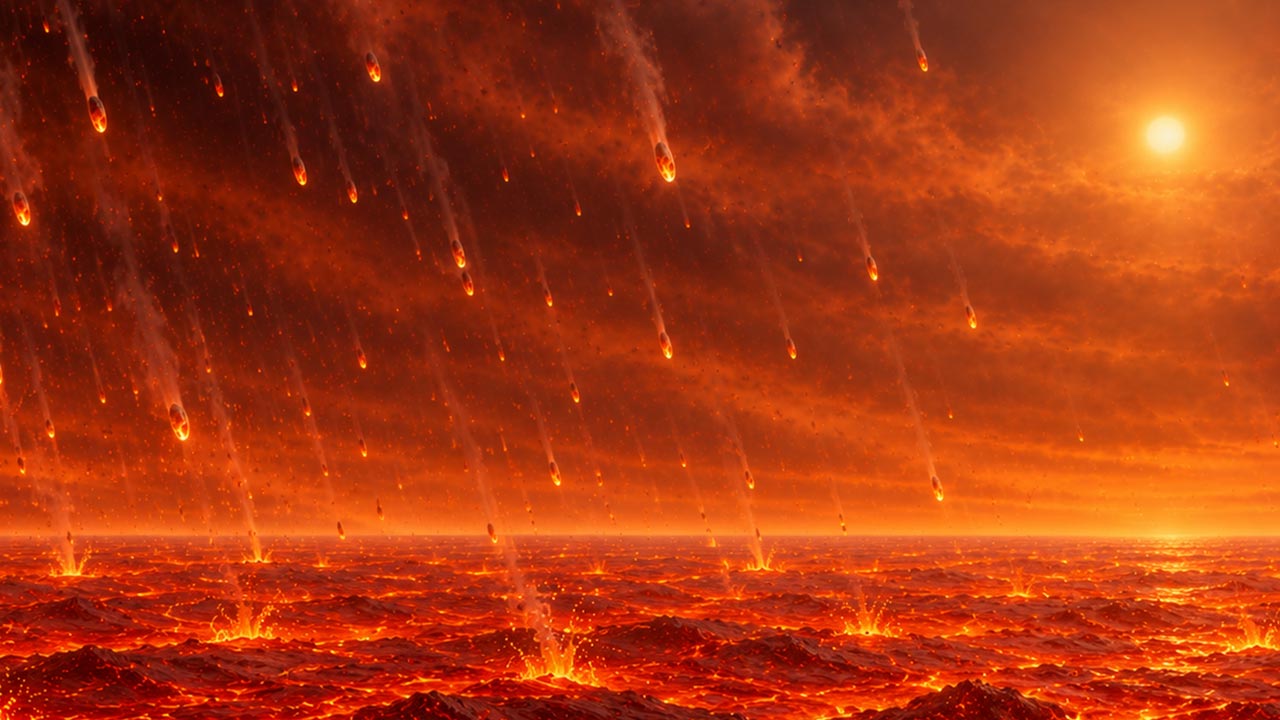
Laboratory experiments suggest that rocky planets could generate their own water as they form, potentially giving distant worlds an essential ingredient for life.
Rocks, hydrogen gas, and intense heat might sound like an unlikely recipe for an ocean. Yet experiments suggest that these ingredients could have produced much of Earth’s water while the planet was still taking shape.
One leading explanation for Earth’s water involves small particles containing ice, known as icy pebbles. These formed in colder regions of the early solar system, where water could remain frozen, and may have carried that water to the growing Earth. Questions remain about how the particles traveled such long distances and whether those deliveries can fully explain Earth’s chemical composition.
Water in minutes from rock and hydrogen
Graduate student Susmita Garai led the new research with Zachary Sharp, professor and director of Earth and Planetary Sciences, and Peter Olson at the University of New Mexico. Their study, published in Nature Geoscience, investigated whether iron-bearing silicate rocks could react with atmospheric hydrogen under conditions resembling those of early planetary formation.
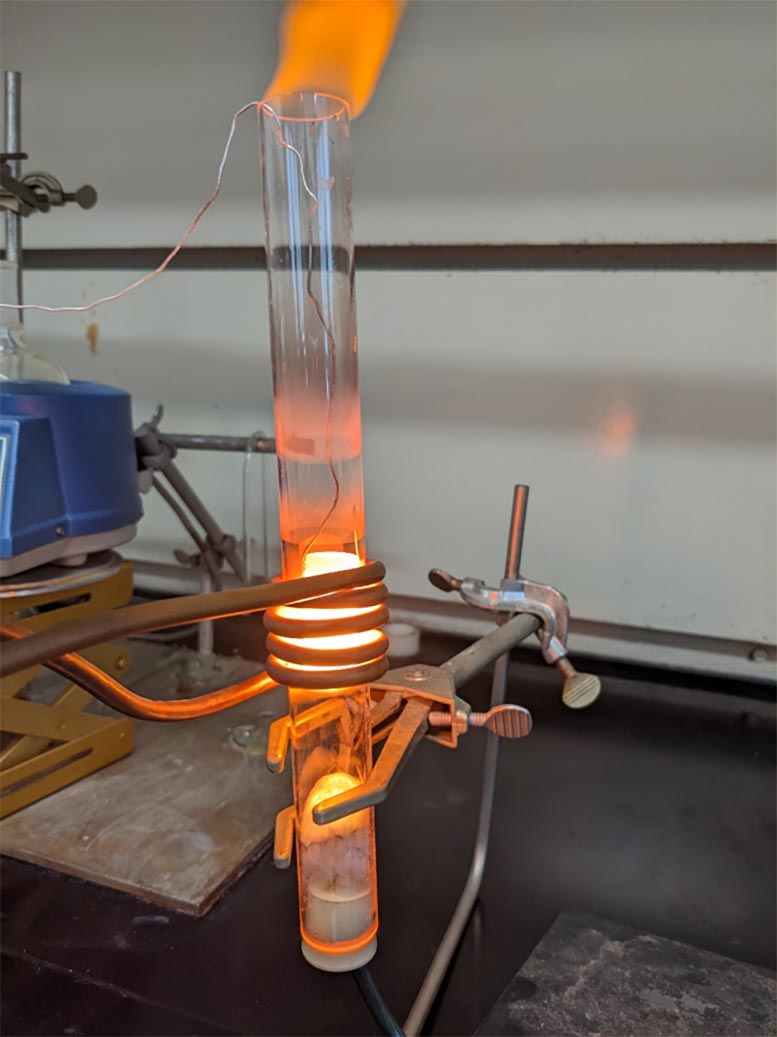
“In order to evaluate the possibility of ‘pebble’ rain’ being a source of water, we needed to construct and execute some very challenging high-temperature experiments. Dr. Garai’s efforts paid off mightily, as she found that water is produced in just minutes in the high-temperature environment of the Early Earth’s atmosphere,” Sharp said.
The researchers heated silicate rock samples to between 1,200 and 1,400 degrees Celsius, or about 2,192 to 2,552 degrees Fahrenheit, in experiments lasting from 15 minutes to three hours. Some samples were exposed to streams of hydrogen. Others were heated in helium for comparison, allowing the team to test hydrogen’s role in the reaction.
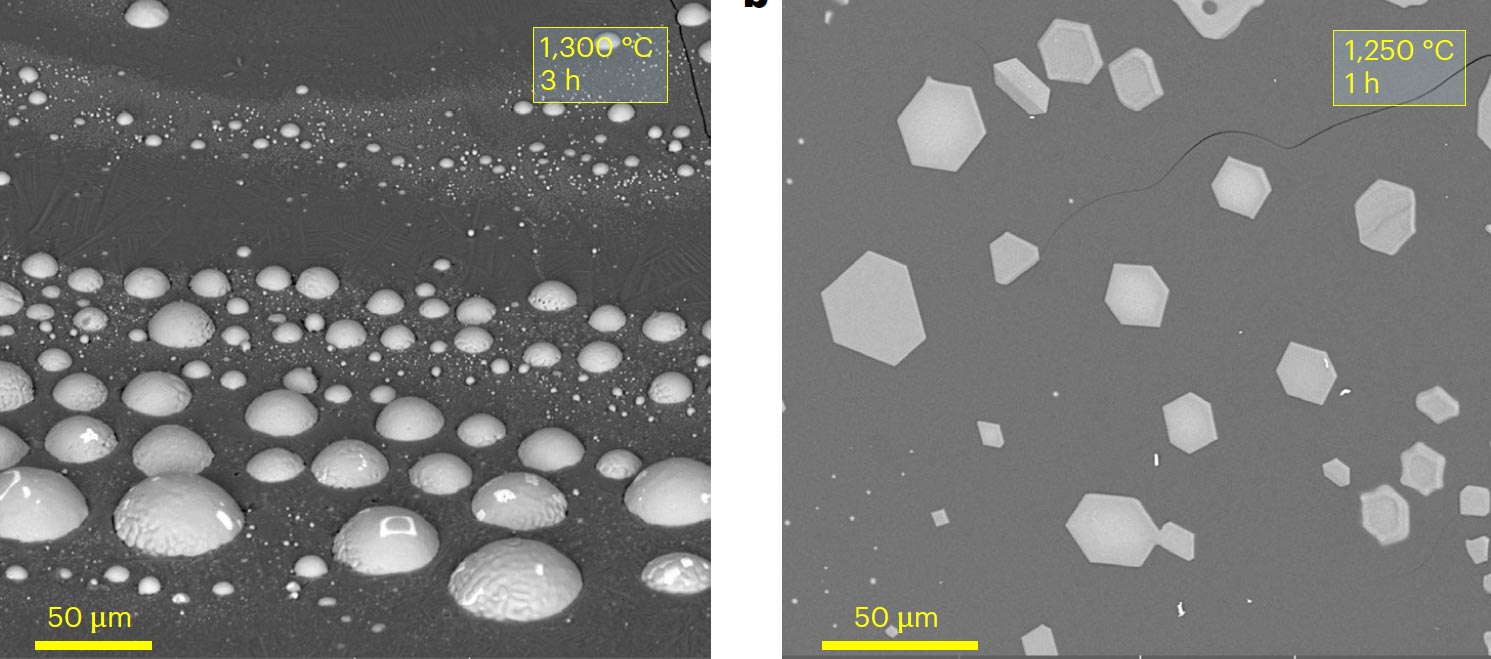
In the hydrogen experiments, nearly 80% of the iron oxide in the samples was converted into metallic iron, producing water vapor in the process. Hydrogen reacted with oxygen bound to iron in the rocks, leaving the iron as metal and forming water. The same reaction did not occur in helium.
Pebble rain could supply Earth’s oceans
“Previous ideas about the source of water to Earth rely on an external source, such as comets or meteorites. Here we show that virtually any Earth-sized planet should have water by this newly identified mechanism,” Sharp explained.
For this chemistry to supply a growing planet with water, rocky material, and hydrogen would need to meet under suitable conditions. That could happen during pebble accretion, a process in which small rocky particles accumulate to build a larger planetary body. Once the growing planet became sufficiently massive, it could develop a hot, high-pressure atmosphere rich in hydrogen. Silicate pebbles falling through that atmosphere could then undergo the water-producing reaction tested in the laboratory.
“We had suspected and hoped that we would produce iron metal and water in our reduction experiments, but we really had no way of knowing how fast and how much. We were quite surprised to find that extrapolation of our work suggests that hundreds of oceans worth of water were likely produced in this way. Looking out over a large body of water, it is hard to imagine that that water may have been produced 4 ½ billion years ago in a hell-like atmosphere, but it very well may have,” said Sharp.
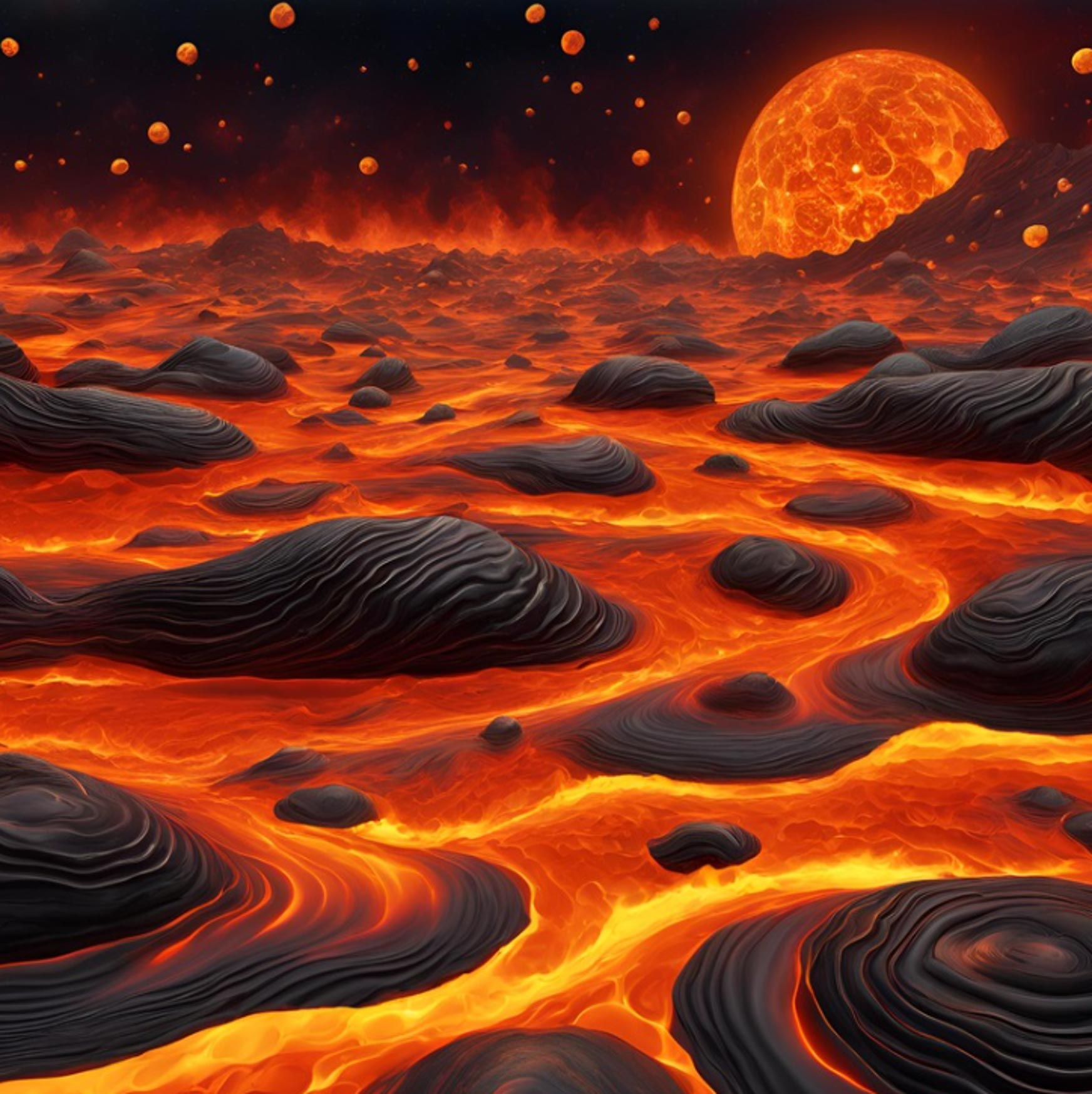
Earth-sized worlds could make their own water
If comparable conditions developed around other rocky planets during their formation, the reaction could provide a widespread route to water on Earth-sized worlds beyond our solar system.
“The idea of pebble accretion is still relatively new. It’s only been around for the last decade. But it seems to solve many problems that exist with the existing paradigm for planet formation,” Sharp said. “And now we see that it also can explain why our planet is habitable. By extension, it is reasonable to expect that other Earth-sized bodies circling other stars would also have water and possibly life.”
The experiments demonstrate a potential mechanism for producing water during planetary formation. Determining how much of Earth’s water actually originated this way will require further research.
Reference: “Dry pebble rain could have delivered water to Earth through hydrogen reduction of iron oxide”, 12 October 2026, Nature Geoscience.
DOI: 10.1038/s41561-026-02138-3
Never miss a breakthrough: Join the SciTechDaily newsletter.
Follow us on Google and Google News.