
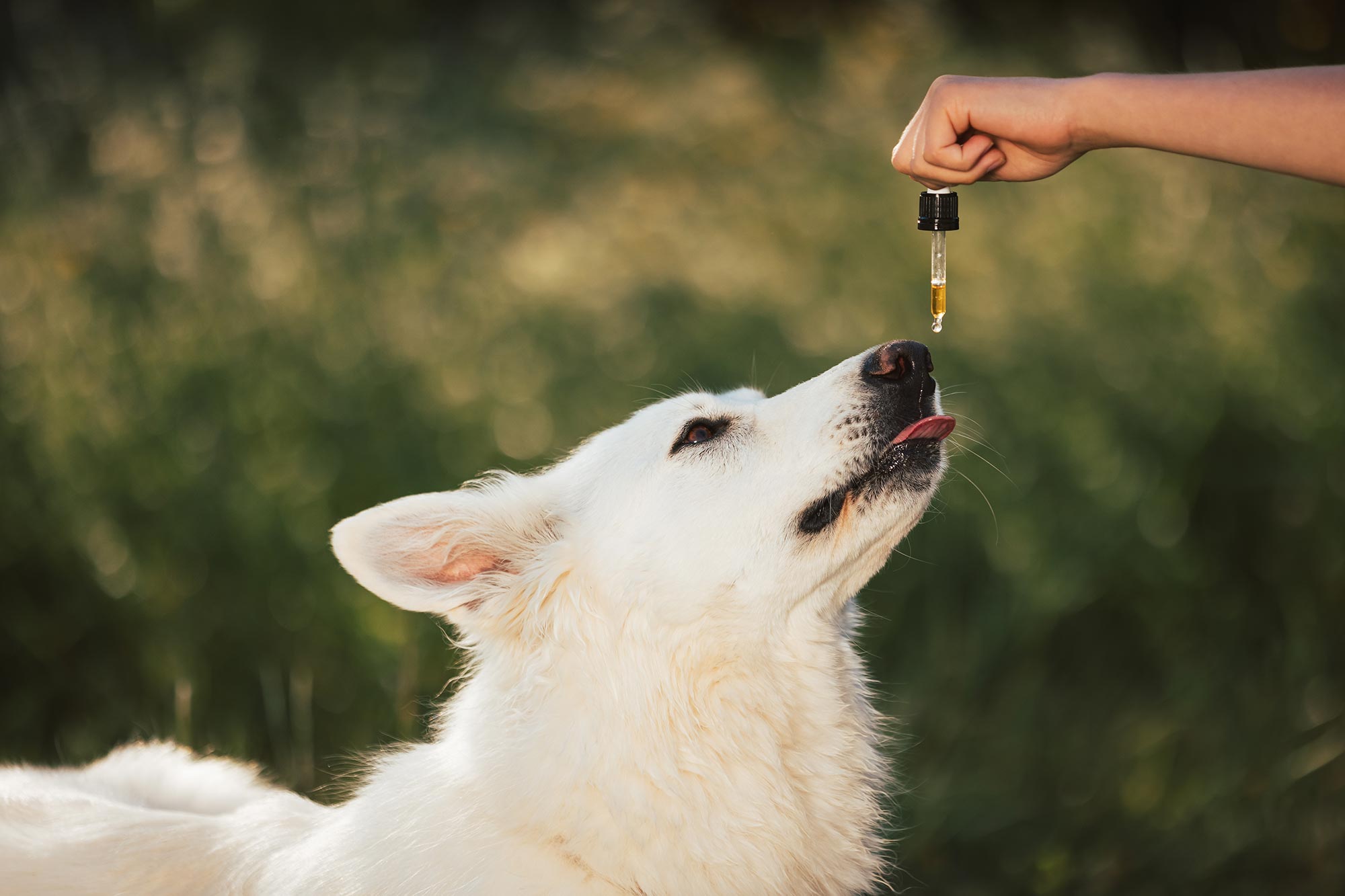
Analysis of information from nearly 50,000 dog owners shows that pets given CBD supplements are generally older or dealing with medical conditions. Over time, these dogs were also reported to display lower-than-average aggression levels.
In people, CBD is believed to offer relief for issues such as chronic pain, nausea, and inflammation. A new investigation suggests that dogs might experience similar advantages. Scientists in the US analyzed information from the Dog Aging Project to explore which dogs use CBD or hemp supplements, how healthy they are, and how these products may influence behavior. Their findings appear in Frontiers in Veterinary Science.
“Behaviorally, dogs given CBD products for multiple years are initially more aggressive compared to dogs not receiving those products, but their aggression becomes less intense over time,” said senior author Dr Maxwell Leung, an assistant professor and the director of Cannabis Analytics, Safety and Health Initiative at Arizona State University.
“This long-term behavioral change highlights the potential of CBD as a therapy for canine behavioral issues,” added co-author Dr Julia Albright, an associate professor at the College of Veterinary Medicine at the University of Tennessee.
Older, ailed, and male
This research represents the most extensive evaluation of CBD use in US companion animals so far. The dataset comes from the Dog Aging Project, a nationwide community science effort in which owners provide long-term information about their pets’ diets, daily routines, health, and surroundings. In total, data from 47,355 dogs was included. From 2019 to 2023, owners completed yearly surveys detailing their dogs’ health and life experiences.
They also indicated how frequently they offered CBD or hemp supplements. Frequent use referred to a daily dose, while infrequent use meant anything less often than once a day. Owners who had never given these products could report no use.
The team found several links between dog demographics and CBD use. “In our sample, 7.3% of the companion dogs in the US have been given CBD and hemp products,” said Leung. 2,759 of those dogs (5.8%) were frequently given supplements. These dogs were on average three years older than those who didn’t receive them. Some health conditions were especially associated with CBD use. The highest prevalence was found among dogs with dementia (18.2%), followed by dogs with osteoarthritis joint problems (12.5%), and those with cancer (10%).
Dogs receiving the supplement were also more likely to live in states where medical cannabis is legalized for humans. This could indicate the influence of the bond between humans and their pets on owners’ decision making about CBD use. Male dogs were more likely to be given CBD supplements; a 9% increase compared to female dogs. Dogs’ physical activity level did not differ between those who received CBD and those who didn’t.
Docile dogs
The team also found that CBD use resulted in behavioral change. After prolonged use, dogs that received supplements were reported to have below-average aggression levels, compared to dogs with no CBD use, which could point to a direct effect. For other behaviors, including agitation or anxiety, no similar effect was observed. “Most canine aggression is related to underlying stress or anxiety – a fight or flight response that kicks in. It is unclear why only aggression but not other types of anxious or agitated behaviors seemed to be improved with CBD treatment,” Albright said.
In the current study, the team did not look into the mechanism of behavioral changes, and further studies are needed to confirm the calming effects of CBD products, they said. The data used may also have been subjected to owners’ bias, and no information on dosage, formulations, administration routes, and product sources was collected. “At this point, we do not have a complete picture about the behavioral treatment plan,” Albright pointed out.
For owners who might consider giving their dogs CBD supplements, choosing a reputable brand is critical, the team said. They should also be mindful of the dosage, as CBD products can have adverse effects, including gastrointestinal issues and diarrhea.
The team said the study serves as a starting point to better understand how CBD products can help alleviate behavioral and health issues that affect aging populations, companion animals, and humans alike. “There are many similarities in how CBD can benefit dogs and humans medically,” Leung concluded.
Reference: “Demographic features, health status, and behavioral changes associated with cannabidiol use in the Dog Aging Project” by Kendra D. Conrow, Richard S. Haney, Michael H. Malek-Ahmadi, Julia D. Albright, Barbara L. F. Kaplan, Noah Snyder-Mackler, Kathleen F. Kerr, Yi Su, Daniel E. L. Promislow, Emily E. Bray, Dog Aging Project Consortium , Maxwell C. K. Leung, Audrey Ruple, Brooke Benton, Benjamin S. Wilfond, Erica C. Jonlin, Elhanan Borenstein, Elinor K. Karlsson, Evan L. MacLean, Annette L. Fitzpatrick, Joshua M. Akey, Jessica M. Hoffman, Jing Ma, Matt Kaeberlein, Kathleen F. Kerr, Kate E. Creevy, M. Katherine Tolbert, Matthew D. Dunbar, Amanda E. Coleman, Marta G. Castelhano, Noah Snyder-Mackler, Daniel E. L. Promislow, Sandi Shrager, Stephen M. Schwartz, Silvan R. Urfer and Virginia R. Fajt, 29 September 2025, Frontiers in Veterinary Science.
DOI: 10.3389/fvets.2025.1666663
Never miss a breakthrough: Join the SciTechDaily newsletter.
Follow us on Google and Google News.
1 Comment
Don’t do it, Ruffy! It’s a gateway drug!