
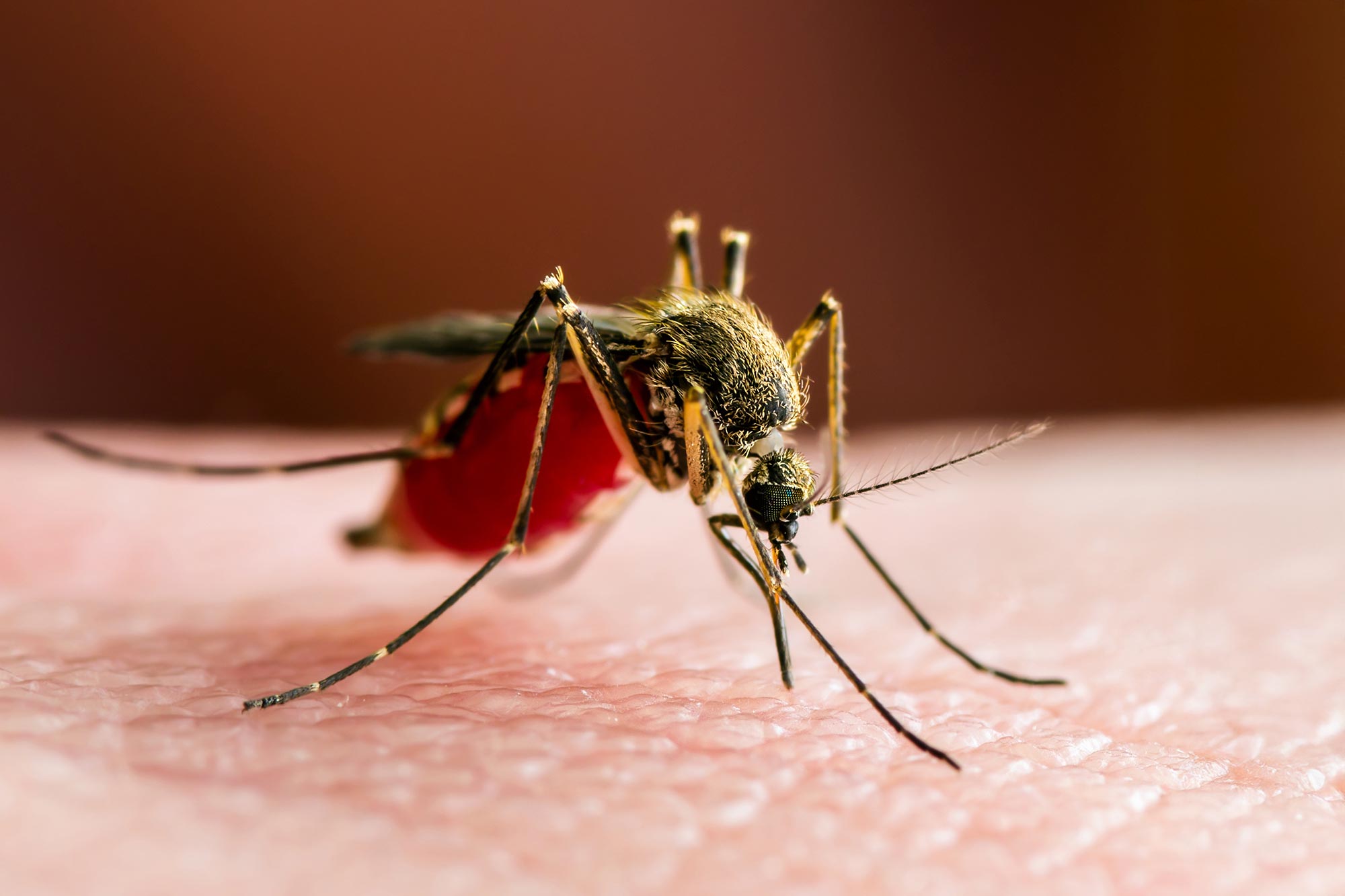
As Brazil’s Atlantic Forest shrinks, mosquitoes that once fed on many animal species appear to be shifting toward humans.
Along Brazil’s coast, the Atlantic Forest packs remarkable biodiversity into a shrinking strip of habitat, with birds, amphibians, reptiles, mammals, and fishes found nowhere else.
But as development advances and only about one-third of the forest’s original area remains intact, animals are being pushed out or thinned out. A new Frontiers in Ecology and Evolution study suggests mosquitoes living in these forest remnants may be compensating by feeding more often on the host that is easiest to find: people.
“Here we show that the mosquito species we captured in remnants of the Atlantic Forest have a clear preference for feeding on humans,” said senior author Dr. Jeronimo Alencar, a biologist at the Oswaldo Cruz Institute in Rio de Janeiro.
“This is crucial because, in an environment like the Atlantic Forest with a great diversity of potential vertebrate hosts, a preference for humans significantly enhances the risk of pathogen transmission,” added co-author Dr. Sergio Machado, a researcher who studies microbiology and immunology at the Federal University of Rio de Janeiro.
Humans preferred
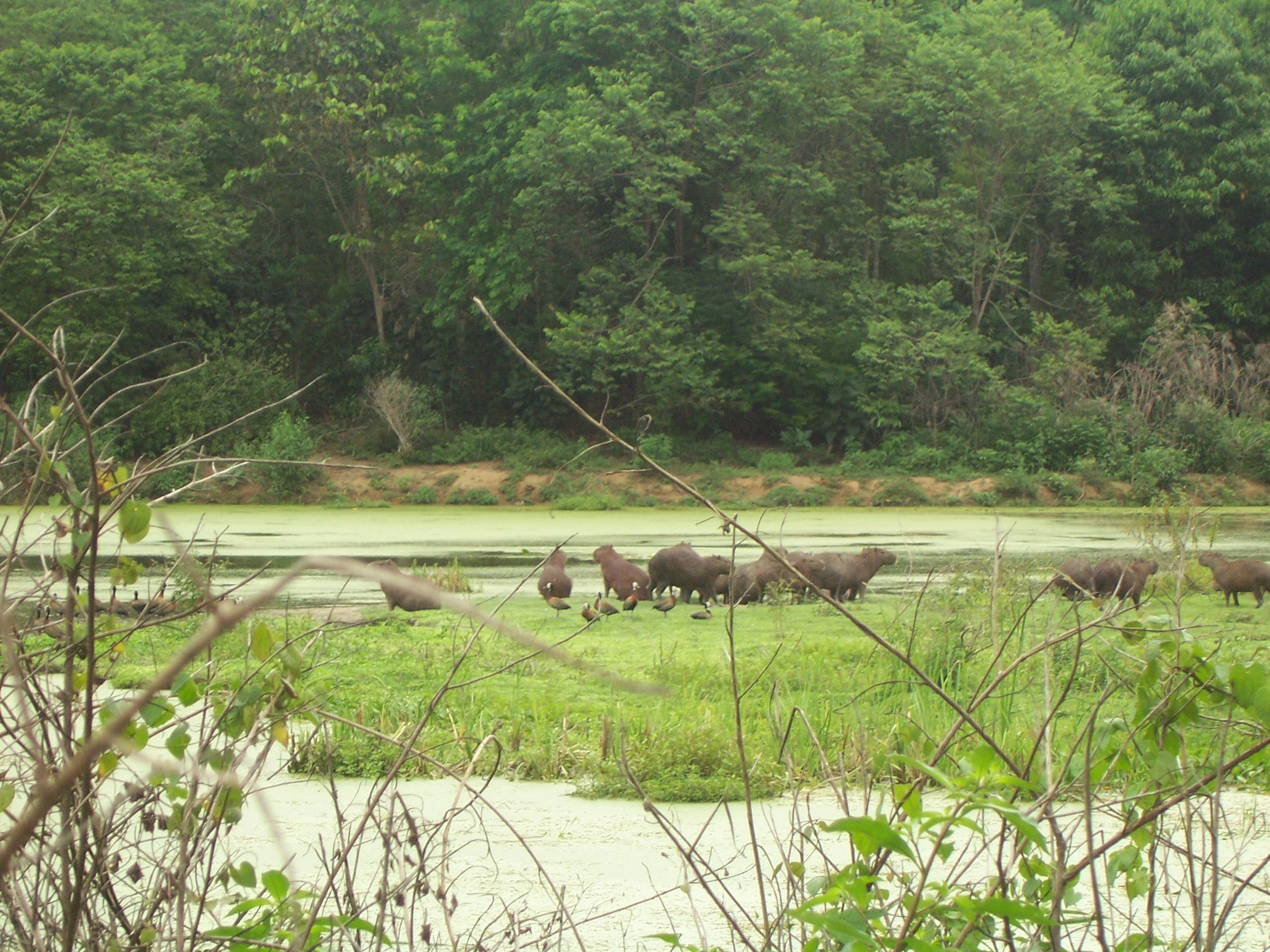
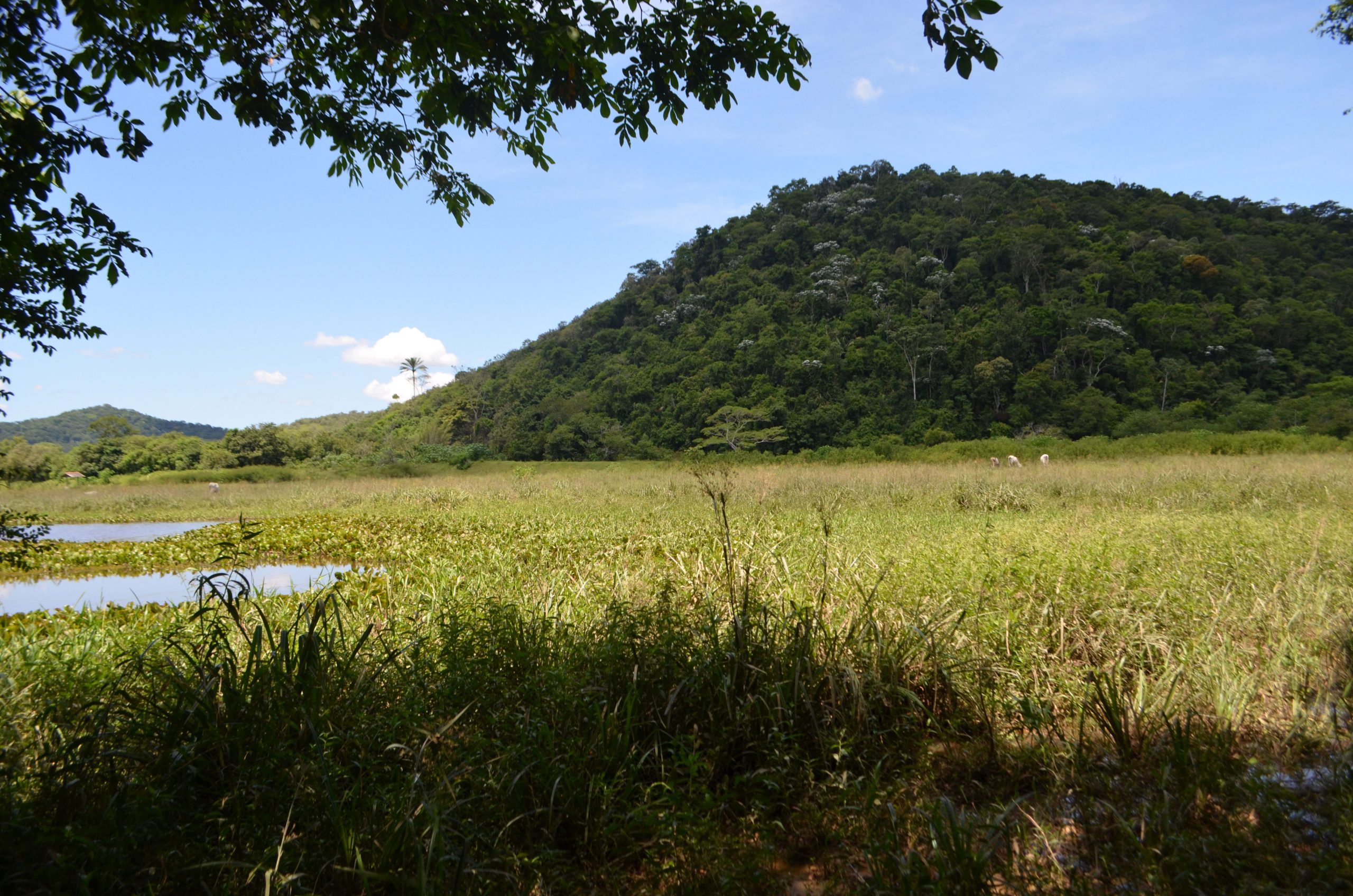
To find out what the mosquitoes were actually biting, the team set light traps in two protected areas in Rio de Janeiro state: Sítio Recanto Preservar and the Guapiacu River Ecological Reserve. In the lab, they focused on females that were visibly blood-fed, then extracted DNA from the blood and sequenced a vertebrate gene used as a barcode. Matching those barcodes to a reference database lets them identify the mosquito’s most recent meal.
In total, the researchers collected 1,714 mosquitoes from 52 species, including 145 blood-fed females. They could pinpoint the source of 24 blood meals, and most traced back to humans: 18 were human, alongside one amphibian, six birds, one canid, and one mouse. A few mosquitoes had fed on more than one host, including Cq. Venezuelensis with amphibian and human blood, and Cq. Fasciolata with mixed meals that included rodent and bird in one case and bird and human in another.
The researchers hypothesized that multiple factors could play a role in their preference for our blood. “Mosquito behavior is complex,” Alencar said. “Although some mosquito species may have innate preferences, host availability and proximity are extremely influential factors.”
Disease spreads
As the Atlantic Forest dwindles due to deforestation and humans keep pushing into previously forested areas, many plants and animals disappear. As a result, mosquitoes change their habits and habitats and get closer to humans. “With fewer natural options available, mosquitoes are forced to seek new, alternative blood sources. They end up feeding more on humans out of convenience, as we are the most prevalent host in these areas,” explained Machado.
Bites are more than itchy. In the study regions, mosquitoes transmit a variety of viruses – such as Yellow Fever, dengue, Zika, Mayaro, Sabiá, and Chikungunya – which cause diseases that seriously threaten human health and can have long-term adverse consequences. Investigating mosquito foraging behavior is fundamental for understanding the ecological and epidemiological dynamics of the pathogens they transmit, the researchers said.
The relatively low rate of engorged mosquitoes – just under 7% – as well as the low percentage of cases in which blood meals could be identified – around 38% – highlight the need for more data-rich studies. Those studies should also use methods more suited to identifying mixed blood meals to determine all food sources.
Already, the study can aid in the development of more effective policies and strategies to control disease-carrying mosquitoes and help predict and prevent future disease outbreaks. “Knowing that mosquitoes in an area have a strong preference for humans serves as an alert for transmission risk,” Machado pointed out.
“This allows for targeted surveillance and prevention actions,” concluded Alencar. “In the long term, this may lead to control strategies that consider ecosystem balance.”
Reference: “Aspects of the blood meal of mosquitoes (Diptera: culicidae) during the crepuscular period in Atlantic Forest remnants of the state of Rio de Janeiro, Brazil” by Dálete Cássia Vieira Alves, Sérgio Lisboa Machado, Júlia dos Santos Silva, Nathália Menezes de Almeida, Rayane Dias, Shayenne Olsson Freitas Silva and Jeronimo Alencar, 13 November 2025, Frontiers in Ecology and Evolution.
DOI: 10.3389/fevo.2025.1721533
Never miss a breakthrough: Join the SciTechDaily newsletter.
Follow us on Google and Google News.
2 Comments
One big problem driving the airport busing it was a longer Creek bed a big Waterway we had tons and tons of mosquitoes on those buses I was continuously driving trying to keep the mosquitoes off of me or pre spraying before I got in the bus getting bit and having severe severe reactions the area Airport ,
DFW International Airport
“… only about one-third of the forest’s original area remains intact, …”
It should be obvious that land use changes are significant, not only in the Amazon, but throughout the world. Yet, the focus is on anthropogenic carbon dioxide (CO2) (which is a small fraction of the total annual CO2 flux) instead of the anthropogenic land use changes that have other consequences such as flooding, heat waves, and the mentioned decline in biodiversity. We have to get our priorities straight so that limited resources can be applied effectively!