
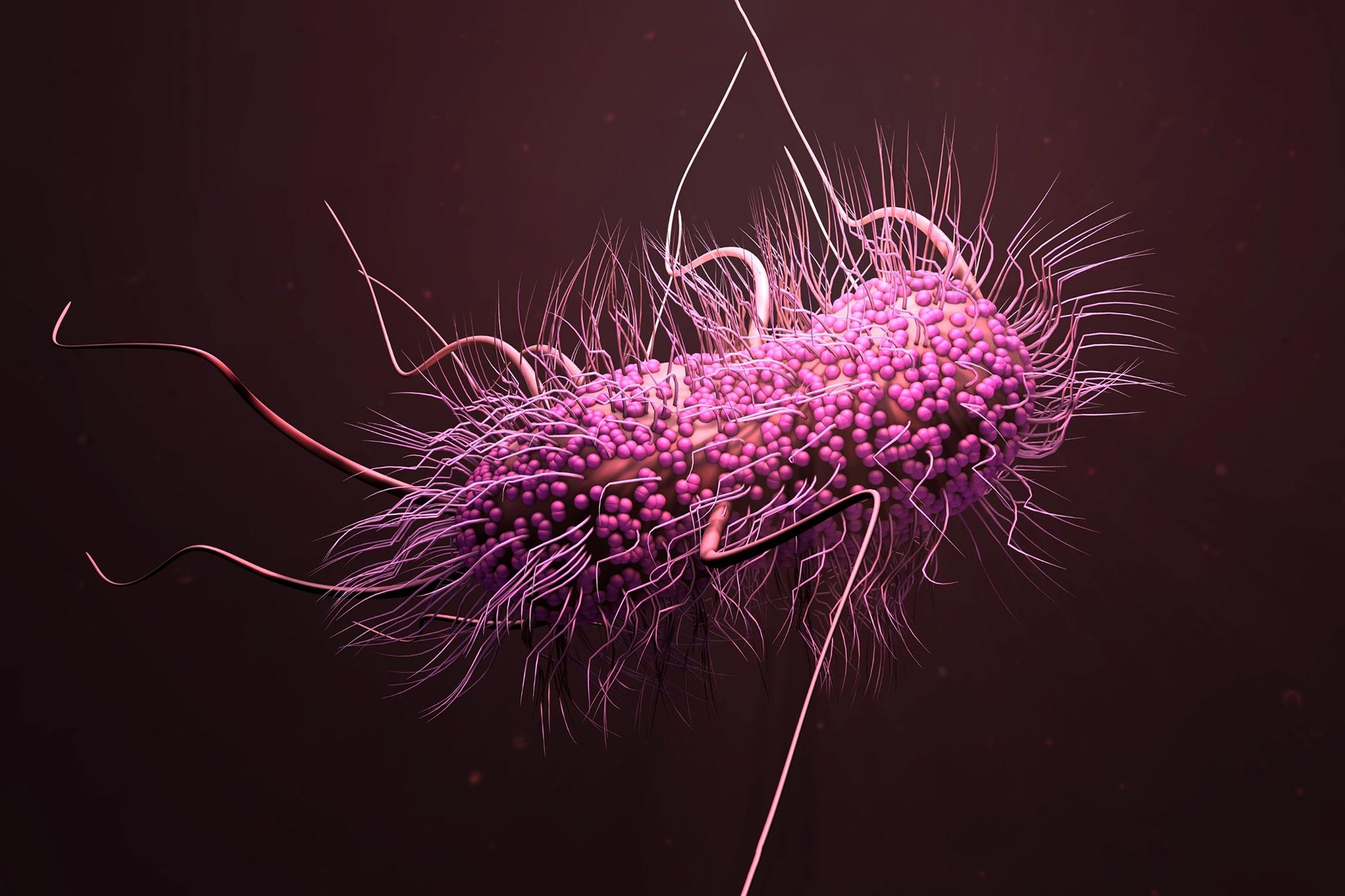
A familiar compound found in everyday foods may hold unexpected potential in the fight against antibiotic resistance.
A compound found in everyday foods may offer a new way to slow one of the most urgent threats to modern medicine. Researchers report in Engineering that cinnamic acid, a natural substance present in cinnamon and widely used as a food additive, can interfere with how bacteria share antibiotic resistance.
Antibiotic resistance is a growing global crisis. The World Health Organization has warned that common infections are becoming harder to treat as bacteria evolve defenses against widely used drugs. In the United States alone, antibiotic-resistant infections cause more than 2.8 million illnesses and over 35,000 deaths each year. A major reason for this rapid spread is not just mutation, but the ability of bacteria to exchange genetic material directly.
This exchange often happens through plasmid conjugation, a process in which bacteria pass small DNA molecules, known as plasmids, to one another. These plasmids can carry powerful resistance genes such as mcr‑1, blaNDM‑1, and tet(X4), allowing even unrelated bacterial species to quickly acquire drug resistance. Efforts to block this process have been limited, as many candidate compounds are either toxic or fail to work effectively in living systems.
To address this gap, researchers investigated cinnamic acid. This plant-derived compound is part of the human diet and is produced naturally as a defense molecule in many species. The team tested its effects in controlled lab settings, simulated gut environments, and live animals, focusing on several plasmids commonly linked to clinical infections.
Blocking Gene Transfer Without Harming Growth
Rather than killing bacteria outright, cinnamic acid appears to disrupt their ability to share genetic information. The results showed that CA lowered the transfer rate of multiple resistance plasmids in a concentration-dependent manner. Importantly, it did not significantly affect bacterial growth within the tested range.
A fluorescence-labeled plasmid tracking system confirmed that CA reduces plasmid transfer within gut microbial communities ex vivo. In mouse experiments, oral doses of CA also decreased conjugation frequency in vivo in a dose-dependent pattern, indicating that the compound remains active under real biological conditions.
Further analysis revealed how CA produces these effects. Transcriptomic data showed that it disrupts the tricarboxylic acid cycle, which weakens the electron transport chain and reduces proton motive force. As a result, intracellular ATP levels drop, limiting the energy needed for conjugation. CA also suppresses genes involved in mating pair formation, DNA transfer, and replication, while slightly increasing the permeability of the donor cell outer membrane.
Safety and Biological Compatibility
Safety testing in mice showed no clear harmful effects after CA treatment. Body weight remained stable, and there were no noticeable changes in the structure of major organs.
The composition and diversity of gut microbiota also remained unchanged, supporting the compound’s strong safety profile for in vivo use.
Overall, the findings identify cinnamic acid as a broad-spectrum inhibitor of plasmid conjugation that works by disrupting bacterial energy metabolism. Because it is already widely consumed and considered safe, CA could serve as a practical addition to current strategies aimed at slowing the spread of antibiotic resistance. The results also encourage further research into natural compounds that target metabolism to control gene transfer in medical, agricultural, and environmental settings.
Reference: “Targeting Plasmid Conjugation with Cinnamic Acid: A Novel Approach to Combat Antibiotic Resistance” by Gong Li, Ang Gao, Xin-Yi Lu, Tian-Hong Zhou, Shi-Ying Zhou, Li-Juan Xia, Lei Wan, Yu-Zhang He, Xin-Yi Chen, Wen-Ying Guo, Jia-Min Zheng, Hao Ren, Sheng-Qiu Tang, Xiao-Ping Liao, Liang Chen and Jian Sun, 17 July 2025, Engineering.
DOI: 10.1016/j.eng.2025.06.040
Never miss a breakthrough: Join the SciTechDaily newsletter.
Follow us on Google and Google News.
2 Comments
What antibiotics do I need to take for that
None…eat whole foods containing cinnamon!