
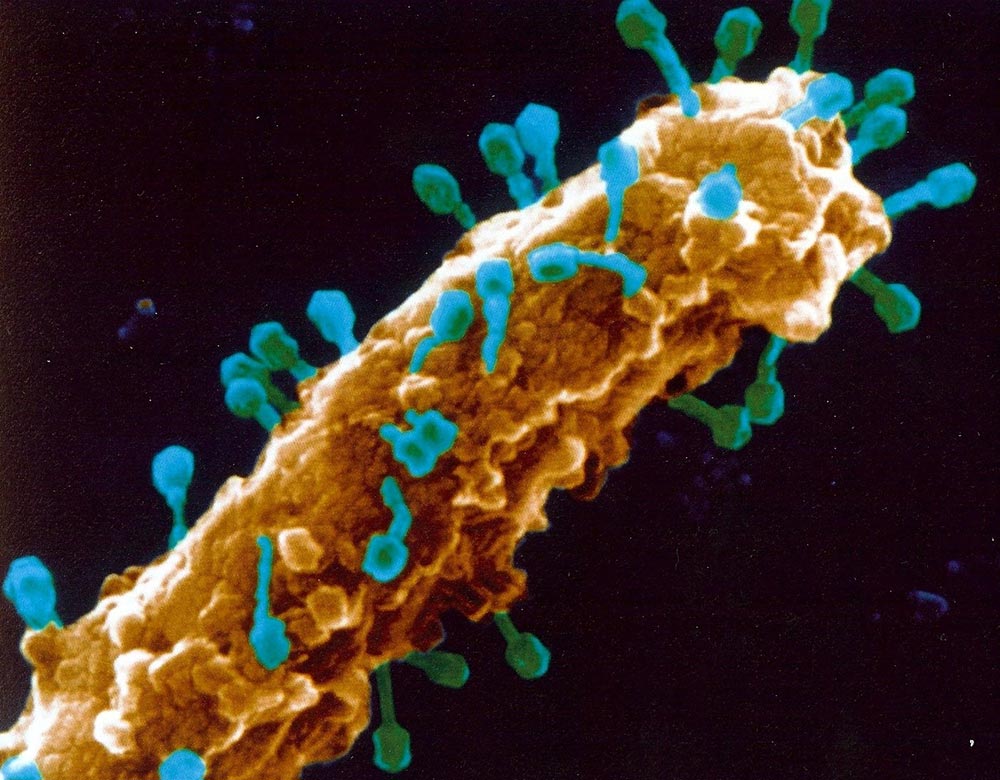
Membrane-localized phage proteins may also help revitalize, enhance existing antibiotics.
A study from the Center for Phage Technology, part of Texas A&M’s College of Agriculture and Life Sciences and Texas A&M AgriLife Research, shows how the “hidden” genes in bacteriophages — types of viruses that infect and destroy bacteria — may be key to the development of a new class of antibiotics for human health.
The study has been published in Nature Communications and Current Science Daily, as well as featured in a recent Nature Research Microbiology Community blog post.
The Need for New Antibiotics
Antibiotic-resistant bacteria pose an increasing threat to human health, creating an urgent need for the development of novel antibiotics.
“There has been an increased interest in bacteriophages and their potential as antibacterial agents to fight pathogenic bacteria,” said Center for Phage Technology director Ryland Young, Ph.D., who is a distinguished professor in the Department of Biochemistry and Biophysics and supervised the study research. “This is in large part due to the ability of the ‘lysis genes’ of the phage to cause a cellular breakdown in the bacterial host.”
Most phages can cause their host cell to rupture, a process called lysis. They also release new “progeny” phage virions that are genetically and structurally identical to the parent virus.

“Small phages, such as the ones this study focuses on, make a single protein which causes host lysis,” Young said. “Basically, the virus produces a ‘protein antibiotic’ that causes lysis in the same way antibiotics like penicillin do – by disrupting the multistage process of cell wall biosynthesis. When the infected cell tries to divide, it blows up because it can’t create the new cell wall between the daughter cells.”
He said these small lysis proteins can be the model for a completely new class of antibiotics.
Purpose and Key Findings of the Study
The study focuses on characterizing the lysis genes of leviviruses, bacteriophages containing small single-stranded RNA genomes with only three to four genes. Tens of thousands of leviviruses have been discovered. Among the known levivirus genes is Sgl, which stands for ‘single gene lysis.’ Sgl encodes a protein that induces the cellular breakdown of bacteria.
Many leviviruses contain Sgl genes, but these have remained “hidden” from researchers as they are small, extremely varied and can be embedded within other genes.
“We wanted to discover these ‘hidden’ lysis genes in single-stranded RNA phages, as well as understand how their structure and evolution could benefit development of new, more effective antibiotics,” said Karthik Chamakura, Ph.D., a Department of Biochemistry and Biophysics postdoctoral research associate at the center and the study’s first author. “We also wanted to investigate how certain molecular targets within bacteria could be identified and exploited for antibiotic development.”
In this study, researchers were able to identify 35 unique Sgls that produced a lytic or destructive effect on E. coli bacteria, Chamakura said. The team also determined that each of these Sgls could potentially represent a distinct mechanism for the lysis of host cells.
Chamakura also noted previous research had shown that known single-stranded RNA phages have high mutation rates.
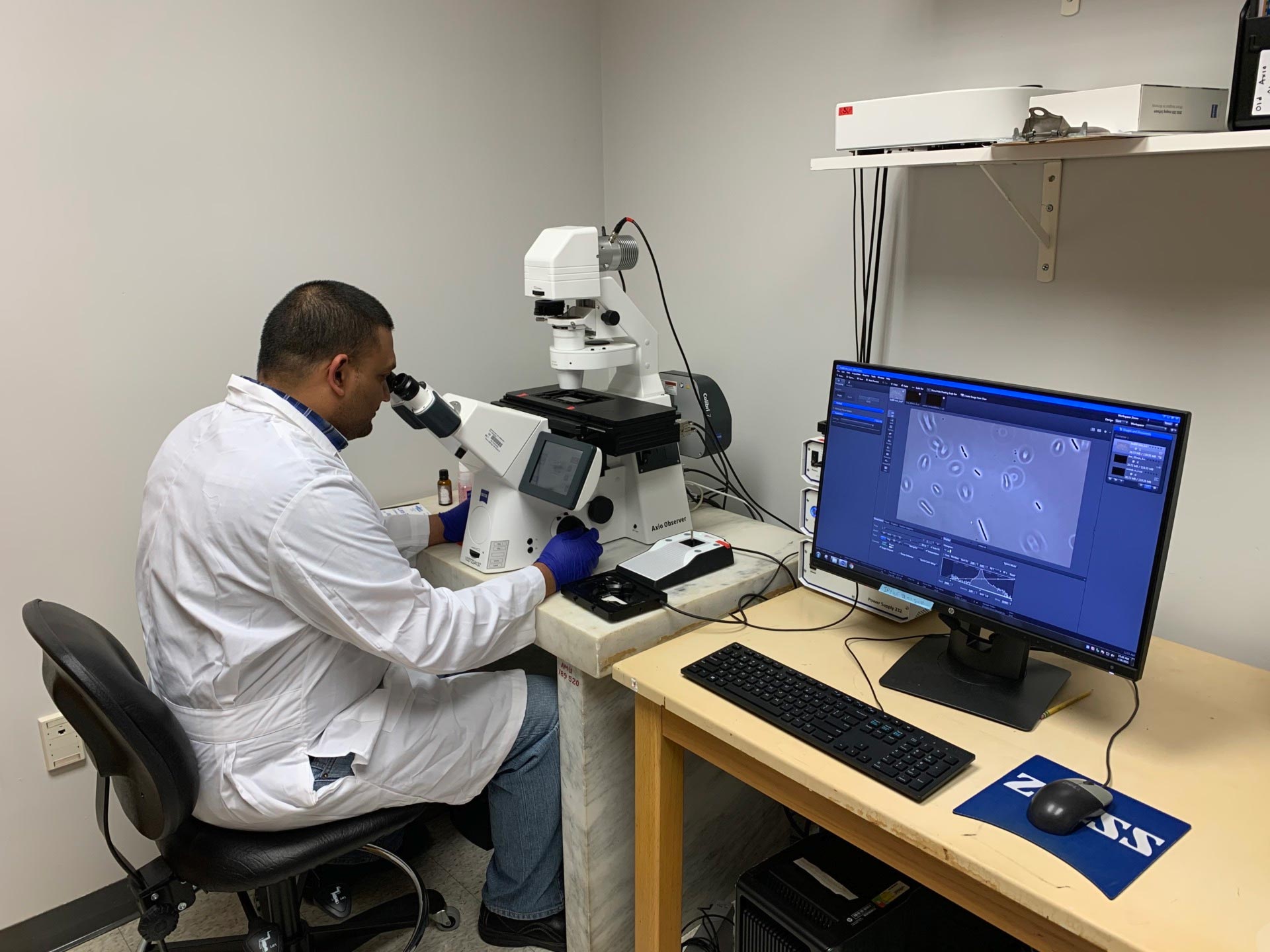
“High mutation rates allow these phages to infect new species of bacteria,” he explained. “In order to escape the new hosts, the phages have to either change the existing Sgl gene or evolve a new Sgl. In spite of a very short total length of genomic RNA, these phages can encode two or more Sgls or proto-Sgls for the lytic activity to destroy multiple bacterial hosts.”
Another far-reaching aspect of the study was the observation that a large proportion of the Sgls found in the investigation had originated and evolved within the gene for the phage replication protein, or Rep.
“There were a disproportionate number — 22 of the 35 of Sgls or Sgl candidates — found embedded within the Rep gene,” Chamakura said. “Overlaying the location of Sgl genes on the respective Rep sequences revealed that most of the Sgl genes evolved in less conserved regions of Rep. This could mean more highly divergent regions of the levivirus genome, such as the Rep gene, may serve as ‘hotspots’ for Sgl evolution.”
He said the study’s examination of genomes also revealed that closely related phages showed significant evidence of the de novo gene evolution.
“This indicated some of these Sgls did not evolve from existing genes but were essentially made from scratch in sections of the genome that do not code for any functional molecules,” Chamakura said. “Therefore, a single-stranded RNA phage might have two or more lysis genes at different stages of gene evolution.”
Study Research Overview and Potential
In all, Chamakura said the research suggests Sgls are extremely diverse and remain vastly untapped as a source for peptides that could be used in protein antibiotics to attack the cellular function of bacteria.
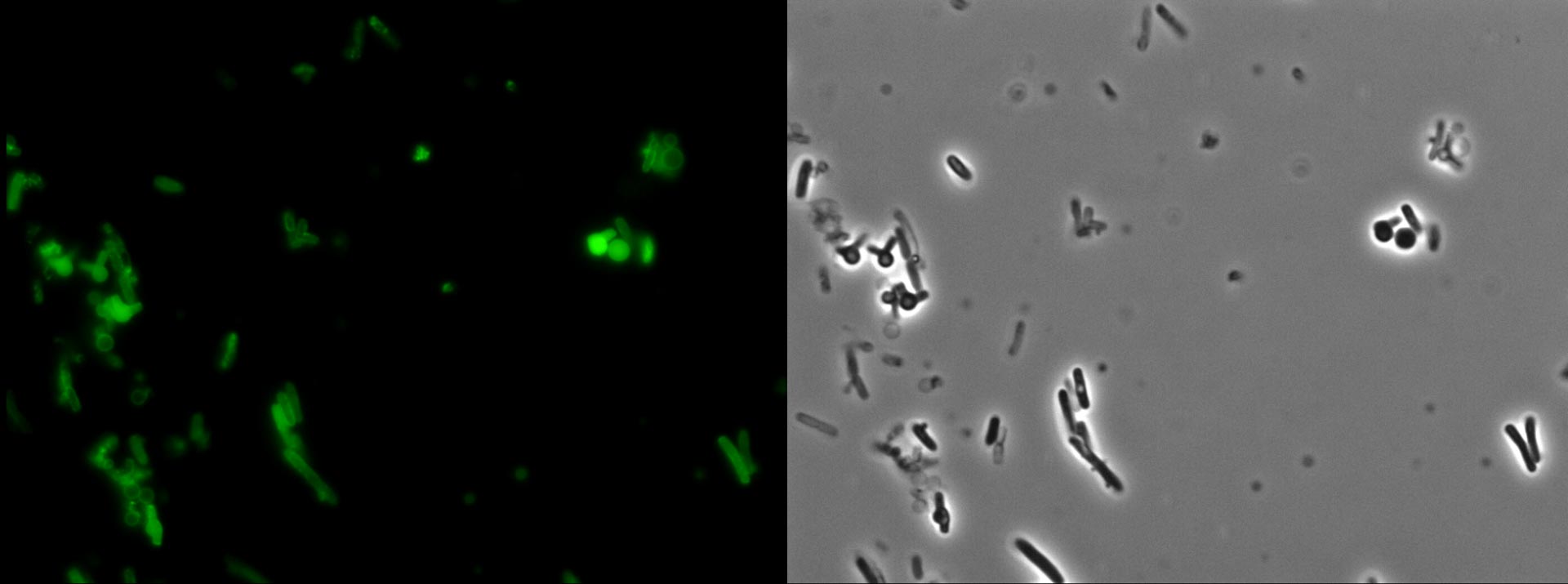
“Through the analysis of a relatively minuscule sample of the total leviviral universe, we have uncovered a diversity of small peptides that carry out a critical function in the life cycle of RNA viruses,” he said. “We have also shown leviviruses readily evolve Sgl genes and sometimes have more than one per genome. And because these genes share little to no similarity with each other or to previously known Sgl genes, they represent a rich source for potential protein antibiotics.”
He said the study should also be useful in helping uncover small genes and their biological functions in RNA viruses of more complex organisms — such as plants and animals — as well as provide a good model for studying how new genes evolve.
“Further research could include exploiting these peptides for identifying targets for antibiotic development,” he said.
Reference: “Rapid de novo evolution of lysis genes in single-stranded RNA phages” by Karthik R. Chamakura, Jennifer S. Tran, Chandler O’Leary, Hannah G. Lisciandro, Sophia F. Antillon, Kameron D. Garza, Elizabeth Tran, Lorna Min and Ry Young, 26 November 2020, Nature Communications.
DOI: 10.1038/s41467-020-19860-0
Never miss a breakthrough: Join the SciTechDaily newsletter.
Follow us on Google and Google News.