

Researchers have discovered new intermediates in the methylenomycin pathway that are 100 times more active against drug-resistant Gram-positive bacteria.
Chemists at the University of Warwick and Monash University have identified a promising new antibiotic capable of fighting drug-resistant bacteria, including MRSA and VRE.
Antimicrobial resistance (AMR) remains one of the most serious global health threats. According to a recent World Health Organization report, there are “too few antibacterials in the pipeline.” Many easily discovered antibiotics have already been found, and a lack of financial incentives continues to hinder progress in antibiotic research and development.
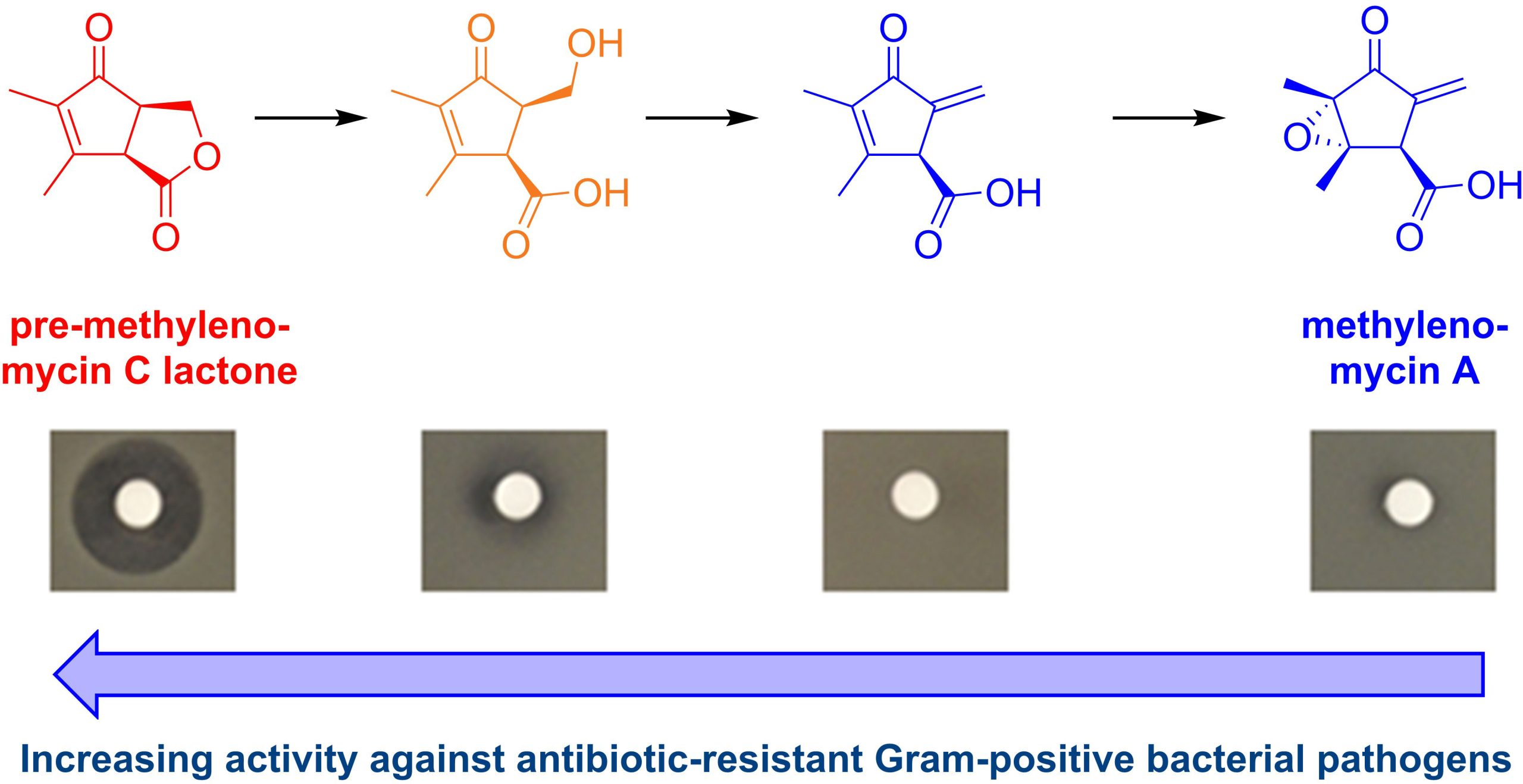
In a study published in the Journal of the American Chemical Society, scientists from the Monash Warwick Alliance Combatting Emerging Superbug Threats Initiative reported the discovery of a new compound called pre-methylenomycin C lactone. The team revealed that this potential antibiotic had been “hiding in plain sight” as a previously overlooked intermediate in the natural process that forms the well-known antibiotic methylenomycin A.
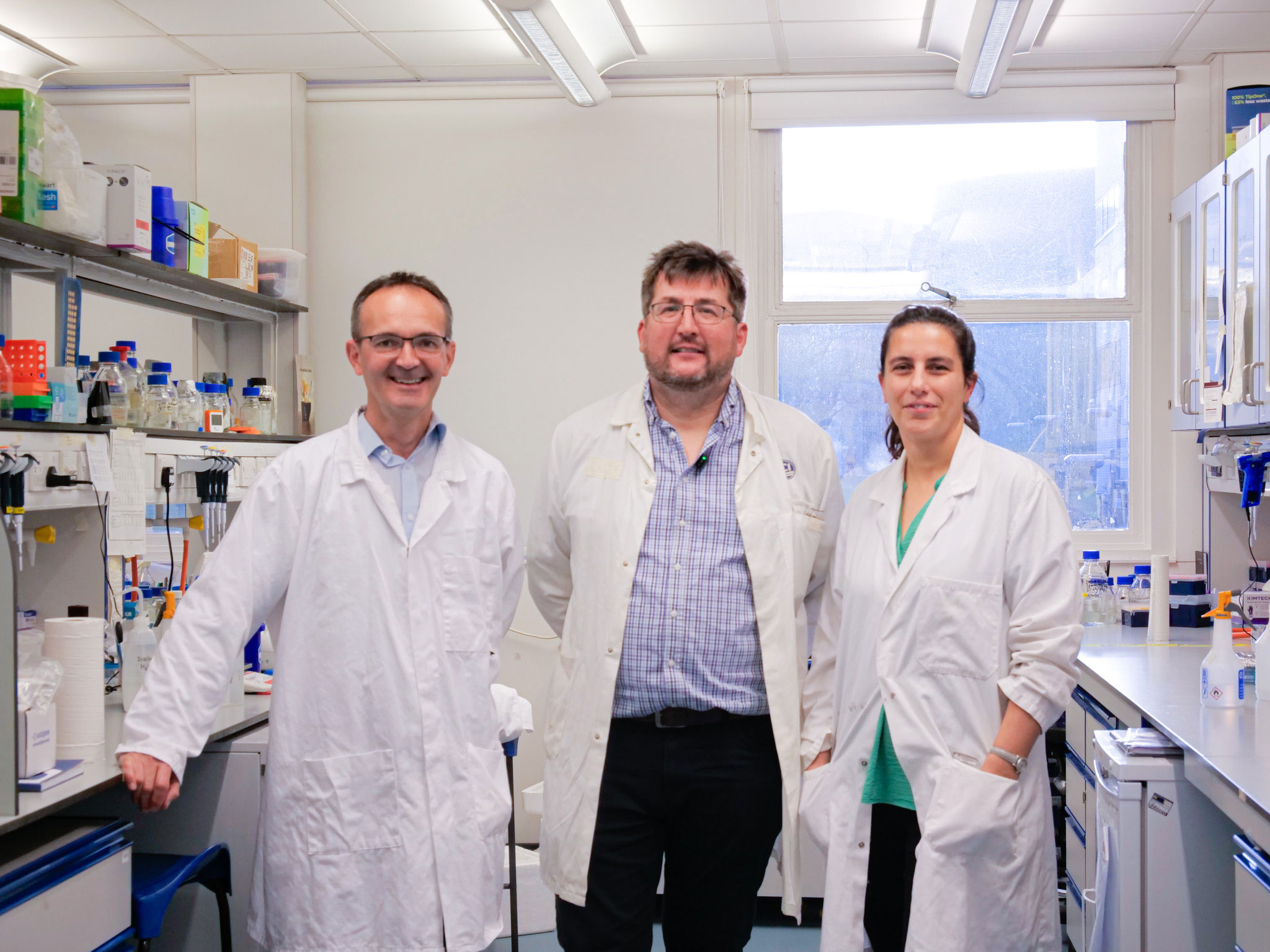
Co-lead author of the study, Professor Greg Challis, in the Department of Chemistry at the University of Warwick, and Biomedicine Discovery Institute at Monash University says: “Methylenomycin A was originally discovered 50 years ago and while it has been synthesized several times, no-one appears to have tested the synthetic intermediates for antimicrobial activity! By deleting biosynthetic genes, we discovered two previously unknown biosynthetic intermediates, both of which are much more potent antibiotics than methylenomycin A itself.”
Potency Far Beyond the Original
When tested for antimicrobial activity, one of the intermediates, pre-methylenomycin C lactone, was shown to be over 100 times more active against diverse Gram-positive bacteria than the original antibiotic methylenomycin A. Specifically, it was shown to be effective against S. aureus and E. faecium, the bacterial species behind Methicillin-resistant Staphylococcus aureus (MRSA) and Vancomycin-resistant Enterococcus (VRE), respectively.
Co-lead author Dr. Lona Alkhalaf, Assistant Professor, University of Warwick adds: “Remarkably, the bacterium that makes methylenomycin A and pre-methylenomycin C lactone — Streptomyces coelicolor — is a model antibiotic-producing species that’s been studied extensively since the 1950s. Finding a new antibiotic in such a familiar organism was a real surprise.”
“It looks like S. coelicolor originally evolved to produce a powerful antibiotic (pre-methylenomycin C lactone), but over time has changed it into methylenomycin A — a much weaker antibiotic that may play a different role in the bacterium’s biology.”
Importantly, the researchers could not detect any emergence of resistance to pre-methylenomycin C lactone in Enterococcus bacteria under conditions where vancomycin resistance is observed. Vancomycin is a “last line” treatment for Enterococcus infection, so this finding is especially promising for VRE, a WHO High Priority Pathogen.
Professor Challis continues: “This discovery suggests a new paradigm for antibiotic discovery. By identifying and testing intermediates in the pathways to diverse natural compounds, we may find potent new antibiotics with more resilience to resistance that will aid us in the fight against AMR.”
From Discovery to Development
The next step in the development of the antibiotic will be pre-clinical testing. In a coordinated publication earlier this year in the Journal of Organic Chemistry, a team led by Monash collaborating with the Warwick team and funded by the Monash Warwick Alliance Combatting Emerging Superbug Threats initiative reported a scalable synthesis of pre-methylenomycin C lactone, paving the way for further research.
Professor David Lupton, School of Chemistry, Monash University, who led the synthesis work says: “This synthetic route should enable the creation of diverse analogs that can be used to probe the structure−activity relationship and mechanism of action for pre-methylenomycin C lactone. The Centre to Impact AMR at Monash gives us a great platform to take this promising antimicrobial forward.”
With its simple structure, potent activity, difficult-to-resist profile, and scalable synthesis, pre-methylenomycin C lactone represents a promising new candidate that could potentially help to save some of the 1.1 million people who are the victims of AMR every year.
Reference: “Discovery of Late Intermediates in Methylenomycin Biosynthesis Active against Drug-Resistant Gram-Positive Bacterial Pathogens” by Christophe Corre, Gideon A. Idowu, Lijiang Song, Melanie E. Whitehead, Lona M. Alkhalaf and Gregory L. Challis, 27 October 2025, Journal of the American Chemical Society.
DOI: 10.1021/jacs.5c12501
Funding: BBSRC
Never miss a breakthrough: Join the SciTechDaily newsletter.
Follow us on Google and Google News.
1 Comment
Amazingly, the indigenous fungals here in the US, blastomycosis and coccidiosis, are almost ignored.
Both are scourges of the US east of the Rockies. My blastomycosis limits my air intake. A hot sauna bath with essential oils works wonders for days. I suspect this is the true cause of ‘sleep apnea’, the description allowing a deficit in air intake.