
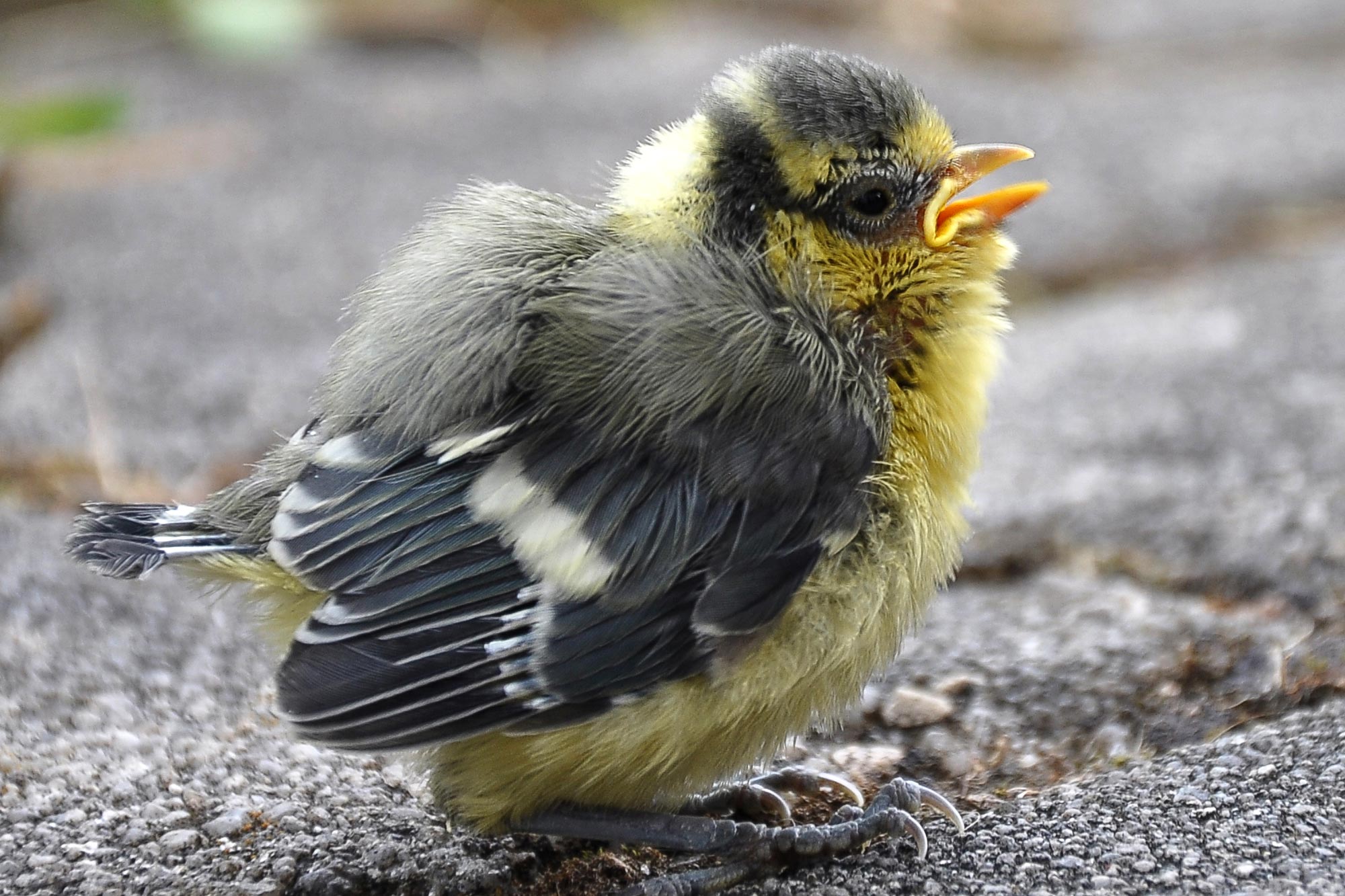
A small but consistent difference in how birds respond to approaching humans hints at hidden cues shaping animal behavior.
An international team of scientists has uncovered an unexpected pattern in how city birds respond to people. Species such as great tits, house sparrows, and blackbirds tend to take flight sooner when approached by women than by men. The researchers say the finding is clear, but the reason behind it is still unknown.
The study took place in five European countries and involved male and female participants (matched for height and clothing) walking directly toward birds in parks and other urban green spaces. By measuring how close a person could get before a bird flew away, the team assessed what is known as flight initiation distance.
On average, men were able to get about one meter (3.3 feet) closer than women before the birds took off. This pattern appeared consistently across all study locations, including Czechia, France, Germany, Poland, and Spain. It also held true across 37 species, from cautious birds like magpies to more tolerant ones such as pigeons.
Dr. Federico Morelli, a co-author of the study from the University of Turin, said the result came as a surprise: “Unexpectedly, we found that birds tended to escape earlier when approached by women than by men. We were quite surprised by this result.”
What Are the Birds Detecting?
The findings suggest that birds can distinguish between male and female humans, but the exact cues they rely on are unclear. Researchers are exploring possibilities such as scent, body shape, or walking style.
Professor Daniel Blumstein from the University of California, Los Angeles, explained: “Our results add to growing knowledge of how birds perceive us. Birds living near people are attentive to us and pay attention to our smells, sounds, and movements. To successfully co-exist with other species it’s important for us to know how they perceive us. Measuring flight initiation distance is a very useful tool to get insight into this.”
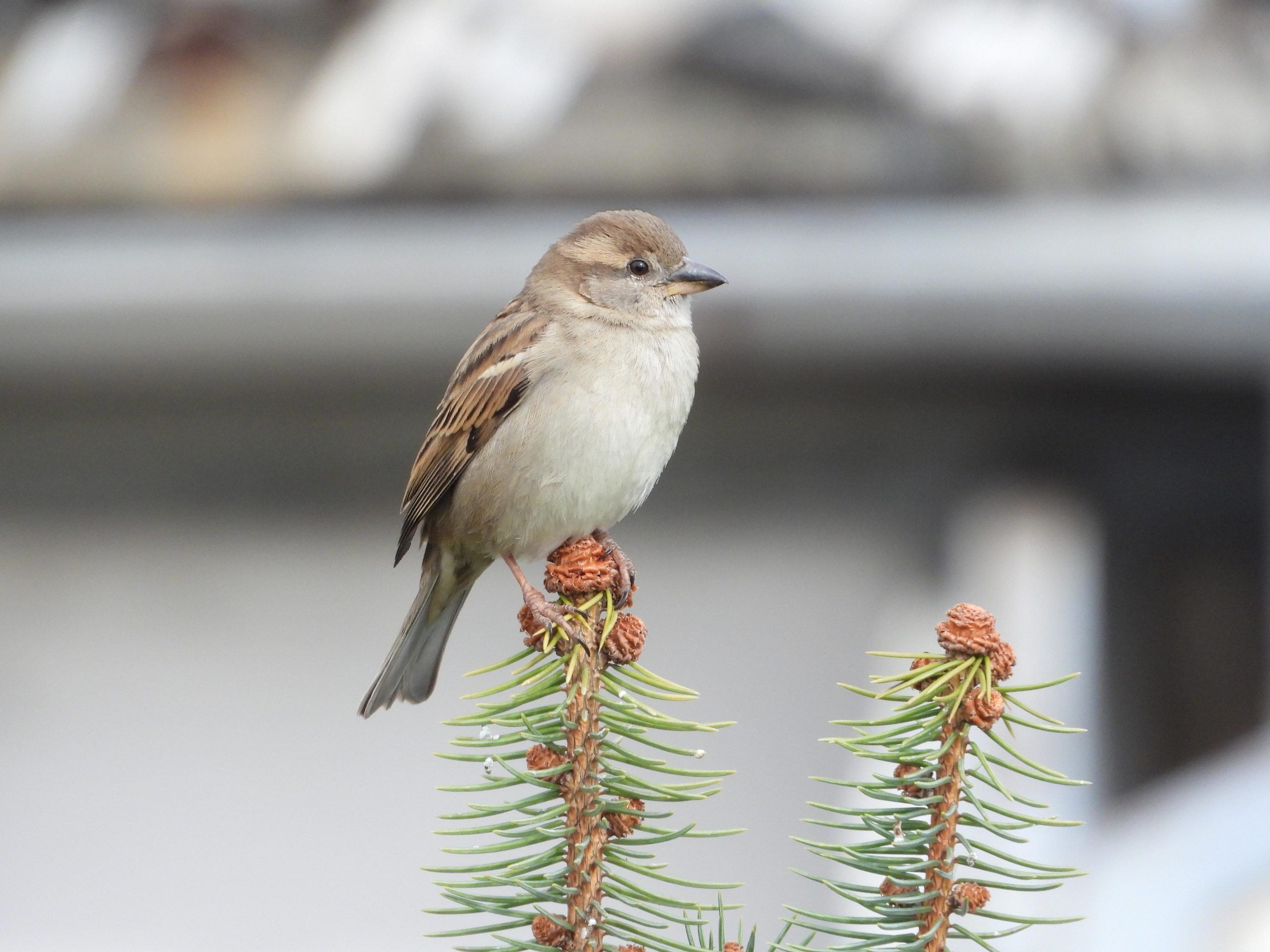
He added that identifying the specific signals may be challenging: “There are several possibilities for what cues birds are picking up on. It could be smells, it could be people’s gate. But how do we test this? Perhaps a study resembling Monty Python’s Ministry of Silly Walks.”
Dr. Yanina Benedetti from the Czech University of Life Sciences Prague, another co-author of the study added: “As a woman in the field, I was surprised that birds reacted to us differently. This study highlights how animals in cities ‘see’ humans, which has implications for urban ecology and equality in science. Many behavioral studies assume that a human observer is neutral, but this wasn’t the case for urban birds in our study.”
Hypotheses and Open Questions
Researchers have proposed several possible explanations, including differences in scent, body shape, or walking patterns. However, these ideas are still speculative, and further studies will be needed to test them.
“This is maybe the most interesting part of our study,” said Dr. Federico Morelli. “We have identified a phenomenon, but we really don’t know why. However, what our results do highlight is the birds’ sophisticated ability to evaluate their environment.”
Dr. Benedetti said: “Urban birds clearly react to subtle cues that humans do not easily notice. Follow-up studies could focus on individual factors such as movement patterns, scent cues, or physical traits, testing them separately rather than grouping them under observer sex. This approach would help identify the specific cues birds detect.”
The study included 2701 observations, but the researchers emphasize that these results are preliminary. Additional work is needed to confirm whether the observed pattern holds and to better understand what drives it.
Reference: “Sex matters: European urban birds flee approaching women sooner than approaching men” by Federico Morelli, Yanina Benedetti, Peter Mikula, Daniel T. Blumstein, Mario Díaz, Alicia Page, Piotr Tryjanowski, Marta K. Nowak, Eva Vincze and Gábor L. Lövei, 12 December 2025, People and Nature.
DOI: 10.1002/pan3.70226
Never miss a breakthrough: Join the SciTechDaily newsletter.
Follow us on Google and Google News.
7 Comments
Well, the Great Tits may fear competition?
simplest explanation: vibes are a real phenomena and that birds simply vibe with men more than women, for unknown bird-reasons.
think of the Birdman of Alcatraz; you can’t do a gender-swapped version of that… Coincidence???
Perhaps they heard a rumor that women are more likely to cook them. The rumor was probably spread by a chicken.
In the animal world, the female is usually the hunter (has to provide for the young). So obvious the PhDummies didn’t get it.
My presupposition-heavy hypothesis:
Women are enamored with tiny creatures and, upon seeing them, their pupils dilate more so than a man’s would. This is also what happens when predators, such as cats, see birds. Birds who react to pupil dilation are less likely to be eaten by a cat than birds who do not. There are other predatory cues women are more likely to do such as teeth bearing (from smiling) that a bird is likely to interpret as threatening.
Test whether the women being upwind or downwind on their approach makes a difference and that will either confirm that their smell matters or not.
One factor that wasn’t hypothesized was clothing. Women typically wear clothing and other ornamentation that, for lack of a better term, swings more: skirts, dresses, even jewelry. Similarly with long hair that blows more in the wind. That’s my guess, it’s not actually the gender of the person, its the clothes they’re wearing. Easily testable: put some men in dresses and see if you get the same effect.