
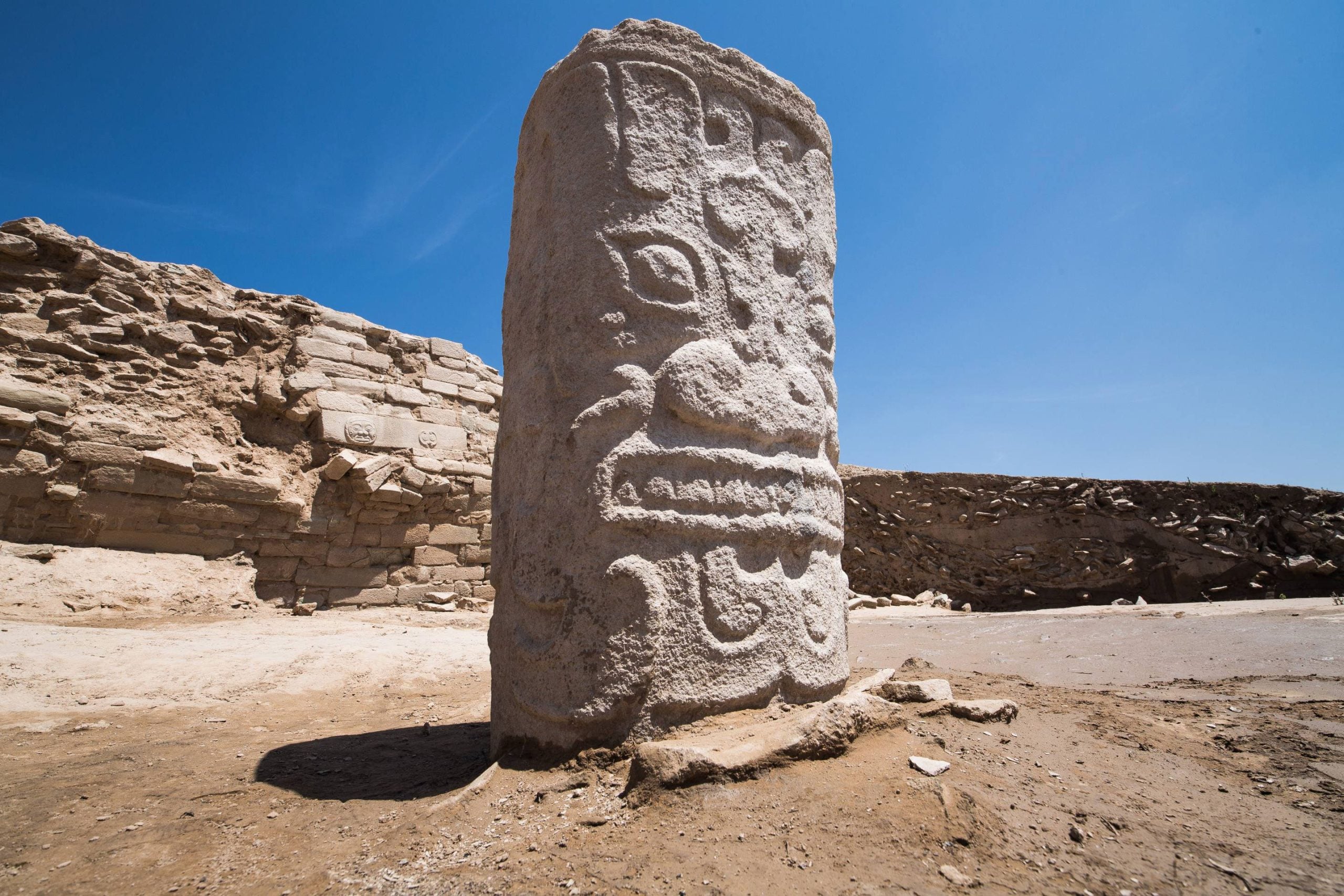
Ancient DNA from Shimao reveals local origins, broad prehistoric connections, a patrilineal social structure, and gender-specific patterns of human sacrifice.
At Shimao, a vast stone-walled settlement in northern China, ancient DNA is filling in details that archaeology alone could not fully resolve. The genetic evidence is helping trace where the people of this late Neolithic center came from, how families were organized, and who may have been chosen for ritual sacrifice.
The study, published in Nature, examined human remains from Shimao, one of China’s most important late Neolithic settlements. The results reveal genetic ties to southern populations and provide new evidence that male mass burials at the site were linked to human sacrifice.
The work was led by Prof. Qiaomei Fu of the Institute of Vertebrate Paleontology and Paleoanthropology (IVPP) of the Chinese Academy of Sciences, in collaboration with the Shaanxi Provincial Academy of Archaeology and other institutions. Over 13 years, the team carried out large-scale, high-resolution nuclear genome analysis on 169 ancient human samples (144 unrelated individuals) from Shimao, nearby sites, and the southern Shanxi region.
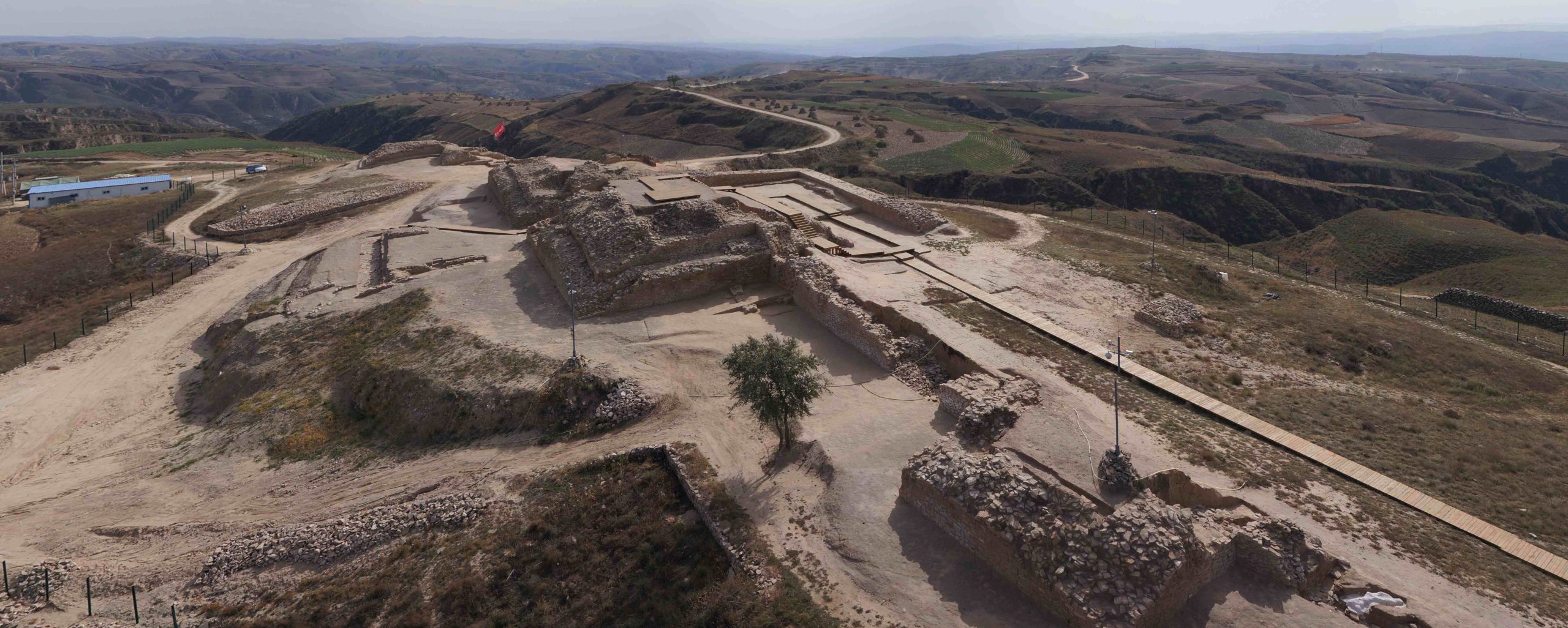
Shimao’s society comes into focus
Shimao dates to about 4200 to 3700 years before the present and was a large, socially stratified late Neolithic settlement in northern Shaanxi Province, China. The stone-walled site covered roughly four square kilometers and included distinct functional zones, along with archaeological signs of complex social organization and human sacrifice.
By comparing the newly generated genomes with previously published ancient DNA from other Chinese populations, the team found that Shimao’s people were mainly descended from local groups that had lived in the region roughly 1,000 years earlier. The analysis also showed cultural and genetic connections with Yangshao Culture, a major Neolithic civilization centered on the Yellow River’s Loess Plateau, helping clarify the likely origins of the Shimao population.
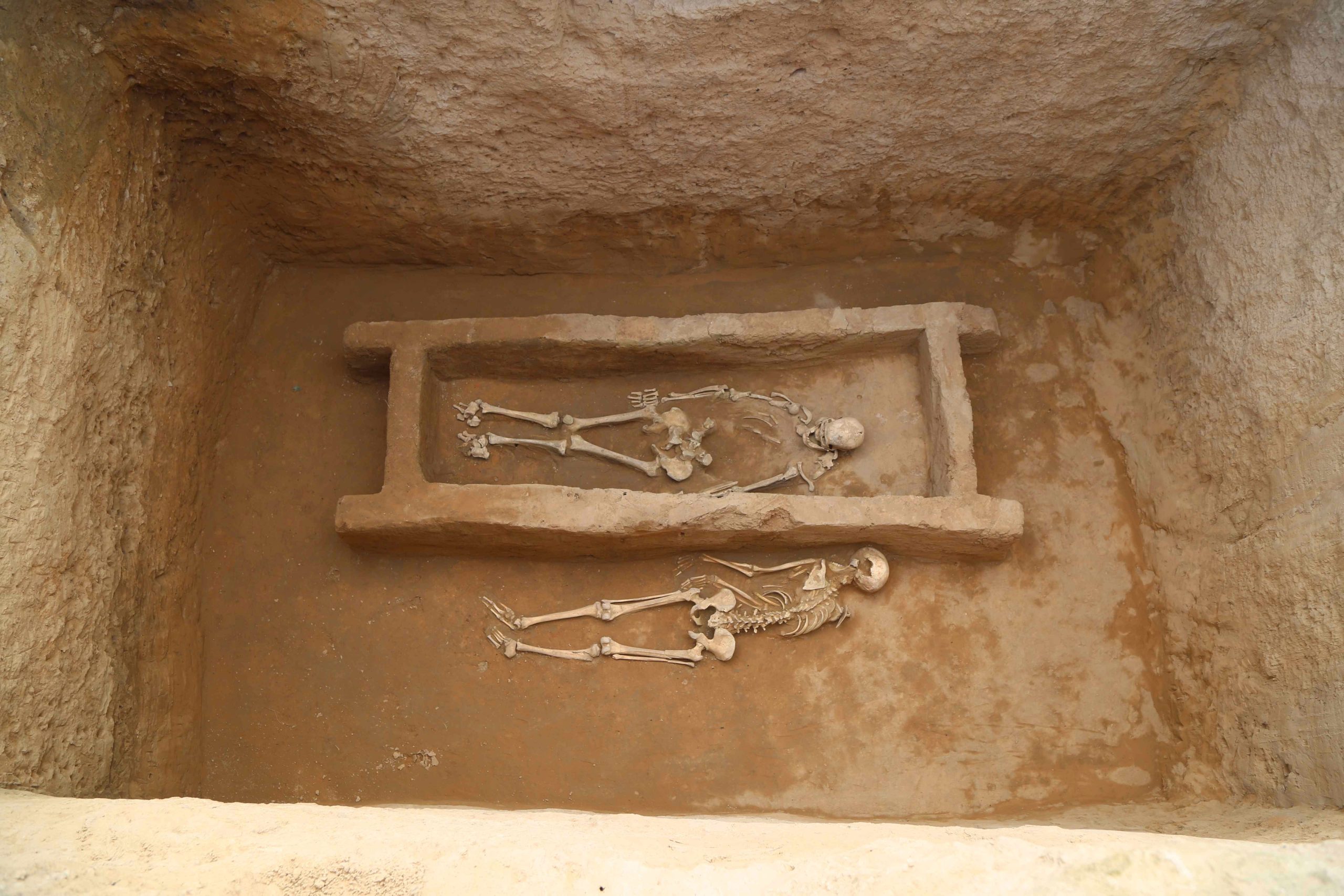
Sacrifice followed gendered patterns
One of Shimao’s most striking finds comes from the East Gate area, where around 80 human skulls were uncovered. No other archaeological site in China had produced such a large number of human skulls before the late Shang period. Genetic analysis also allowed the researchers to reconstruct family pedigrees across as many as four generations, revealing a society organized around patrilineal descent and patrilocal residence.
The results overturn earlier assumptions about who was sacrificed at Shimao’s East Gate. Previous hypotheses suggested that female individuals may have dominated these sacrifices, but the genetic data show that nine out of ten burials there were male.
The pattern was clearly sex specific: male sacrifices were concentrated at the East Gate, while female sacrificial remains were linked to elite cemeteries such as Huangchengtai and Hanjiagedan. This points to ritual practices that were highly organized, with gendered roles connected to different locations and ceremonial purposes.
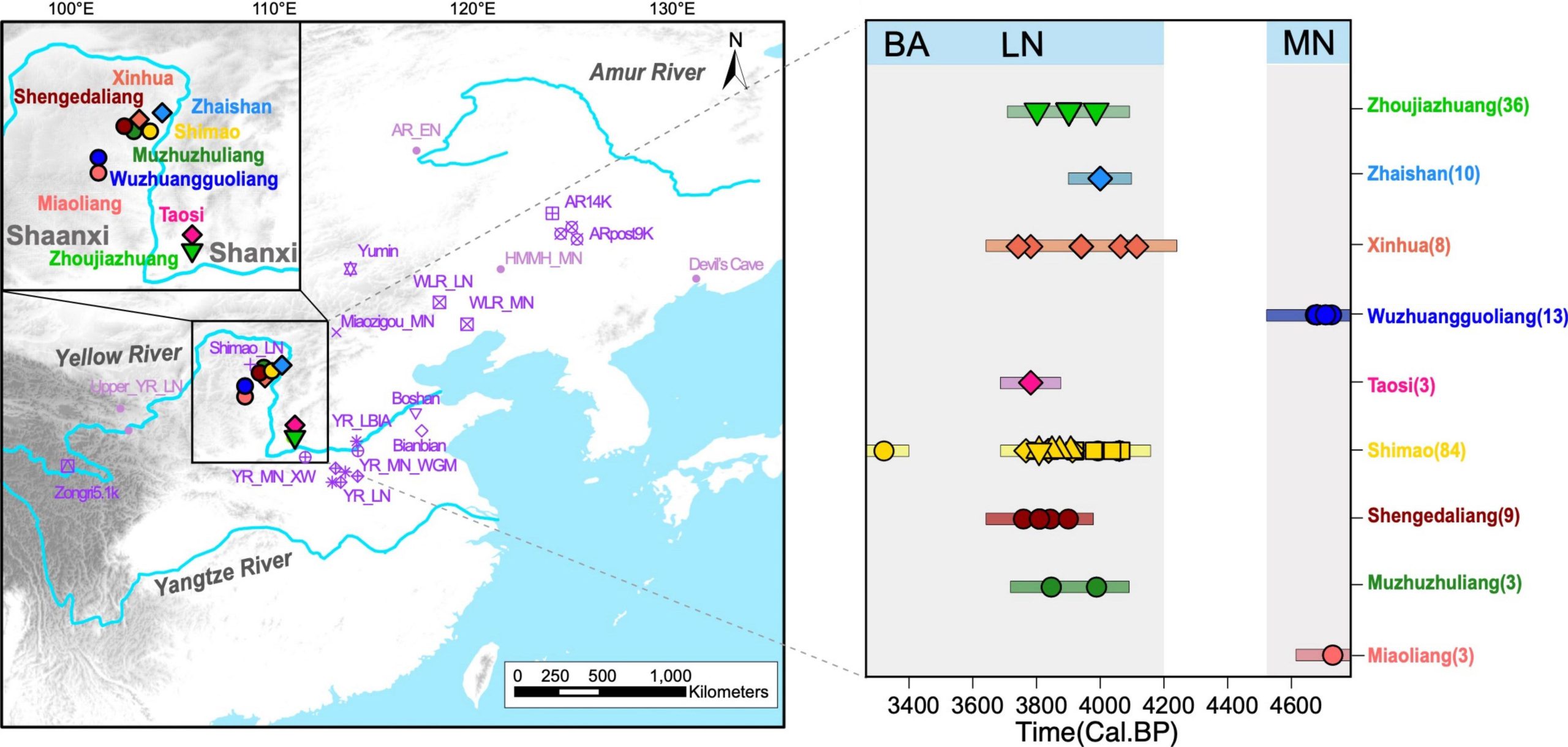
Ancient networks shaped power
The study provides genetic evidence that Shimao cultural populations largely came from local Yangshao-related ancestry in northern Shaanxi, showing both cultural and genetic continuity in the region for at least a millennium. It also identifies close genetic and cultural links between Shimao and populations associated with Taosi Culture (southern Shanxi), steppe Yumin-related groups and southern rice farming communities, pointing to wide interaction among prehistoric farming and pastoral populations.
The research also provides the first direct genetic evidence for investigating how power may have been inherited, how ruling families were composed, and how social ranks formed during the emergence of early East Asian states.
Reference: “Ancient DNA from Shimao city records kinship practices in Neolithic China” by Zehui Chen, Jacob D. Gardner, Zhouyong Sun, E. Andrew Bennett, Qian Han, Xuesong Pei, Jing Shao, Han Shi, Wenjun Wang, Jiayang Xue, Fan Bai, Xiangming Dai, Nu He, Xiaoning Guo, Nan Di, Xiaowei Mao, Tianxiang Liu, Peng Cao, Feng Liu, Qingyan Dai, Xiaotian Feng, Wanjing Ping, Xiaohong Wu, Lizhao Zhang, Liang Chen and Qiaomei Fu, 26 November 2025, Nature.
DOI: 10.1038/s41586-025-09799-x
This work was supported by the Chinese Academy of Sciences (grant YSBR-019), the National Natural Science Foundation of China (grant 41925009), National Key R&D Program of China (grants 2023YFF0905700 and 2020YFC1521601) and Beijing Nova Program (grant Z211100002121040)
Never miss a breakthrough: Join the SciTechDaily newsletter.
Follow us on Google and Google News.