
Ancient DNA is reshaping interpretations of family, childhood, and burial customs in medieval Scandinavia.
In a medieval grave, an adult and a child lie side by side. For generations, archaeologists might reasonably have interpreted such a burial as evidence of a parent and child laid to rest together. Ancient DNA from Scandinavia now shows that this familiar picture was often wrong.
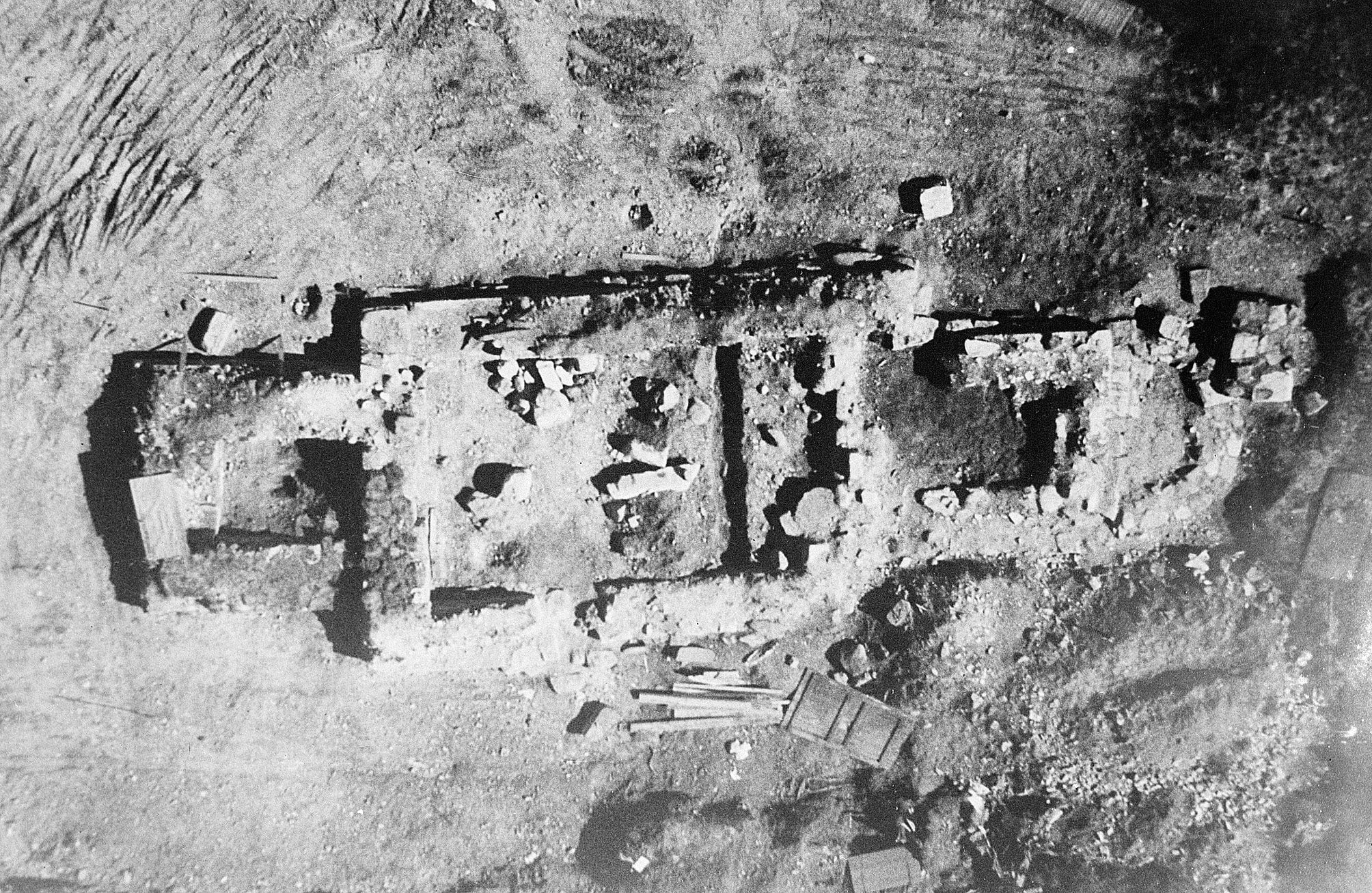
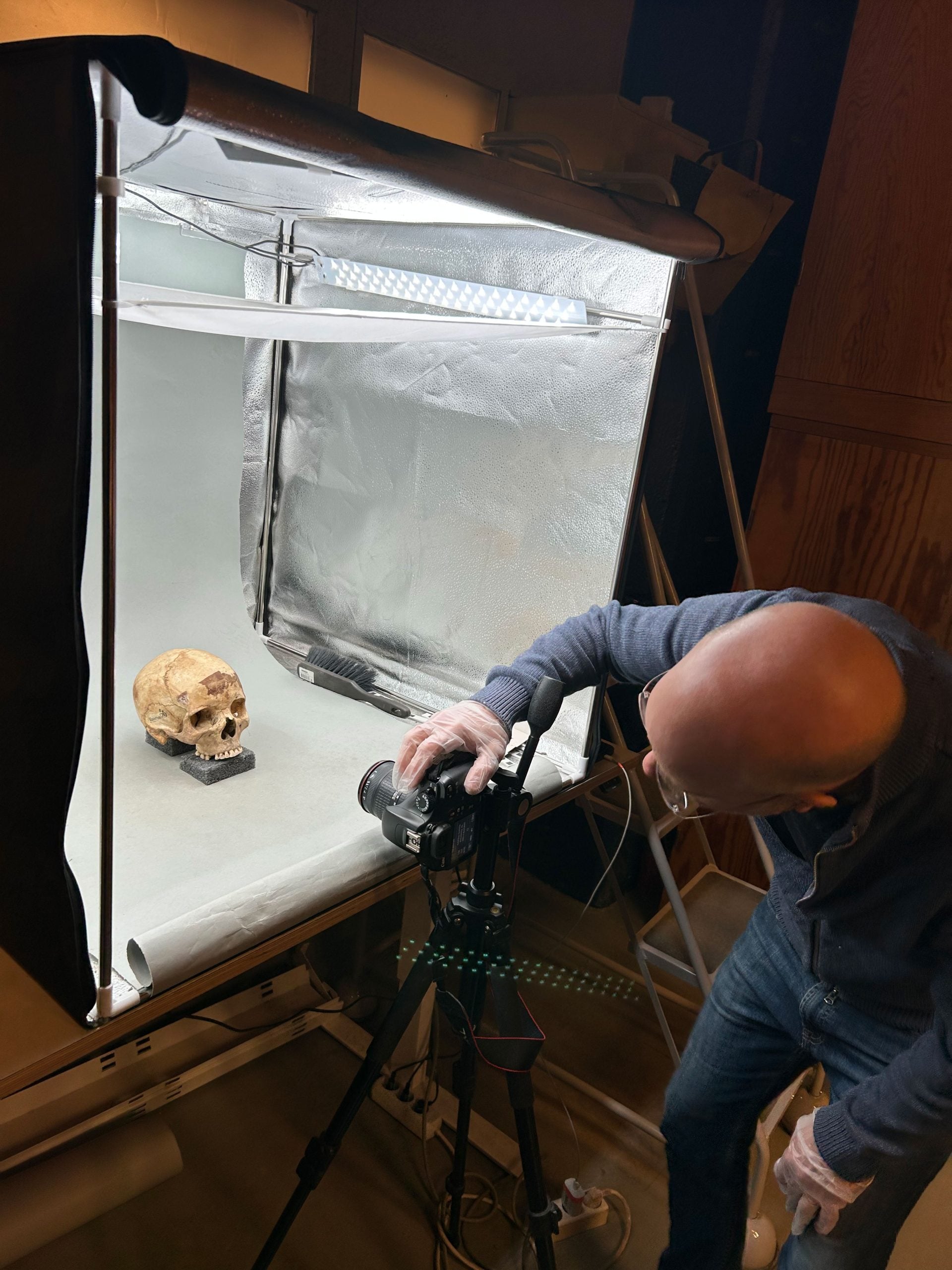
Researchers at Stockholm University analyzed genetic material from 142 people who lived during the late Viking Age and Middle Ages. The group included more than 60 children and adolescents found in shared graves at Sigtuna near Stockholm, Västerhus in Jämtland, and Fjälkinge in Skåne.
By testing biological relationships directly, the researchers could examine whether people buried together were actually members of the same family.
Buried together, but rarely related
The genetic evidence revealed that close relatives rarely shared the same grave, even in cemeteries where researchers found many family connections among the wider population.
”We often assume that adults and children sharing a grave were parents and children or other close family members. In most cases, that was not what we found,” says Maja Krzewińska, Centre for Palaeogenetics, Department of Archaeology and Classical Studies, Stockholm University, lead author of the study.
The result changes how these burials can be interpreted. If shared graves did not usually reflect close biological relationships, other influences must have shaped who was buried together. Those influences may have included religious customs, social connections, community membership, or circumstances surrounding death, although the evidence does not establish one explanation for every grave.
”Archaeologists have debated the relationships between people buried together in this type of grave for a long time. Ancient DNA has finally given us the tool we have been waiting for to test these interpretations directly,” says Anna Kjellström, researcher at the Department of Archaeology and Classical Studies, Stockholm University.
Children were buried like adults
The DNA evidence also helped researchers investigate how early Christian Scandinavian communities viewed children. Skeletal analysis alone cannot always determine the biological sex of very young individuals because the physical differences used by osteologists, specialists who study bones, have not fully developed. Genetic testing provided information that the bones could not.
The burial patterns showed that boys and girls were commonly treated according to the same cemetery practices applied to adult men and women. At Västerhus, for example, men and women were generally placed on different sides of the churchyard. Boys were buried on the male side, while girls followed the pattern established for women.
This arrangement suggests that these communities recognized gender distinctions early in childhood rather than placing all young people into a separate social category.
”The children were not treated as a separate category. In death, they appear to have been treated according to the same social and religious principles as adult men and women,” says Anders Götherström, Professor of Molecular Archaeology, Centre for Palaeogenetics, Department of Archaeology and Classical Studies, Stockholm University.
DNA reveals a medieval pilgrim’s family
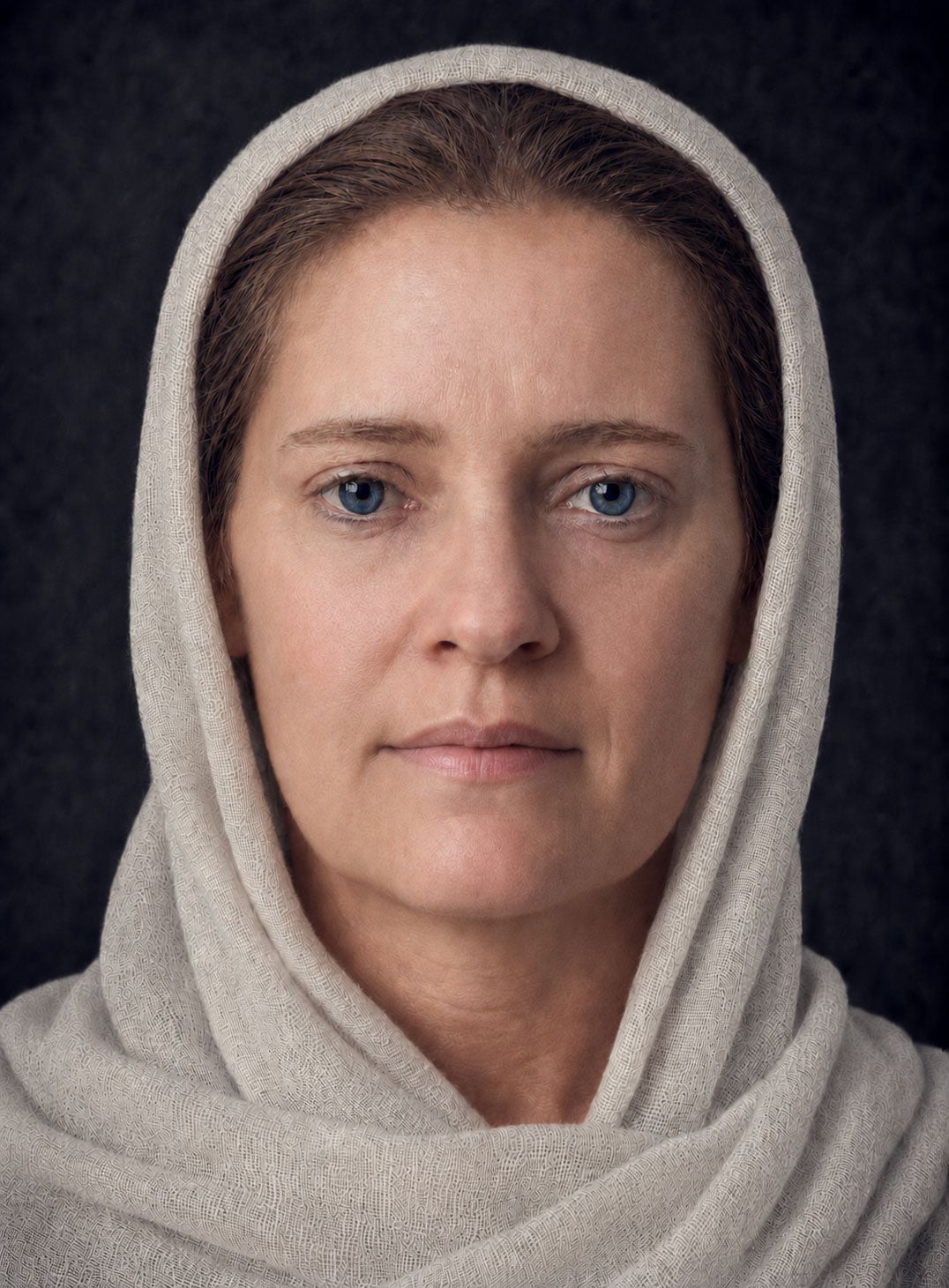
One burial at Västerhus offered a more personal view of medieval life. A woman identified by researchers as Lady 56 was genetically connected to several other people in the churchyard. The DNA linked her to her mother and father, her brother, and two daughters, allowing researchers to reconstruct part of a family that lived centuries ago.
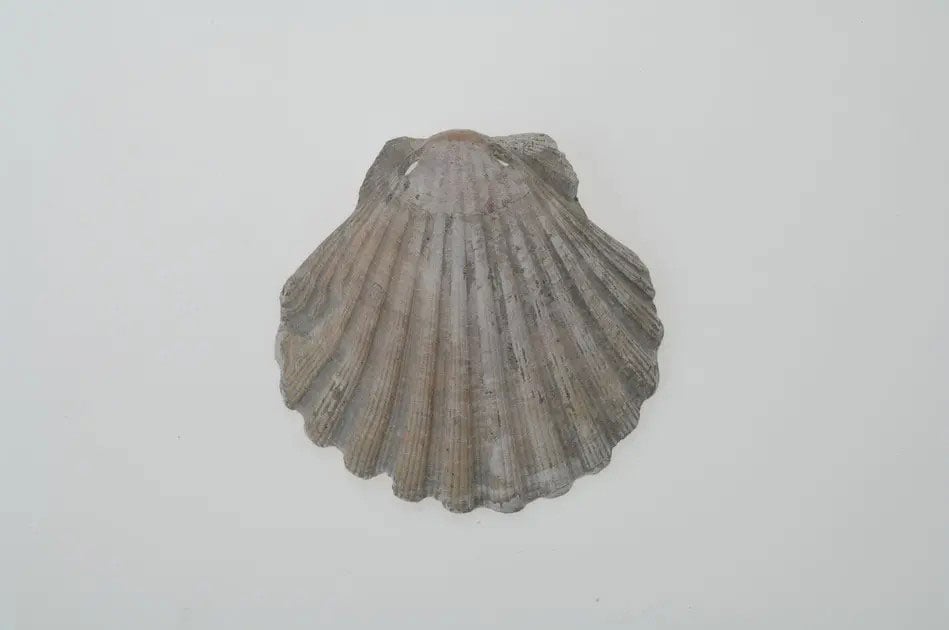
Yet Lady 56 may also have traveled far beyond her home in Jämtland. Her grave contained a scallop shell, an unusual object in a medieval Scandinavian burial and a recognized symbol of pilgrimage to Santiago de Compostela in northwestern Spain.
The shell suggests that Lady 56 may have completed one of medieval Europe’s most important religious journeys. Reaching Santiago de Compostela would have required her to travel thousands of kilometers across Europe before returning to Scandinavia. She died before reaching the age of 30, while her parents, brother, and daughters were buried in different areas of the same cemetery.
The findings show how archaeogenetics, the use of genetic evidence to study ancient people, can reveal more than family relationships. When combined with graves, objects, and burial locations, DNA can help reconstruct how medieval people organized communities, understood childhood and gender, practiced religion, traveled, and chose where to bury their dead.
Reference: “Equal in death: Ancient genomic analysis of children’s early Christian burials” by Maja Krzewińska, Anna Kjellström, Reyhan Yaka, Ricardo Rodríguez-Varela, Zoé Pochon, Vendela Kempe Lagerholm, Charlotte Hedenstierna-Jonson, Torun Zachrisson, Natalija Kashuba, Verónica Sobrado, Thijessen Naidoo, Kıvılcım Başak Vural, Mattias Jakobsson, Gülşah Merve Kılınç, Jan Storå and Anders Götherström, 10 July 2026, Science Advances.
DOI: 10.1126/sciadv.aeb8588
Never miss a breakthrough: Join the SciTechDaily newsletter.
Follow us on Google and Google News.
2 Comments
Science does not understand family.
Family is often more by honor and kindred than blood in civilized societies.
Only in “Every man for himself!” cultures is family by blood alone.
What if they were assumed to be related while still living? What if there was an affair, rape, or even polyamorous relationships? These circumstances are way more common than anyone will ever admit, even today. Nobody knows that time periods true customs. Everything is just an educated guess, often guessed wrong. Ancient history should be explored with uncomfortable and hard inquiries in order to pinpoint the truth. It’s hard to take an expert who is a fanatic very serious because they get stuck on ideas, tropes, etc., and bottleneck their theories to fit their narratives. Let’s be honest.. no one knows anything truly about ancient history as a fact. The things we dig up and find were lost to history. All we can do is catalogue it, compare it, and infer. To say we absolutely know anything at all as fact would be a lie. Even the mummies we find can’t be proven to be those people even if they are resting in the places of the people who are labeled to be there. Without a Time Machine we will never know anything. Keep an open mind, don’t become bottlenecked just ti prove yourself right in one theory. Thats bad science.