
Close Menu
    Facebook X (Twitter) Instagram
    SciTechDaily
    • Biology
    • Chemistry
    • Earth
    • Health
    • Physics
    • Science
    • Space
    • Technology
    Facebook X (Twitter) Pinterest YouTube RSS
    SciTechDaily
    Home»Health»Natural Compound in Broccoli Could Help Treat a Rare, Incurable Neurological Disease
    Health

    Natural Compound in Broccoli Could Help Treat a Rare, Incurable Neurological Disease

    By Swinburne University of TechnologyAugust 21, 2026No Comments3 Mins Read
    Facebook Twitter Pinterest Telegram LinkedIn WhatsApp Email Reddit
    Share
    Facebook Twitter LinkedIn Pinterest Telegram Email Reddit
    Scientist Analyzes Broccoli
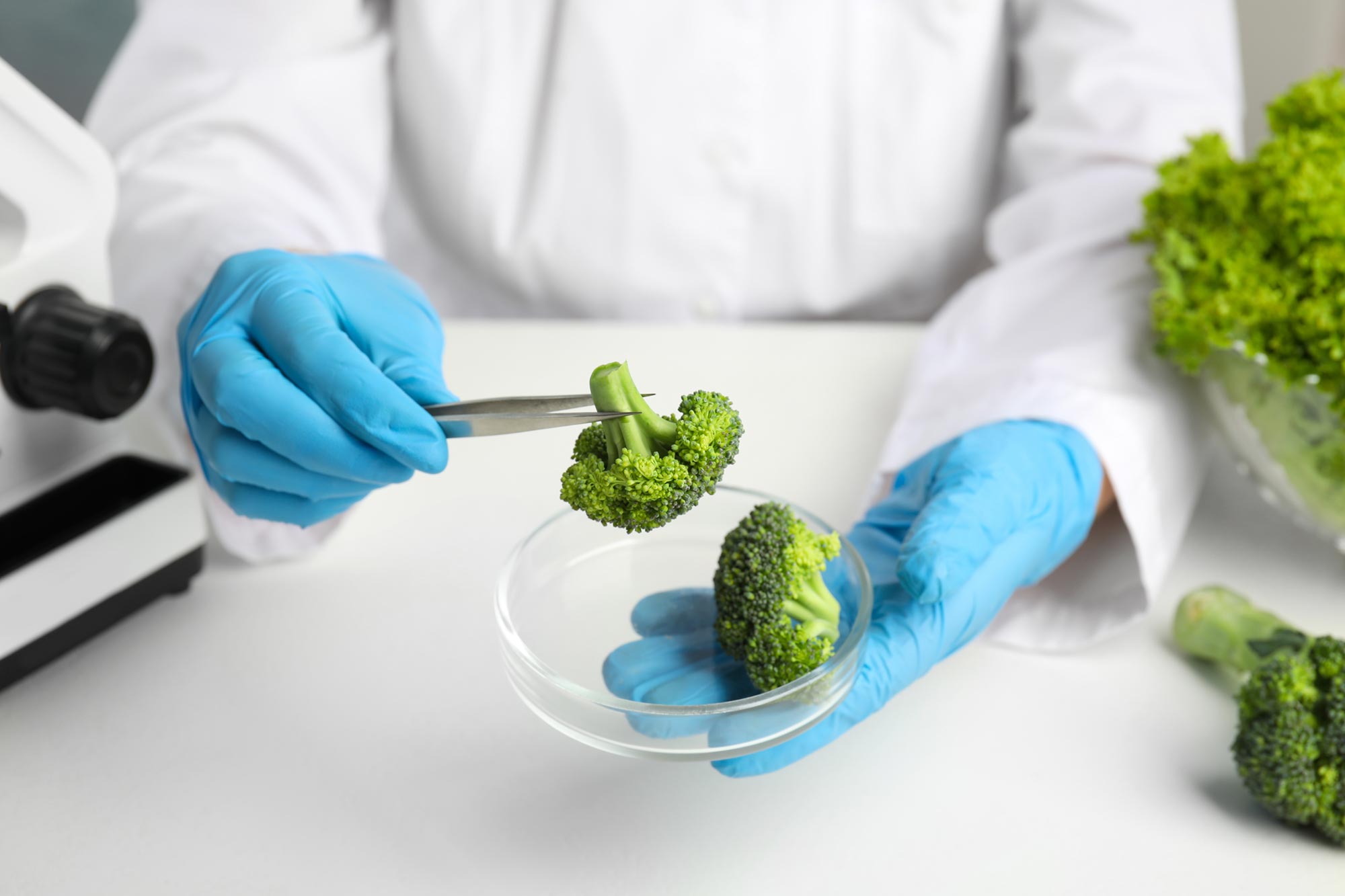
    Friedreich ataxia is a rare inherited neurological disorder that progressively affects movement, coordination, and speech. Researchers are now investigating sulforaphane, a natural compound found in broccoli, as a potential way to boost the deficient protein linked to the disease and protect nerve cells. Credit: Shutterstock

    Swinburne researchers have discovered how broccoli could help treat an extremely rare and incurable disease that affects only about 200 Australians.

    A naturally occurring compound in broccoli is being investigated as a possible treatment for Friedreich ataxia, a rare nervous system disease. Research from Swinburne suggests the compound can act on biological processes involved in the condition.

    Friedreich ataxia develops as neurons in the brain and spinal cord deteriorate, progressively affecting movement, speech, and survival. Around 200 Australians have the disease, for which there is currently no cure.

    Broccoli compound raises a key protein

    The research found that sulforaphane, a natural compound present in broccoli, can raise levels of frataxin, the protein that is deficient in people with Friedreich ataxia. It also helped protect vulnerable nerve cells from damage.

    Sulforaphane has also been found to affect several disease-related processes, including cellular stress and inflammation.

    Children have few treatment options

    Swinburne Associate Professor Faith Kwa, the study’s lead author, says the findings are particularly important because there are currently no approved treatments specifically for children, even though children account for most people affected by the disease.

    “Friedreich ataxia is a devastating rare genetic disease that progressively steals a child’s ability to walk, speak, play, and ultimately survive,” she says.

    “This novel therapeutic agent can target the underlying cause of the disease, while delivering an affordable and accessible therapy worldwide, improving treatment opportunities for families affected by this life-limiting disease.

    “This discovery brings us closer to a future where children with Friedreich ataxia experience a better quality of life, greater independence, and an improved chance of long-term survival.”

    Clinical trials are the next hurdle

    Associate Professor Kwa says the rarity of Friedreich ataxia means that public awareness is limited, which can make securing research funding more difficult.

    “We are hoping to gain funding to conduct clinical trials and further prove the positive impact the broccoli compound could have on those suffering from Friedreich ataxia,” she says.

    “Sulforaphane already has an established safety record in children and adults, and its pure and bioactive form is commercially available. This means if clinical trials prove successful, its rollout could accelerate the path to patient impact.

    “Even if we can raise awareness of this debilitating condition or improve one person’s quality of life, our efforts will have been worth it.”

    Reference: “Unlocking Sulforaphane’s Potential in Friedreich Ataxia: Further Evidence from Preclinical Investigations Using Induced Pluripotent Stem Cell-Derived Sensory Neurons” by Wenyao Yang, Bruce Thompson, Sara Miellet, Marnie Maddock, Marek Napierala, Mirella Dottori and Faith A. A. Kwa, 22 February 2026, Antioxidants & Redox Signaling.
    DOI: 10.1177/15230864261470377

    Never miss a breakthrough: Join the SciTechDaily newsletter.
    Follow us on Google and Google News.

    Inflammation Neurology Neuroscience Stem Cells Swinburne University of Technology
    Share. Facebook Twitter Pinterest LinkedIn Email Reddit

    Related Articles

    Long COVID Brain Scans Reveal Damage to Dopamine Neurons

    Smoking Rots the Brain & Lowers Cognitive Performance

    Neural Connection Between Infant Stress & Depression in Teenage Girls

    Disrupted Sleep Patterns Linked to Alzheimer’s

    Stem Cells in Hippocampus React by “Listen in” on Nearby Neurons

    Examining the Relationship Between Diabetes and Cognitive Decline

    Controlled Trial Shows Cannabis Reduces Some Symptoms of MS

    Researchers Develop Gene Therapy, Promotes Remyelination in a Mouse Model of MS

    Scientists Create Brain Cells from Skin Cells

    Leave A Reply Cancel Reply

    • Facebook
    • Twitter
    • Pinterest
    • YouTube

    Don't Miss a Discovery

    Subscribe for the Latest in Science & Tech!

    Trending News

    Scientists Simulated the Universe – And Discovered the Milky Way May Be One of the Best Places for Life

    “Something out of Science Fiction” – Astronomers Discover a Star That Glows a Bizarre Shade of Green

    Scientists Discover a Surprising New Effect of a Popular Blood Pressure Drug

    Scientists Discover a 99-Million-Year-Old Insect With a Bizarre Feature Never Seen in Living Species

    Scientists Discover an Unexpected Problem With a Cancer Drug Already in Human Trials

    NASA Is About to Investigate What Lies Beneath a Giant Hole on the Moon

    NASA Captures a Strange Formation on Earth With a Surprising Lunar Connection

    Scientists Discover a Surprising Shortcut to Nuclear Fusion

    Follow SciTechDaily
    • Facebook
    • Twitter
    • YouTube
    • Pinterest
    • Newsletter
    • RSS
    SciTech News
    • Biology News
    • Chemistry News
    • Earth News
    • Health News
    • Physics News
    • Science News
    • Space News
    • Technology News
    Recent Posts
    • 75,000-Year-Old Neanderthal Skeleton Reveals a Mysterious Spear Wound Aimed at the Heart
    • NASA’s Roman Space Telescope Is Sharper Than Anyone Expected
    • 40 Years of Superconductor Science Just Got Turned Upside Down by a Stunning Discovery
    • Study Uncovers a Surprising New Way Deadly Brain Cancer Spreads
    • Scientists May Have Solved a Billion-Year-Old Mystery About DNA’s Evolution
    Copyright © 1998 - 2026 SciTechDaily. All Rights Reserved.
    • Science News
    • About
    • Contact
    • Editorial Board
    • Privacy Policy
    • Terms of Use

    Type above and press Enter to search. Press Esc to cancel.