

Pterostilbene, a compound found naturally in some foods, affects how skeletal muscles process fats by stabilizing a protein called PPARδ and increasing its signaling activity.
Pterostilbene, a natural compound found in blueberries, grapes, and other berries, may help muscle cells clear excess fat by protecting a protein that regulates how they use it. Researchers in Japan found that the compound reduced fat buildup in cultured mouse skeletal muscle cells, with experiments pointing to increased breakdown and use of stored lipids.
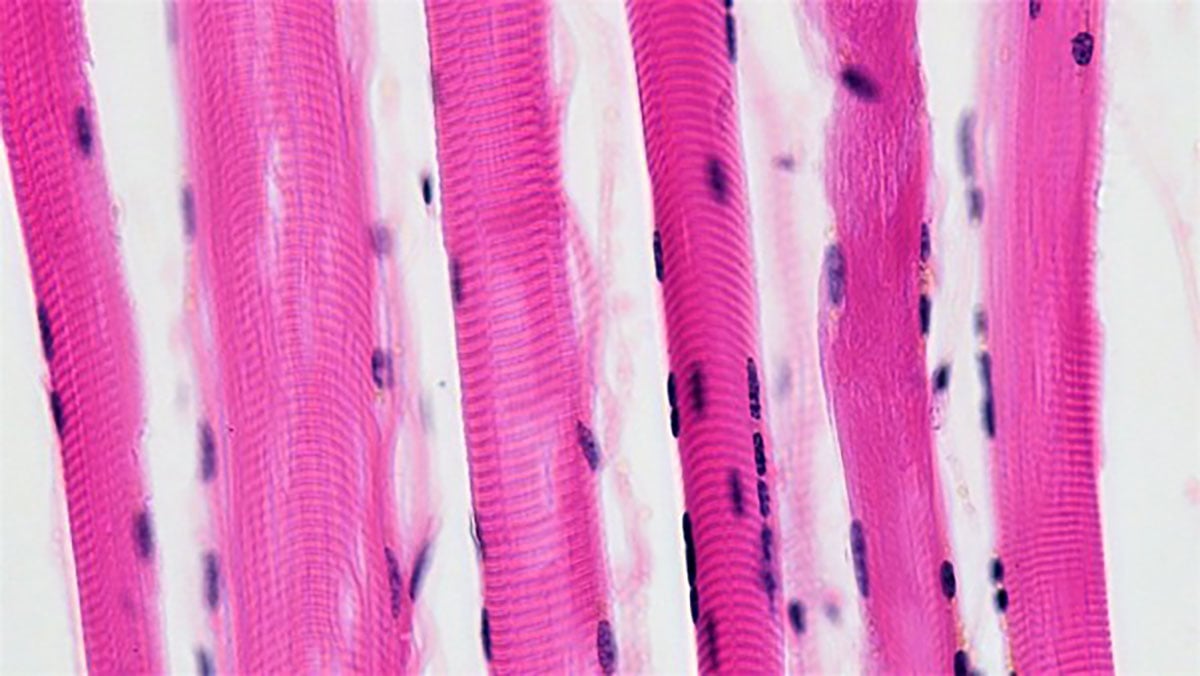
Excess fat inside skeletal muscle cells can interfere with their ability to use glucose and fatty acids efficiently. Unlike fat stored beneath the skin, these intracellular lipid droplets can disrupt normal muscle function. High-fat diets, inactivity, and aging can all drive this abnormal buildup, known as myosteatosis. It reduces metabolic flexibility, the ability to adjust fuel use, and contributes to insulin resistance, in which cells respond less effectively to insulin.
Preserving a regulator of fat metabolism
The research team, led by Associate Professor Takakazu Mitani of Shinshu University, traced pterostilbene’s effects to peroxisome proliferator-activated receptor δ, or PPARδ. This receptor protein helps switch on genes involved in burning fatty acids for energy. Most experimental drugs designed to stimulate PPARδ bind directly to it. Pterostilbene instead protected the protein from the ubiquitin–proteasome pathway, the cellular system that tags proteins for disposal and breaks them down. Keeping more PPARδ available increased its activity in regulating genes associated with lipid metabolism.
Pterostilbene did not prevent fatty acids from entering the muscle cells. Instead, treated cells released more glycerol, an indicator of fat breakdown. They also increased the expression of genes involved in fatty acid oxidation, the process of using fatty acids for energy. Together, these findings indicate that the compound promoted both the breakdown of stored lipids and their subsequent use.

Pterostilbene outperformed the other compounds tested
Pterostilbene is a polyphenol, a type of naturally occurring plant compound. Earlier research had associated it with beneficial metabolic effects in the liver and adipose, or fat, tissue, but its role in skeletal muscle was less well understood. Researchers had also been exploring food-derived compounds as possible regulators of PPARδ, though the molecular mechanisms remained unclear.
“We currently lack approved treatments specifically targeting myosteatosis,” says Mitani. “This critical gap led our team to screen food-derived compounds for natural, dietary interventions. During the screening, we identified pterostilbene and focused our investigation on uncovering its precise mechanism of action.”
The team tested a panel of food-derived plant chemicals in cultured C2C12 mouse skeletal muscle cells. Pterostilbene produced the strongest suppression of abnormal intracellular lipid accumulation among the compounds tested. It also maintained normal cell growth and differentiation, the process through which cells develop their specialized muscle characteristics.
The research was made available online on July 16, 2026, with publication scheduled for September 1, 2026, in Volume 83 of Food Bioscience.
Health benefits remain unproven
“Our findings establish a scientific framework for developing functional foods and nutritional supplements that target muscle fat metabolism. However, beyond the potential of pterostilbene itself, this work provides an experimental framework for identifying other natural compounds that can stabilize the PPARδ protein,” Mitani said.
Whether these cellular effects could help prevent or treat obesity, type 2 diabetes, or age-related metabolic decline remains unproven. Rigorous studies in living organisms are needed to assess whether pterostilbene is effective, safe, and selective in its action on PPARδ before these findings can be translated into nutritional or pharmaceutical applications.
Reference: “Pterostilbene suppresses intracellular lipid accumulation in C2C12 myocytes via PPARδ stabilization” by Maaya Suzuki, Miu Iwasaki, Yasuki Higashimura, Tomohide Takaya and Takakazu Mitani, 16 July 2026, Food Bioscience.
DOI: 10.1016/j.fbio.2026.109519
Never miss a breakthrough: Join the SciTechDaily newsletter.
Follow us on Google and Google News.