

A compound in aged garlic extract may help reduce age-related muscle decline by activating anti-aging pathways connecting fat tissue, the brain, and muscles.
Can a compound found in a common kitchen ingredient help protect muscle health as people age? New research suggests the answer may be yes.
Researchers found that S-1-propenyl-L-cysteine (S1PC), a bioactive compound in aged garlic extract, may have anti-aging benefits. The compound appears to strengthen communication between fat tissue and the brain, which in turn improves muscle strength and could help reduce muscle frailty in older adults.
A research team in Japan from the Institute for Research on Productive Aging (IRPA) in Tokyo and Wakunaga Pharmaceutical Co. in Hiroshima investigated how S1PC affects muscle function during aging. IRPA is a nonprofit aging research organization founded in 2019, while Wakunaga is a global leader in aged garlic extract products. Their findings were published online in Cell Metabolism.
“During my clinical experience as a physical therapist, I was often frustrated to see older adults lose physical function and vitality simply because they had no specific disease requiring medical treatment. This gap in proactive care has driven my research,” shares Dr. Kiyoshi Yoshioka, one of the equally contributing first authors of this study. “We hope our findings will help improve fitness and muscle strength in older individuals by the simple inclusion of a nutraceutical as part of the daily diet.”
Aging Population Drives Demand for Evidence-Based Nutraceuticals
Interest in aging research has grown as populations continue to get older worldwide and healthcare systems face rising burdens linked to muscle frailty in aging adults. Although medications targeting age-related conditions exist, they are often expensive and difficult to sustain over time.
At the same time, many health-focused diets and supplements still lack strong scientific evidence. To address this issue, researchers from IRPA and Wakunaga studied natural compounds in aged garlic extract (AGE) to identify science-based anti-aging interventions.
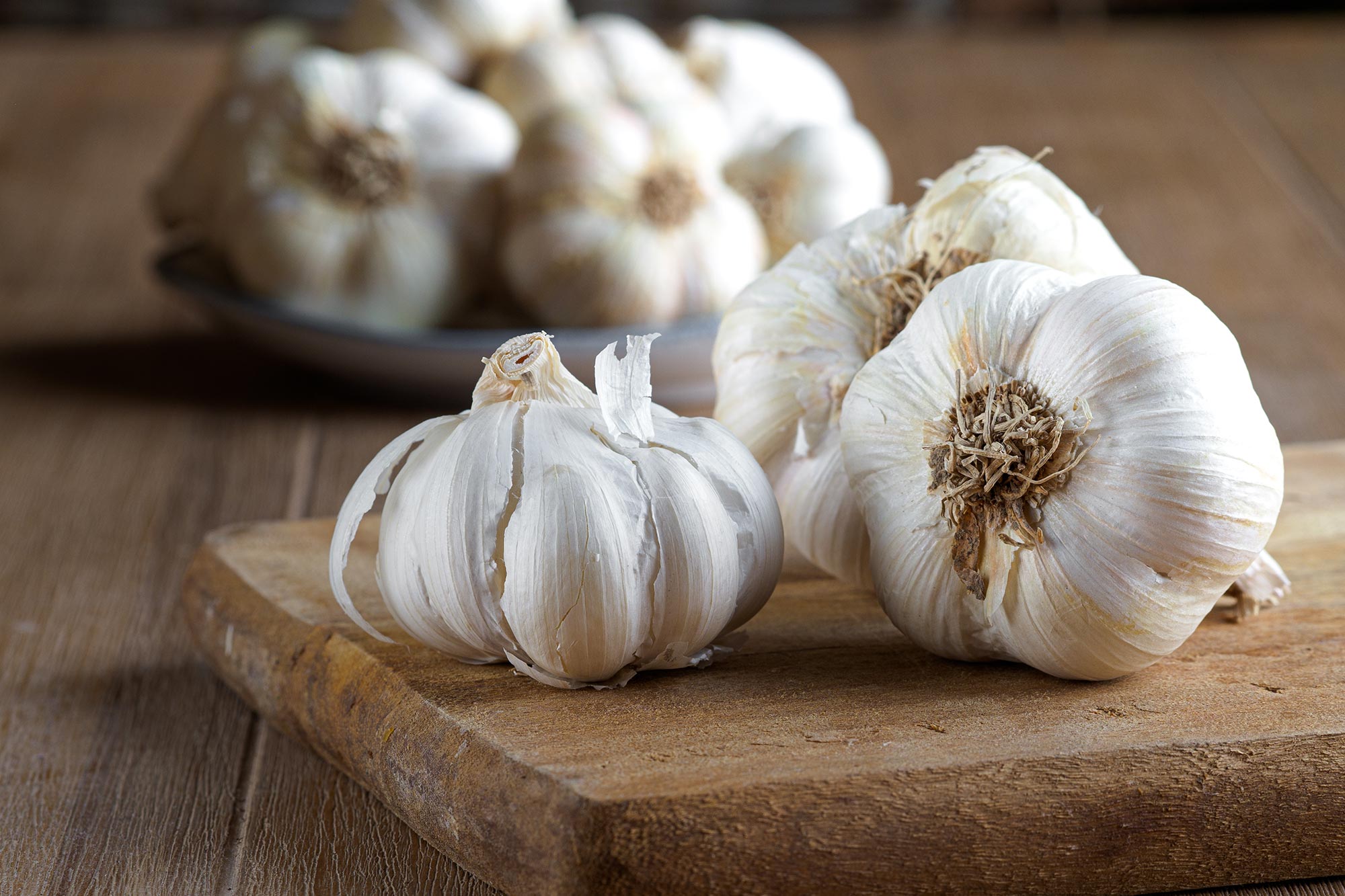
The team discovered that S1PC activates liver kinase B1 (LKB1), an enzyme that regulates cellular metabolism. The compound also helps form a protein complex involving LKB1, which activates the SIRT1 pathway. This process increases secretion of extracellular NAMPT (eNAMPT) from adipose (fat) tissue. eNAMPT plays an important role in producing NAD+, a molecule essential for cell protection, DNA repair, and energy production.
Instead of acting directly on muscle tissue, eNAMPT contained in extracellular vesicles (eNAMPT-EVs) travels through the bloodstream from fat tissue to the hypothalamus, a major control center in the brain. This signaling increases sympathetic nervous system activity, which is linked to improved muscle performance. The researchers say this reveals a newly identified communication pathway connecting fat tissue, the brain, and skeletal muscle that may influence age-related physical decline.
S1PC Strengthens Muscle Through Fat-Brain Communication
The researchers also tested S1PC in aged mice. Long-term treatment lowered frailty scores, increased skeletal muscle strength, and restored core body temperature. In a human study, S1PC increased circulating eNAMPT levels, especially in participants with sufficient fat tissue. The researchers noted that the effect of S1PC on eNAMPT-EV secretion was consistent across cells, mice, and humans, highlighting its potential as an anti-aging intervention.
Discussing the findings, Dr. Shin-ichiro Imai, chairman of IRPA, says, “Our findings present a previously unrecognized and unique function of S1PC in activating LKB1 and in promoting an inter-organ communication that ameliorates muscle frailty. We anticipate that S1PC is likely to have a broader anti-aging effect that warrants detailed investigation.”
Researchers say S1PC could become a nutraceutical option for addressing age-related muscle decline and may work alongside other strategies, including NAD⁺-boosting compounds. Because aged garlic extract has been consumed for generations without reported adverse effects, S1PC may also have a favorable safety profile.
Future Research on Muscle Frailty and Longevity
Looking ahead, Dr. Imai says, “We have succeeded in expanding the current understanding of how different organs coordinate responses during aging. Further research is needed to determine improvements in muscle function in humans and to evaluate the long-term effects of S1PC. The presence and possible role of LKB1 in the brain also needs evaluation.”
By uncovering how S1PC affects muscle function, the study opens new possibilities for understanding and potentially reducing age-related physical decline.
Reference: “Garlic-derived metabolite activates LKB1, promotes adipose eNAMPT secretion, and improves age-related muscle function via hypothalamic signaling” by Jun-ichiro Suzuki, Kiyoshi Yoshioka, Masahiro Kurita, Takumi Sugimoto, Takahiro Eguchi, Naoki Ito, Aoi Kodama, Yasutomi Kamei, Masahiro Ohtani, Toshiaki Matsutomo and Shin-ichiro Imai, 7 May 2026, Cell Metabolism.
DOI: 10.1016/j.cmet.2026.04.006
This project was carried out under the sponsored research agreement between the IRPA and Wakunaga Pharmaceutical Co., Ltd.
Never miss a breakthrough: Join the SciTechDaily newsletter.
Follow us on Google and Google News.
3 Comments
Known for millenia in the east. Why are so-called “scientists” acting like this is some new discovery?
It’s not enough that it’s been known for millennia, you also need to know why. They didn’t know about S-1-propenyl-L-cysteine (S1PC).
Fair point