
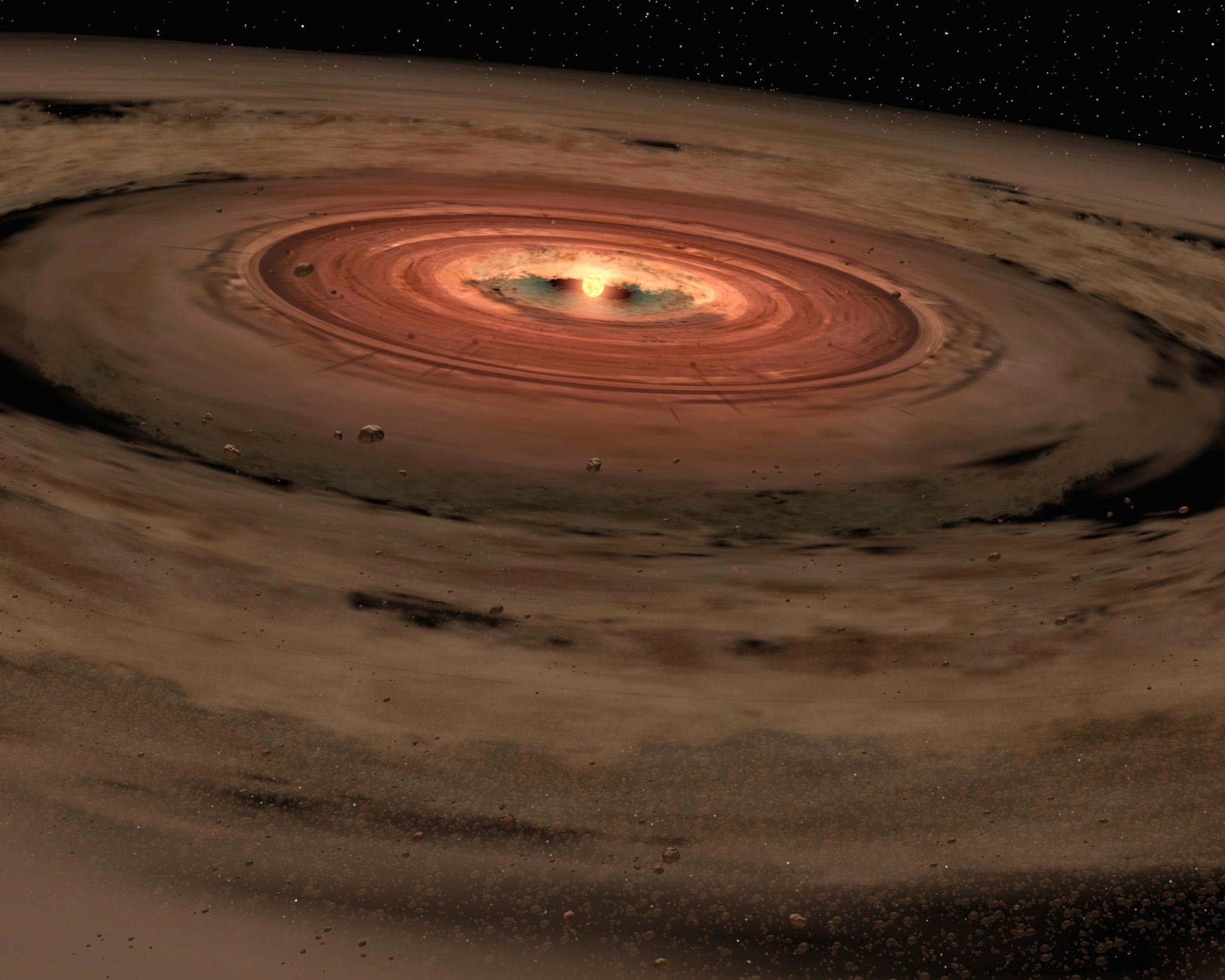
A study led by Yale provides the first chemical evidence that gas began sorting the building materials for the solar system’s earliest solid bodies sooner than previously known.
If the outer solar system’s first solid bodies had come with a recipe, it would have called for a generous helping of chondrules, millimeter-sized beads of rock forged by heat, and very little icy dust. That dust, known as matrix, carried water ice and organic molecules, yet only a small share made it into the earliest bodies researchers studied.
A Yale-led team has now found the first geochemical evidence that this preference for chondrules was already established within the solar system’s first million years. Previous evidence of such sorting came from objects that formed 2 to 4 million years after the solar system began.
Reconstructing that early mixture meant looking for ingredients that no longer physically survive. The researchers examined iron meteorites from parent bodies that had melted completely, destroying the chondrules inside them. Chemical traces preserved through that melting allowed the team to work backward to the original proportions. The findings were published September 18 in Nature Astronomy.
“These ubiquitous little beads of rock are the basic building blocks from which the planets themselves were eventually assembled,” said study first author Damanveer Grewal, an assistant professor of Earth and planetary sciences in Yale’s Faculty of Arts and Sciences. “And now we know they were already being sorted and incorporated into the first generation of solid bodies from the very start.”
Two tracers recover the original recipe
Those early bodies, called planetesimals, had accumulated enough radioactive aluminum-26 to generate the heat responsible for their melting. No preserved bodies from the first million years retain their original, unmelted mixture of chondrules and matrix, so the researchers needed another way to determine their composition.
Grewal and his colleagues used two independent chemical tracers linked to matrix. Sulfur is concentrated in matrix, so it can help reveal how much dust a parent body originally contained. The oxidation state of iron, a measure of its chemical condition, provides a separate indication of how much water ice and oxidized dust went into that body.
Both measurements pointed to an original matrix content of just 8% to 17%, lower than that found in any known chondrites, the primitive meteorites that still contain chondrules.
“Both tracers independently tell the same story: these early planetesimals were remarkably matrix-poor,” Grewal said. “That convergence is what makes the result robust.”
Chondrules dominated the earliest bodies
The reconstruction reaches further back in time than the evidence preserved in carbonaceous chondrites from the outer solar system. These primitive, stony meteorites contain organic compounds and water alongside silicate minerals. Researchers already knew that earlier-forming carbonaceous chondrites had more chondrules and less matrix than those that formed later. That pattern suggested that the regions where planetesimals assembled favored the rocky beads over icy dust, but it could not establish the mixture in the first generation of bodies.
“Our work shows that this assembly process was remarkably selective from the very beginning,” Grewal said. “The earliest bodies in the outer solar system were built from 83% to 92% chondrules, with very little of the icy, volatile-rich dust that dominates later-forming objects.”
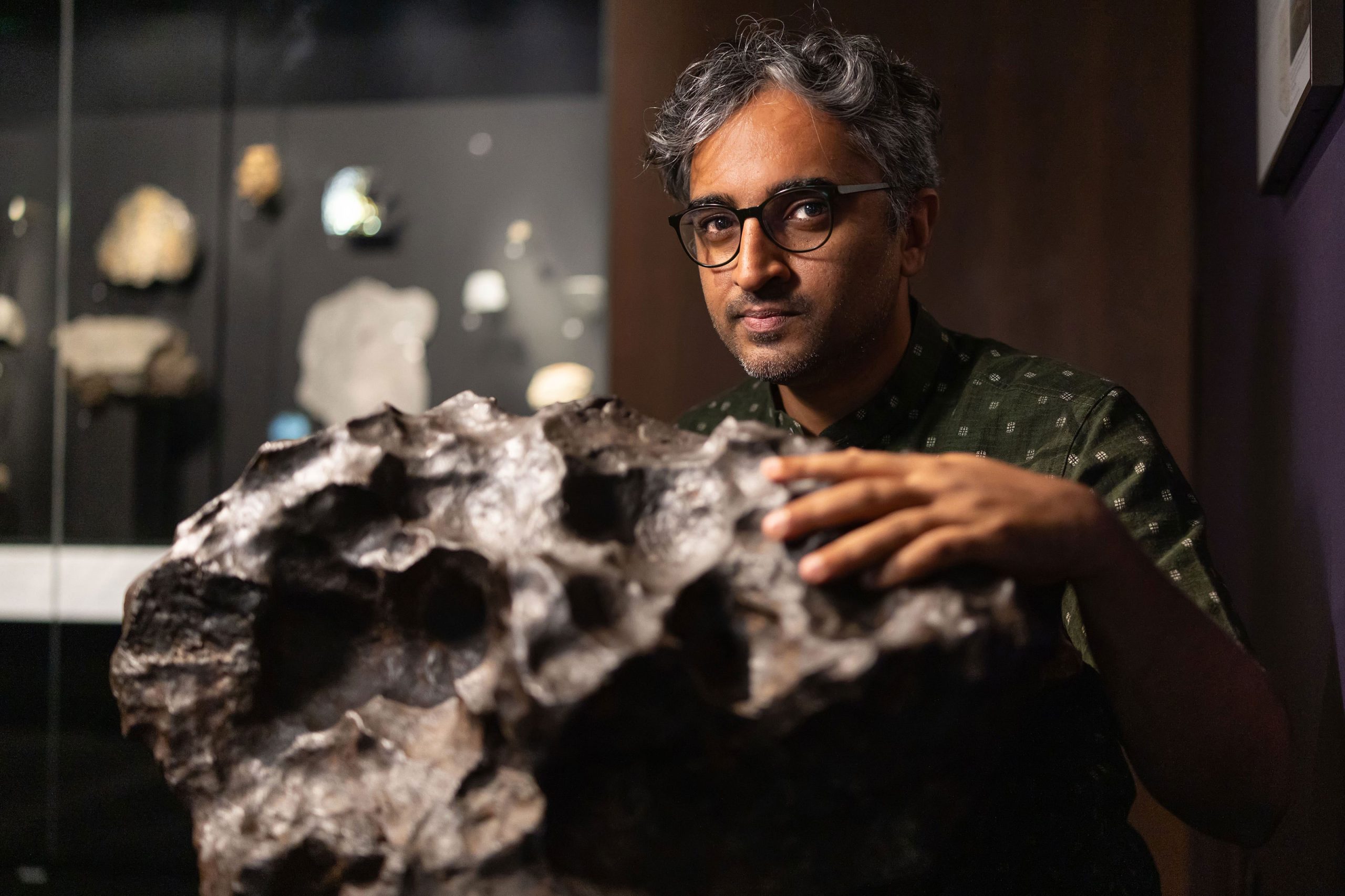
The chondrules preserved in chondrites offer a tangible connection to this ancient process. Chondrites are the most primitive meteorites in geological collections, allowing researchers to examine material that escaped the complete melting experienced by the iron meteorites’ parent bodies.
“You can hold them in your hand and know that they began as part of a process that started billions of years ago,” Grewal said. “It’s a timescale that’s hard to wrap your head around.”
The findings also help explain why older chondrules are scarce in the meteorite record, Grewal said. They were incorporated into early bodies that subsequently melted, erasing the beads while leaving chemical clues to their former presence.
Reference: “Planetesimal compositions governed by aerodynamic sorting from the onset of Solar System formation” by Damanveer S. Grewal, Zhongtian Zhang and Joanna Drążkowska, 18 September 2026, Nature Astronomy.
DOI: 10.1038/s41550-026-02976-6
Funding for the research came from Yale University.
Never miss a breakthrough: Join the SciTechDaily newsletter.
Follow us on Google and Google News.