
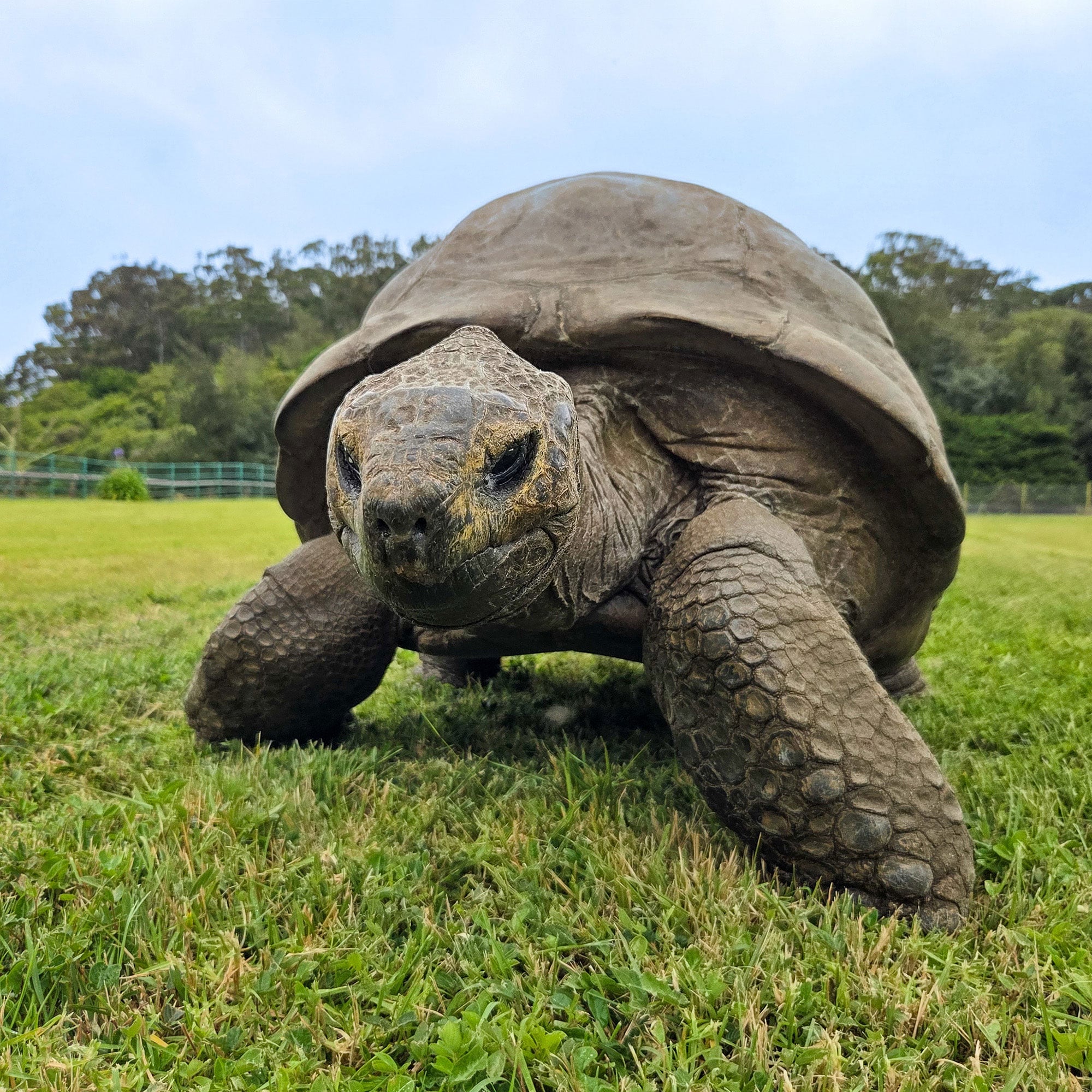
The world’s oldest land animal carries 287 unique gene variants involved in DNA repair and other defenses against aging, offering clues researchers hope to turn into human treatments.
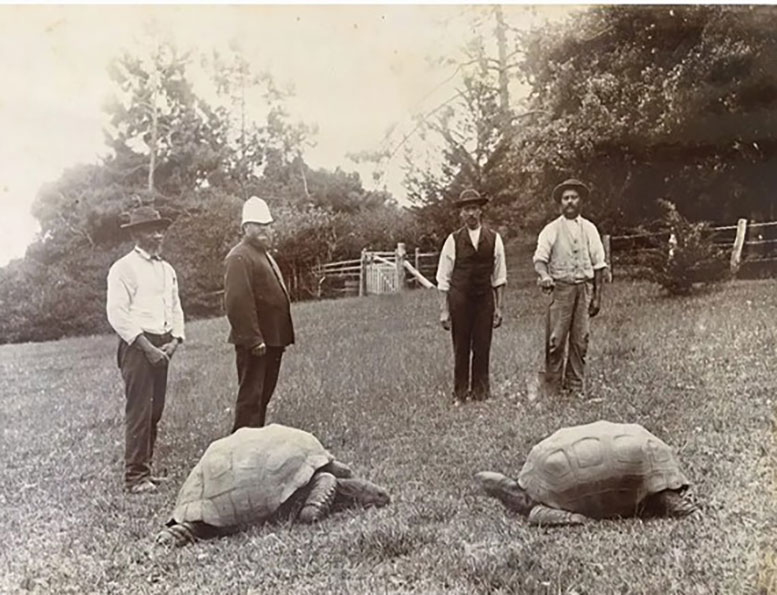
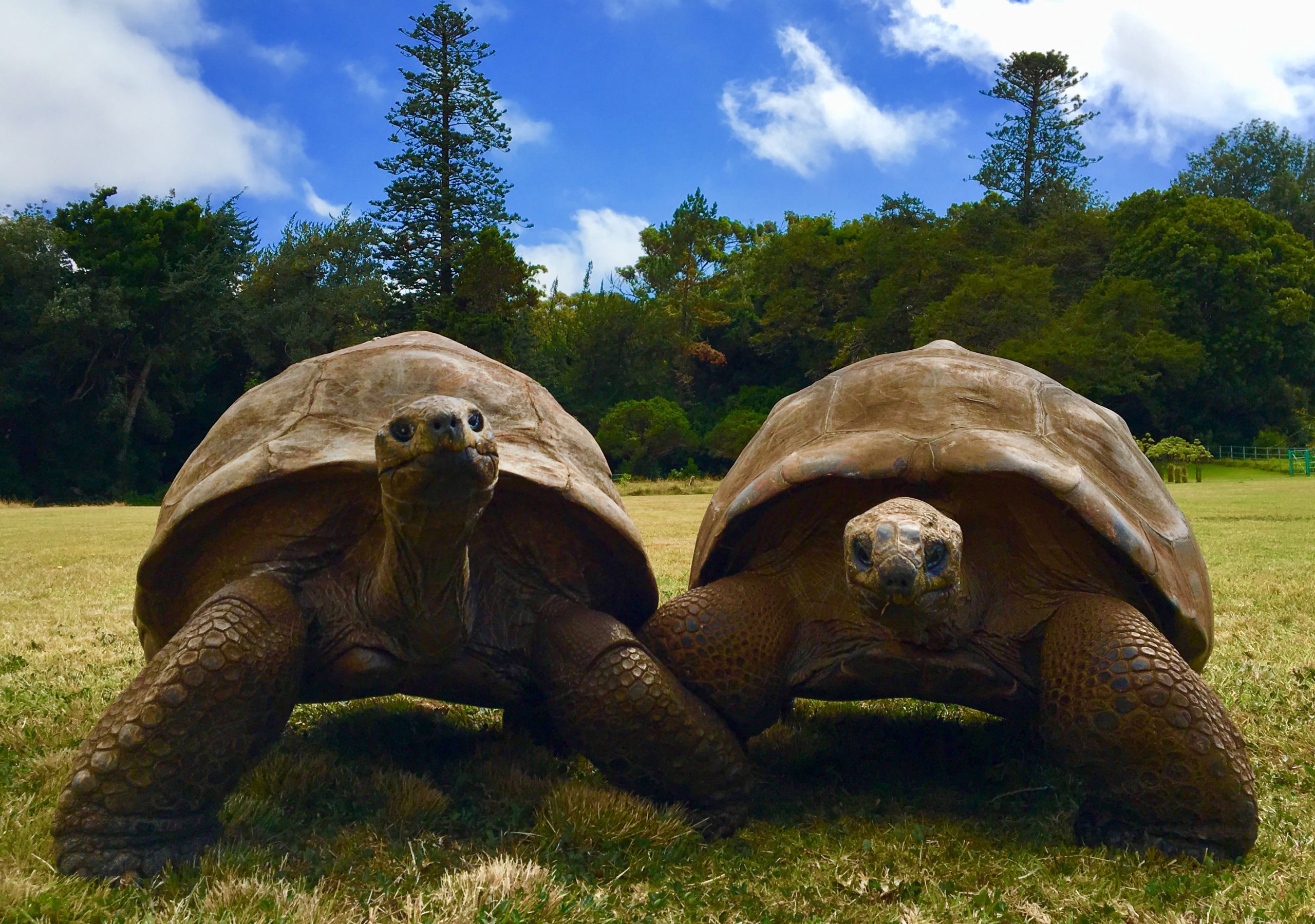
When Jonathan the giant tortoise hatched in 1832, Charles Darwin was still a young explorer and Queen Victoria had yet to take the throne. Nearly two centuries later, Jonathan is still alive – and scientists have discovered something remarkable about his biology. Despite his estimated age of 194, the world’s oldest living land animal has genetic controls for DNA repair and metabolism that closely resemble those of much younger tortoises.
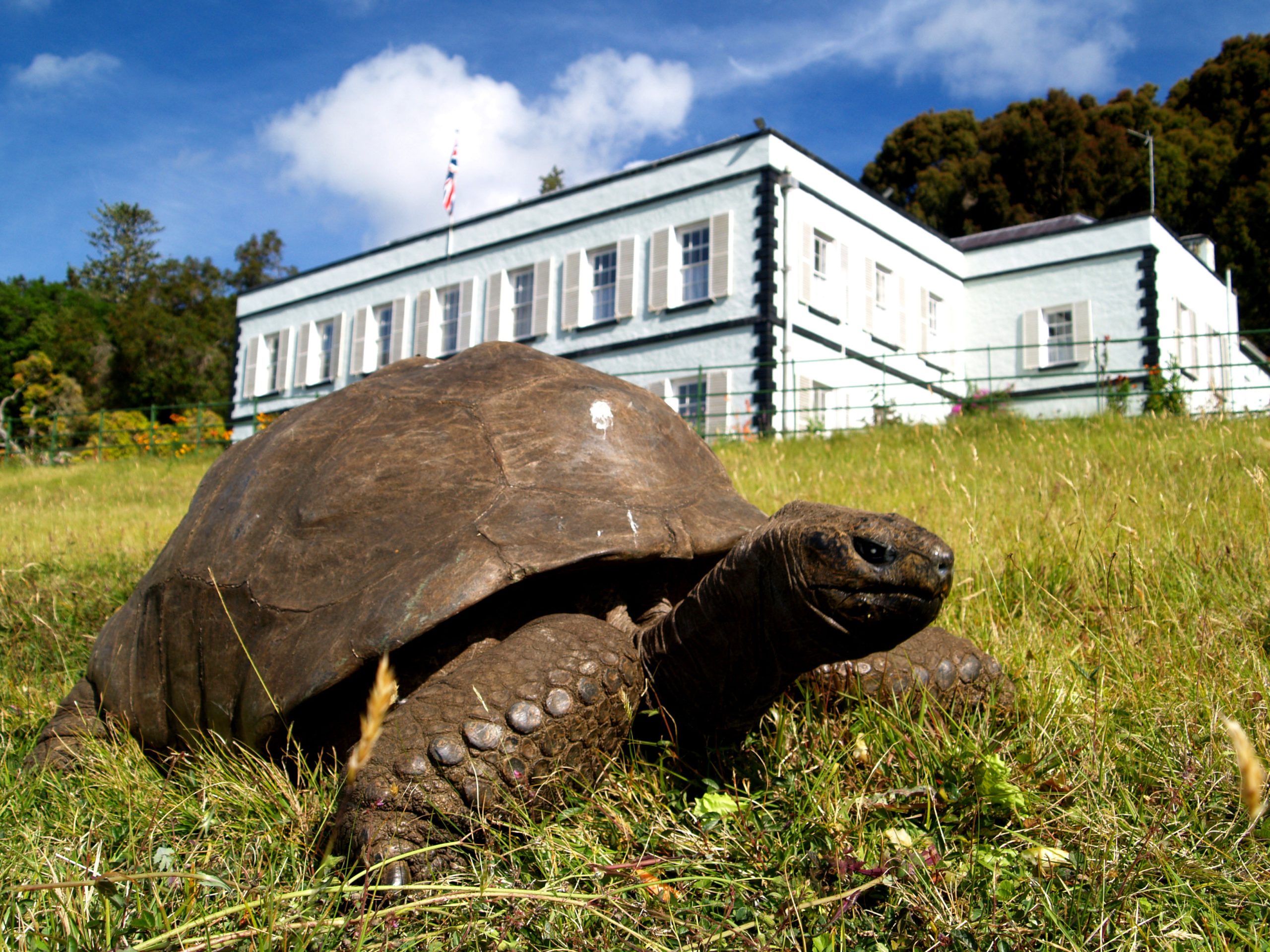
For the past 144 years, Jonathan has lived on the remote South Atlantic island of St. Helena, a British Overseas Territory. He arrived from the Seychelles in 1882 as a gift to the governor, already fully grown, and has spent most of his life roaming the grounds of Plantation House, the governor’s residence.
Youthful patterns in Jonathan’s gene controls
To investigate the biology behind his longevity, a team led by the U.S. longevity research nonprofit Kallel examined both his DNA and the controls that regulate its activity. Their study, published October 7, 2026, in Science Advances, is the first to investigate a giant tortoise’s epigenome, the system of switches that helps turn genes on and off.
These switches usually change over time, contributing to aging. When the researchers compared Jonathan’s epigenome with those of younger Aldabra giant tortoises, however, they found very similar patterns in the switches controlling DNA repair and metabolism.
“We found that the gene regulators involved in energy production and DNA repair have remained incredibly stable in Jonathan over almost two centuries,” said Dr. Justin Gerlach of Peterhouse at the University of Cambridge, who was involved in the study.
The team also identified 287 unique gene variants in Jonathan that they say reduce the usual effects of aging. These variants control processes involved in repairing damaged DNA, reducing inflammation, regulating insulin, and suppressing cancer. Together, the DNA and epigenome findings point to a combination of protective genetic features and stability in how key genes are regulated.
From tortoise conservation to aging research
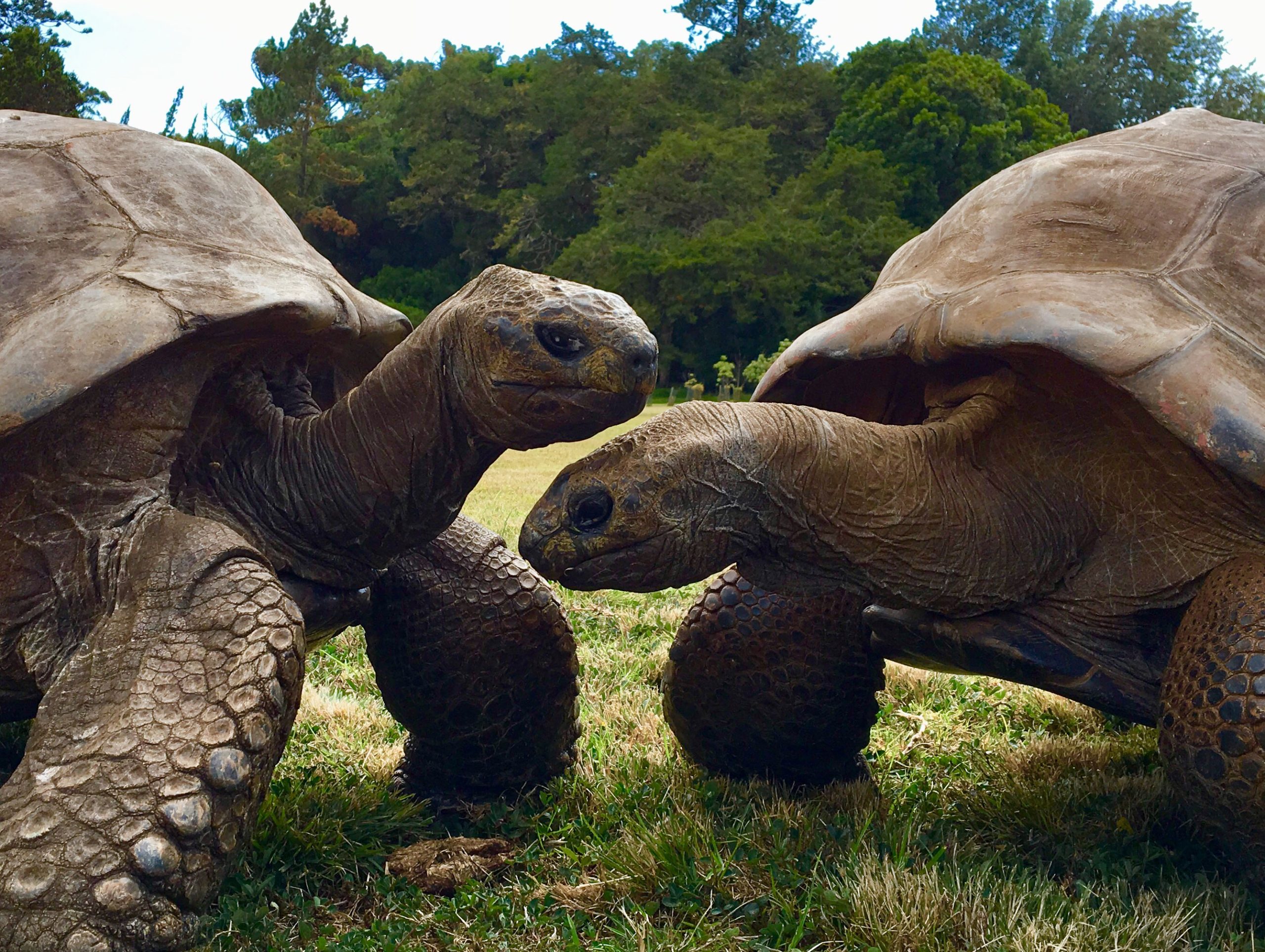
Gerlach has spent several decades studying giant tortoise ecology and conservation, but this was his first investigation of their exceptionally long lives. The giant tortoises of the Galapagos and Seychelles islands are the last survivors of animals that once dominated the ecology of many of the world’s islands.
“There are few creatures that could tell us more about aging than the giant tortoises of the Galapagos and Seychelles islands. Working with a really old giant tortoise is such a privilege: you get a sense of the tortoise being your collaborator, not your study subject,” Gerlach said.
Tortoise genetics could guide human treatments
“Nature has already solved the puzzle of aging in remarkable ways, and Jonathan’s genome provides a blueprint for cellular resilience,” said Stephen Clark, MD, PhD, founder of Kallel and senior author of the study.
He added: “Our goal is to take these evolutionary insights and immediately translate them into practical, affordable treatments for everyday people. Aging is the greatest risk factor for nearly every chronic disease we face, and through the generosity of philanthropic partners, we can democratize access to longevity medicine.”
Reference: “Epigenetic insights into extreme longevity in the world’s oldest terrestrial animal, Jonathan” by Benjamin Vaisvil, Daniel P. Schmitt, Angela Jones, Vinayak Kapatral, James M. Ford, Madison L. Taylor, Mathia Colwell, Jonathan Hollins, Sam Pascucci, Konstantin Weissenow, Burkhard Rost, Pascal Notin, Justin Gerlach, Thomas C. Terwilliger, Li-Wei Hung, Lars Juhl Jensen, Kathlyn Reed, Todd R. Robeck, Steve Horvath, Christopher Faulk, Yanjun Ma and Stephen W. Clark, 7 October 2026, Science Advances.
DOI: 10.1126/sciadv.adw8887
The research was funded by the Voland Fund.
Never miss a breakthrough: Join the SciTechDaily newsletter.
Follow us on Google and Google News.