
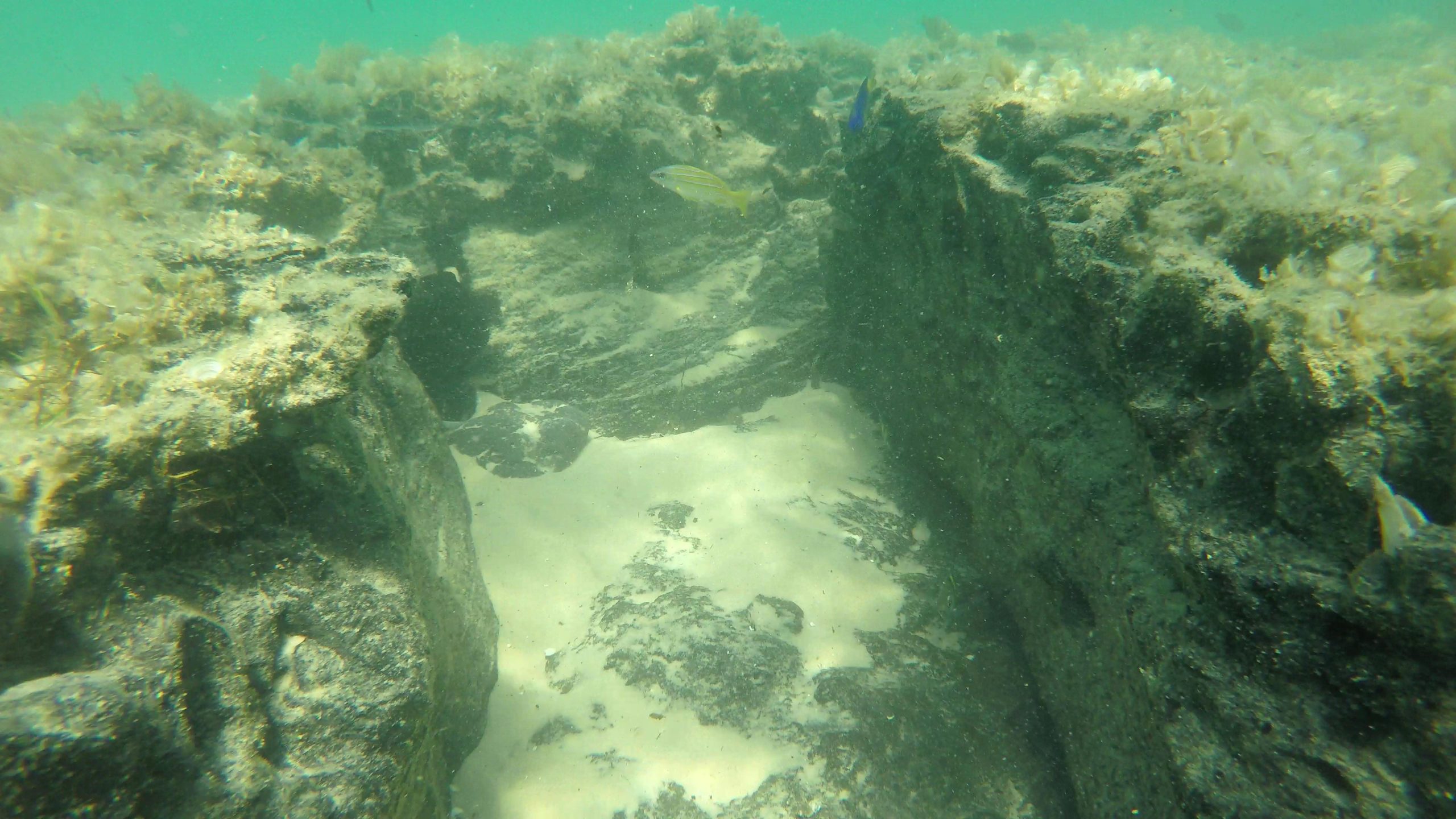
Submerged ancient forest floors off Mozambique now shelter young reef fish, suggesting overlooked peat reefs could offer some species refuge as coral reefs decline.
Much of the seabed along Mozambique’s Bazaruto coastline is shifting sand, leaving marine life few solid places to settle and shelter. Exposed layers of ancient peat provide that foothold, supporting fish communities comparable in diversity to those on a nearby coral reef.
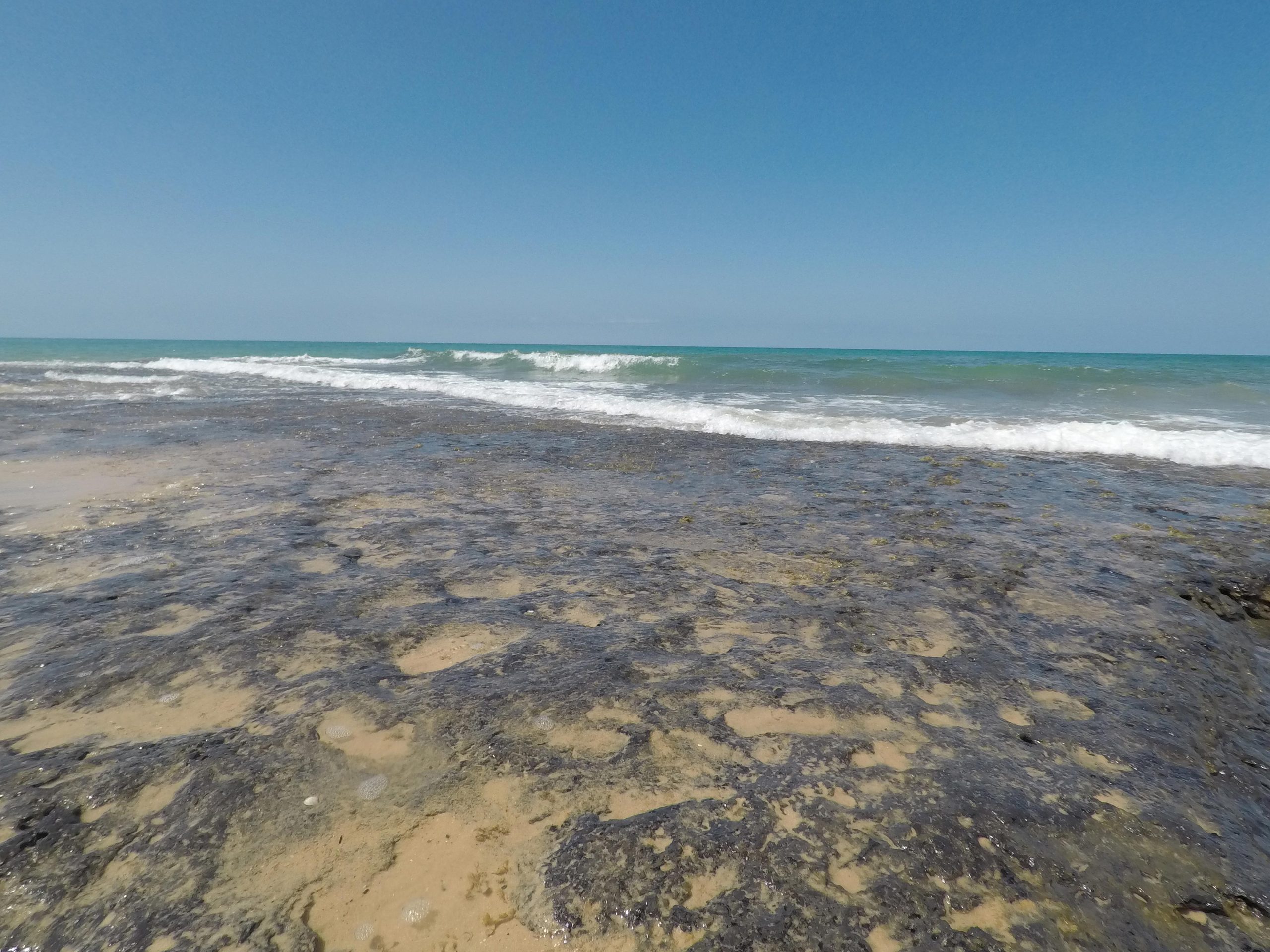
These submerged “peat reefs” began as coastal swamps and forests. Their plant remains accumulated into peat, a compressed, carbon-rich material. As sea levels rose over the past few thousand years, the sea flooded these landscapes. Waves later stripped away the overlying sand, exposing firm platforms that marine life could colonize.
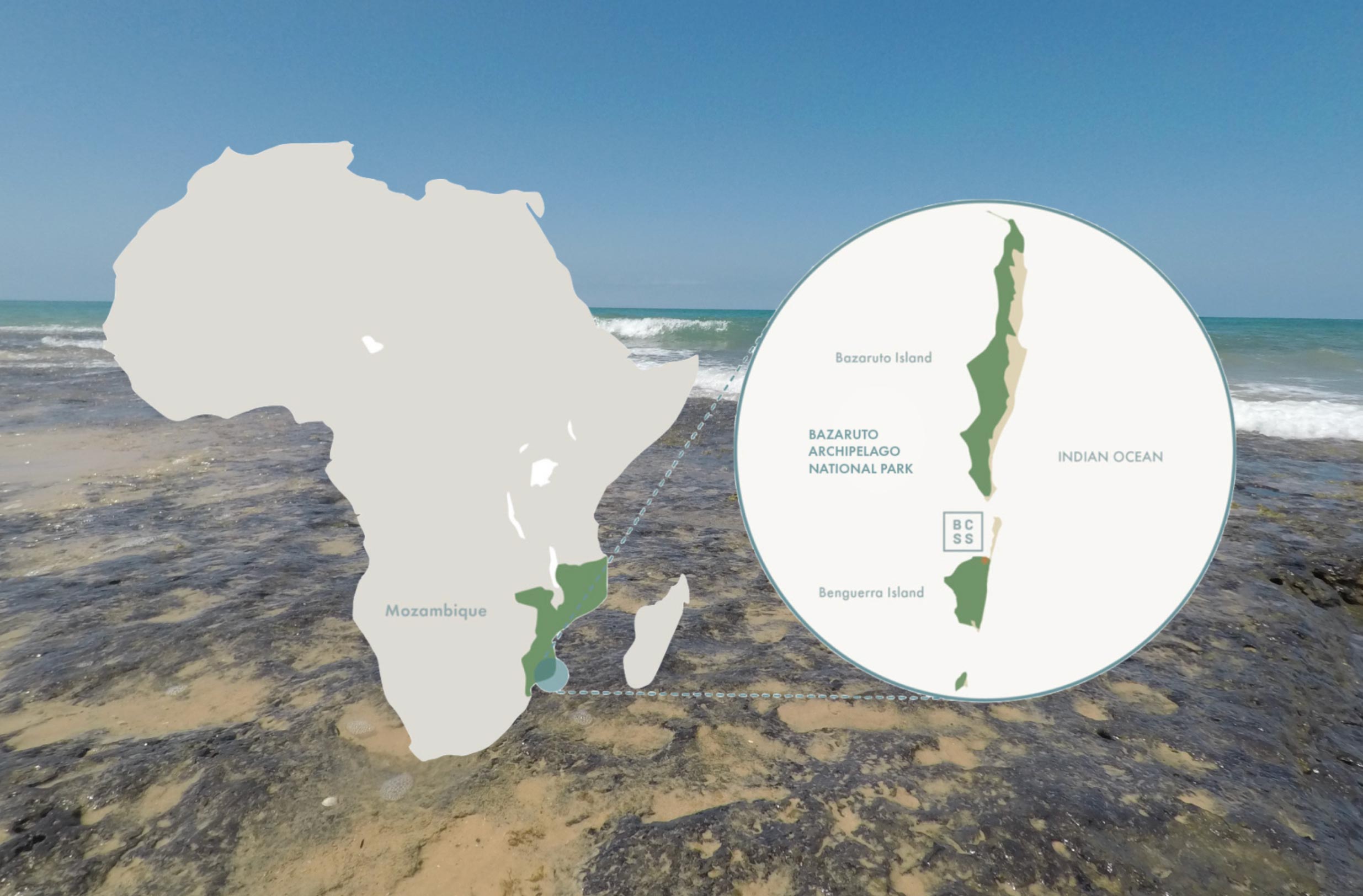
A study published in Scientific Reports documents these habitats in the shallow waters of the Bazaruto Archipelago in the Western Indian Ocean. Researchers from the Bazaruto Center for Scientific Studies (BCSS) Ocean Observatory worked with collaborators at universities and research institutions in the United Kingdom, United States, and Canada. The work is believed to be the first ecological study of tropical peat reefs and the first anywhere to examine peat reefs from a biodiversity perspective.
A fish nursery without living coral
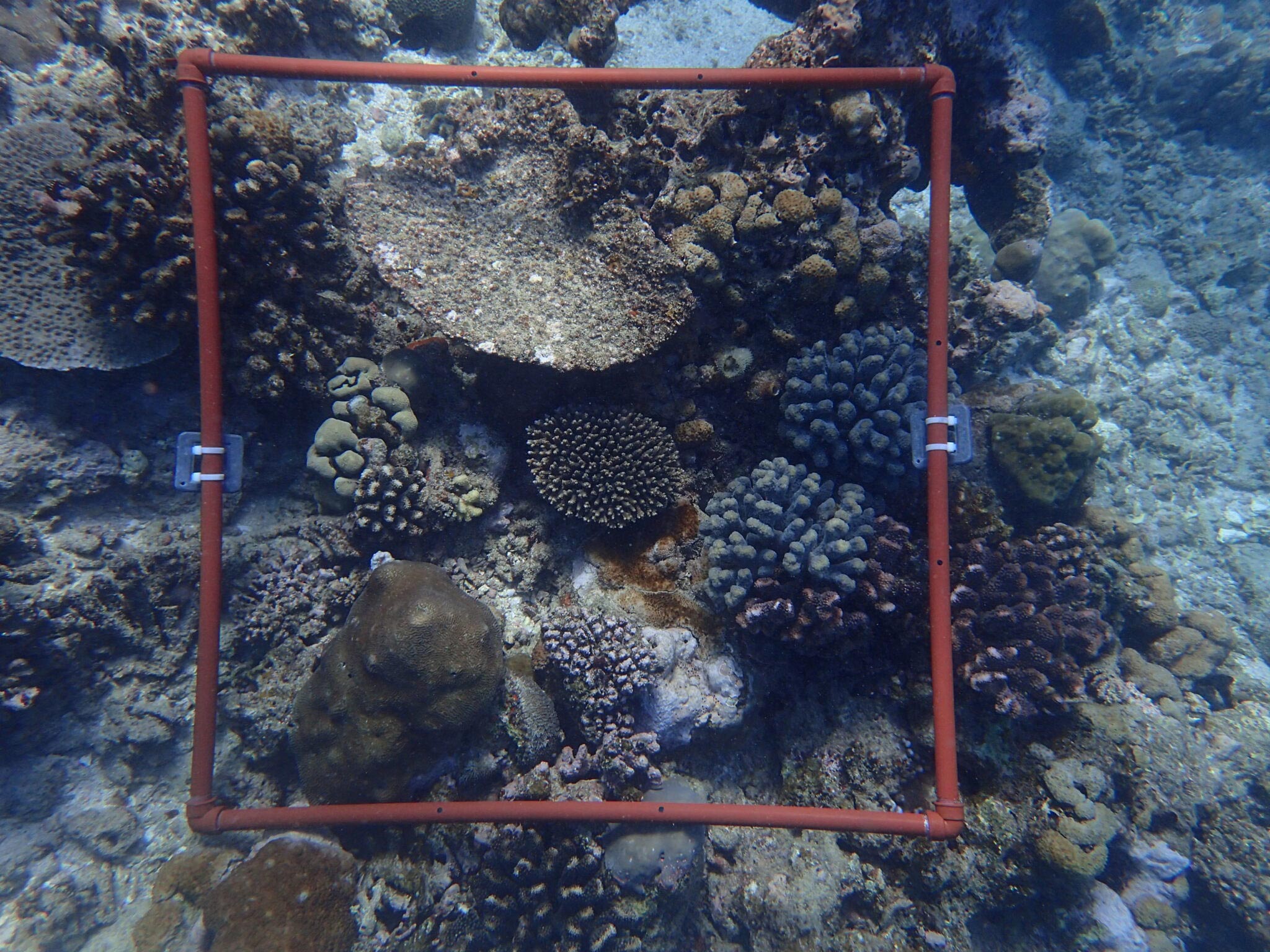
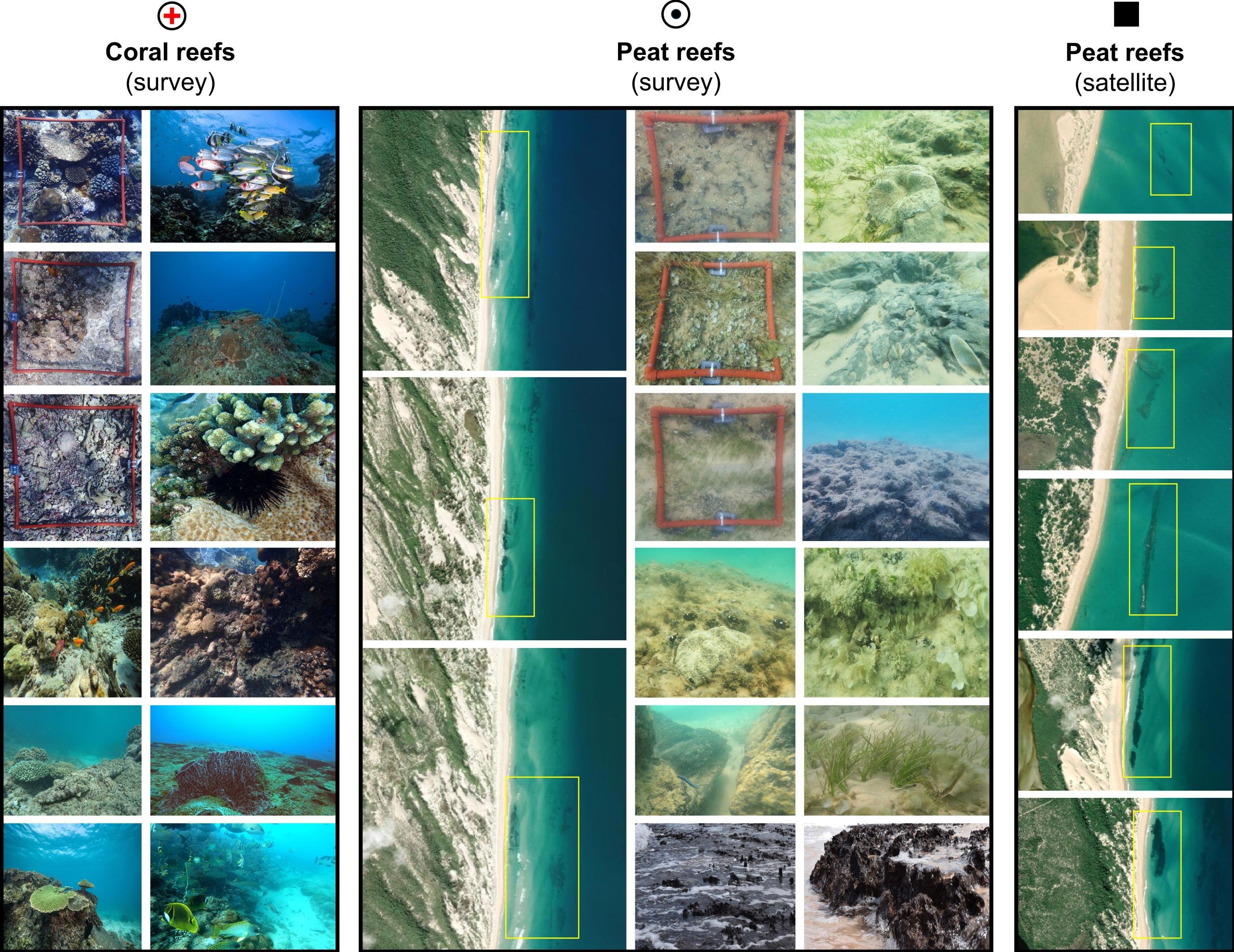
The team surveyed three peat reefs and a nearby coral reef, comparing seabed cover, invertebrates, small fish, and larger animals such as sharks, rays, and turtles. No living coral grew on the peat reefs. Instead, seagrass and seaweeds grew directly on the peat, while crevices and ledges sheltered spiny lobsters, oysters, barnacles, and juvenile fish. Young snappers and grunts, usually associated with coral reefs, likely use these spaces as refuges from predators.
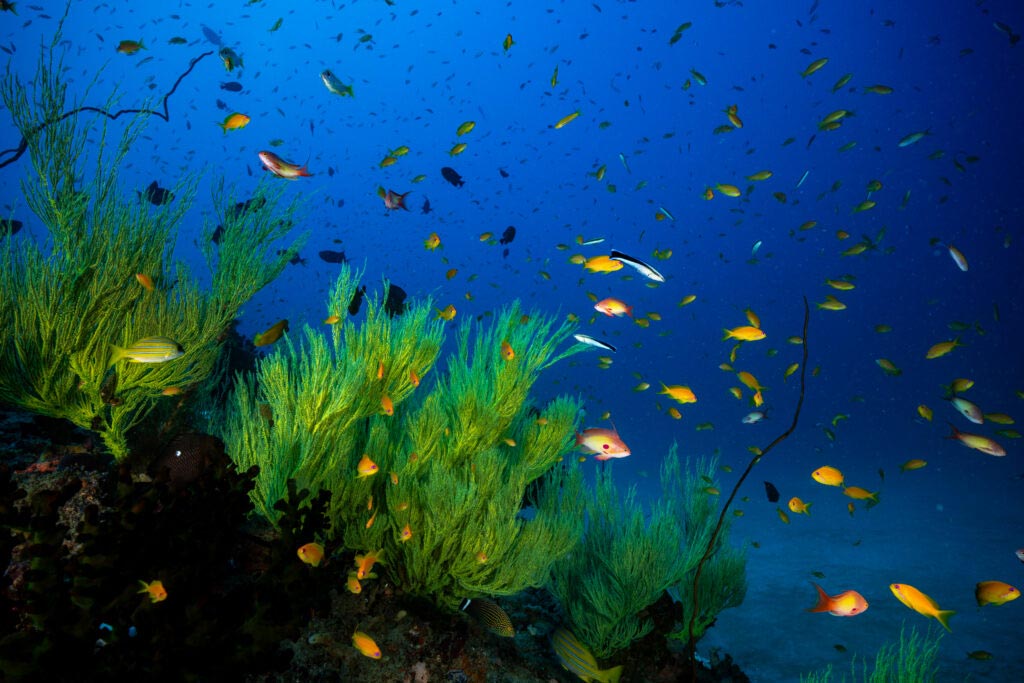
Each peat reef supported 26 to 36 small fish species, with species diversity comparable to the coral reef. The two reef types shared much of their fish life, even though their communities of invertebrates attached to the seabed were entirely different. Sharks, rays, and turtles were also recorded on both reef types. Green turtles and dugongs occur in the area and could graze the seagrass patches, although that potential role remains distinct from the animals documented during the surveys.
“What was once a forest floor is now a nursery for reef fish. We were surprised by how much life these ancient peat deposits support, and how many species move between them and the coral reefs nearby. This coastline has very little natural hard seabed, mostly shifting sand. When rising seas expose these old peat layers, they create rare, solid habitat where marine life can settle, hide and feed,” said Dr. Mario Lebrato, lead author and co-founder of the BCSS Ocean Observatory.
The research was enabled by the observatory’s monitoring capabilities, described in two earlier papers in Frontiers in Marine Science. Established in Mozambique’s Bazaruto Archipelago in 2017, BCSS is Africa’s first permanent Ocean Observatory. It has generated more than 22 million measurements across over 30 chemical, environmental, and biodiversity variables.
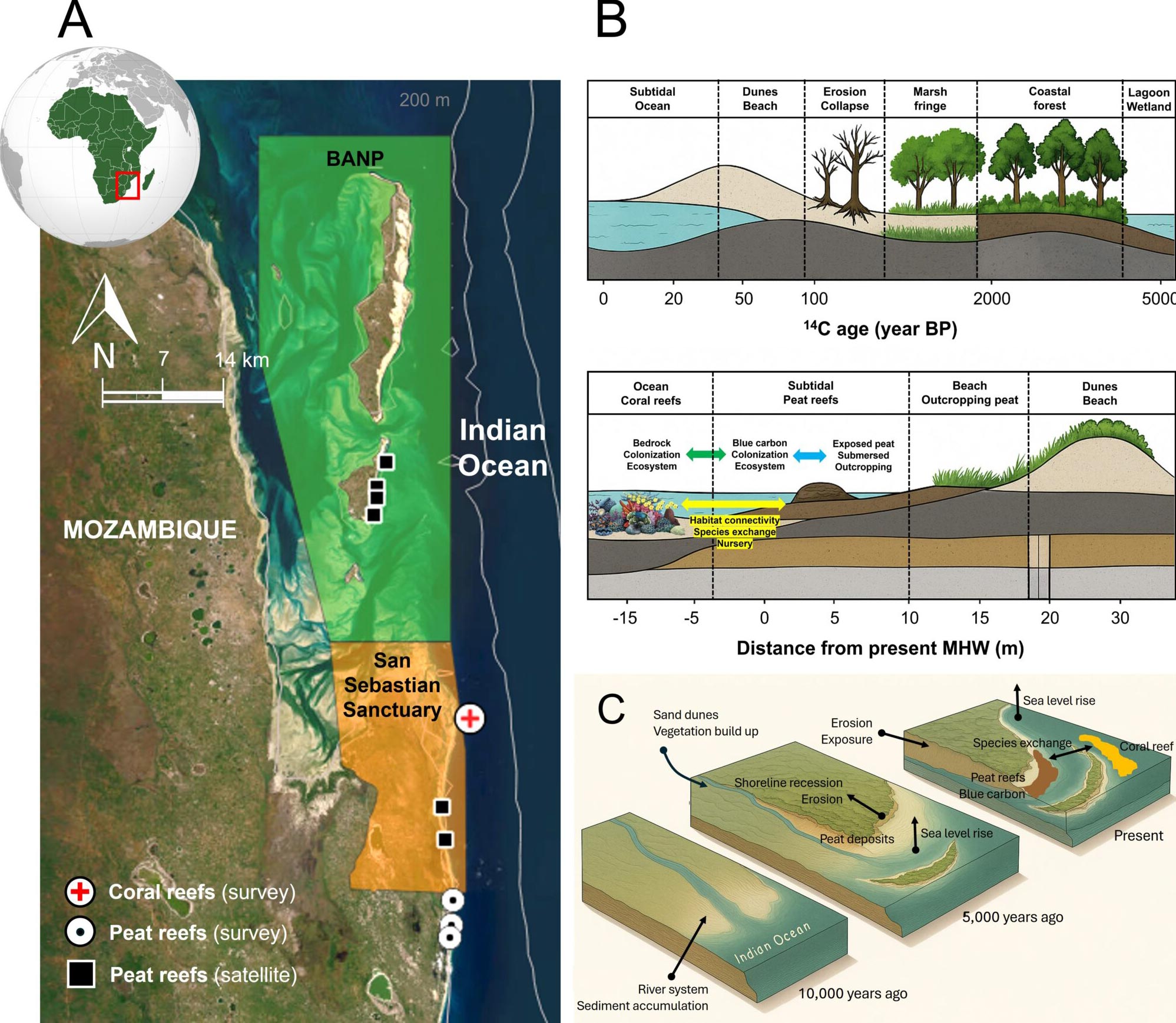
Its network spans six interconnected ecosystems and 14 long-term monitoring stations across approximately 6,850 square kilometers, or 2,645 square miles, of the greater Bazaruto seascape. The habitats monitored range from mangroves and seagrass meadows to peat and coral reefs, lagoons, seamounts, and the open ocean.
Storms bury and break apart peat reefs
The peat reefs occupy a particularly changeable part of that seascape. Sitting just 2–4 meters deep, or about 7–13 feet, they are regularly exposed by the tides and receive much more sunlight than the deeper coral reef. Temperatures can shift between 24.5 and 28.6°C, or 76.1 and 83.5°F, within a day. Storms and cyclones bury, uncover, and break apart the peat, and many reefs disappear through erosion and sand movement as sea levels continue to rise.
“The existence of tropical peat reefs underscores the resilience and adaptive reinvention potential of coastal ecosystems under pressure from sea-level rise and shoreline change. Their contribution to biodiversity, fisheries habitat, and potential legacy-carbon preservation should be recognized in coastal management and conservation strategies, particularly in regions where coral reef health is declining. The ability to demonstrate the vitality of these habitats as a result of our continuous observation excites me for the prospect of implementing conservation policy that protects similar regions around the world,” Lebrato said.
Peat reefs’ carbon balance remains unknown
Radiocarbon, or carbon-14, dating places the formation of the peat between roughly 300 and 5,000 years ago. Chemical analysis confirms that it came mostly from coastal land plants and trees, and some samples contained up to 40% organic carbon by dry weight. Ancient plant carbon has persisted beneath the sea for thousands of years, but the amount held across these reefs remains unknown.
For comparison, peat swamps on land can hold 1,000–2,000 metric tons of carbon per hectare below ground. That does not establish how much carbon the submerged reefs contain, or whether they are storing or releasing carbon today.
Resolving those questions requires measurements of peat thickness and bulk density, which describes how much material occupies a given volume. Researchers also need to determine carbon stocks per unit area, the rates at which peat is buried or eroded, and the movement of greenhouse gases into and out of these systems. Without those measurements, the reefs’ present-day role in carbon cycling remains unresolved.
Scientists have spent decades examining how warming and disturbance affect ancient carbon in tundra, peatlands, and mangroves. Tropical peat reefs are at a much earlier stage of understanding. Their discovery raises related questions beneath the sea about how stable the stored carbon is and what happens when the deposits erode or are disturbed.
The authors call for research to establish whether these habitats primarily preserve carbon inherited from ancient forests and swamps, whether their living communities contribute to new carbon burial, and how those processes interact as environmental conditions change. The answers would help determine whether peat reefs can be classified as “blue carbon” habitats alongside mangroves and seagrass meadows.
Coastal planners and conservationists rarely map or protect peat reefs, despite their potential to provide backup refuges for some species as coral reefs decline. The authors recommend including them in coastal habitat maps, conservation plans, and assessments of legacy coastal carbon. They also see the study as a starting point for considering these habitats within broader blue economy policies governing the use and protection of ocean resources. Similar peat reefs may lie undiscovered along the coasts of Southeast Asia, the Caribbean, and West Africa.
Reference: “Ancient terrestrial forests reborn as modern marine ecosystems under shifting sea levels” by Mario Lebrato, Jack Shannon, Theo Russell, Alexandra Jordan, Mauro Jije-Goncalves, Maria da Graça, Michelle Caputo and Ashlee Lillis, 12 October 2026, Scientific Reports.
DOI: 10.1038/s41598-026-65430-7
Funding was provided by the Bazaruto Center for Scientific Studies (BCSS)-Kisawa Sanctuary (Mozambique) resort-to-research (R2R) initiative.
Never miss a breakthrough: Join the SciTechDaily newsletter.
Follow us on Google and Google News.