
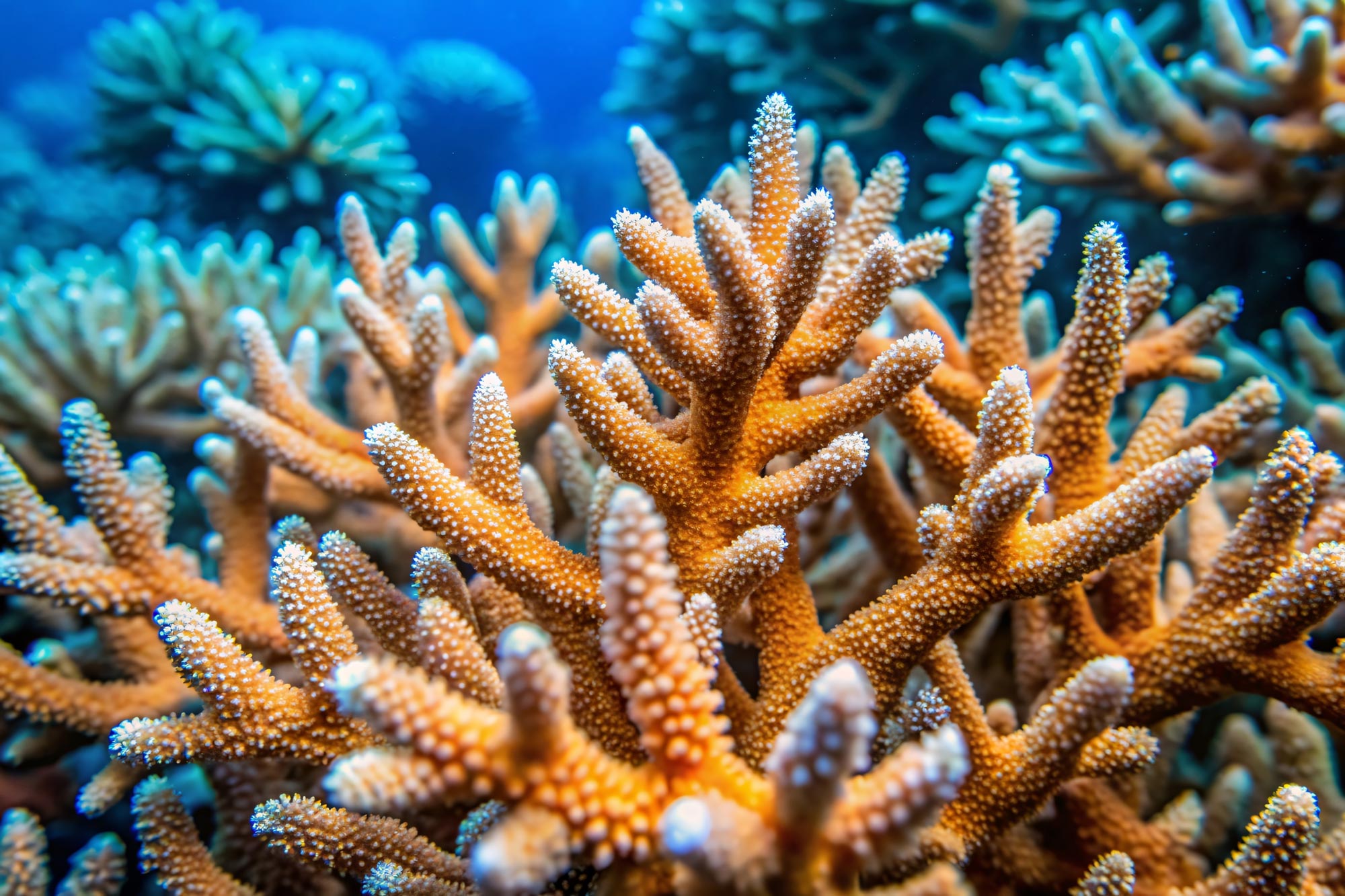
Scientists are uncovering a hidden layer of coral reef ecosystems, one dominated not by visible marine life, but by vast and largely unexplored microbial communities.
An international team of scientists has revealed new details about coral ecosystems, showing that each coral species supports its own unique community of microbes.
The study, which included researchers from the University of Galway, found that coral reefs host a wide range of microscopic life that produces chemical compounds with potential uses in medicine and biotechnology. The full findings are published in Nature.
Coral reefs are often described as the rainforests of the sea because they support about one-third of all large marine organisms. They also serve as biodiversity hotspots, providing key ecosystem services such as nutrient cycling and supporting tourism. However, much of their true diversity exists at the microscopic level within their microbiome, which cannot be seen with the naked eye.
Mapping the Coral Microbiome
Supported by the Tara Pacific consortium, the research team analyzed microbiome samples from 99 coral reefs across 32 Pacific islands. They reconstructed the genomes of 645 microbial species, more than 99% of which had never been genetically described before. These microbes form highly specialized relationships with their coral hosts and are important producers of bioactive compounds.
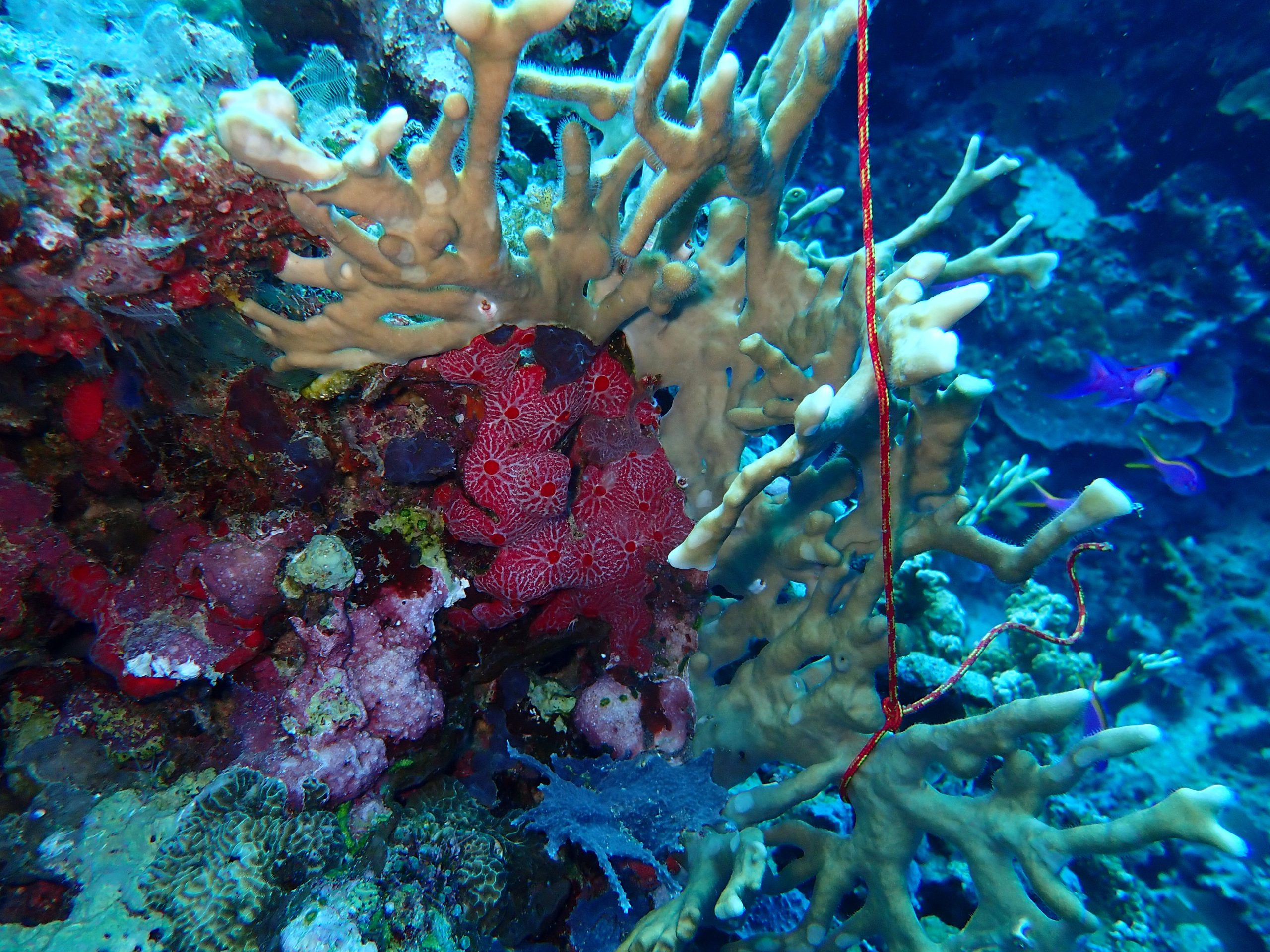
The researchers also found that coral-associated bacteria contain a wider range of biosynthetic gene clusters, which act as blueprints for natural chemical products, than has been recorded in ocean environments so far.
Dr. Maggie Reddy, Ryan Institute, University of Galway, said: “When we compared our findings with microbes found on other reef species, it became clear how little we still know. Of more than 4,000 microbial species identified, only 10% have any genetic information available, and fewer than 1% of the species found only in the Tara Pacific samples have been studied at all. This shows a major gap in our understanding and underlines the need for much more biodiversity surveys, especially in understudied regions.”
A “Molecular Library” at Risk
The findings point to an often overlooked aspect of conservation. When coral reefs decline, the loss extends beyond visible marine life such as corals, sponges, seaweeds, and fish. It also includes a vast “molecular library” tied to their microbial communities.
The study also highlights that newly identified enzymes and compounds could hold significant promise for biotechnology and medical research, suggesting a large and largely untapped resource.
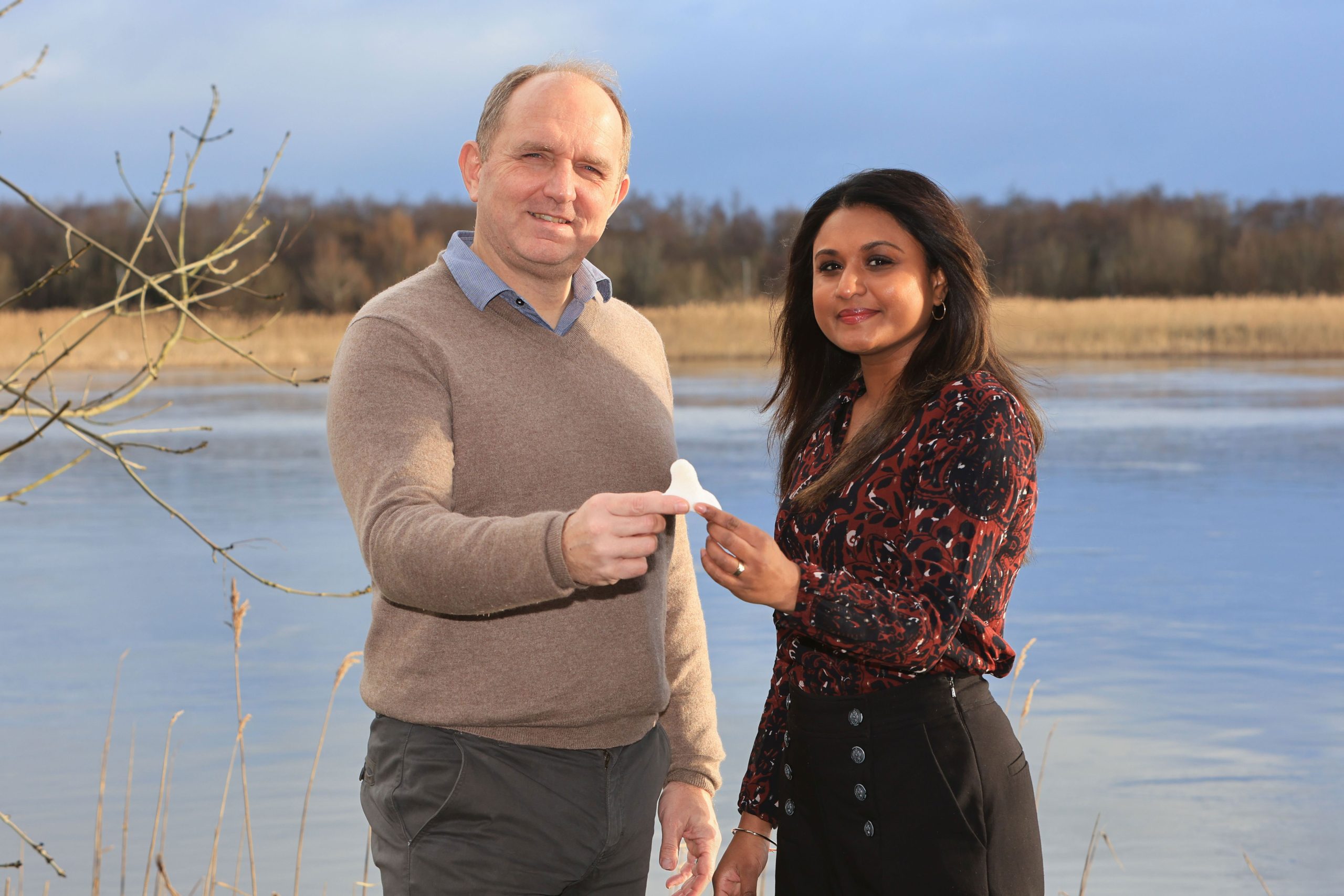
Professor Olivier Thomas, Ryan Institute, University of Galway, said: “The biosynthetic potential of reef-building coral microbiomes rivaled or surpassed that of traditional natural product sources like sponges. Among the biosynthetically rich bacteria in the reef microbiome, we identified previously unknown microorganisms (e.g. Acidobacteriota) living with corals that produce new enzymes with exciting potential biotechnology uses.
“The research is a clear call to action to protect our coral reefs – not just because of their value as a unique ecosystem – but to preserve the unique chemical diversity poised to enable future scientific breakthroughs.”
International Collaboration and Future Expeditions
The project brought together researchers from the Marine Biodiversity Lab at the Ryan Institute at the University of Galway, led by Dr. Maggie Reddy and Professor Olivier Thomas. They are part of the Tara Pacific consortium, a global group of marine scientists studying how climate change is affecting the oceans, and collaborated with scientists at ETH Zurich.
Dr. Reddy and Professor Thomas will take part in the upcoming Tara Coral expedition this June in Papua New Guinea. Funded by the Tara Foundation and its partners, the mission will collect more marine samples and examine why some reef-building corals are better able to withstand climate change.
The coral microbiome includes bacteria, archaea, fungi, viruses, and algae that live on and inside coral tissues. Together, these organisms form a functional unit known as the holobiont.
The samples analyzed in this study were collected during the Tara Pacific expedition from 2016 to 2018. This work provides one of the most detailed maps to date of the microbial communities associated with reef-building corals in a region that contains about 40% of the world’s coral reefs.
Reference: “Coral microbiomes as reservoirs of unknown genomic and biosynthetic diversity” by Fabienne Wiederkehr, Lucas Paoli, Daniel Richter, Dora Racunica, Hans-Joachim Ruscheweyh, Martin Sperfeld, James O’Brien, Samuel Miravet-Verde, Alena B. Streiff, Jessica Ransome, Clara Chepkirui, Taylor Priest, Anna Sintsova, Guillem Salazar, Kalia S. I. Bistolas, Teresa Sawyer, Karine Labadie, Kim-Isabelle Mayer, Aude Perdereau, Maggie M. Reddy, Clémentine Moulin, Emilie Boissin, Guillaume Bourdin, Juliette Cailliau, Guillaume Iwankow, Julie Poulain, Sarah Romac, Tara Pacific Consortium Coordinators, Serge Planes, Denis Allemand, Sylvain Agostini, Chris Bowler, Eric Douville, Didier Forcioli, Pierre E. Galand, Fabien Lombard, Pedro H. Oliveira, Olivier P. Thomas, Rebecca Vega Thurber, Romain Troublé, Christian R. Voolstra, Patrick Wincker, Maren Ziegler, Jörn Piel and Shinichi Sunagawa, 25 February 2026, Nature.
DOI: 10.1038/s41586-026-10159-6
Never miss a breakthrough: Join the SciTechDaily newsletter.
Follow us on Google and Google News.