
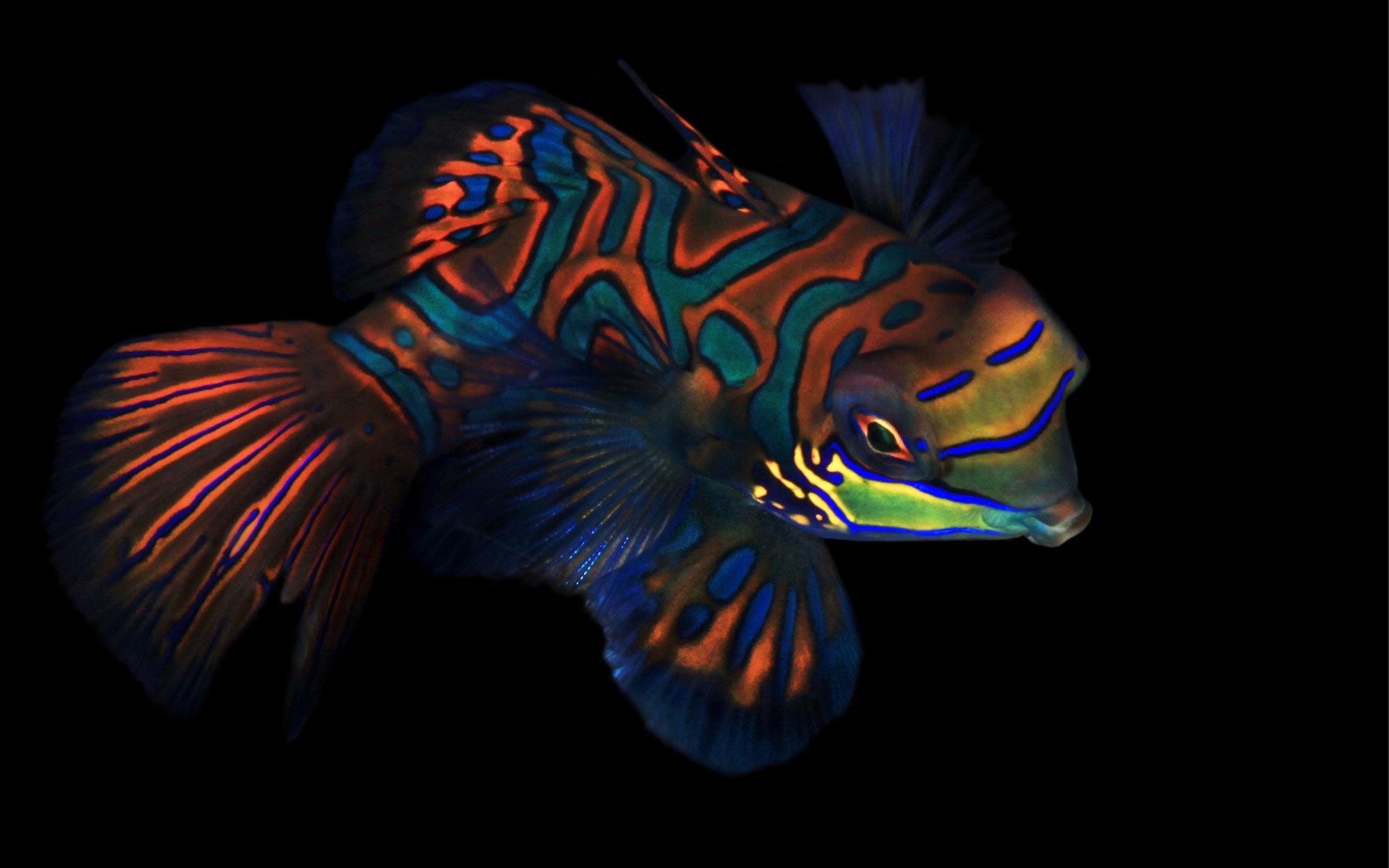
Machine learning enables largest study to date on aesthetic preferences and fish ecology.
What makes a fish beautiful to humans? Is it colorful, symmetrical, and distinctive? Perhaps you don’t know the features, but you just “know it when you see it.” That works in this study, where people rated the attractiveness of fish in images, and a machine learning (a type of artificial intelligence) neural network was able to learn what types of fish people found more aesthetically pleasing.
It turns out that people like fish that are bright and colorful, with rounder bodies. But what is the relationship between people’s perception of beauty and animals’ conservation needs?
According to a machine-learning study by Nicolas Mouquet at the University of Montpellier, France, and colleagues, which will be published today (June 7th, 2022) in the open-access journal PLOS Biology, the reef fishes that people find most beautiful tend to be the lowest priority for conservation support.
Public Perception vs. Conservation Priorities
The researchers asked 13,000 members of the public to rate the aesthetic attractiveness of 481 photographs of ray-finned reef fishes in an online survey and used this data to train a convolutional neural network. They then used the trained neural network to generate predictions for additional 4,400 photographs featuring 2,417 of the most encountered reef fish species.
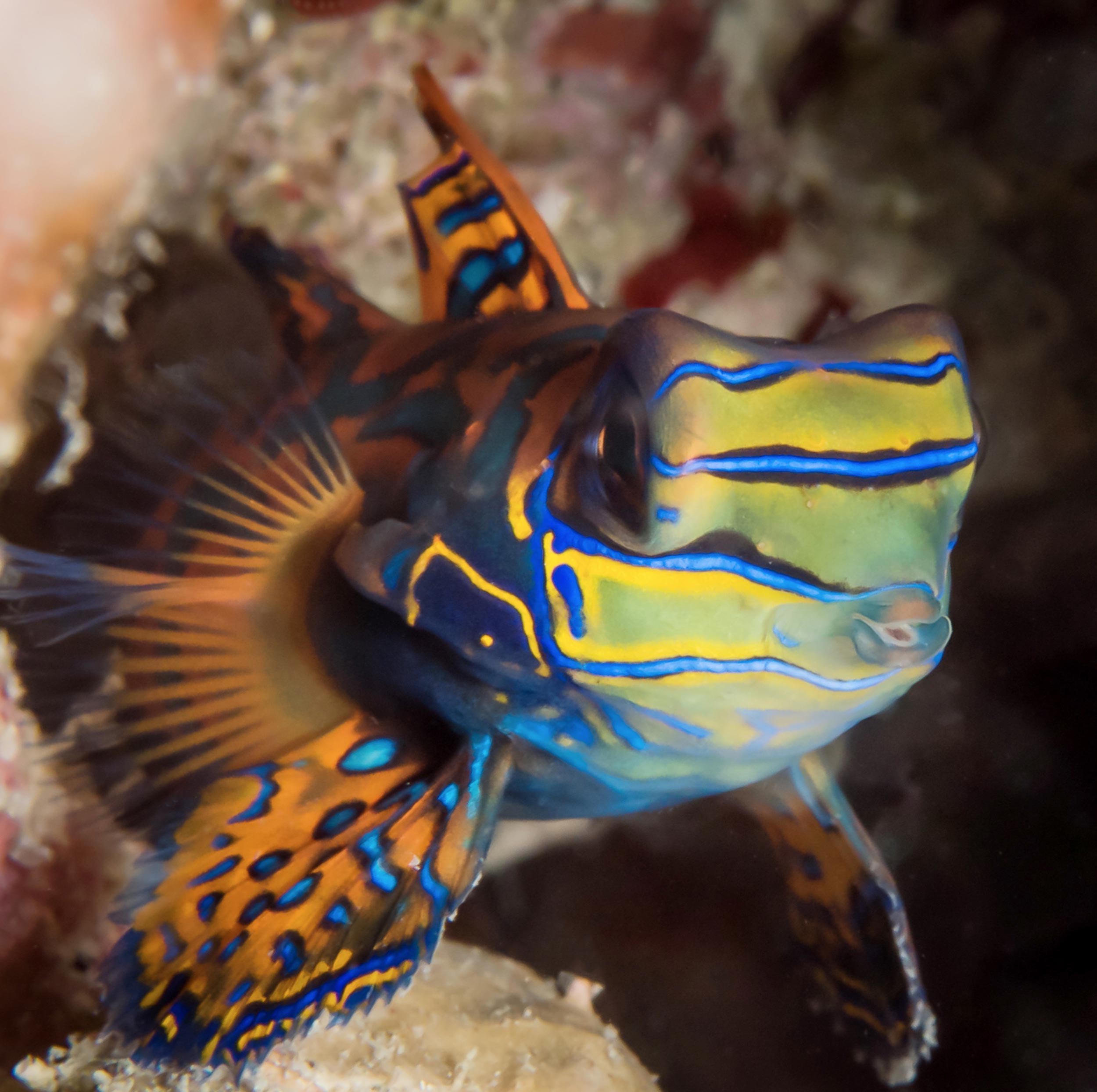
Combining the public’s ratings with the neural network’s predictions, they found that bright, colorful fish species with rounder bodies tended to be rated as the most beautiful. However, the species that were ranked as more attractive tended to be less distinctive in terms of their ecological traits and evolutionary history. Furthermore, species listed on the IUCN Red List as “Threatened” or whose conservation status has not yet been evaluated had lower aesthetic value on average than species categorized as “Least Concern.” Unattractive species were also of greater commercial interest, whereas aesthetic value was not correlated with a species’ importance for subsistence fisheries.
Mismatched Conservation Efforts and Ecological Value
Our innate preferences for shape and color are probably a consequence of the way the human brain processes colors and patterns, the authors say, but mismatches between aesthetic value, ecological function, and extinction vulnerability may mean that the species most in need of public support are the least likely to receive it. The ecological and evolutionary distinctiveness of unattractive fishes makes them important for the functioning of the whole reef, and their loss could have a disproportionate impact on these high-biodiversity ecosystems.
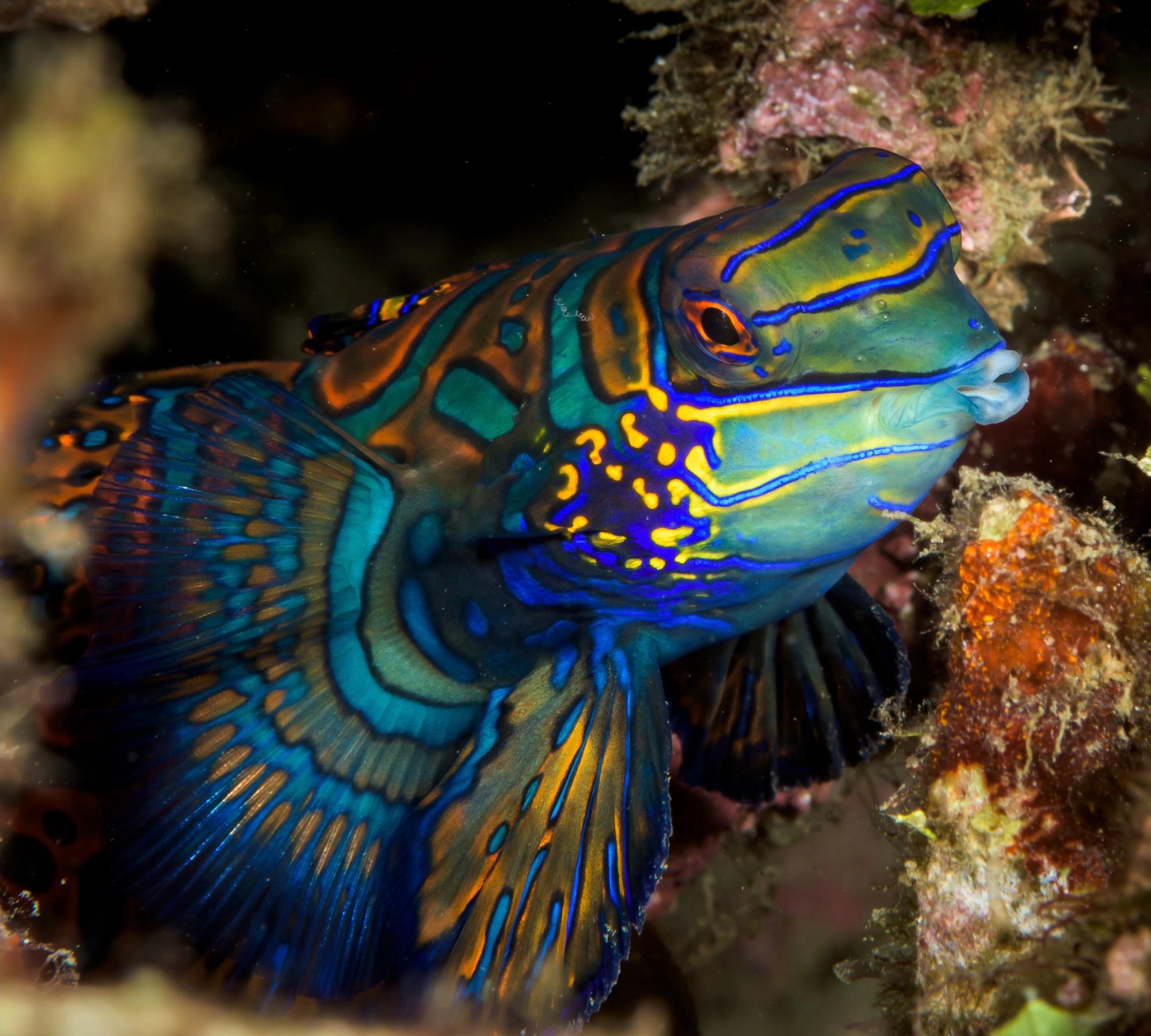
Mouquet adds, “Our study provides, for the first time, the aesthetic value of 2,417 reef fish species. We found that less beautiful fishes are the most ecologically and evolutionary distinct species and those recognized as threatened. Our study highlights likely important mismatches between potential public support for conservation and the species most in need of this support.”
Reference: “The aesthetic value of reef fishes is globally mismatched to their conservation priorities” by Juliette Langlois, François Guilhaumon, Florian Baletaud, Nicolas Casajus, Cédric De Almeida Braga, Valentine Fleuré, Michel Kulbicki, Nicolas Loiseau, David Mouillot, Julien P. Renoult, Aliénor Stahl, Rick D. Stuart Smith, Anne-Sophie Tribot and Nicolas Mouquet, 7 June 2022, PLoS Biology.
DOI: 10.1371/journal.pbio.3001640
Funding: This research was partially funded through the 2017–2018 Belmont Forum and BiodivERsA REEF-FUTURES project under the BiodivScen ERA-Net COFUND program with the French National Research Agency (DM and NM). This project received additional funding from the LabEx CeMEB and the program PEPS CNRS (NM). RLS data management is supported by Australia’s Integrated Marine Observing System enabled by the National Collaborative Research Infrastructure Strategy (RSS). The funders had no role in study design, data collection and analysis, decision to publish, or preparation of the manuscript.
Never miss a breakthrough: Join the SciTechDaily newsletter.
Follow us on Google and Google News.
2 Comments
How are you gonna write an article about fish that are scientifically proven to be ugly and not include any pictures of said uglies?
I think that also proved the point of this research; people (including the writer) don’t like ugly fish. So he filled the article about “ugly fish” with 3 photos of a fish with the “highest aesthetic value”. This remind me of an incident at Chinese Olympic, where the whole world saw a very cute little girl singing Chinese national anthem with a more beautiful voice. While on reality she was just lip-syncing the song sung by another little girl who was considered “ugly” by Chinese Olympic committee.