
Radiocarbon dating and traces of a vanished wooden coffin suggest that a Roman sarcophagus at Westminster Abbey became the final resting place of a medieval abbot.
A Roman stone coffin at Westminster Abbey bears the name of a wealthy Briton who lived nearly 1,700 years ago. Yet the skeleton found inside appears to belong to someone who died centuries later. After more than 150 years of uncertainty, new archaeological evidence has narrowed the mystery to two medieval monks who once led the monastery.
The limestone sarcophagus carries an inscription commemorating Valerius Amandinus, a wealthy Briton who lived in the city around AD 300 to 400. Its lid, however, features a large Latin cross dating to approximately the 10th or 11th century. The difference in dates suggests that the Roman coffin was reused for a much later burial, leaving the identity of its occupant unresolved.
A new analysis by Professor Warwick Rodwell, Consultant Archaeologist at Westminster Abbey, concludes that the remains most likely belonged to a high-ranking medieval monk. His findings, published in the peer-reviewed Journal of the British Archaeological Association, identify two possible occupants.
The leading candidate is Aelfwig, who died around 1020 after serving as Abbot of Westminster Abbey, which was then a Benedictine monastery. Another possibility is his successor, Wulnoth, who died in 1049. Both men are believed to have been buried at the Abbey.
“We have two viable contenders for the occupant of the sarcophagus,” says Rodwell.
A broken lid and a hidden coffin
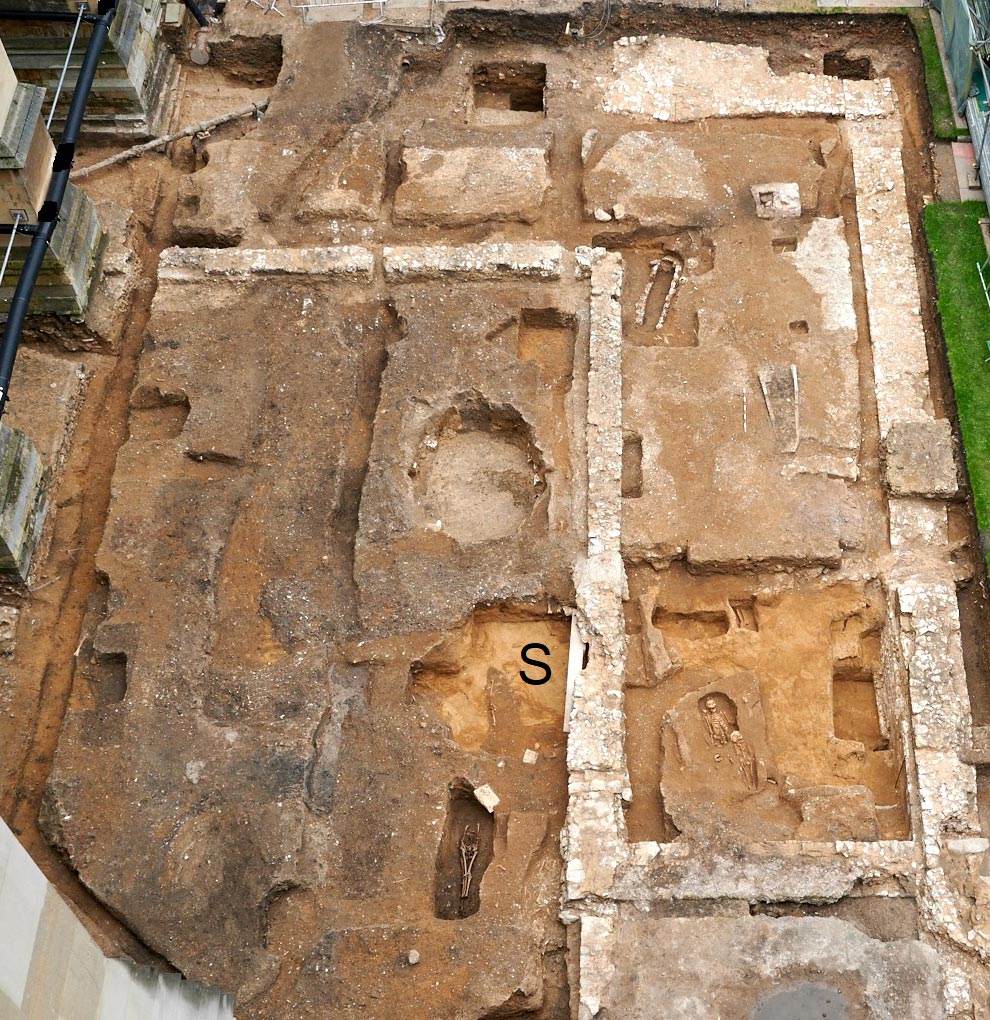
The coffin’s complicated history has made identifying its occupant particularly difficult. Workmen first accidentally uncovered it in 1820 while working in the area of King Henry III’s original sacristy on the north side of Westminster Abbey. During that encounter, the stone lid was broken into six pieces. The damage was repaired when the sarcophagus was officially rediscovered in 1869.
The burial site has since undergone several investigations. In 2009, Channel 4’s Time Team examined the archaeology and structure of the medieval sacristy. More recently, Pre-Construct Archaeology (PCA), one of the UK’s largest commercial archaeological and heritage practices, carried out an excavation completed in 2025. That work was needed to enable construction of the King Charles III Sacristy, which is scheduled to open in 2027.
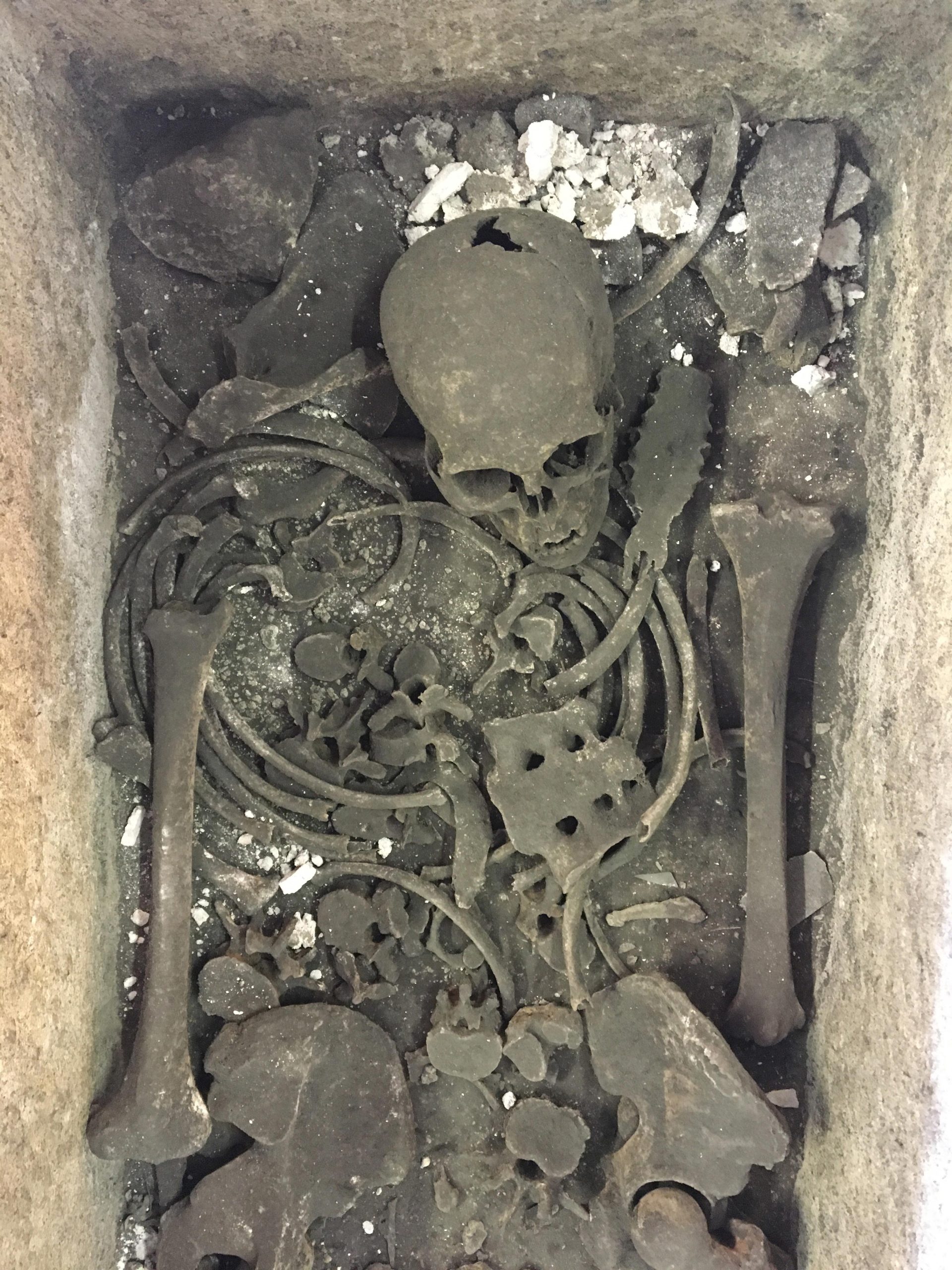
One of the most revealing developments, however, came in 2016, when the Roman sarcophagus was sent to a conservation studio. Although the skeleton had long been believed to be lost, PCA researchers lifted the lid and discovered that an almost-complete set of human remains was still inside.
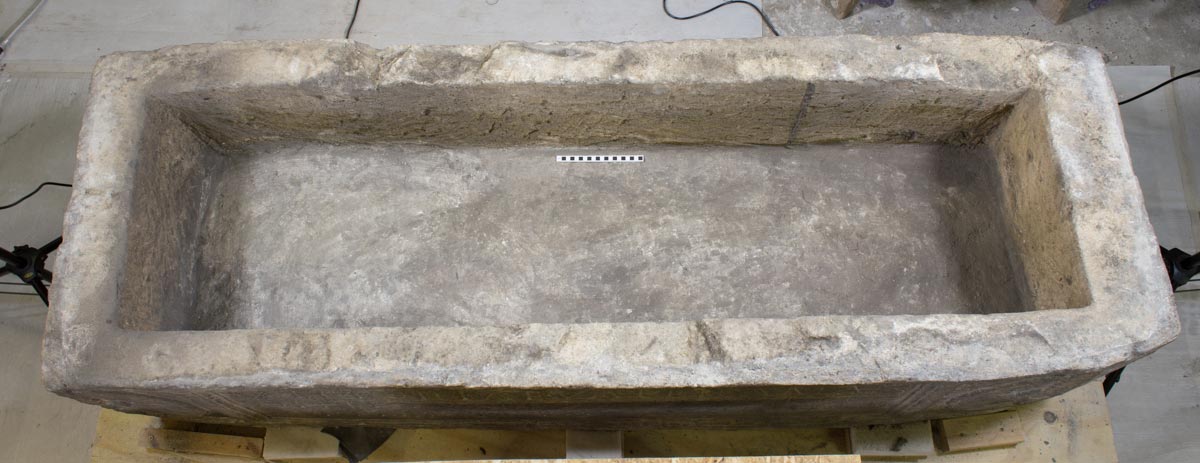
The researchers also noticed a rectangular outline marked by white residue on the interior of the stone coffin. The residue came from lime, a substance traditionally used in burials, and its shape suggested that a wooden coffin had once rested within the sarcophagus.
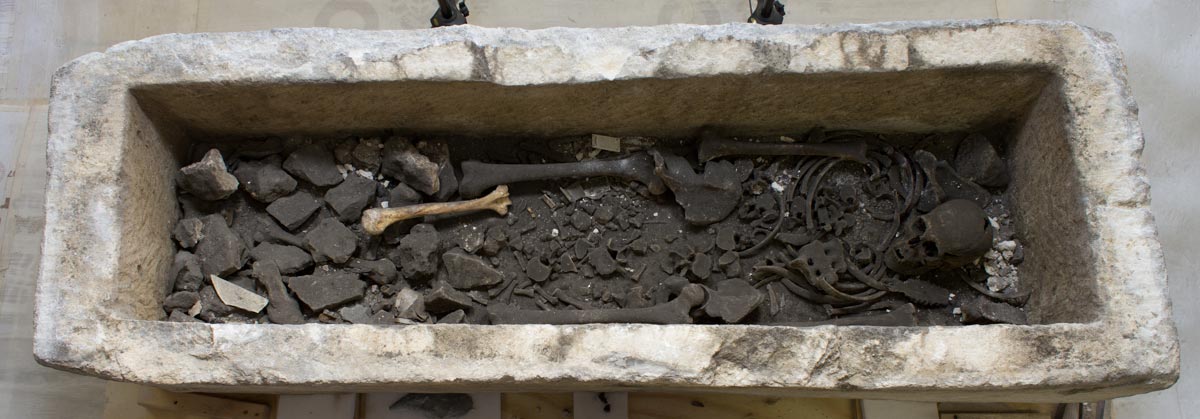
“Although no physical traces of that feature remained, it can only have been a timber coffin, which has completely decayed over the course of the seven centuries that the sarcophagus was buried in the sacristy courtyard,” writes Rodwell.
This evidence helps explain how the Roman burial container was reused. The medieval occupant appears to have been placed inside a wooden coffin, which was then enclosed within the older stone sarcophagus. Its lid was re-carved with a prominent Latin cross, adapting the Roman monument for a Christian burial.
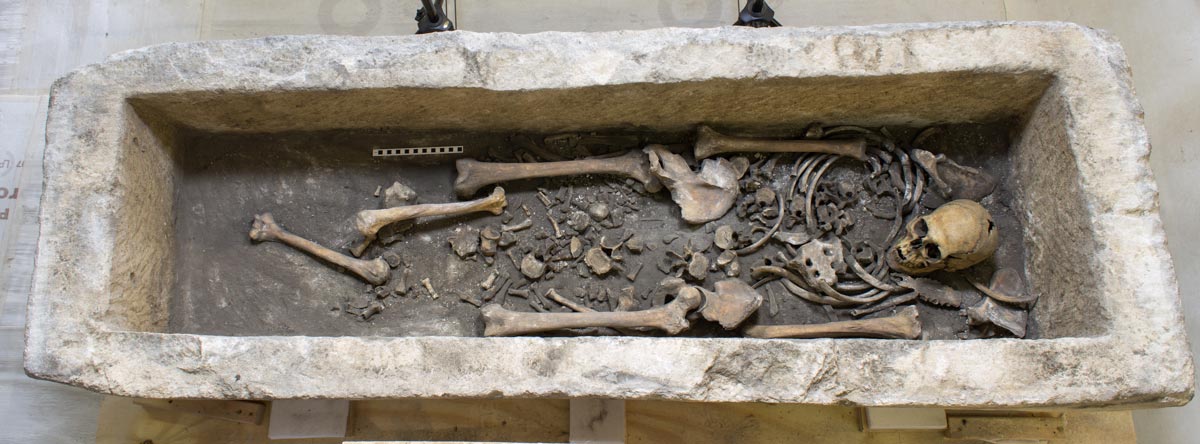
Rodwell describes the surviving outline of the wooden coffin as a “remarkable new discovery.” He also believes the deceased was “honored” with a “fine sarcophagus,” suggesting that the burial was intended for someone of considerable religious standing, potentially an abbot.
Bones date the burial to Saxon England
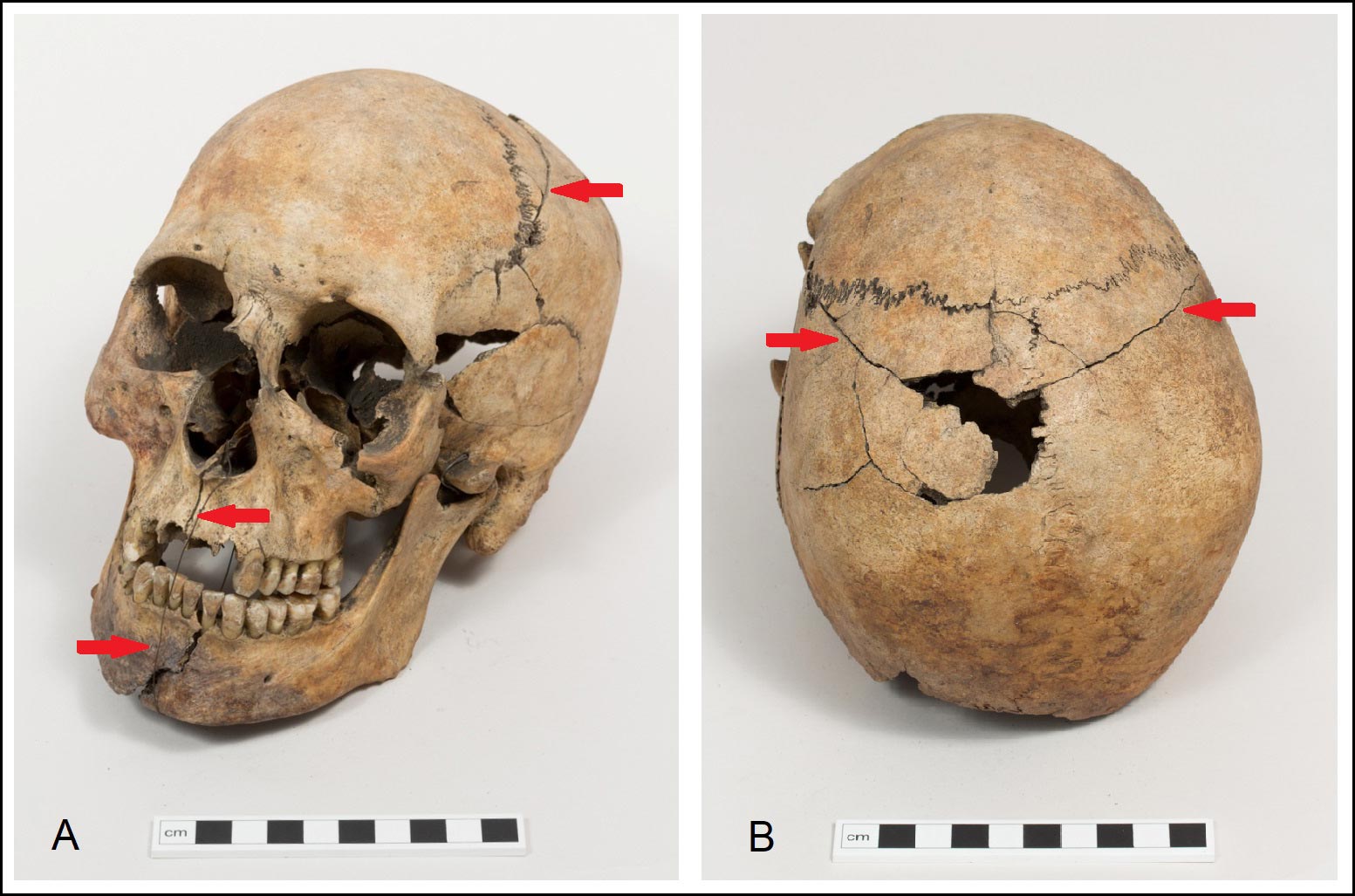
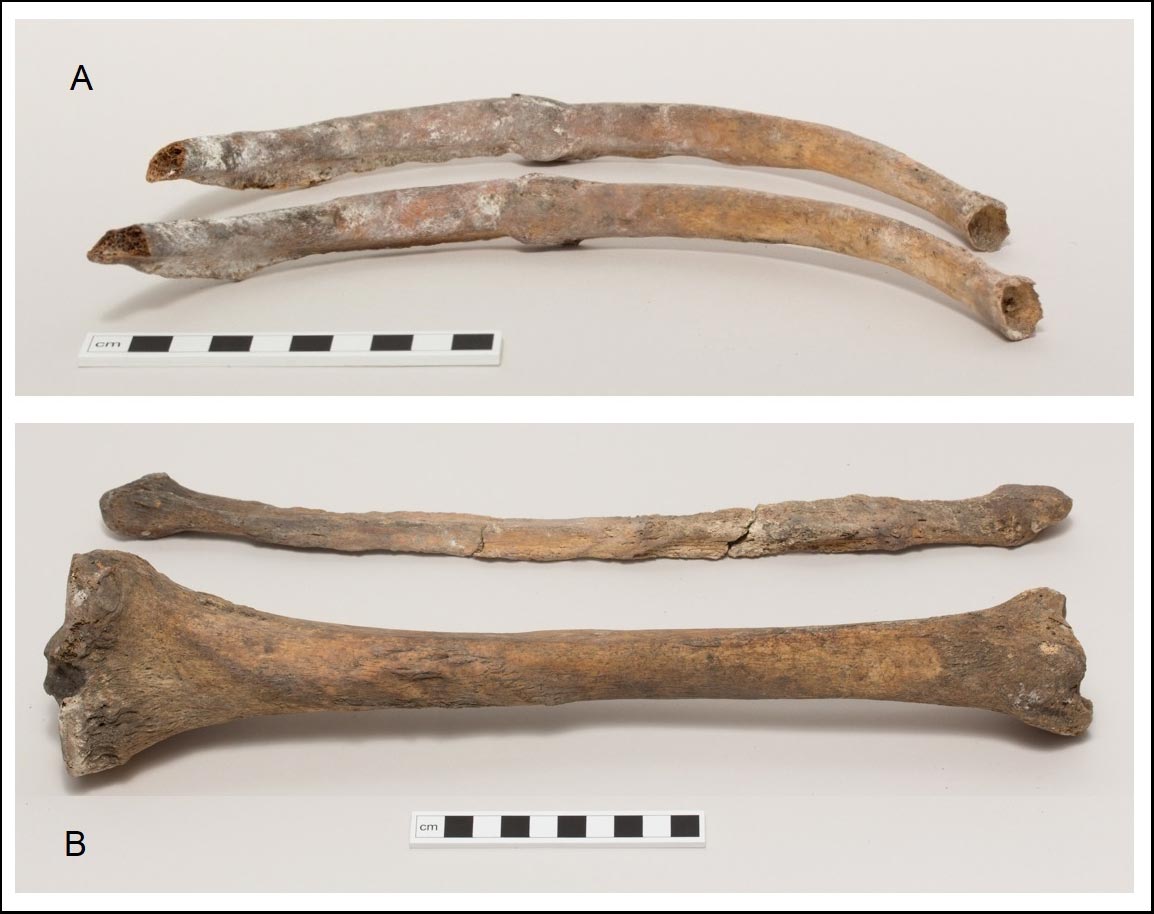
Further evidence came from a detailed examination of the human remains. James Young Langthorne, a human bone specialist with PCA, determined that the deceased was a man between 35 and 49 years old who stood approximately 5 feet 9 inches (175 centimeters) tall.
Those findings differ considerably from an assessment made in the 1800s, which described the skeleton as belonging to a “robust young man” who was no more than 30 years old and stood about 5 feet 7 inches (170 centimeters) tall.
A sample of bone was also sent to the Scottish Universities Environmental Research Centre for radiocarbon dating. The results placed the remains between AD 987 and 1052, a period that includes the deaths of both Aelfwig and Wulnoth.
“This confirms that the reuse of the sarcophagus, and the associated remodeling of its cover, occurred in the late Saxon period,” says Rodwell.
Two possible identities, no definitive answer
The new age estimate and radiocarbon results support the possibility that either abbot was buried in the sarcophagus. Neither man’s birth date is known, making it difficult to distinguish between them using the skeletal evidence alone.
“We do not know the date of birth of either. But either would fit equally well if we assume the Abbot was in his early twenties when the appointment was made and close to fifty when he died.”
Aelfwig may nevertheless have a slight advantage as a candidate because of his earlier connection to the monastery.
“The fact Aelfwig was already a monk of Westminster might favor him.”
Although the evidence cannot yet establish which abbot occupied the coffin, the combination of radiocarbon dating, skeletal analysis, and archaeological discoveries has substantially narrowed the possibilities. The sarcophagus, originally created in Roman Britain and later adapted for a medieval Christian burial, is now on public display in the Queen’s Diamond Jubilee Galleries at Westminster Abbey.
Reference: “Westminster Abbey’s Roman Sarcophagus and its Afterlife” by Warwick Rodwell, 20 October 2026, Journal of the British Archaeological Association.
DOI:10.1080/00681288.2026.2675788
Never miss a breakthrough: Join the SciTechDaily newsletter.
Follow us on Google and Google News.