
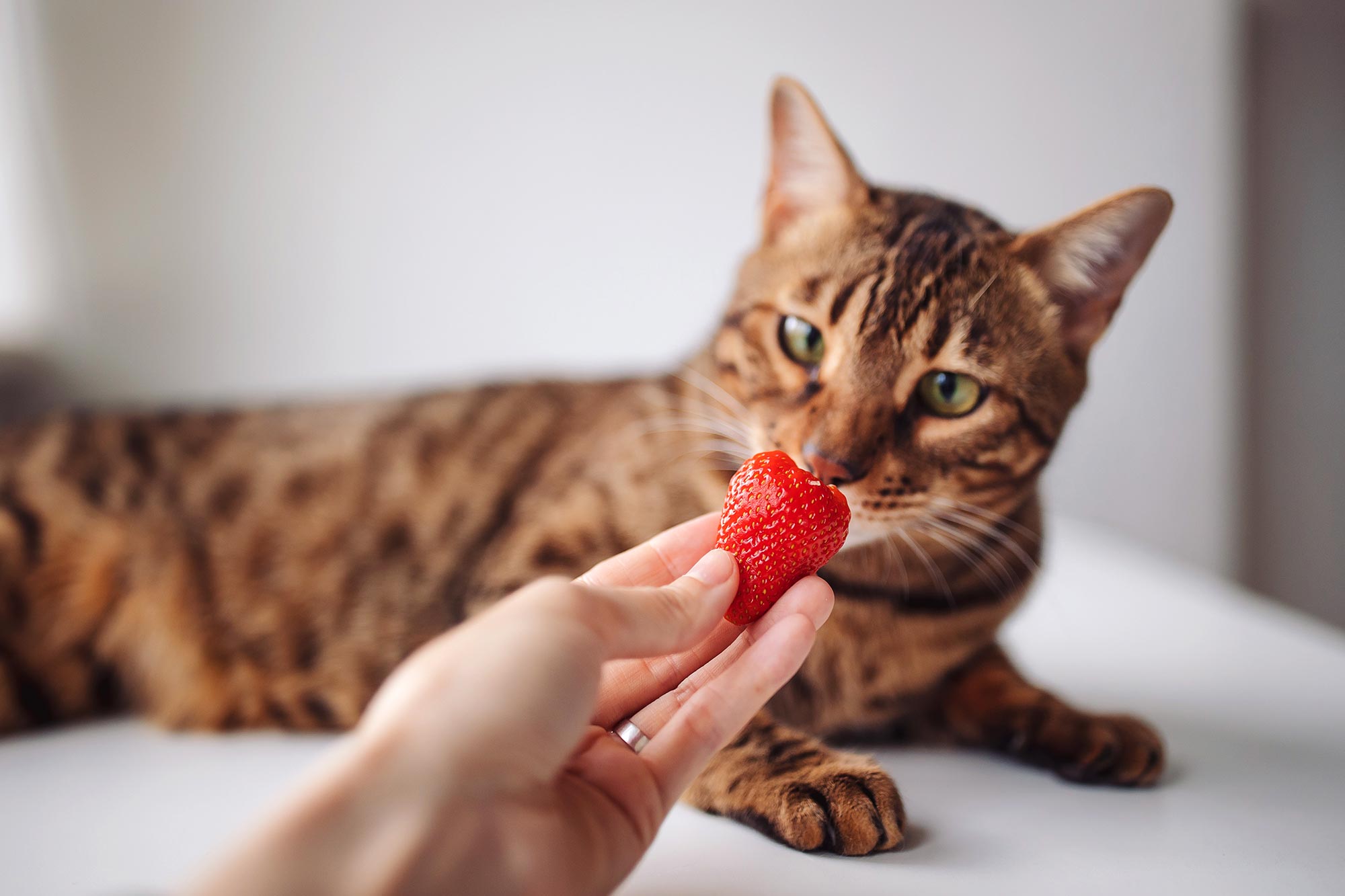
More cat owners are turning to vegan diets for their pets. But is a plant-based diet actually safe for cats?
An online survey of 1,305 cats found that those eating vegan diets had 34% lower odds of being assessed as overweight than those eating conventional meat-based food.
The findings came from caregiver reports of veterinary assessments. All cats had followed their diets for at least one year, with conventional meat-based diets accounting for most (90%) and vegan diets for the remainder (10%).
A Surprising Pattern in Cat Weight
Researchers calculated the difference after accounting for age, sex, neuter status, activity, and feeding practices.
The lower rates of excess weight came despite feeding habits that might have tipped the scales the other way, as Knight explained, “Interestingly, most vegan-fed cats were eating predominantly dry food and were more likely to have food available throughout the day. These are feeding patterns normally associated with increased overweight risk. Yet we still observed lower rates of overweight in this group.”
That observation came from study author Andrew Knight, an adjunct professor at Australia’s Griffith University School of Environment and Science. He emphasized that the relatively small vegan-fed group limited what researchers could conclude.
Weight-Related Health Problems Were Also Lower
Veterinary studies estimate that around 30–60% of domestic cats are overweight or obese. Excess weight is associated with arthritis, diabetes, urinary tract disease, and reduced quality of life, giving researchers a reason to investigate dietary patterns that might help.
Caregivers of vegan-fed cats reported fewer weight-related disorders, with no cases reported for several conditions examined. However, the small number of cats in this group made those results uncertain.
“Carers feeding cats vegan diets also reported lower rates of body weight-related disorders such as osteoarthritis and other musculoskeletal and mobility problems,” Knight said. “However, the relatively small number of vegan-fed cats means these results cannot be considered conclusive.”
What Might Explain the Findings
The survey could not establish why vegan-fed cats appeared less likely to be overweight. Researchers did not analyze the foods themselves, so explanations involving their ingredients or nutritional composition remain possibilities.
Some commercial vegan cat foods may provide more fiber and fewer calories or less fat than comparable meat-based products, potentially supporting weight control. Differences in L-carnitine, a nutrient involved in energy metabolism and maintaining lean body tissue, could also contribute.
The results do not establish that avoiding meat prevents excess weight. Determining whether the diets themselves explain the pattern would require direct measurements of food consumption, calorie intake, and body condition over time.
Stronger Evidence and Complete Nutrition Matter
Knight said the findings provide a reason for further investigation, rather than a definitive answer about vegan diets and feline weight.
“We can’t conclude from this study that vegan diets definitely protect cats against becoming overweight, but we have found a consistent pattern that is worth further investigation. An ideal next step would be a larger, prospective study that directly measured what cats are eating, their energy intake, and their body condition.”
“Additionally, cat carers should always ensure their cats receive nutritionally complete diets, choosing commercial vegan foods that are appropriately supplemented to provide all essential nutrients.”
Reference: “Impacts of a vegan diet on body weight and related health disorders in 1,305 cats: an exploratory cross-sectional survey” by Andrew Knight, Alexander Bauer and Jenny L. Mace, 11 September 2026, Frontiers in Animal Science.
DOI: 10.3389/fanim.2026.1939965
Never miss a breakthrough: Join the SciTechDaily newsletter.
Follow us on Google and Google News.