
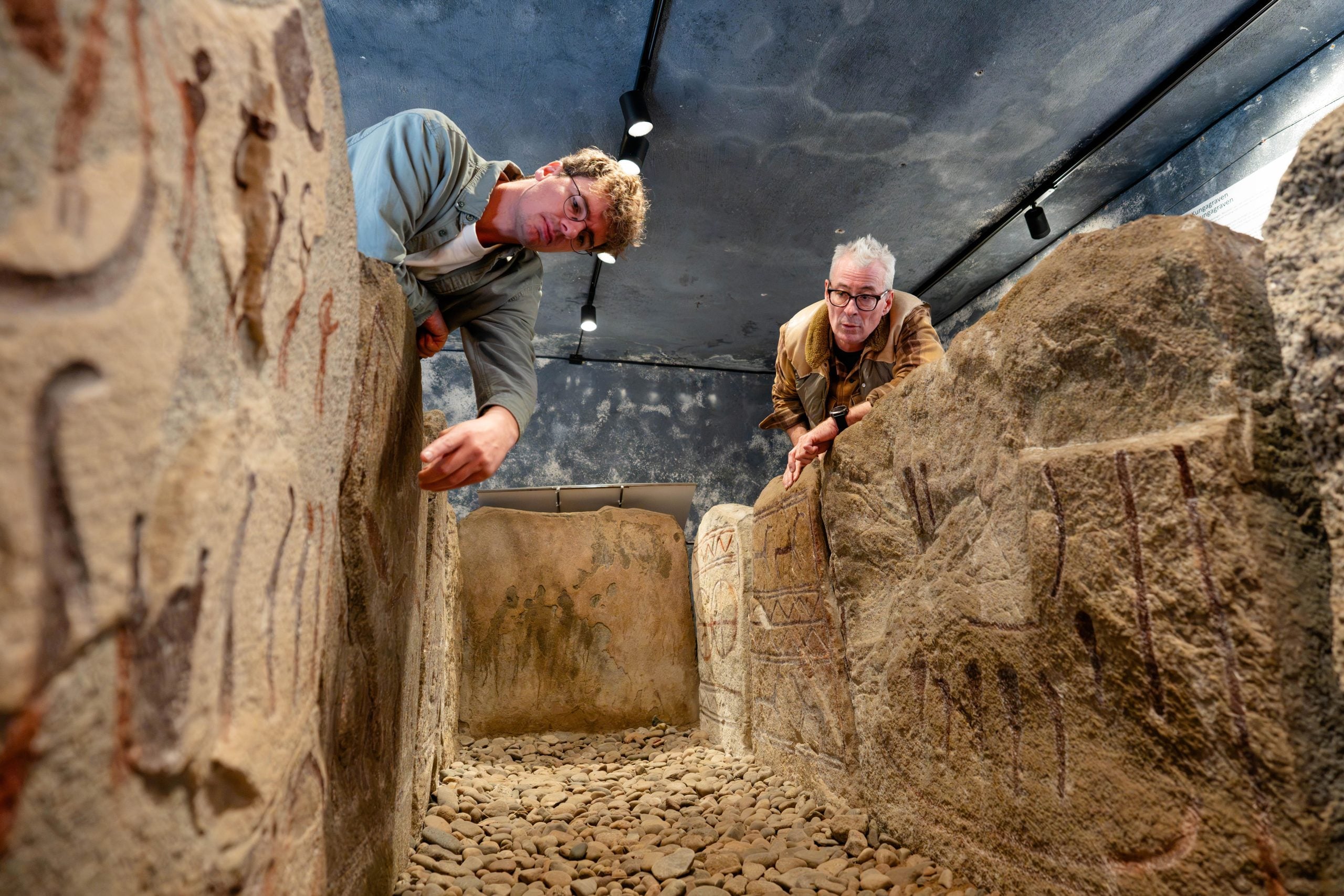
Ancient DNA is uncovering forgotten migrations that may have shaped the origins of English, German, and Celtic languages, challenging what researchers thought they knew about Europe’s linguistic history.
How can researchers trace a language back thousands of years when no one knows exactly what its earliest speakers sounded like? Although DNA cannot reveal the words ancient people used, it can show where they traveled, offering clues to how the languages we recognize today first spread.
That approach is helping scientists reconsider the origins of English, German, Dutch, and the Scandinavian languages. Spoken by hundreds of millions of people today, these languages share Germanic roots that researchers have long believed reached Northern Europe about 5,000 years ago. New evidence suggests a major part of that history may have unfolded roughly 1,000 years later.
In two studies published in Nature, an international team led by the University of Copenhagen and Leiden University examined DNA from more than 4,500 ancient individuals, including 712 genomes sequenced for the first time. Comparing these genetic records with archaeological and linguistic evidence allowed the researchers to reconstruct population movements that had previously gone unnoticed.
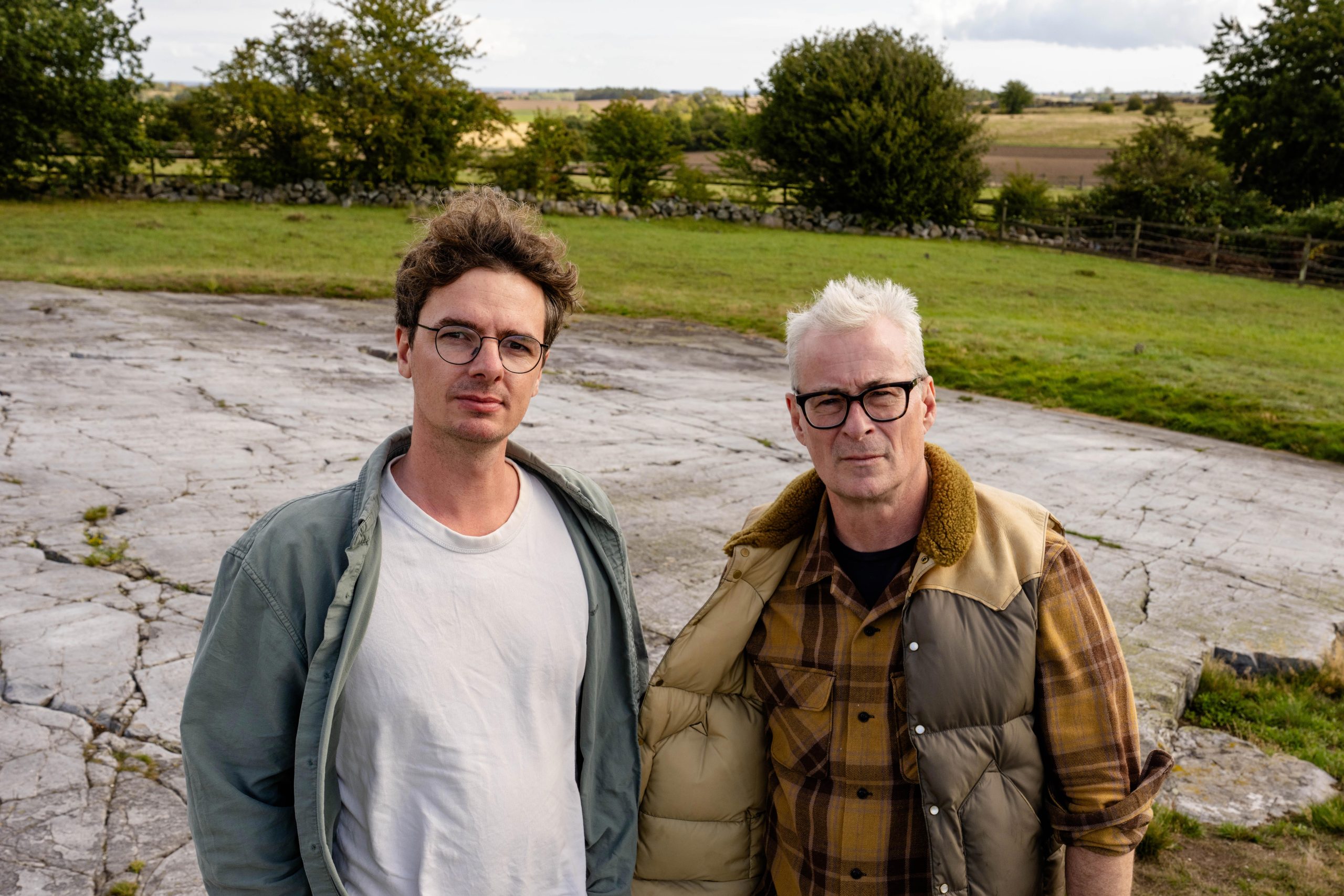
“These studies show what becomes possible when genetics, archaeology, and linguistics are brought together. Questions that have remained unresolved for generations can now be addressed with a level of evidence that was previously impossible,” says Kristian Kristiansen, professor of archaeology at the University of Gothenburg.
A forgotten migration challenges Germanic history
One of the clearest discoveries was a previously unknown migration into Scandinavia around 4,000 years ago. The newcomers likely arrived from areas around the Baltic Sea and spread rapidly, leaving a lasting genetic influence on the region. Researchers believe they may have brought an early ancestor of today’s Germanic languages.
“For over a century, scholars have debated when and from where the Germanic languages arrived in Northern Europe. What is exciting is that we can now test some of these ideas directly. We discovered a previously unknown migration that occurred at exactly the time and place where we would expect the earliest form of Germanic to be spreading,” says Hugh McColl, assistant professor at the Globe Institute at the University of Copenhagen and lead author of the study.
Celtic languages may have eastern roots
The findings also shed light on a separate mystery involving Celtic languages. Although these languages now survive mainly in Ireland, Wales, Scotland, and Brittany, they were spoken across much of Europe around 2,500 years ago. Their origins have been disputed for more than a century, with competing theories pointing to the Atlantic coast or central Europe.
Ancient DNA revealed that people migrated westward from central Europe around 3,000 years ago, reaching France, Britain, Ireland, and the Iberian Peninsula. Researchers consider this the simplest explanation for the spread of Celtic languages, challenging the influential theory that they originated along the Atlantic coast.
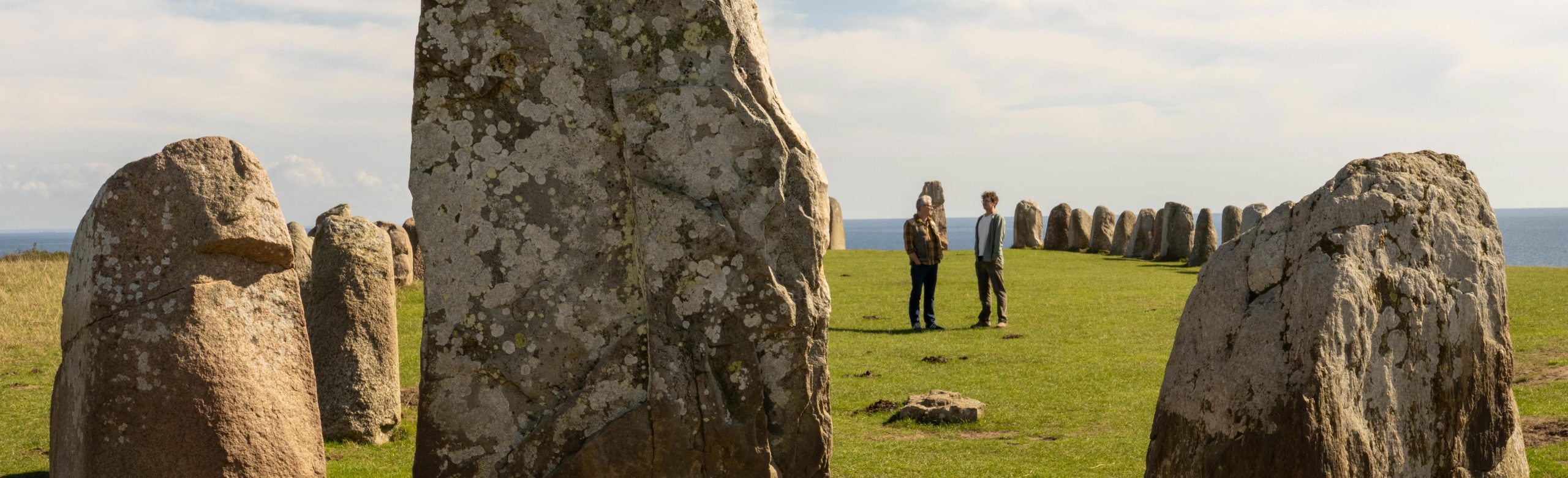
“The question of where Celtic languages came from has been debated for more than 100 years. Ancient DNA gives us an entirely new way to evaluate competing theories and brings important new evidence into the discussion,” says Guus Kroonen, associate professor of comparative linguistics at Leiden University and the University of Copenhagen.
The Vikings’ unexpected Anglo-Saxon connection
The genetic evidence also revealed an unexpected connection between the Vikings and Anglo-Saxons. Around 1,500 years ago, several centuries before the Viking Age, people from what is now northern Germany migrated into Denmark and southern Sweden. In some areas, particularly Zealand, they became a major part of the population.
Their arrival coincided with the emergence of Old Norse, the language later spoken by the Vikings. Many Danish and Swedish Vikings appear to have inherited much of their ancestry from these newcomers, who were closely related to populations that also contributed to the Anglo-Saxons in Britain. That connection may help explain similarities between their languages and artistic traditions.
“This migration came as a real surprise. Archaeologists and linguists had not predicted it, but it helps explain several cultural and linguistic connections between Scandinavia and Britain that have puzzled researchers for a long time,” says McColl.
The researchers caution that migration alone cannot establish which language a population spoke. Their conclusions depend on how the genetic evidence fits with decades of archaeological discoveries and linguistic research.
“DNA sequences do not tell us directly which language people spoke. But by combining ancient DNA with linguistic and archaeological evidence, we can begin to trace how languages spread and changed over thousands of years,” says Eske Willerslev, senior author of the studies and professor at the Globe Institute at the University of Copenhagen.
Reference: “Tracing the spread of Germanic languages using ancient genomics” by Hugh McColl, Guus Kroonen, J. Víctor Moreno-Mayar, Frederik Valeur Seersholm, Gabriele Scorrano, Thomaz Pinotti, Tharsika Vimala, Søren M. Sindbæk, Per Ethelberg, Ralph Fyfe, Marie-José Gaillard, Hanne M. Ellegård Larsen, Morten Fischer Mortensen, Fabrice Demeter, Marie Louise S. Jørkov, Sophie Bergerbrant, Peter de Barros Damgaard, Morten E. Allentoft, Lasse Vinner, Charleen Gaunitz, Abigail Ramsøe, Isin Altinkaya, Rasmus Amund Henriksen, Evan K. Irving-Pease, K.-G. Sjögren, Serena Sabatini, Anders Fischer, William Barrie, Andrés Ingason, Anders Rosengren, Andrew Vaughn, Jialu Cao, Jacqueline Staring, Jesper Stenderup, Fulya Eylem Yediay, Torbjörn Ahlström, Irakli Akhvlediani, Sofie Laurine Albris, Vladimer Aslanishvili, Biyaslan Atabiev, E. V. Balanovskaya, Oleg Balanovsky, Pernille Bangsgaard, Maria Giovanna Belcastro, Nick Card, Philippe Charlier, Elizaveta Chernykh, Torben Trier Christiansen, Alfredo Coppa, Maura De Coster, Sean Dexter Denham, Sophie Desenne, Jane Downes, Karin Margarita Frei, Olivér Gábor, U. B. Gadiev, Johan Zakarias Gårdsvoll, Zanette Tsigaridas Glørstad, Jesper Hansen, Stijn Heeren, Merete Henriksen, Volker Heyd, Mette Høj, Mads Kähler Holst, Rimantas Jankauskas, Henrik Janson, Mads Dengsø Jessen, Jens Winther Johannsen, Torkel Johansen, Ole Thirup Kastholm, Anton Kern, Ruslan Khaskhanov, Katrine Ipsen Kjær, Vladimir Kolosov, Lisette M. Kootker, Klaudia Kyselicová, Anne Christine Larsen, Thierry Lejars, Mette Løvschal, Niels Lynnerup, Yvonne Magnusson, V. Yu. Malashev, Kristiina Mannermaa, Vyacheslav Masyakin, Anne Lene Melheim, Inga Merkyte, Vyacheslav Moiseyev, Stig Bergmann Møller, Erika Molnár, Nadja Mortensen, Eileen Murphy, Bjarne Henning Nielsen, Chatarina Ödman, Doris Pany-Kucera, Bettina Schulz Paulsson, Gertjan Plets, Marcia S. Ponce de León, Håkon Reiersen, Walter Reinhard, Antti Sajantila, Birgitte Skar, Vladimir Slavchev, Václav Smrčka, Lasse Sørensen, Georg Tiefengraber, Otto Christian Uldum, Helle Vandkilde, Jorge Vega, Daniele Vitali, Alexey Voloshinov, Sidsel Wåhlin, Holger Wendling, Anna Wessman, Helene Wilhelmson, Karin Wiltschke, João Zilhão, Christoph PE Zollikofer, Thorfinn Sand Korneliussen, Bruno Chaume, Jean-Paul Demoule, Thomas Werge, Line Olsen, Rasmus Nielsen, Lotte Hedeager, Kristian Kristiansen, Martin Sikora and Eske Willerslev, 28 October 2026, Nature.
DOI: 10.1038/s41586-025-09064-1
The Lundbeck Foundation GeoGenetics Centre is supported by grants from the Lundbeck Foundation (R302-2018-2155 and R155-2013-16338), the Novo Nordisk Foundation (NNF18SA0035006), the Wellcome Trust (WT214300), Carlsberg Foundation (CF18-0024), the Danish National Research Foundation (DNRF94 and DNRF174), the University of Copenhagen (KU2016 programme) and Ferring Pharmaceuticals A/S to E.W. K.M.F. was supported by the Carlsberg Foundation (CF18-0005).
Never miss a breakthrough: Join the SciTechDaily newsletter.
Follow us on Google and Google News.