

Tofu took the crown in a showdown of 20 protein-rich foods judged on health, affordability, availability, and their toll on the planet.
Protein-rich foods can look very different when cost, access, health, and environmental impact all enter the picture. In a study published in Frontiers in Sustainable Food Systems, Dr. Chris Macdonald developed a framework that combines these four considerations to compare commonly consumed protein sources.
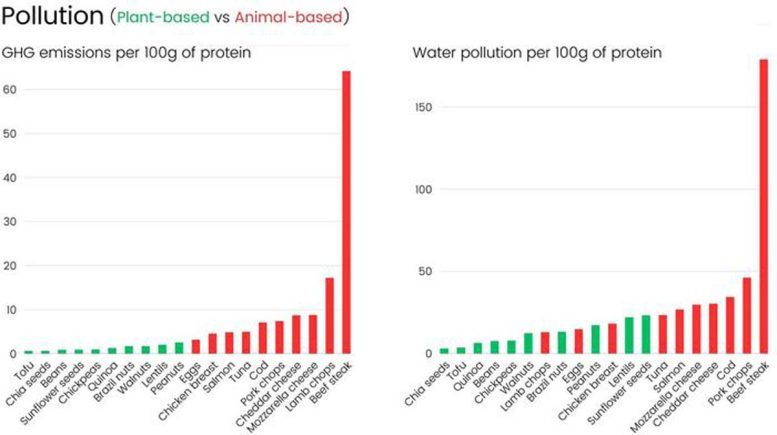
Among the 20 foods assessed, tofu took the top spot, while cheddar cheese finished last. The results followed a clear pattern: plant-based foods occupied the entire highest-scoring fifth, and animal-based products made up the lowest-scoring fifth.
Tofu’s lead came from strong results across both parts of the assessment. It earned a perfect 16 points for environmental performance, placing in the best-performing fifth for greenhouse gas emissions, water pollution, land use, and freshwater use. It also scored 20 out of 24 points for health and accessibility, including full marks for providing all nine essential amino acids.
Together, these measures explain why the rankings go beyond protein content alone. They weigh the environmental costs of producing protein alongside nutritional factors and practical considerations such as price and availability.
Looking Beyond A Single Food Label
The paper argues that ratings focused on one feature can leave consumers with an incomplete picture. A product’s performance in one area does not explain its trade-offs elsewhere. Macdonald presents the framework as a way to help people understand those competing considerations and the food systems their purchases support.
As the paper states, “Against deliberate corporate obfuscation and marketing myths, the goal of a holistic score is not to create a new label, but to foster a new literacy, one that empowers us to see the reality of the systems we are funding.
Ultimately, beyond the spreadsheets and scores, lies a fundamental reckoning: our protein choice is a referendum on the compassion we are willing to show to animals, to the planet, and to future generations.”
The research builds on Macdonald’s work at the Better Protein Institute, which examines how much protein people need for optimal health, how to shift consumer behavior effectively, and where investment could support future protein sources. By questioning common assumptions and starting from first principles, that work addresses some of the most frequently Googled questions about dietary protein.
Reference: “What are the best sources of protein? Introducing the BPI Score” by Chris Macdonald, 1 July 2026, Frontiers in Sustainable Food Systems.
DOI: 10.3389/fsufs.2026.1677796
Never miss a breakthrough: Join the SciTechDaily newsletter.
Follow us on Google and Google News.