
Close Menu
    Facebook X (Twitter) Instagram
    SciTechDaily
    • Biology
    • Chemistry
    • Earth
    • Health
    • Physics
    • Science
    • Space
    • Technology
    Facebook X (Twitter) Pinterest YouTube RSS
    SciTechDaily
    Home»Biology»Researchers in China Transformed Mouse Granulosa Cells Into Egg Cells and Produced Healthy Offspring
    Biology

    Researchers in China Transformed Mouse Granulosa Cells Into Egg Cells and Produced Healthy Offspring

    By Cell PressDecember 24, 20191 Comment4 Mins Read
    Facebook Twitter Pinterest Telegram LinkedIn WhatsApp Email Reddit
    Share
    Facebook Twitter LinkedIn Pinterest Telegram Email Reddit
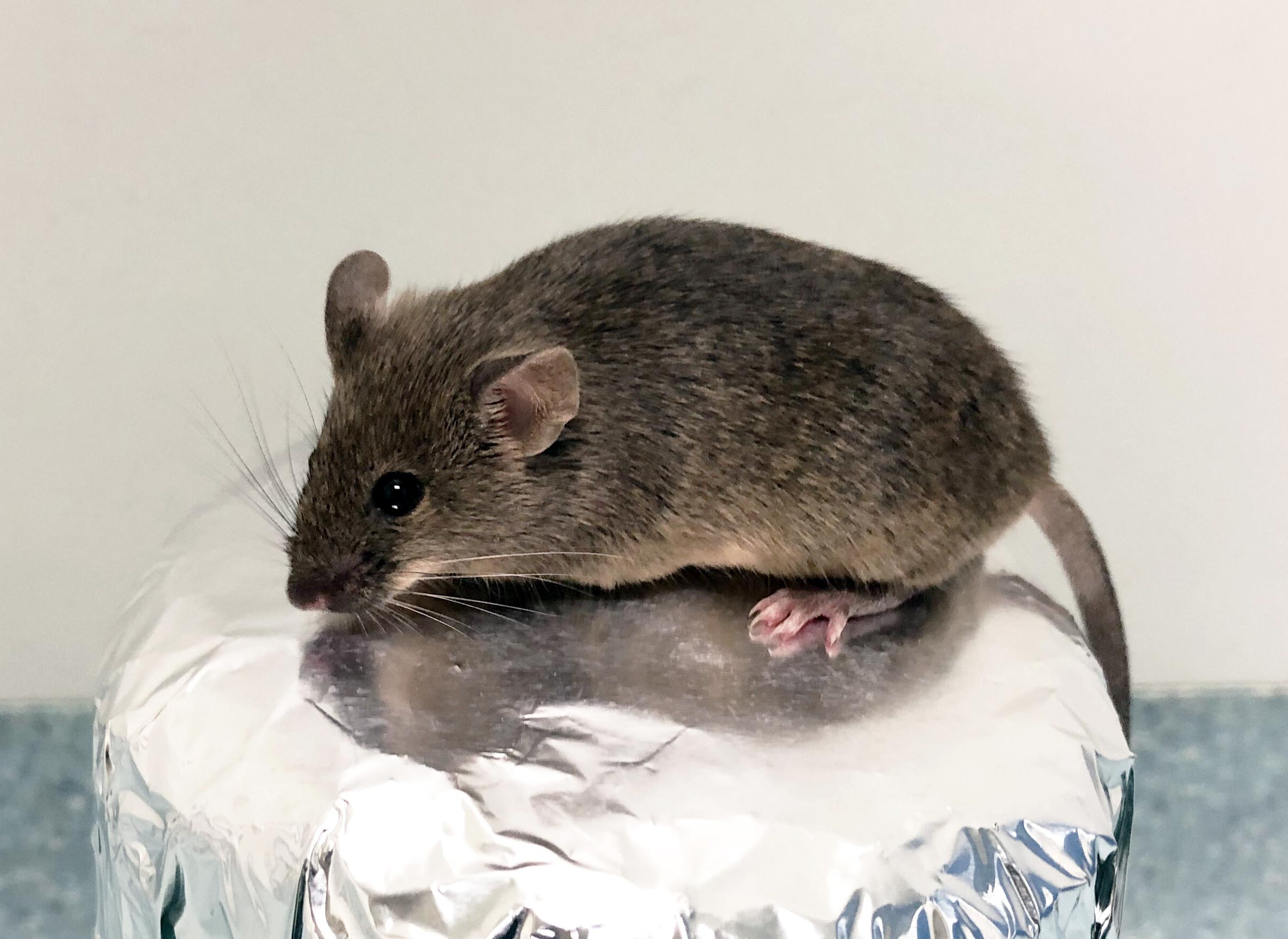
    Mouse Born From Granulosa Derived Egg
    This photo shows a mouse obtained from gPSC4-derived oocytes by IVM and IVF. The mouse is now about one year old. The gPSC4- mice have reproductive ability and produced 13 and 7 pups, respectively, after two matings. Credit: Lin Liu

    By introducing a chemical cocktail to granulosa cells, researchers in China induced the cells to transform into functional oocytes in mice. Once fertilized, these oocytes were then successfully able to produce healthy offspring, showing no differences from naturally bred mice. The chemical reprogramming method was published today (December 24, 2019) in the journal Cell Reports.

    Ovarian follicles are the basic functional unit of the ovary and consist of an oocyte, the immature egg, which is surrounded by granulosa cells. Besides being crucial to the development of follicles, studies have shown that granulosa cells possess plasticity that shows stem cell-like properties.
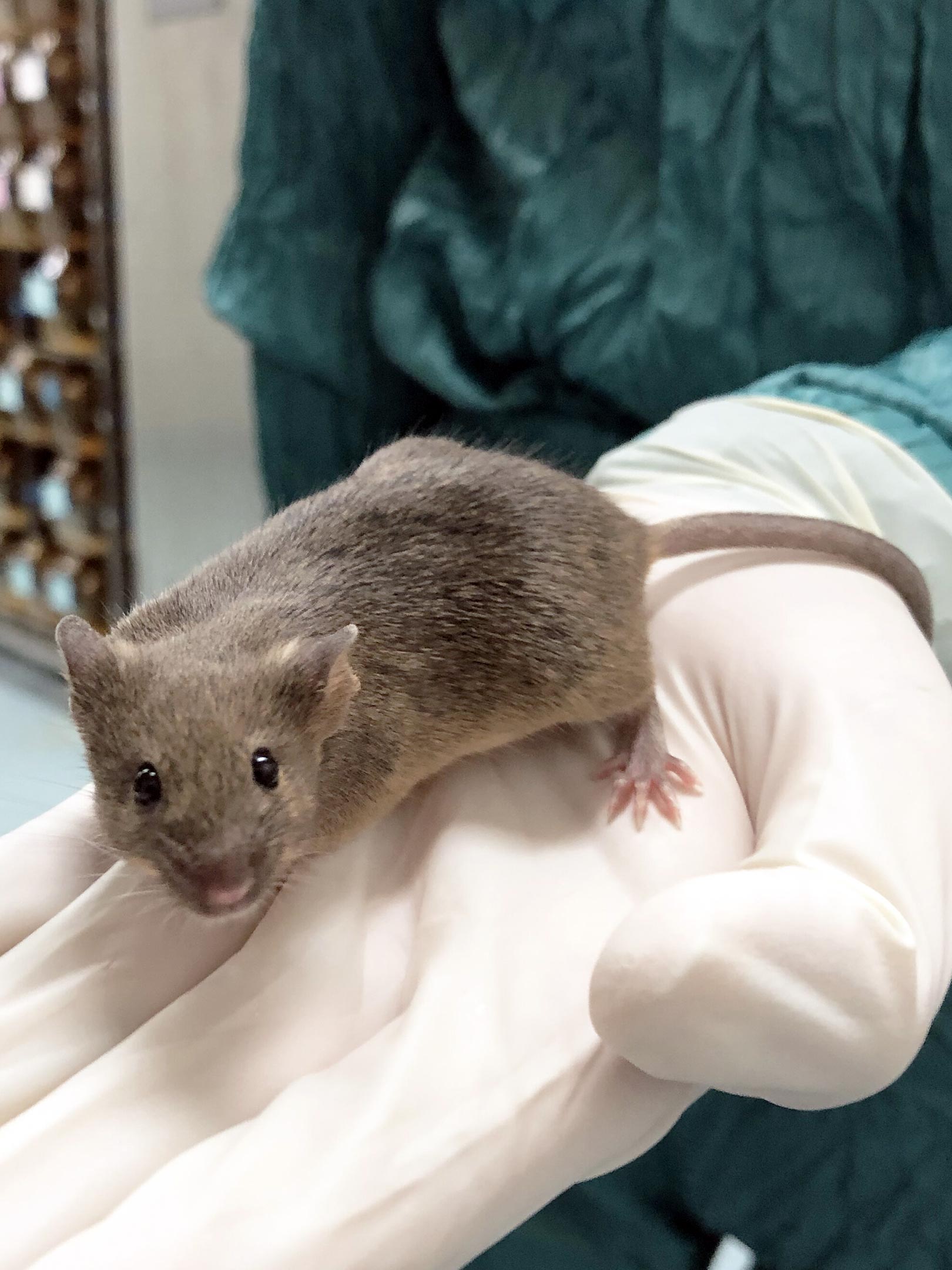
    Mouse From Granulosa Derived Egg
    This photo shows a mouse obtained from gPSC4-derived oocytes by IVM and IVF. The mouse is now about one year old. The gPSC4- mice have reproductive ability and produced 13 and 7 pups, respectively, after two matings. Credit: Lin Liu

    “The thing about in vitro fertilization is that they only use the oocyte for the procedure,” says senior author Lin Liu, of the College of Life Sciences at Nankai University. “After the egg retrieval, the granulosa cells in the follicle are discarded. It got us thinking, what if we can utilize these granulosa cells? Since every egg has thousands of granulosa cells surrounding it, if we can induce them into pluripotent cells and turn those cells into oocytes, aren’t we killing two birds with one stone?”

    Granulosa cells tend to undergo cell death and differentiation once removed from the follicles. Liu and his team including Ph.D. students Chenglei Tian and Haifeng Fu developed a chemical “cocktail” with Rock inhibitor and crotonic acid for creating chemically induced pluripotent stem cells (CiPSCs) from granulosa cells. The research team introduced Rock inhibitor to prevent cell death and promote proliferation. In combination with other important small chemicals, crotonic acid facilitates the induction of granulosa cells into germline-competent pluripotent stem cells that exhibit pluripotency similar to embryonic stem cells.

    “It’s a surprising result,” says Liu. “The competency of induced pluripotent germline is usually lower than embryonic stem cells. Germline competency is crucial for germline cells to transfer genetic information to the next generation. With the co-formulation of Rock inhibitor and crotonic acid, it’s not only more efficient, but the quality also increased.”

    Another cocktail of Rock inhibitor and vitamin C is introduced to the germline-competent pluripotent stem cells to improve the follicle development and induce meiosis. Meiosis is the process of a single cell becoming sex cells, the egg. Germ cells and oocytes rejuvenated from granulosa cells exhibit high genomic stability and successfully produce offspring that show normal fertility.
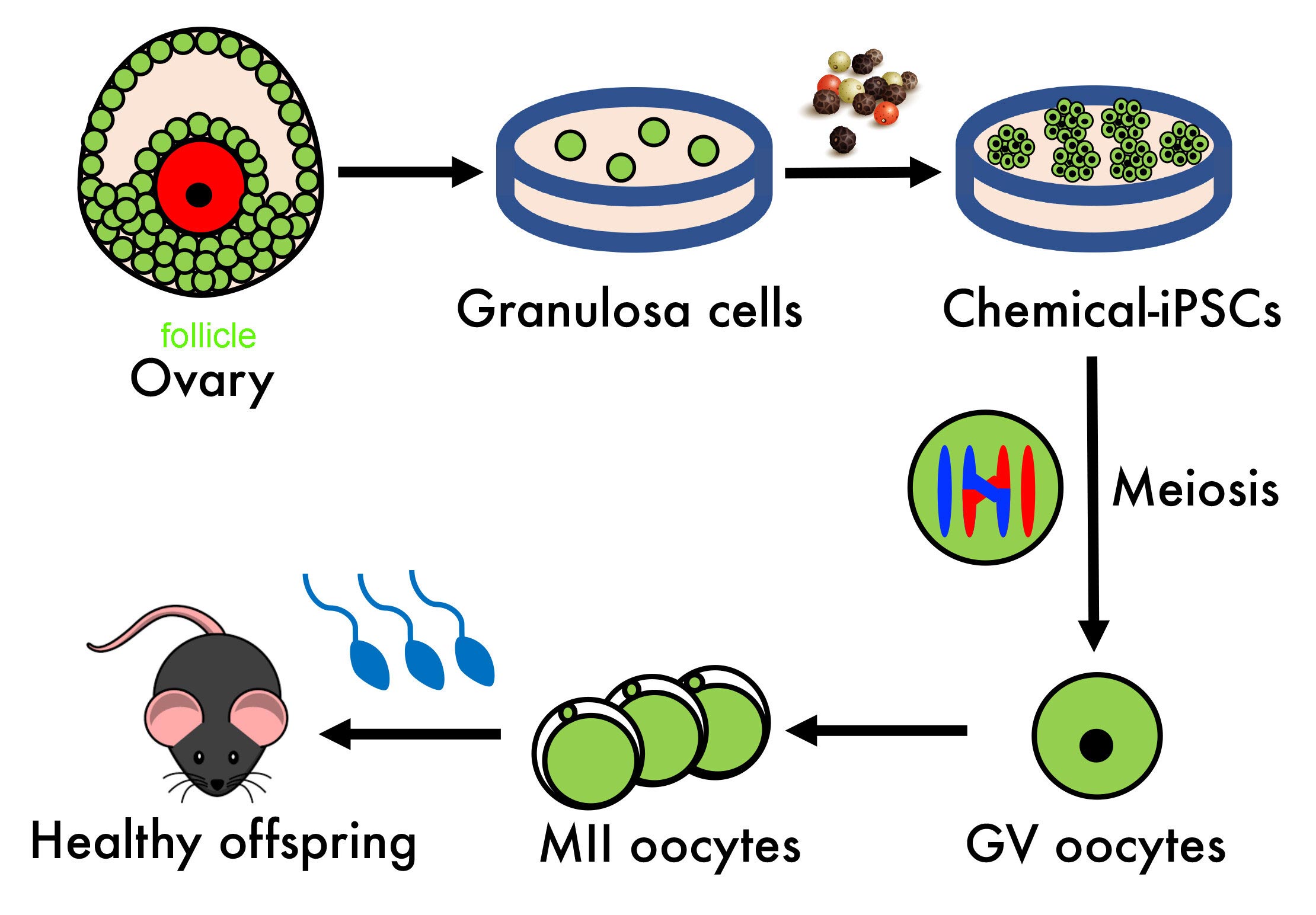
    Process Generating Offspring from Granulosa Derived Eggs
    Diagram of process generating mice offspring from gPSC4-derived oocytes by IVM and IVF. Credit: Lin Liu

    “We can consistently manipulate the concentration and treatment time of these small chemicals,” says Liu. Compared to traditional stem cell-inducing methods such as transfection, which reprograms cells by introducing transcription factors to somatic cells, chemical treatment provides higher controllability. “Transfection method may have a higher risk of genetic instability.”

    “This is the first time we turned granulosa cells into oocytes, it is a crucial and interesting work in developmental and reproductive biology,” he says. “But implementing this research to humans from mice still has a long way to go. I think it has more prospect in preserving fertility and endocrine function, than in treating infertility.”

    Reference: “Functional Oocytes Derived from Granulosa Cells” by Chenglei Tian, Linlin Liu, Xiaoying Ye, Haifeng Fu, Xiaoyan Sheng, Lingling Wang, Huasong Wang, Dai Heng and Lin Liu, 24 December 2019, Cell Reports.
    DOI: 10.1016/j.celrep.2019.11.080

    This work was supported by the National Natural Science Foundation of China and the China National Key R&D Program. The authors declare no competing interests.

    Never miss a breakthrough: Join the SciTechDaily newsletter.
    Follow us on Google and Google News.

    Cell Biology Cell Press Popular Reproductive Biology
    Share. Facebook Twitter Pinterest LinkedIn Email Reddit

    Related Articles

    AI Protein Discovery Unlocks Secrets of Life’s Beginning

    Origin of Life: The First Cells Might Have Used Temperature To Divide

    Human Brain Organoids Grown in Lab With “Eyes” That Respond to Light

    Sperm Evolution Becomes Supercharged Only When They Swim Inside Females

    Early Human Embryo Structure Created With Stem Cells in Advance for Fertility Research

    Fascinating or Horrifying? Scientists Create Human-Monkey Chimeric Embryos

    MIT Biologists and Mathematicians Reveal How Egg Cells Get So Big

    Link between Lou Gehrig’s Disease and Spinal Muscular Atrophy Discovered

    Researchers Identify BAD as Key Seizure-Suppressing Protein

    1 Comment

    1. DCM on December 26, 2019 3:00 pm

      More good news.

      Reply
    Leave A Reply Cancel Reply

    • Facebook
    • Twitter
    • Pinterest
    • YouTube

    Don't Miss a Discovery

    Subscribe for the Latest in Science & Tech!

    Trending News

    This Deadly Disease Was Wiping Out Humans 5,500 Years Ago

    Beyond DNA: Scientists Discover Inheritance That Breaks the Rules of Genetics

    Scientists Just Discovered the Eye Defies a Long-Held Rule of Vision

    What if Time Isn’t Fundamental? Physicists Just Tested the Idea in the Lab

    Scientists Say We’ve Been Wrong About the Aging Brain

    68 Quadrillion Miles: Scientists Map Earth’s Vast Hidden Fungal Network for the First Time

    Hidden Damage From Youth May Explode Into Disease Later in Life

    Climate Models May Be Wrong About How Trees Store Carbon

    Follow SciTechDaily
    • Facebook
    • Twitter
    • YouTube
    • Pinterest
    • Newsletter
    • RSS
    SciTech News
    • Biology News
    • Chemistry News
    • Earth News
    • Health News
    • Physics News
    • Science News
    • Space News
    • Technology News
    Recent Posts
    • Sea Level Rise Is Swallowing Farmland at Alarming Rates
    • Scientists Have Found “The Heaven Sword” After Years of Looking
    • The Hottest Known Exoplanets May Hold Clues to Planetary Habitability
    • Astronomers Discover a Sleeping Giant: Ancient Black Hole 6 Billion Times the Sun’s Mass
    • Can Time Flow in Reverse? A Quantum Breakthrough Challenges Our Assumptions
    Copyright © 1998 - 2026 SciTechDaily. All Rights Reserved.
    • Science News
    • About
    • Contact
    • Editorial Board
    • Privacy Policy
    • Terms of Use

    Type above and press Enter to search. Press Esc to cancel.