
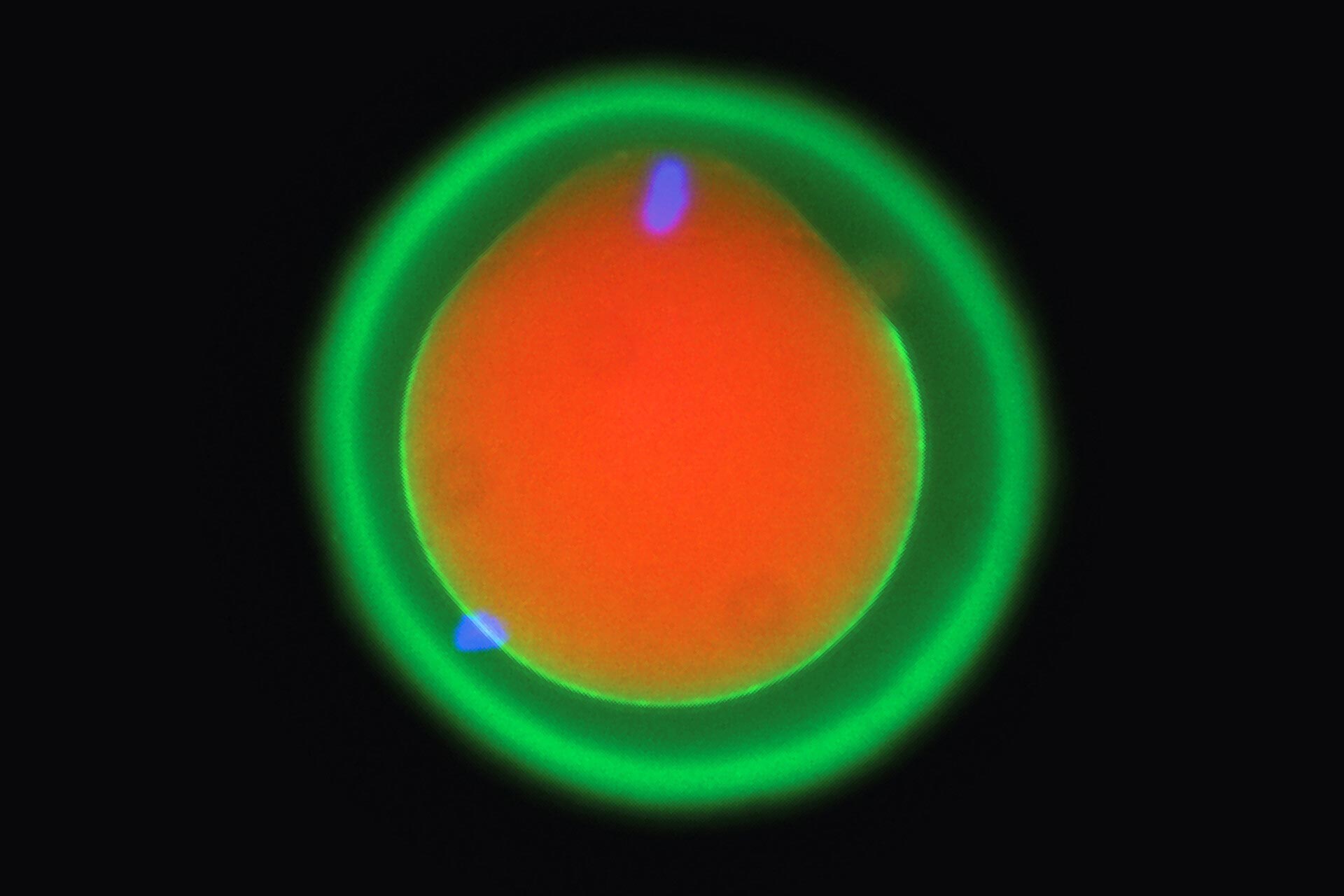
Research utilizing AI tool AlphaFold has revealed a new protein complex that initiates the fertilization process between sperm and egg, shedding light on the molecular interactions essential for successful fertilization.
Genetic research has uncovered many proteins involved in the initial contact between sperm and egg. However, direct proof of how these proteins bind or form complexes to enable fertilization remained unclear. Now, Andrea Pauli’s lab at the IMP, working with international collaborators, has combined AI-driven structural predictions with experimental evidence to reveal a key fertilization complex. Their findings, based on studies in zebrafish, mice, and human cells, were published in the journal Cell.
Unveiling the Mystery of Cellular Fusion
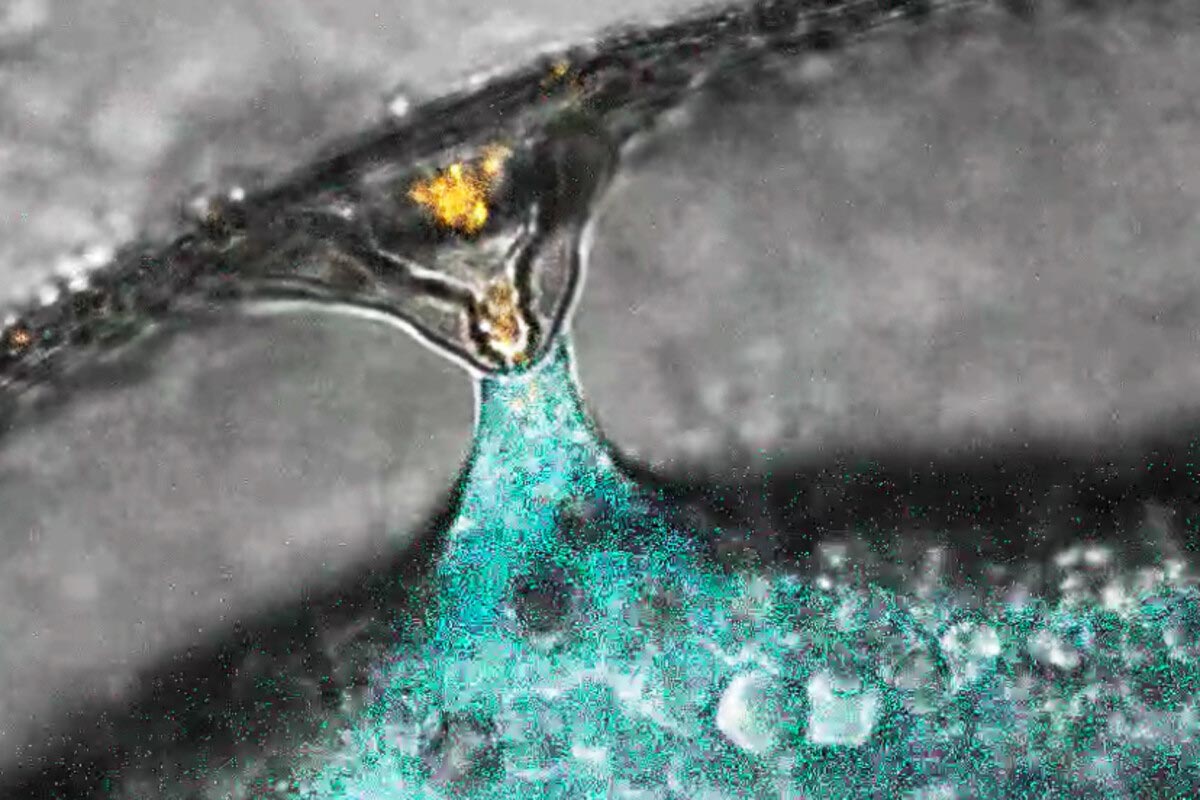
Fertilization is the first step in forming an embryo, starting with the sperm’s journey toward the egg, guided by chemical signals. When the sperm reaches the egg, it binds to the egg’s surface through specific protein interactions. This binding readies their membranes to merge, allowing their genetic material to combine and create a zygote—a single cell that will eventually develop into a new organism.
While much progress has been made in understanding these early stages, the precise mechanisms enabling the sperm and egg to meet and fuse remain elusive. Unlike most cells, which maintain their separation and distinct identities, sperm and egg cells are uniquely specialized to undergo fusion. This process involves a highly regulated sequence of molecular events that scientists are only beginning to unravel.
“Kiss of Life” of Egg and Sperm
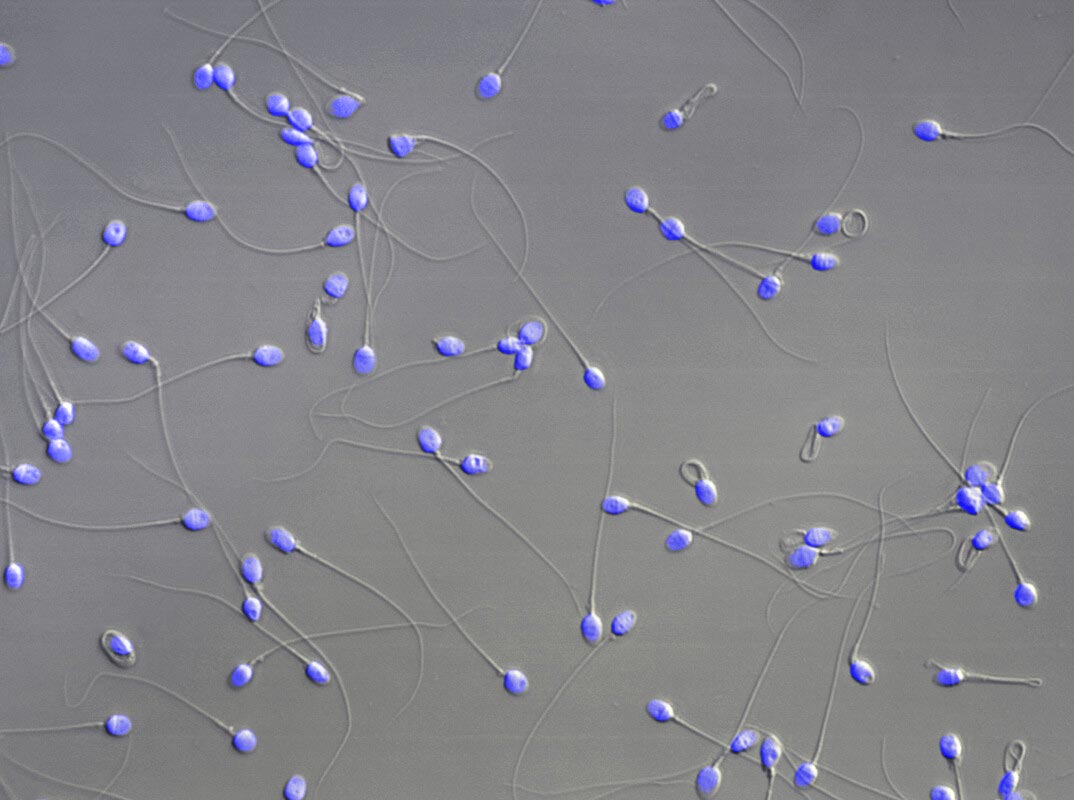
Over the past 20 years, many proteins have been identified as essential for the interaction between mammalian sperm and egg. However, only two—Izumo1, found on the surface of the sperm, and Juno, located on the egg’s membrane—have been confirmed to directly bind to each other to facilitate fertilization.

Using the latest advancements of the Artificial Intelligence (AI) tool AlphaFold, Andrea Pauli’s lab at the IMP and international collaborators now identified a new protein complex that facilitates the first molecular connection between sperm and egg and demonstrated its function in living organisms. The findings, published in the journal Cell, reveal that a fundamental lock-and-key mechanism crucial for fertilization is shared across vertebrates.
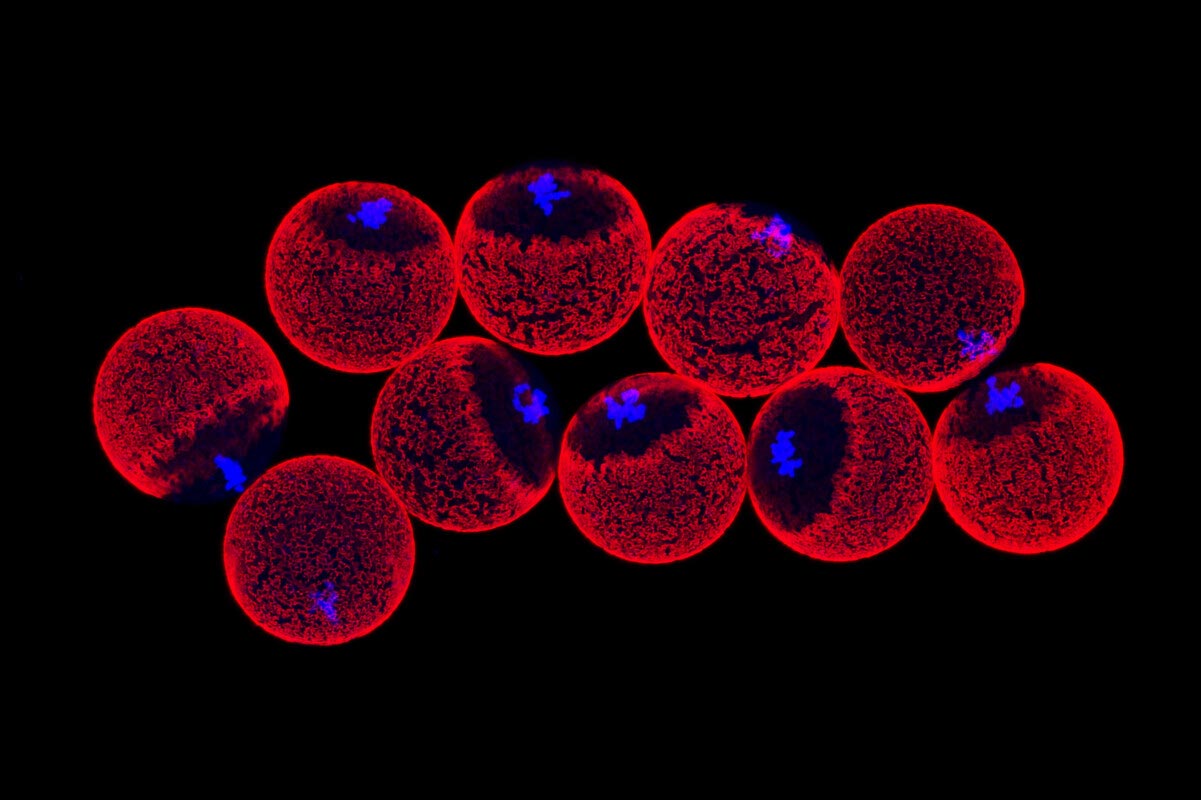
AI Unlocks Foundations of Fertilization
The fusion of sperm and egg is a highly selective, one-time event that will kickstart the development of a whole new organism. This process relies on a specialised molecular machinery unique to these cell types. Over the years, genetic screens have helped scientists identify several proteins involved.

Researchers turned to AI to go beyond a list of genes important for fertilization, aiming instead to reveal how these elements function and interact at the molecular level. They used ‘AlphaFold Multimer’, an advanced software that extends the original AlphaFold technology—which predicts individual protein structures based on their sequences—to forecast how different proteins interact with each other and form complexes.
New Protein Complex Identified
Focusing their initial analysis on proteins known to be found on the surface of sperm, the team employed the AI tool to identify potential additional players in fertilization. “We assembled a list of proteins predicted to be at the sperm’s membrane and performed a bioinformatic screen including thousands of predictions using AlphaFold,” explains Victoria Deneke, postdoc in the Pauli lab and co-first author of the study. “AlphaFold predicted which proteins might interact with each other and suggested promising candidates for further testing.”
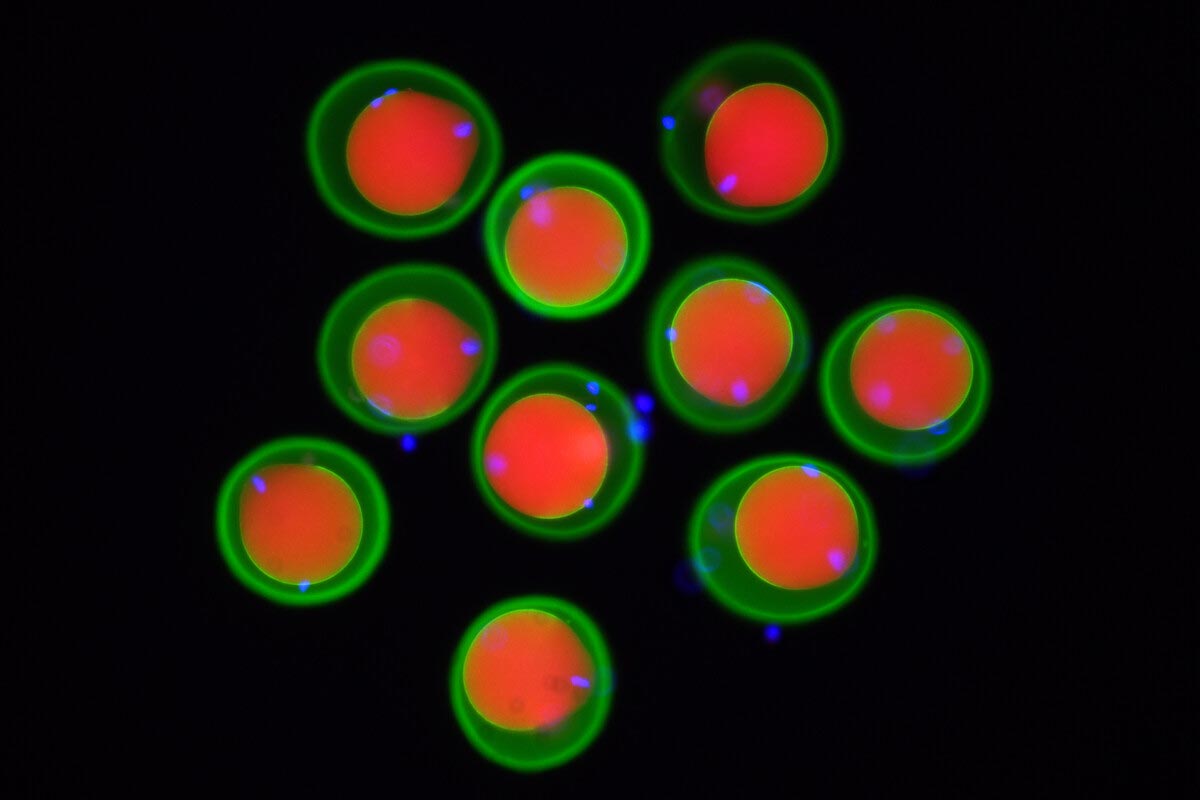
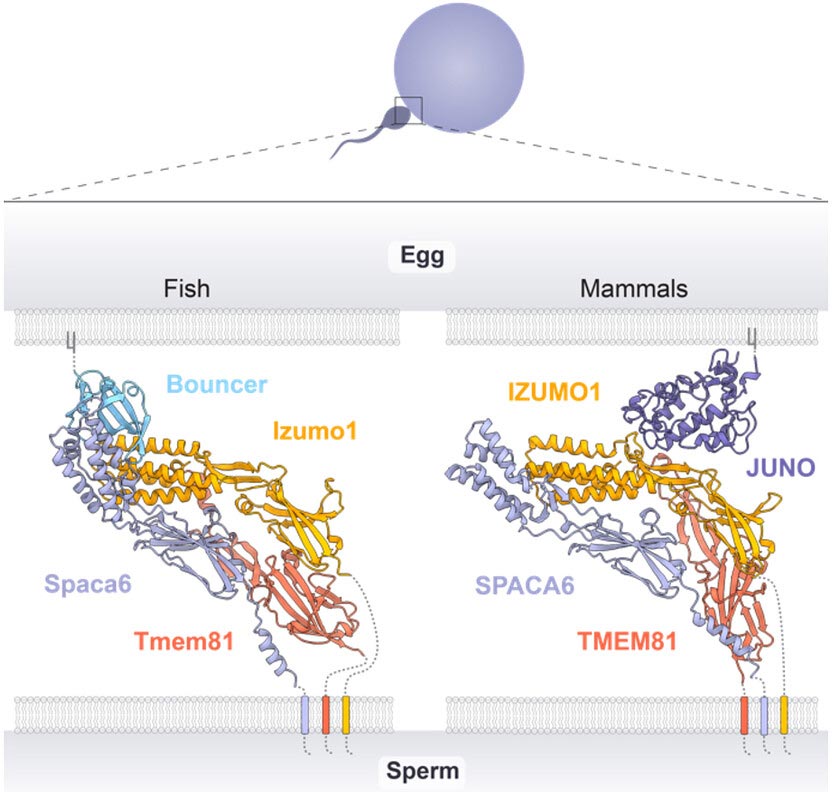
Through this initial screen, they discovered that two previously known fertility-related proteins on the sperm’s surface—Izumo1 and Spaca6—not only interacted with each other, but also with a third, previously unknown factor: Tmem81.“We were surprised to discover a new protein that had never been characterized before,” explains Andreas Blaha, co-first author and a student in the Vienna BioCenter PhD Program. “What really excited us was that we now had a way to visualize how two already known proteins interact together with this new factor to form a trimer.”
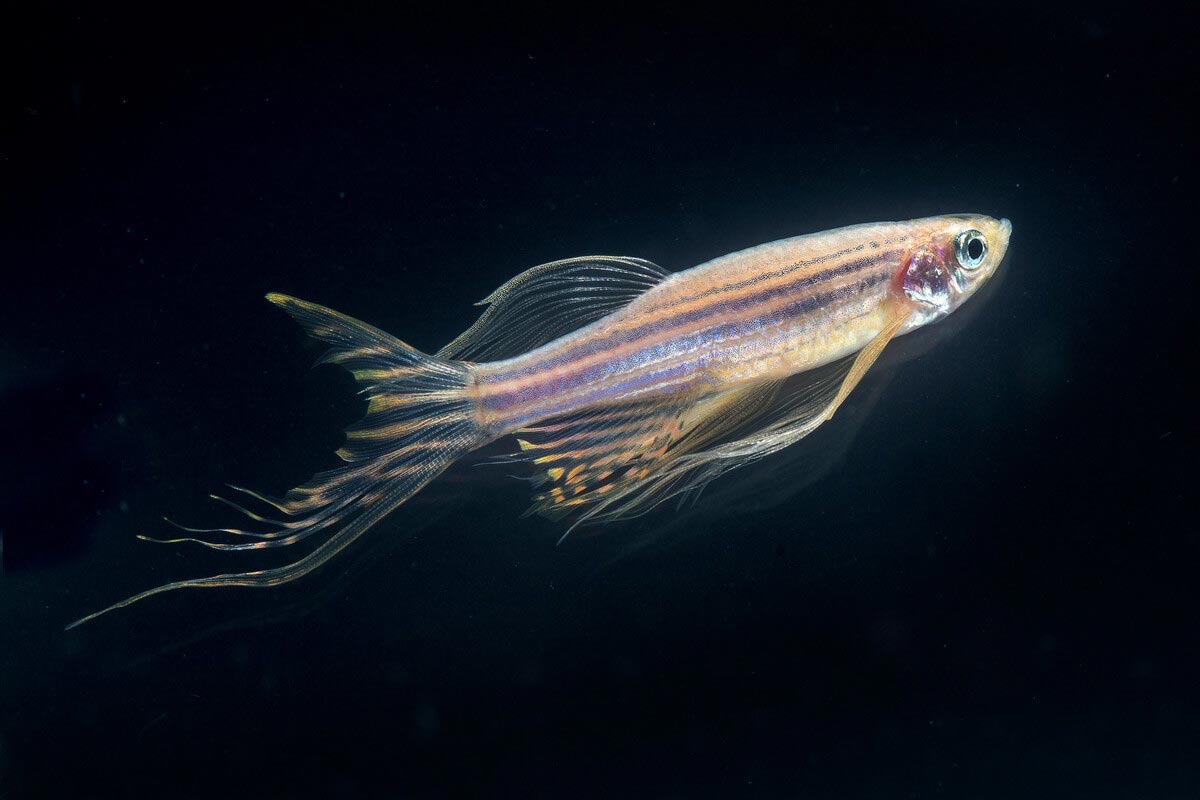
The scientists validated the AI predictions through experiments in living organisms– from the model organism zebrafish to mice, as well as human cells. They confirmed not only that this trimer forms in cells, but also that it exists across different species from different vertebrate groups—and when it fails to form, it makes the animal sterile. “This trimer is anchored at the sperm’s cell membrane, and two of the three proteins form the binding site for the egg protein in zebrafish,” continues Blaha.
Evolutionary Perspectives on Fertilization
The complex on the sperm’s membrane was found to interact with the zebrafish egg’s gatekeeper Bouncer, located on the egg’s surface. Bouncer serves as a lock that only grants access to the egg with the right key, just like its mammalian counterpart Juno.
The sperm trimeric complex is evolutionarily conserved across vertebrates, while the interacting egg proteins have changed in different species to mediate the binding of sperm and egg.

Conclusion: Significance of the Discovery
“The identification of this complex of three proteins is a major step forward,” says Andrea Pauli. “The fact that it was maintained over millions of years of evolution shows just how important this lock-and-key process is. But what is really surprising is that the conserved sperm trimer uses evolutionarily unrelated egg proteins to dock onto the surface of the egg—evolutionary diversity resulting in a universal mechanism, right at the beginning of life!”
Reference: “A conserved fertilization complex bridges sperm and egg in vertebrates” by Victoria E. Deneke, Andreas Blaha, Yonggang Lu, Johannes P. Suwita, Jonne M. Draper, Clara S. Phan, Karin Panser, Alexander Schleiffer, Laurine Jacob, Theresa Humer, Karel Stejskal, Gabriela Krssakova, Elisabeth Roitinger, Dominik Handler, Maki Kamoshita, Tyler D.R. Vance, Xinyin Wang, Joachim M. Surm, Yehu Moran, Jeffrey E. Lee, Masahito Ikawa and Andrea Pauli, 17 October 2024, Cell.
DOI: 10.1016/j.cell.2024.09.035
Never miss a breakthrough: Join the SciTechDaily newsletter.
Follow us on Google and Google News.
2 Comments
The AI technology is still being plagued by the problem of “hallucinations”, but already there’s a ton of AI “scientific discoveries” shamelessly flooding the sci-tech magazines. I think those two things are connected.
Once the “hallucinations” are gone, the “discoveries” will dry up as well.