
Close Menu
    Facebook X (Twitter) Instagram
    SciTechDaily
    • Biology
    • Chemistry
    • Earth
    • Health
    • Physics
    • Science
    • Space
    • Technology
    Facebook X (Twitter) Pinterest YouTube RSS
    SciTechDaily
    Home»Health»To Help Prevent Spread of Coronavirus, Researchers Recommend Adding Travel History to Patient Evaluation
    Health

    To Help Prevent Spread of Coronavirus, Researchers Recommend Adding Travel History to Patient Evaluation

    By American College of PhysiciansMarch 2, 2020No Comments2 Mins Read
    Facebook Twitter Pinterest Telegram LinkedIn WhatsApp Email Reddit
    Share
    Facebook Twitter LinkedIn Pinterest Telegram Email Reddit
    China Travel
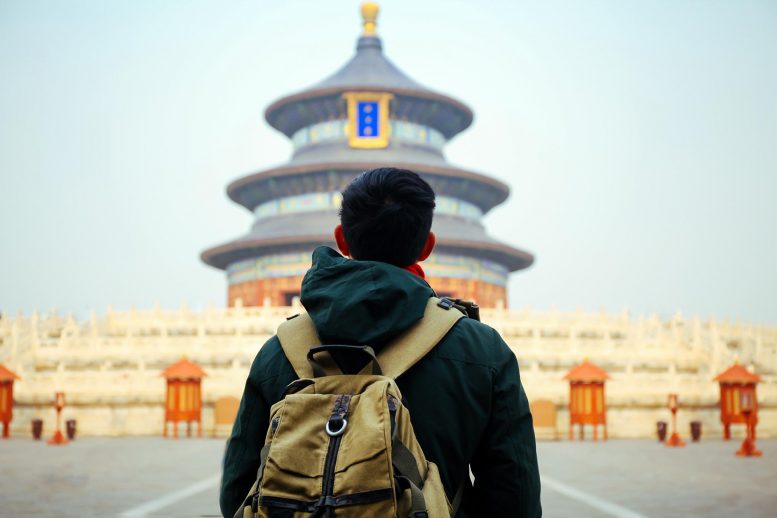
    Researchers recommend adding travel history to the patient evaluation to identify risk for potential exposure to CoVID-19, or coronavirus.

    A commentary published in Annals of Internal Medicine recommends adding travel history to the patient evaluation to identify risk for potential exposure to CoVID-19, or coronavirus. Typically, clinicians assess temperature, heart rate, respiratory rate, and blood pressure during a physical examination. Adding a fifth “vital sign” could help to prevent the spread of geographically-linked emerging infectious diseases, such as CoVID-19.

    The authors of a commentary from the Division of Infectious Disease and Geographic Medicine at the University of Texas Southwestern Medical Center say that lessons from SARS, MERS, and Ebola suggest that early case identification through ascertaining travel history is critical to protect both patients and those caring from them. In 2014, a patient presented to a Dallas emergency department after returning from Liberia with low-grade fever, abdominal pain, dizziness, nausea, and headache. The patient had Ebola, but clinicians did not include travel history in the patient’s vitals and the diagnosis was missed.

    In the first 6 weeks of the current epidemic, the number of cases of CoVID-19 has surpassed those of SARS and MERS, raising questions about strategies to control the spread of infection. Available data specific to CoVID-19 suggest that screening and restricting travelers may have a limited impact on containment. The authors argue that patients’ vital signs are immediately powerful indicators of how urgently they need care and what path to take. A simple, targeted travel history can help clinicians put symptoms of infection in context and trigger more detailed history, appropriate testing, and rapid implementation of protective measures.

    Reference: “Managing Emerging Infectious Diseases: Should Travel Be the Fifth Vital Sign?” by Trish M. Perl, MD, MSc and Connie Savor Price, MD, 2 March 2020, Annals of Internal Medicine.
    DOI: 10.7326/M20-0643

    Never miss a breakthrough: Join the SciTechDaily newsletter.
    Follow us on Google and Google News.

    American College of Physicians COVID-19 Public Health Virology
    Share. Facebook Twitter Pinterest LinkedIn Email Reddit

    Related Articles

    Does the New Coronavirus SARS-CoV-2 Spread Through the Air?

    How to Tell if You Have the Wuhan Coronavirus, 2019-nCoV

    Strains of Coronavirus 2019-nCoV Detected in France Isolated

    Whole Genome of the Wuhan Coronavirus, 2019-nCoV Sequenced

    Scientific Estimates of Spread of Coronavirus Much Higher Than Official Reports

    Confirmed Coronavirus Cases Climb to 6065 Globally – 132 Deaths in China

    Potential Global Spread of New Coronavirus Mapped by New Study

    Three Cases of Novel Coronavirus Reported in France – Virus Recently Emerged in China

    “Snake Pneumonia” – Coronavirus Outbreak in China Traced to Snakes by Genetic Analysis

    Leave A Reply Cancel Reply

    • Facebook
    • Twitter
    • Pinterest
    • YouTube

    Don't Miss a Discovery

    Subscribe for the Latest in Science & Tech!

    Trending News

    Aging’s “Zombie Cell” Problem May Have a Solution, Scientists Discover

    Scientists Discover a Surprising Dental Benefit of Cranberry Juice

    Scientists Discover That Eating Peanuts Every Day May Help Protect the Aging Brain

    Scientists Discover Mysterious 150,000-Year-Old Bone From an Extinct Human Relative in Chinese Cave

    Why Do We Have Necks? Scientists Uncover a 380-Million-Year-Old Evolutionary Twist

    “Strangest of Its Kind”: Scientists Uncover a Bizarre Bacterial Self-Destruct Switch

    Scientists Reverse 60 Years of Aging in Human Cells, Turning 80-Year-Old Cells Into 20-Year-Olds

    A Solar Storm Heading Toward Earth Suddenly Changed in Ways Scientists Didn’t Predict

    Follow SciTechDaily
    • Facebook
    • Twitter
    • YouTube
    • Pinterest
    • Newsletter
    • RSS
    SciTech News
    • Biology News
    • Chemistry News
    • Earth News
    • Health News
    • Physics News
    • Science News
    • Space News
    • Technology News
    Recent Posts
    • Scientists Use Light To Build a New Generation of Drug Molecules
    • Scientists Unlock a 1,000-Year-Old Mystery Buried Inside Ancient Melon Seeds
    • Scientists Create Stunning, Car-Quality Paint Without Using a Single Pigment
    • New Treatment Strategy Makes Cancer Cells Run Out of Energy and Die
    • A Promising Way To Reverse Cognitive Decline Just Failed a Major Clinical Test
    Copyright © 1998 - 2026 SciTechDaily. All Rights Reserved.
    • Science News
    • About
    • Contact
    • Editorial Board
    • Privacy Policy
    • Terms of Use

    Type above and press Enter to search. Press Esc to cancel.