

Ivermectin Is Being Tested as a Possible Treatment for COVID-19, But That’s No Reason to Buy It
Researchers testing the head lice drug Ivermectin as a possible treatment for COVID-19 have seen promising results in lab studies.
But the research is in its early stages and the drug is yet to be tested on people with COVID-19. There’s so much we don’t know, including the right dose and delivery method for people with coronavirus infection.
So if you’re thinking of buying some just in case, think again.
What is Ivermectin currently used for?
Ivermectin is an antiparasitic agent that was isolated in the 1970s from the fermented broth of a species of bacteria called Streptomyces avermitilis.
The drug has been used since the 1980s to treat and prevent diseases related to parasites in humans, pets, and livestock, and works by paralyzing invertebrate parasites.
In Australia, Ivermectin is mainly used topically in creams and lotions for head lice.
It’s also used in tablet form to treat roundworm infection and as a second-line treatment for scabies and rosacea, a skin condition that causes redness and visible blood vessels in your face.
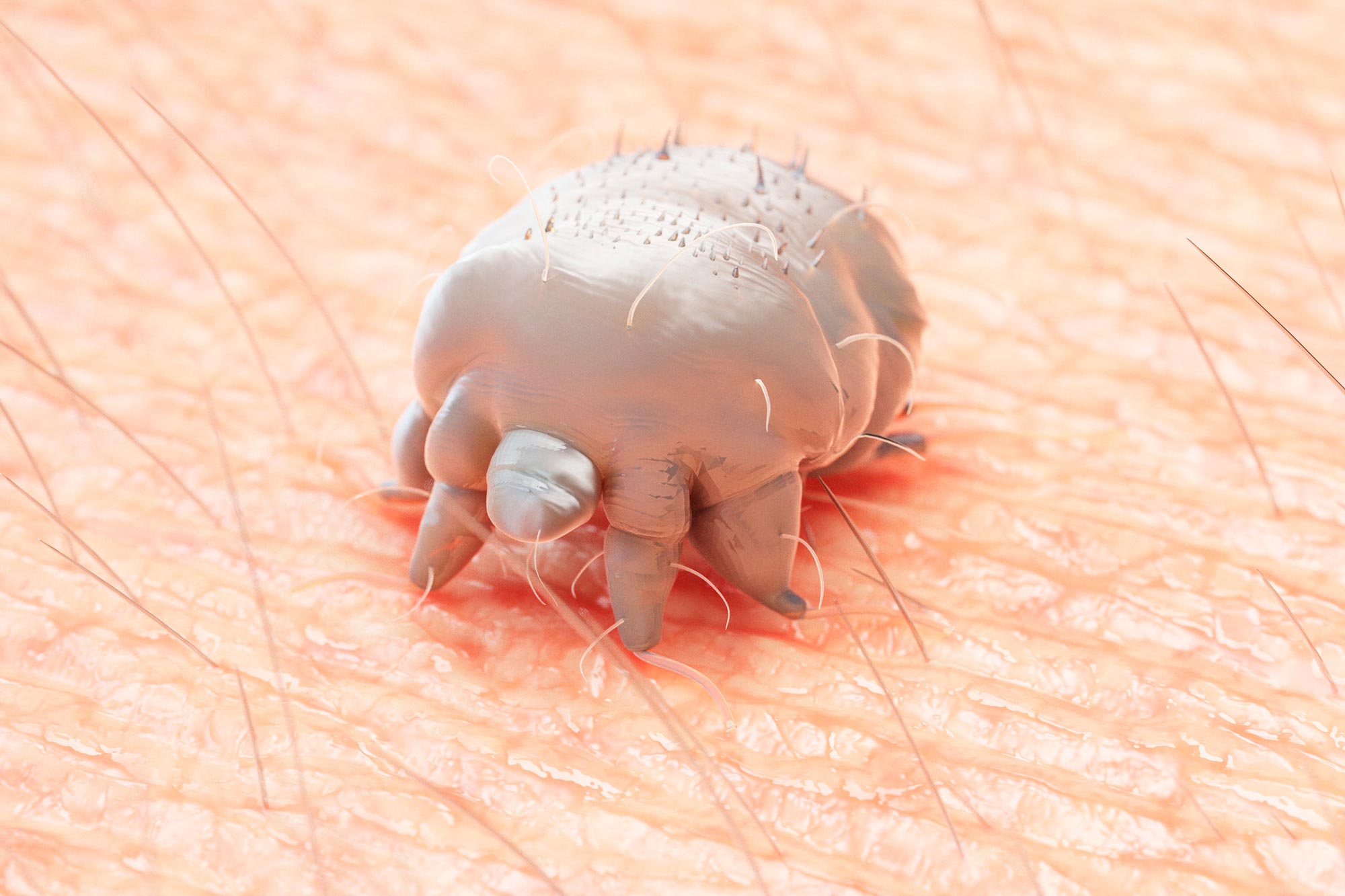
The pharmaceutical company that makes Ivermectin, MSD, has also been donating the drug to developing countries to treat the parasitic diseases river blindness and elephantiasis for the past 30 years
What are the side effects and potential harms?
When used at the recommended dose, Ivermectin is generally well tolerated. Some of the common side effects include diarrhea, nausea, dizziness, and drowsiness.
Less common is a lack of energy, abdominal pain, constipation, vomiting, tremors, rashes, and itching.
Ivermectin may also interact with some medicines, such as the blood-thinning drug warfarin, or worsen some conditions such as asthma.
Ingesting Ivermectin found in topical products for head lice is dangerous. If this occurs, contact the Poison Information Hotline. (Australia) National Capital Poison Center (U.S.).
How might Ivermectin treat COVID-19?
Recent laboratory data from scientists at Monash University and the Doherty Institute suggests Ivermectin is able to stop SARS-CoV-2, the virus that causes COVID-19, from replicating.
Ivermectin has also been shown to stop other viruses (such as HIV, dengue, influenza, and Zika) from replicating, at least in the laboratory.
The researchers found Ivermectin had an effect on SARS-CoV-2 after one exposure to the drug. Viral replication was shut down within 24 to 48 hours.
It’s still not clear exactly how Ivermectin works. But it appears to stop the processes that allow proteins to move within the virus. These proteins would normally dampen the body’s antiviral response, allowing the virus to replicate and enhance the infection.
Where is the research on Ivermectin for coronavirus up to?
This research on Ivermectin has been conducted in cell culture (cells grown in a laboratory) and is very preliminary. It provides some promise, but no evidence of an effective treatment in people (yet).
Rigorous clinical trials in people with or exposed to COVID-19 infection are needed to establish the drug works and is safe to use, and in what doses. The laboratory studies of Ivermectin suggest higher concentrations of the drug may be needed beyond a standard dose to have an antiviral impact. So safety monitoring will be important.
If Ivermectin is found to work on people with COVID-19, it needs to be studied as a potential treatment. So researchers need to know: does it prevent COVID-19 infection, reduce the severity of the associated illness, or improve the time to recovery? These are important questions to be answered before it becomes a treatment for COVID-19.
On a positive note, re-purposing drugs such as Ivermectin as a potential treatment for COVID-19 is ideal because development can move quickly to clinical trial testing because we already know it’s safe to use in humans at currently recommended doses.
Should I buy some just in case?
No. It’s too soon to know if the promising laboratory test results will translate into a safe and effective drug for COVID-19 patients. The researchers were very clear that Ivermectin should not be used to treat COVID-19 until further testing is complete.
We certainly shouldn’t be stockpiling the drug to use later, especially since we don’t yet know the best way to take Ivermectin, including the right dose. And it could lead to unintended medicine shortages for people who need the drug to treat serious diseases caused by parasites.
Written by Andrew McLachlan, the Head of School and Dean of Pharmacy, University of Sydney.
Adapted from an article originally published on The Conversation.
Never miss a breakthrough: Join the SciTechDaily newsletter.
Follow us on Google and Google News.
3 Comments
Article excerpt: The pharmaceutical company that makes Ivermectin, MSD, has also been donating the drug to developing countries to treat the parasitic diseases river blindness and elephantiasis for the past 30 years.
President J Carter has been the first to promote and fund Ivermectin treatment in the third world. Not a cure, but essential. The adult worm cannot be killed, the eggs are, hence the required 20 YEARS OF IVERMECTIN as that is the age span of the worm inside an adult host. Columbia and Ecuador have only recently been certified clear of the river blindness pest carrier which utilized the clear mountain streams. Requiring the country to hold immigrants would reestablish communities using the mountain streams, thus reinfect the entire region.
President J Carter is honored for his service to his country.
In my experience the most common usage is in large animals as a wormer. It also cures any of the many skin itches that animals get. It is dangerous in the hands of dog owners as the entire dose for a horse is roughly one teaspoon. Trying to cut the drug down to something that a dog or human can use it frighteningly impossible. It is a great drug on the farm and those of us who handle it on a regular basis seldom get any of the little creatures that sometimes wish to grow on humans. Doesn’t mean I would take it without using a reputable Physician and Pharmacist.
Per dog use, the below have a high rate of MDR1-gene dysfunction that mean giving them any Ivermectin could easily kill them.
There are other equally effective dewormers available.
As for me, why yes I am stopping by Tractor Supply to get a tube of Equine Ivermectin. Very cheap insurance before it suffers the same fate as TP did.
Probably never use it, however in the event things go off the rails I would at least have some option.
Australian Shepherd
Border Collie
Collie
English Shepherd
German Shepherd
Long-Haired Whippet
McNab
Miniature Australian Shepherd
Mixed Breed
Old English Sheepdog
Shetland Sheepdog
Silken Windhound