
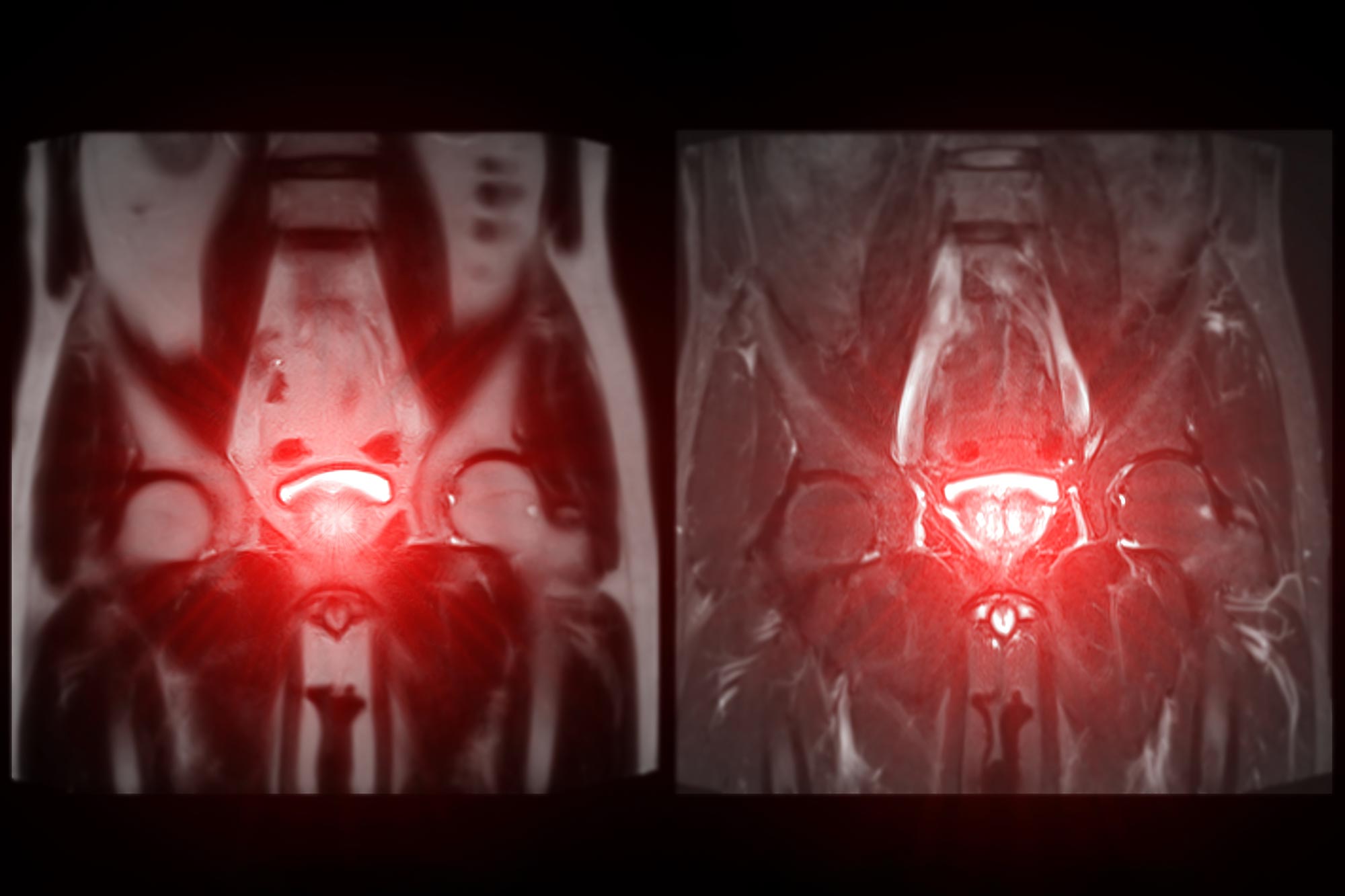
A protein-building molecule helped switch resistant prostate tumors back into a drug-sensitive state in experimental models, offering a potential target for future treatments.
Many treatments for prostate cancer, one of the most common cancers in men, target a protein called the androgen receptor, which fuels tumor growth. Tumors can escape that approach by becoming less dependent on the receptor, shifting into a more aggressive form that responds poorly to therapy.
Researchers at Fred Hutch Cancer Center have found that restoring a single molecule involved in protein production can make treatment-resistant tumors sensitive to those drugs again in experimental models. Their study, published in Nature, is the first to show that a single transfer RNA, or tRNA, can control prostate cancer cell identity and influence treatment response.
Protein builders can shape cancer identity
During protein production, cells use instructions carried by messenger RNA, or mRNA, to assemble proteins. Transfer RNAs match that information with the appropriate amino acids and deliver them to be joined together.
“The discovery opens an entirely new realm of cancer biology that was previously unrecognized,” said co-corresponding author Andrew Hsieh, MD, a professor and associate director of Fred Hutch’s Human Biology Division. “Historically, tRNAs have been thought to play a bystander role in cell maintenance and disease, but our study shows that tRNAs can actively shape the identity of cancer cells.”
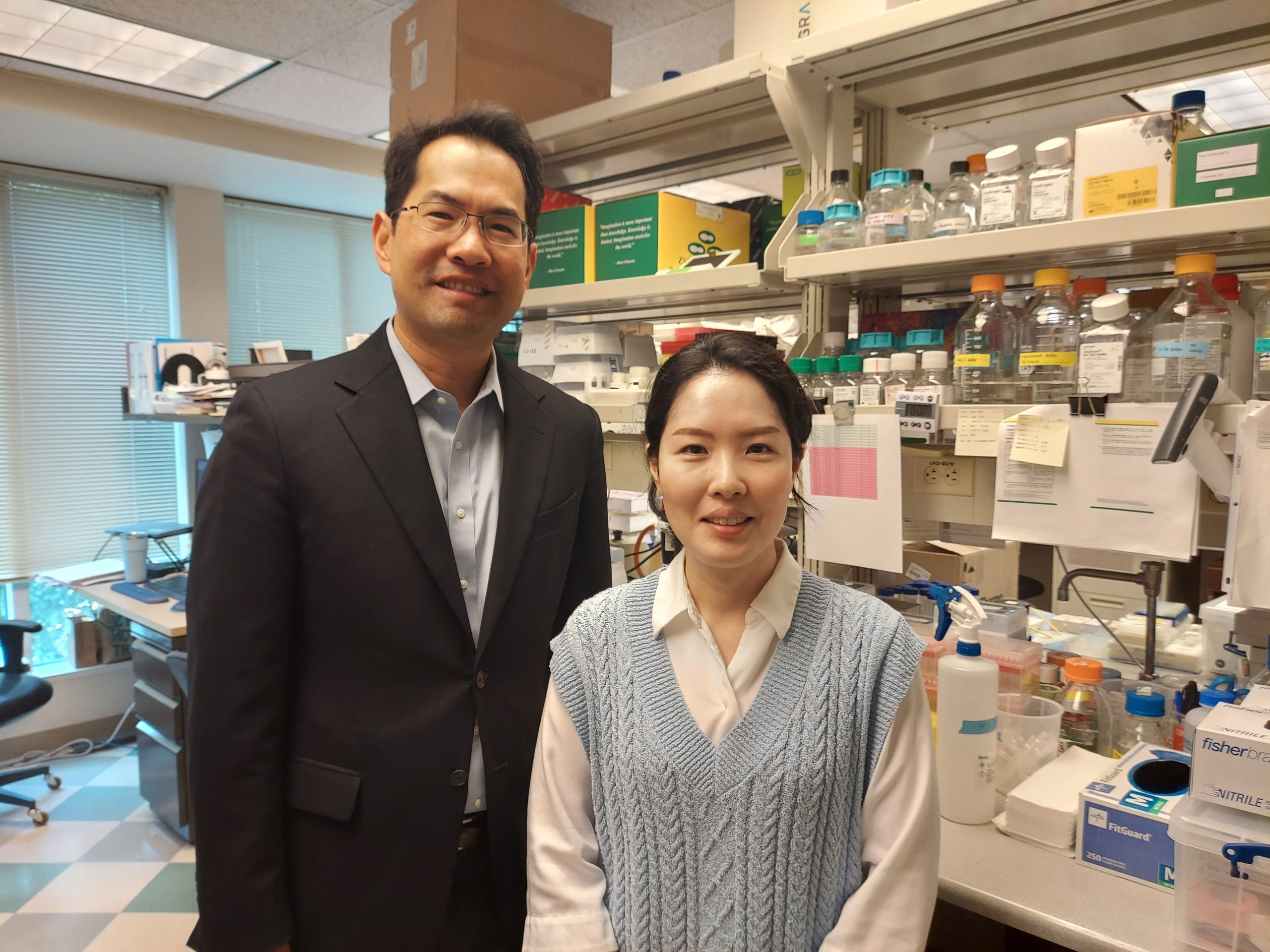
First author Yeon Soo Kim, PhD, a Fred Hutch postdoctoral researcher in Hsieh’s lab, investigated how this protein-building process contributes to treatment resistance. “We already knew that genomic mutations or transcriptional factor-dependent genetic expression are altered during the cancer progression and can lead to the development of treatment resistance,” Kim explained. “But we wanted to know more about how mRNA translation — also known as protein synthesis — is involved when the disease becomes more aggressive.”
Restoring sensitivity to prostate cancer drugs
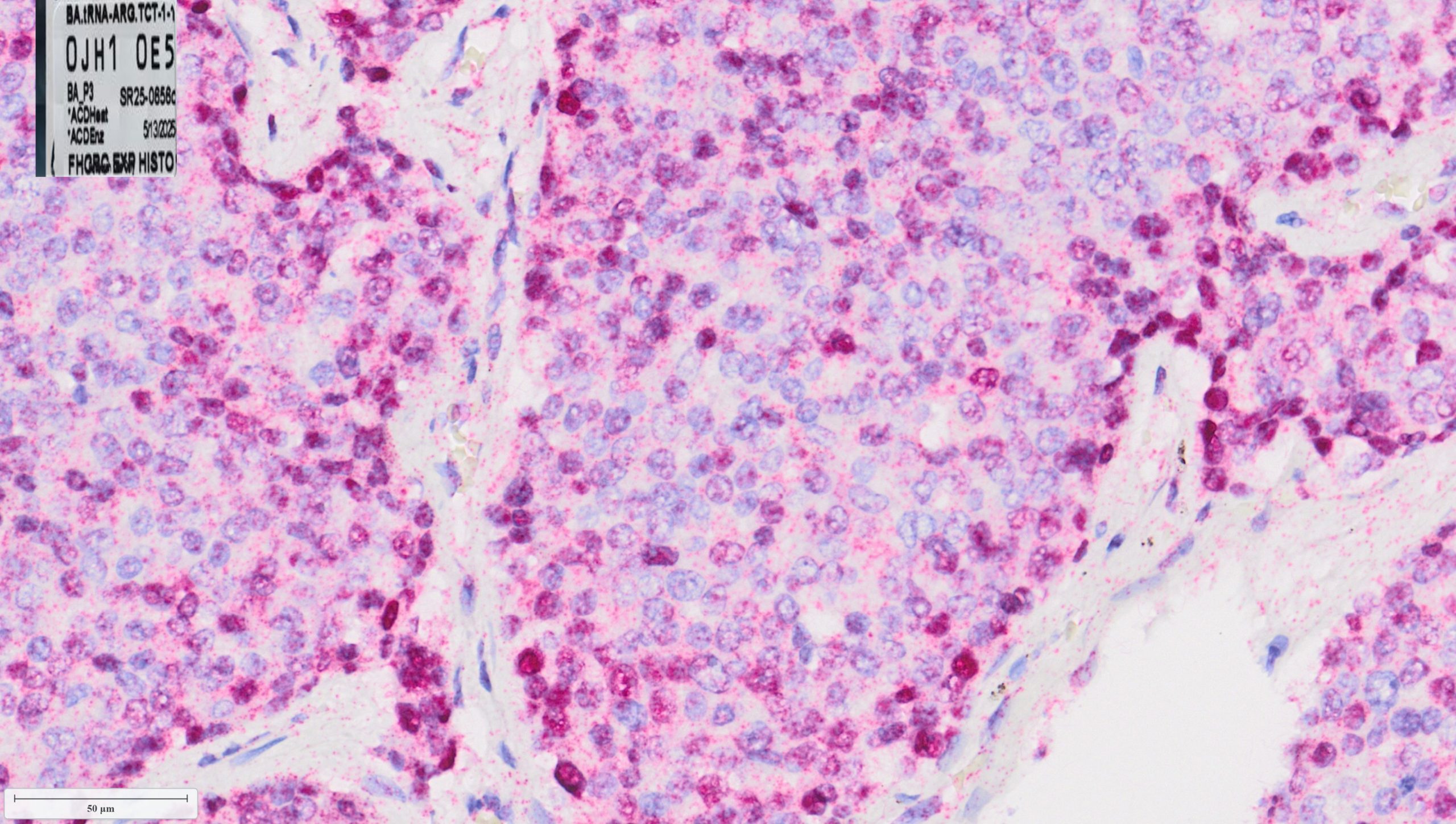
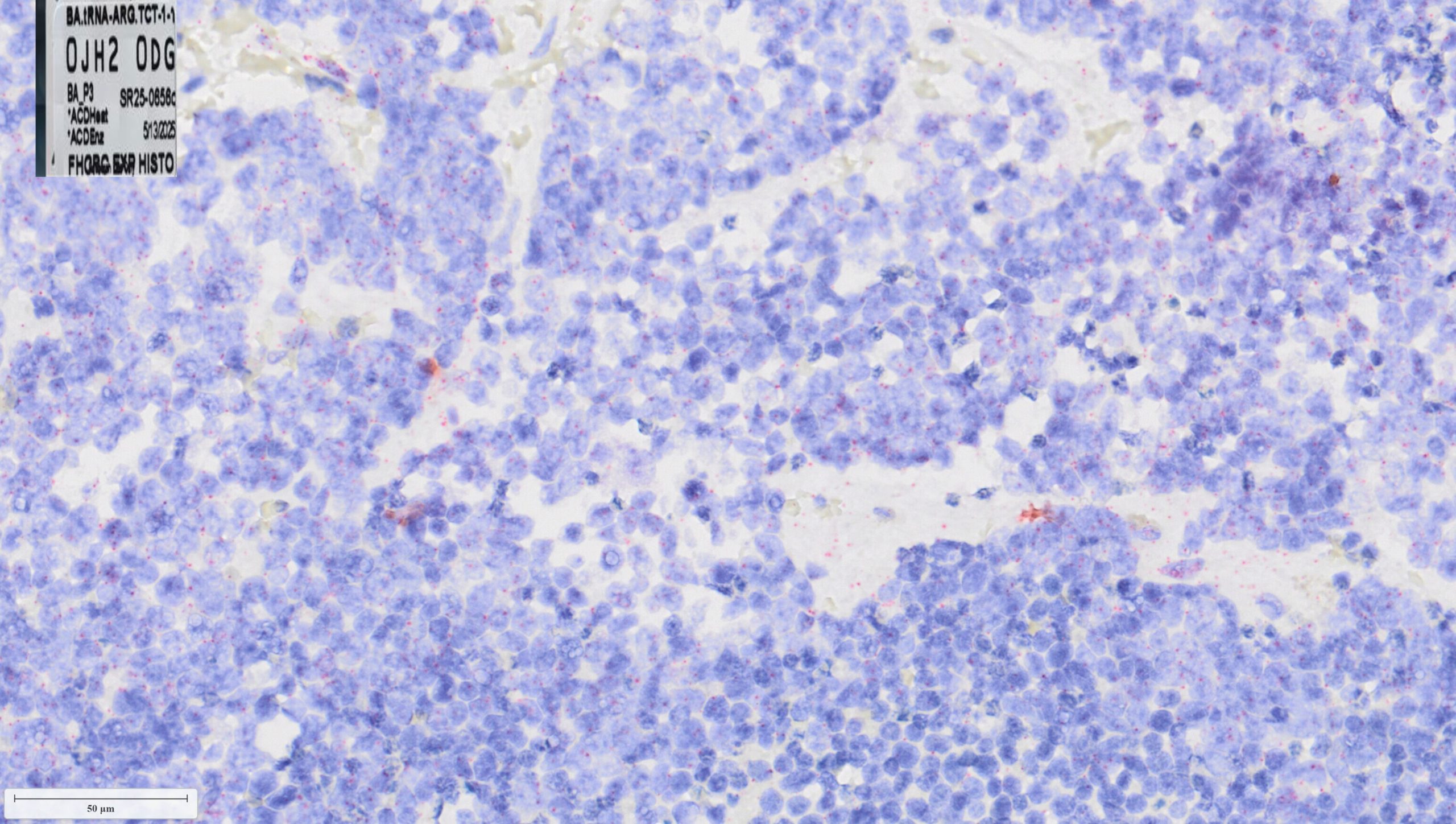
Kim examined prostate cancer cell lines, mouse models, and tumor samples from patients. Across these systems, a particular tRNA called tRNA1Arg(UCU) was abundant in cancer cells that depended on the androgen receptor. Levels were lower in tumors that were less dependent on the receptor and resistant to treatment. In follow-up experiments, supplying this tRNA to resistant tumors restored their sensitivity to therapies targeting the androgen receptor.
“We found that we can shift the cell state between androgen receptor-dependent to an androgen receptor-independent state with a single tRNA,” Kim said. “This is important because changes in cell identity are a major reason prostate cancers become resistant to treatment. We found that this tRNA can influence whether cells remain in a drug-sensitive state or transition to one that is more aggressive.”
tRNA could guide future cancer treatment
Kim and Hsieh are also investigating whether tRNA could serve as a biomarker for aggressive prostate cancer or as a therapeutic target. Those potential uses could help guide more precise treatment choices or lead to new therapies for patients.
“In this study we used prostate cancer as an archetype to study tRNA-dependent state changes, but we think it’s just the beginning,” said Kim, who plans to pursue this research when she establishes her own lab. “We can apply this approach to any type of disease models or other types of cancers that undergo identity switches after treatment, such as lung and breast cancers.”
Reference: “tRNA dosage regulates lineage dependency and resistance in prostate cancer” by Yeon Soo Kim, Sonali Arora, Dave Young, Ava Tsou, Amy Shiuan, Cynthia L. Wladyka, Dmytro Rudoy, Jin Yeong Kim, Jennifer A. Waters, Samantha L. Schuster, Ilsa M. Coleman, Mridu Kapur, Marek Sobczyk, Christopher D. Katanski, Amin M. Bayat Tork, Wen Zhang, Peter S. Nelson, Gavin Ha, Michael C. Haffner, Eva Corey, Colm Morrissey, Yuzhuo Wang, Arvind R. Subramaniam, John K. Lee, Susan L. Ackerman, Tao Pan and Andrew C. Hsieh, 7 October 2026, Nature.
DOI: 10.1038/s41586-026-11153-8
The study was funded by multiple grants from the National Institutes of Health, including the Pacific Northwest Prostate Cancer SPORE, and the U.S. Department of Defense. Additional funding was from the Prostate Cancer Foundation and the American Cancer Society.
Never miss a breakthrough: Join the SciTechDaily newsletter.
Follow us on Google and Google News.