
Synthetic Biology Presents Novel Approaches To Combat the Primary Cause of Death in Hospitals
Scientists have created the first “living medicine” to cure lung infections. This innovative treatment is aimed at Pseudomonas aeruginosa, a bacteria known for its resistance to many antibiotics and a frequent cause of infections in hospitals.
This treatment involves the use of a modified form of the Mycoplasma pneumoniae bacterium, which has had its disease-causing abilities removed and reprogrammed to target P. aeruginosa. The modified bacterium is used in conjunction with low doses of antibiotics that would not be effective on their own.
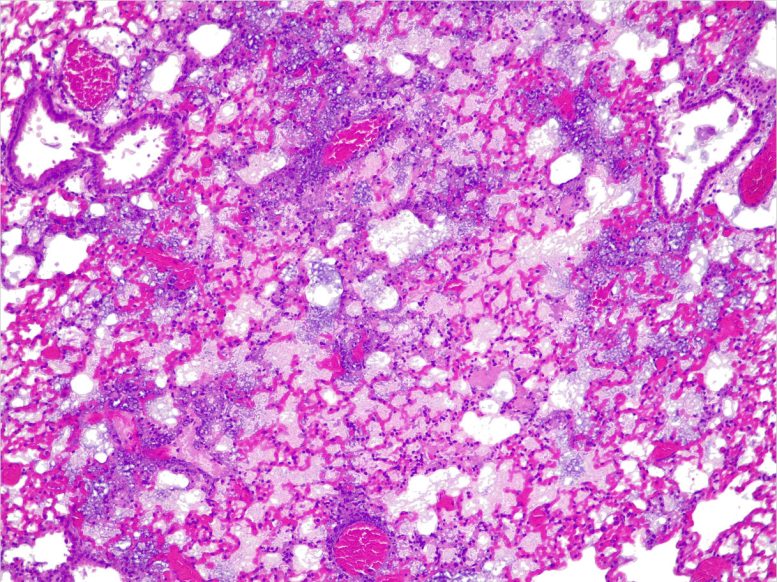
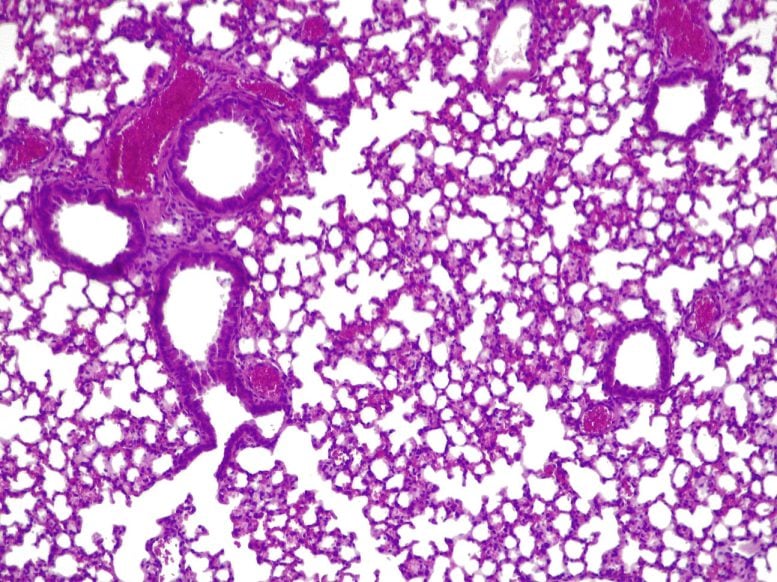
Researchers tested the efficacy of the treatment in mice, finding that it significantly reduced lung infections. The “living medicine” doubled mouse survival rate compared to not using any treatment. Administering a single, high dose of the treatment showed no signs of toxicity in the lungs. Once the treatment had finished its course, the innate immune system cleared the modified bacteria in a period of four days.
The findings are published in the journal Nature Biotechnology and were funded by the “la Caixa” Foundation through the CaixaResearch Health call. The study was led by researchers at the Centre for Genomic Regulation (CRG) and Pulmobiotics in collaboration with the Institut d’Investigacions Biomèdiques August Pi i Sunyer (IDIBAPS), Hospital Clinic de Barcelona and the Institute of Agrobiotechnology (IdAB), a joint research institute of Spain’s CSIC and the government of Navarre.
Tackling Antibiotic Resistance in P. aeruginosa
P. aeruginosa infections are difficult to treat because the bacteria live in communities that form biofilms. Biofilms can attach themselves to various surfaces in the body, forming impenetrable structures that escape the reach of antibiotics.
P. aeruginosa biofilms can grow on the surface of endotracheal tubes used by critically-ill patients who require mechanical ventilators to breathe. This causes ventilator-associated pneumonia (VAP), a condition that affects one in four (9-27%) patients who require intubation. The incidence exceeds 50% for patients intubated because of severe Covid-19. VAP can extend the duration in the intensive care unit for up to thirteen days and kills up to one in eight patients (9-13%).
The authors of the study engineered M. pneumoniae to dissolve biofilms by equipping it with the ability to produce various molecules including pyocins, toxins naturally produced by bacteria to kill or inhibit the growth Pseudomonas bacterial strains. To test its efficacy, they collected P. aeruginosa biofilms from the endotracheal tubes of patients in intensive care units. They found the treatment penetrated the barrier and successfully dissolved the biofilms.
“We have developed a battering ram that lays siege to antibiotic-resistant bacteria. The treatment punches holes in their cell walls, providing crucial entry points for antibiotics to invade and clear infections at their source. We believe this is a promising new strategy to address the leading cause of mortality in hospitals,” says Dr. María Lluch, Chief Scientific Officer at Pulmobiotics, co-corresponding author of the study and principal investigator at the International University of Catalonia.
With the aim of using “living medicine” to treat VAP, the researchers will carry out further tests before reaching the clinical trial phase. The treatment is expected to be administered using a nebulizer, a device that turns liquid medicine into a mist which is then inhaled through a mouthpiece or a mask.
Synthetic Biology Revolutionizing Respiratory Treatment
M. pneumoniae is one of the smallest known species of bacteria. Dr. Luis Serrano, Director of the CRG, first had the idea to modify the bacteria and use it as a ‘living medicine’ two decades ago. Dr. Serrano is a specialist in synthetic biology, a field that involves repurposing organisms and engineering them to have new, useful abilities. With just 684 genes and no cell wall, the relative simplicity of M. pneumoniae makes it ideal for engineering biology for specific applications.
One of the advantages of using M. pneumoniae to treat respiratory diseases is that it is naturally adapted to lung tissue. After administering the modified bacterium, it travels straight to the source of a respiratory infection, where it sets up shop like a temporary factory and produces a variety of therapeutic molecules.
By showing that M. pneumoniae can tackle infections in the lung, the study opens the door for researchers to create new strains of the bacteria to tackle other types of respiratory diseases such as lung cancer or asthma. “The bacterium can be modified with a variety of different payloads – whether these are cytokines, nanobodies, or defensins. The aim is to diversify the modified bacterium’s arsenal and unlock its full potential in treating a variety of complex diseases,” says ICREA Research Professor Dr. Luis Serrano.
In addition to designing the ‘living medicine’, Dr. Serrano’s research team is also using their expertise in synthetic biology to design new proteins that can be delivered by M. pneumoniae. The team is using these proteins to target inflammation caused by P. aeruginosa infections.
Designing Advanced Therapeutics for Lung Inflammation
Though inflammation is the body’s natural response to an infection, excessive or prolonged inflammation can damage lung tissue. The inflammatory response is orchestrated by the immune system, which releases mediator proteins such as cytokines. One type of cytokine – IL-10 – has well-known anti-inflammatory properties and is of growing therapeutic interest.
Research published in the journal Molecular Systems Biology by Dr. Serrano’s research group used protein-design softwares ModelX and FoldX to engineer new versions of IL-10 purposefully optimized to treat inflammation. The cytokines were designed to be created more efficiently and to have a higher affinity, meaning less cytokines are needed to have the same effect.
The researchers engineered strains of M. pneumoniae that expressed the new cytokines and tested its efficacy in the lungs of mice with acute P. aeruginosa infections. They found that engineered versions of IL-10 were significantly more effective at reducing inflammation compared to the wild-type IL-10 cytokine.
According to Dr. Ariadna Montero Blay, co-corresponding author of the study in Molecular Systems Biology, “live biotherapeutics such as M. pneumoniae provide ideal vehicles to help overcome the traditional limitations of cytokines and unlock their huge potential in treating a variety of human diseases. Engineering cytokines as therapeutic molecules was critical to tackle inflammation. Other lung diseases such as asthma or pulmonary fibrosis could also stand to benefit from this approach.”
Reference: “Engineered live bacteria suppress Pseudomonas aeruginosa infection in mouse lung and dissolve endotracheal-tube biofilms” by Rocco Mazzolini, Irene Rodríguez-Arce, Laia Fernández-Barat, Carlos Piñero-Lambea, Victoria Garrido, Agustín Rebollada-Merino, Anna Motos, Antoni Torres, Maria Jesús Grilló, Luis Serrano and Maria Lluch-Senar, 19 January 2023, Nature Biotechnology.
DOI: 10.1038/s41587-022-01584-9
Never miss a breakthrough: Join the SciTechDaily newsletter.
Follow us on Google and Google News.
1 Comment
Will it treat my Wife and me with Bronchiectasis,