

Global Guidelines Urgently Require an Update
Antibiotics commonly used to manage prevalent infections in infants and children have lost their effectiveness in many regions globally, due to high rates of antibiotic resistance.
A study led by the University of Sydney discovered that numerous antibiotics which are recommended by the World Health Organization (WHO) for childhood infections had a less than 50 percent effectiveness in treating conditions such as pneumonia, sepsis, and meningitis. The findings show global guidelines on antibiotic use are outdated and need updates.
Regional Impact and WHO’s Warning
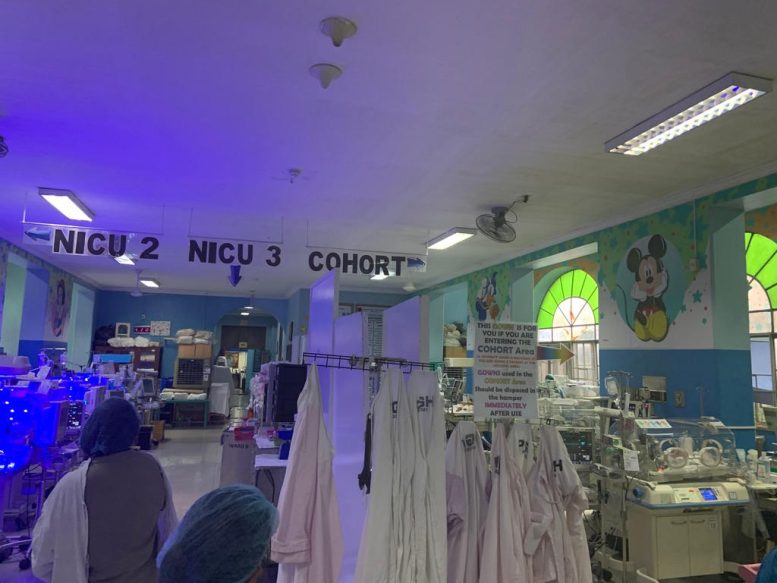
The most seriously affected regions are in South-East Asia and the Pacific, including neighboring Indonesia and the Philippines, where thousands of unnecessary deaths in children resulting from antibiotic resistance occur each year.
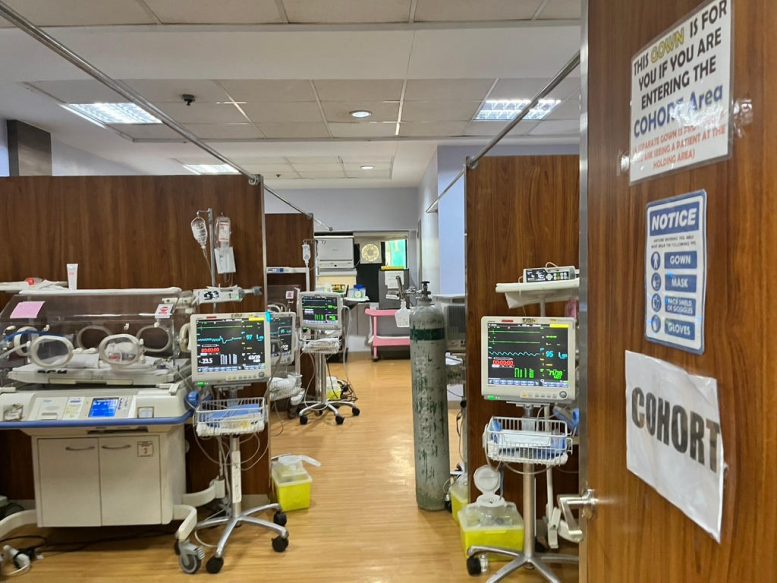
The WHO has declared antimicrobial resistance (AMR) as one of the top 10 global public health threats facing humanity. In newborns, an estimated three million cases of sepsis occur globally each year, with up to 570,000 deaths: many of these are due to a lack of effective antibiotics to treat resistant bacteria.
The findings, published in Lancet South East Asia, adds to mounting evidence that common bacteria responsible for sepsis and meningitis in children are often resistant to prescribed antibiotics.
The research reveals the urgent need for global antibiotic guidelines to be updated, to reflect the rapidly evolving rates of AMR. The most recent guideline from The World Health Organization was published in 2013.
Antibiotics Losing Ground and the Call for Updated Guidelines
The study found one antibiotic in particular, ceftriaxone, was likely to be effective in treating only one in three cases of sepsis or meningitis in newborn babies. Ceftriaxone is also widely used in Australia to treat many infections in children, such as pneumonia and urinary tract infections.
Another antibiotic, gentamicin, was found likely to be effective in treating fewer than half of all sepsis and meningitis cases in children.
Gentamicin is commonly prescribed alongside aminopenicillins, which the study showed also has low effectiveness in combating bloodstream infections in babies and children.
Urgent Response to AMR
Lead author Dr Phoebe Williams from the University’s School of Public Health and Sydney Infectious Diseases Institute is an infectious disease specialist whose research focuses on reducing AMR in high-burden healthcare settings in Southeast Asia.
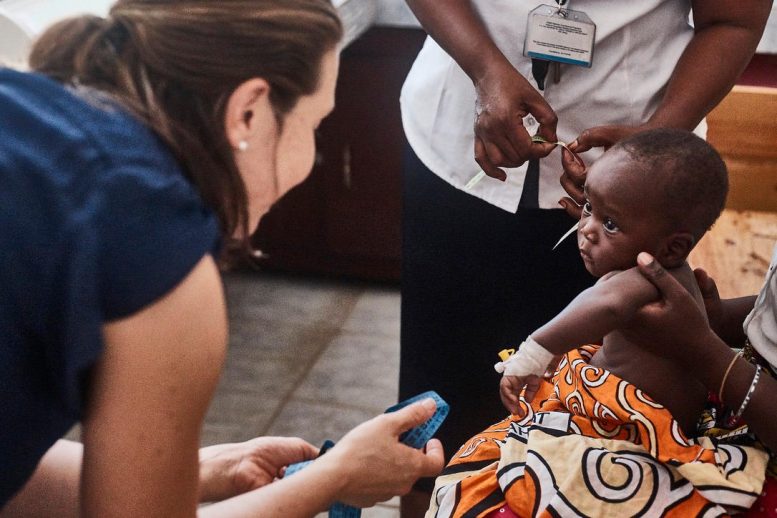
She also works as a clinician in Australia. Dr Williams says there are increasing cases of multidrug-resistant bacterial infections in children around the world.
AMR is more problematic for children than adults, as new antibiotics are less likely to be trialled on, and made available to, children.
Dr Williams says the study should be a wake-up call for the whole world, including Australia.
“We are not immune to this problem – the burden of anti-microbial resistance is on our doorstep,” she said.
“Antibiotic resistance is rising more rapidly than we realize. We urgently need new solutions to stop invasive multidrug-resistant infections and the needless deaths of thousands of children each year.”
Research and Development Needs
The study analyzed 6,648 bacterial isolates from 11 countries across 86 publications to review antibiotic susceptibility for common bacteria causing childhood infections.
Dr Wiliams said the best way to tackle antibiotic resistance in childhood infections is to make funding to investigate new antibiotic treatments for children and newborns a priority.
“Antibiotic clinical focus on adults and too often children and newborns are left out. That means we have very limited options and data for new treatments.”
Dr Williams is currently looking into an old antibiotic, fosfomycin, as a temporary lifeline to treat multidrug-resistant urinary tract infections in children in Australia.
She is also working with the WHO’s Paediatric Drug Optimisation Committee to ensure children have access to antibiotics to treat multidrug-resistant infections as soon as possible, to reduce deaths due to AMR among children.
“This study reveals important problems regarding the availability of effective antibiotics to treat serious infections in children,” says senior author Paul Turner, director of the Cambodia Oxford Medical Research Unit at Angkor Hospital for Children, Siem Reap and professor of pediatric microbiology at the University of Oxford, UK.
“It also highlights the ongoing need for high-quality laboratory data to monitor the AMR situation, which will facilitate timely changes to be made to treatment guidelines.”
Reference: “Coverage gaps in empiric antibiotic regimens used to treat serious bacterial infections in neonates and children in Southeast Asia and the Pacific” by Phoebe C.M. Williams, Mark Jones, Thomas L. Snelling, Robert Duguid, Nerida Moore, Benjamin Dickson, Yue Wu, Jessica Saunders, Priyali Wijeratne, Anousone Douangnouvong, Elizabeth A. Ashley and Paul Turner, 31 October 2023, The Lancet Regional Health – Southeast Asia.
DOI: 10.1016/j.lansea.2023.100291
Never miss a breakthrough: Join the SciTechDaily newsletter.
Follow us on Google and Google News.