
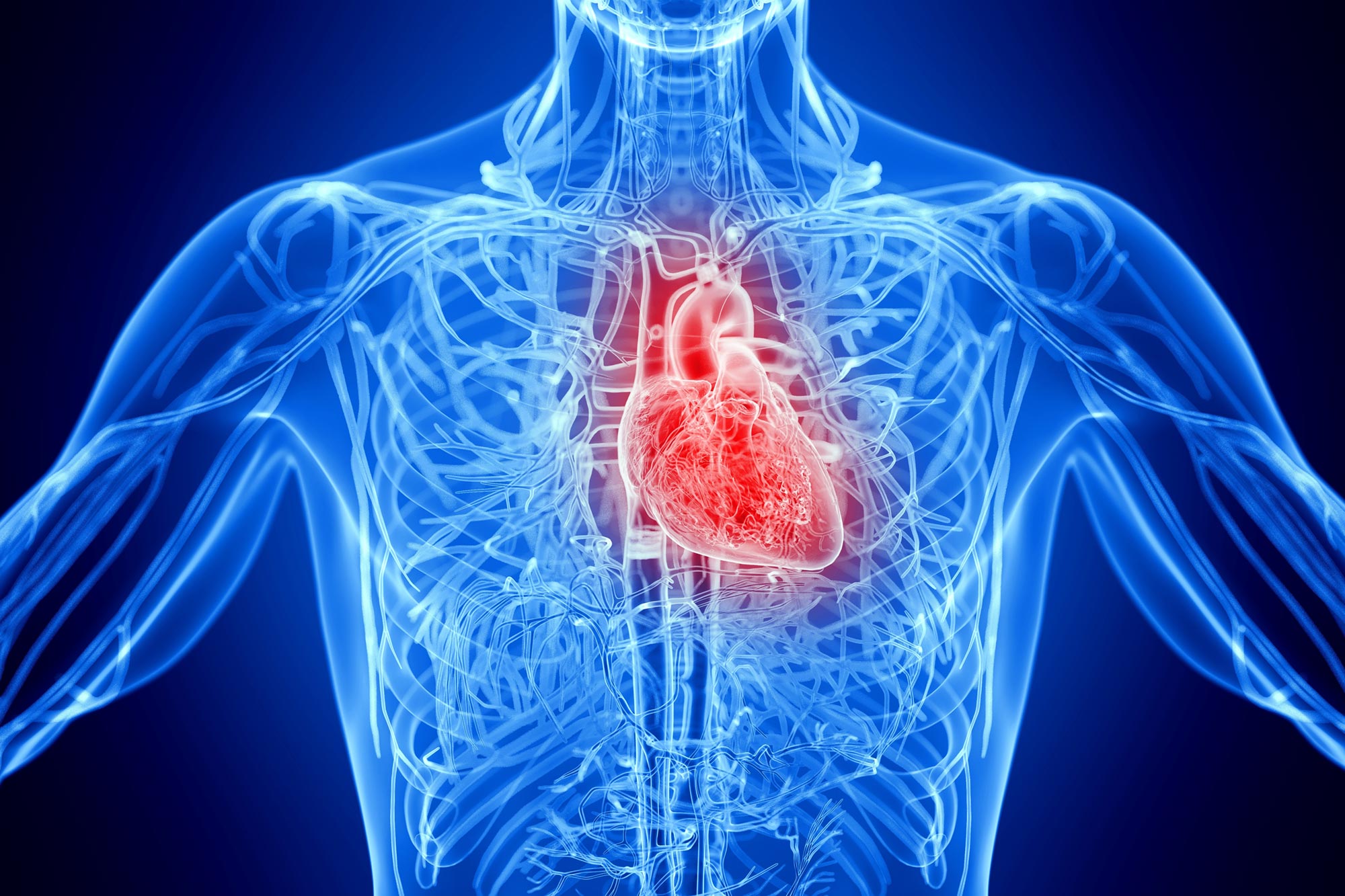
A substance often treated as waste may be vital to the heart during a crisis, offering a potential target for treating heart failure and heart attacks.
The heart has to keep beating whether the body has plenty of energy available or is running low. Maintaining that constant supply of energy is a complicated process, and when it breaks down, it can contribute to serious cardiovascular conditions such as heart failure. Researchers at University of Utah Health have now uncovered an unusual feature of heart muscle cells that helps them stay fueled during periods of stress and could point toward new ways to treat a damaged heart.
Scientists previously knew that the heart could draw energy from two carbohydrate sources at once: glucose, a sugar, and lactate, a substance produced when cells break down glucose. In most human tissues, increasing the use of one fuel makes it harder to use the other. Heart muscle somehow avoids this competition.
How the heart balances two fuels
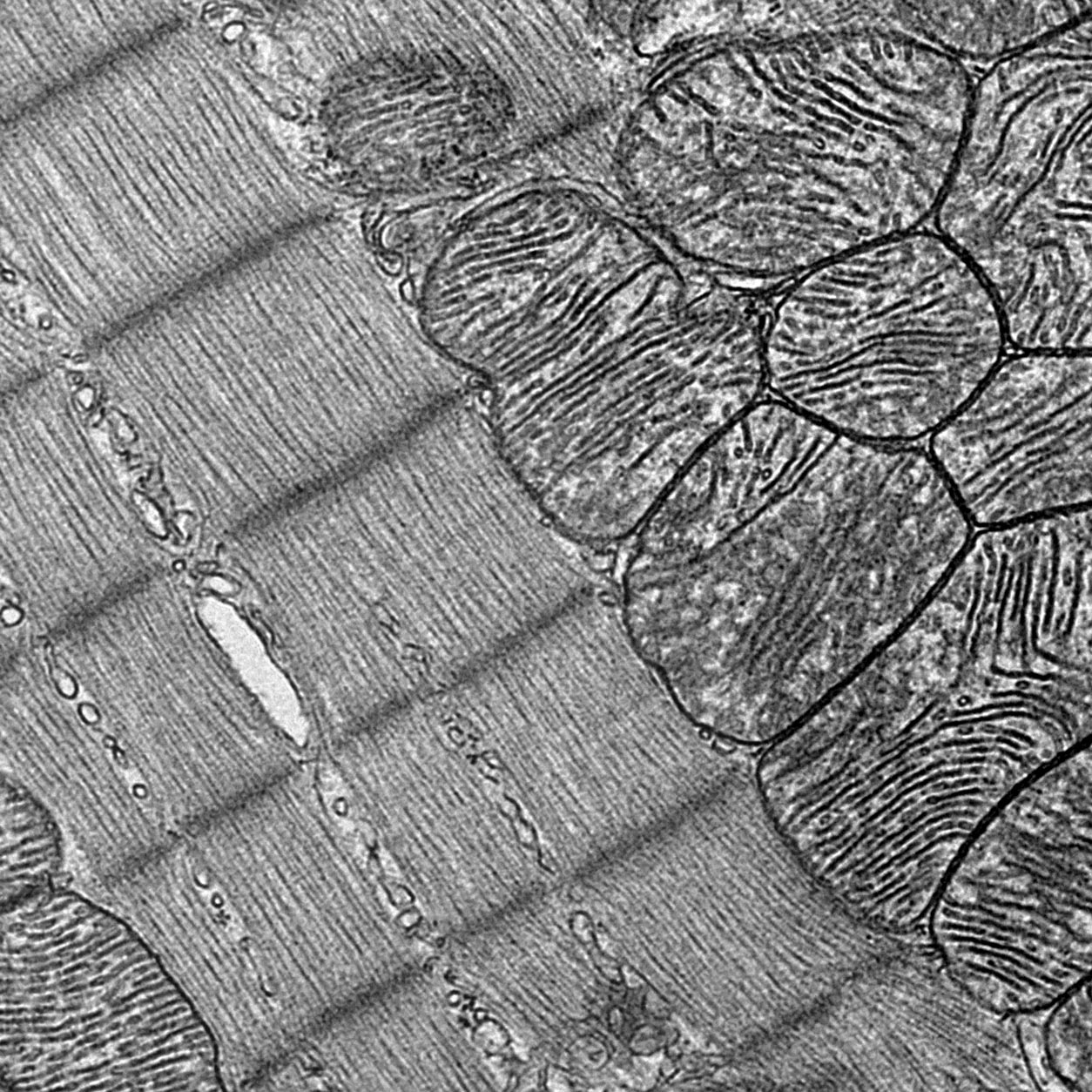
In a study published in Nature, researchers discovered that heart muscle cells process these fuels in separate parts of the cell. Glucose is broken down in the cytosol, the fluid that surrounds structures inside the cell, while lactate is used inside mitochondria, which produce much of the cell’s usable energy. Keeping these processes separate allows the heart to draw energy from both sources simultaneously.

The system depends on a molecule called MCT1, which transports lactate into the mitochondria. The researchers found that genetic mutations affecting MCT1 prevented lactate from entering the mitochondria and disrupted the heart’s energy balance. Although the heart could largely function without this pathway under everyday conditions, losing it when the heart was under stress led to heart failure.
“This appears to be a critical backup system for heart function,” says Gregory Ducker, PhD, assistant professor of biochemistry at University of Utah Health and senior author of the study. “In an emergency, we would really, really rely on this.”
A new target for heart repair
The discovery identifies a previously unrecognized role for lactate in sustaining injured heart muscle and gives researchers a potential target for developing treatments that restore its energy supply.
“Our findings help point to new areas in which we could target the heart muscle to benefit and repair itself by allowing it to use lactate better,” Ducker says. “That’s the long-term goal: to help the heart muscle heal.”
Whether enhancing this energy pathway can improve heart function in patients remains to be established, though the researchers see potential applications beyond heart failure.
“Rather than simply releasing lactate into the bloodstream as a waste product, we may be able to enhance the heart’s ability to use it as a valuable source of energy,” says Stavros Drakos, MD, PhD, professor of medicine at University of Utah Health and co-senior author of the study. “By optimizing this process, we could potentially improve heart muscle function in patients suffering from heart failure or heart attacks.”
Reference: “MCT1-dependent mitochondrial lactate import sustains cardiac metabolism” by Ahmad A. Cluntun, Joseph R. Visker, Jesse N. Velasco-Silva, James Carrington, Luis Cedeño-Rosario, Giulia C. Napoli, Ji Eon Kim, Thirupura S. Shankar, Marisa J. Brothwell, Rana Hamouche, Álvaro J. Narbona-Pérez, Jing Ling, Ashish G. Toshniwal, Hayden K. Low, Corey N. Cunningham, David R. Eberhardt, Jing Li, Claire E. Stanley, Queren A. Alcantara, Tarun Yadav, Ryan L. Maves, Wojciech I. Swiatek, Nicholas A. Offei, Bhavya Blaze, Sumangala P. Shetty, Dipayan Chaudhuri, Tingting Hong, Jeffery D. Rothstein, Deborah M. Muoio, Joao A. Paulo, Steven P. Gygi, Eleni Tseliou, Sutip Navankasattusas, James E. Cox, Katsuhiko Funai, Stavros G. Drakos, Jared Rutter and Gregory S. Ducker, 28 October 2026, Nature.
DOI: 10.1038/s41586-026-11182-3
This work was funded by the National Institutes of Health, including the National Heart, Lung, and Blood Institute (T32HL007576, R01HL135121, 1R01HL166513, K99HL168312, R01HL141353, R01HL165797), the National Institute of Diabetes and Digestive and Kidney Diseases (5T32DK091317), the National Cancer Institute (P30CA042014), and the National Institute of General Medical Sciences (3R35GM131854-04); the U.S. Department of Veterans Affairs (I01 CX002291 and I01BX006306-01), the American Heart Association (16SFRN29020000, 834544, 1019351), the Burroughs Wellcome Fund.
Never miss a breakthrough: Join the SciTechDaily newsletter.
Follow us on Google and Google News.