
Close Menu
    Facebook X (Twitter) Instagram
    SciTechDaily
    • Biology
    • Chemistry
    • Earth
    • Health
    • Physics
    • Science
    • Space
    • Technology
    Facebook X (Twitter) Pinterest YouTube RSS
    SciTechDaily
    Home»Biology»Yale Research Shows Leptin Spurs Body to Shift from Burning Carbs to Fat
    Biology

    Yale Research Shows Leptin Spurs Body to Shift from Burning Carbs to Fat

    By Ziba Kashef, Yale UniversityJanuary 5, 2018No Comments2 Mins Read
    Facebook Twitter Pinterest Telegram LinkedIn WhatsApp Email Reddit
    Share
    Facebook Twitter LinkedIn Pinterest Telegram Email Reddit
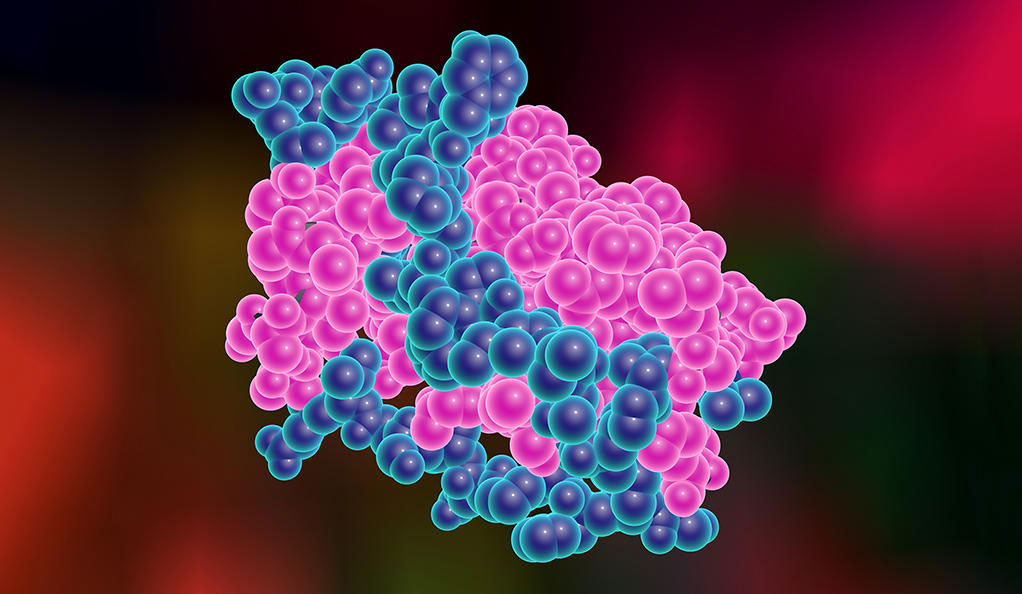
    Yale Study Shows Leptin Hormone Spurs Body to Shift from Burning Carbs to Fat
    A decrease in leptin levels, along with insulin, is necessary for the shift from glucose to fat metabolism during starvation. This activates a pathway that facilitates the breakdown of fat.

    To keep the human brain supplied with energy when food was scarce, mammals evolved the ability to switch from burning carbohydrates to burning fat in order to preserve the skeletal muscle that would otherwise be metabolized and converted to glucose. Scientists have long believed that the transition to fat metabolism was instigated solely by a drop in insulin. But a new study has identified leptin — a hormone made by fat cells — as a key mediator in this fundamental biological process.

    The Yale study, led by Gerald I. Shulman, professor of medicine and cellular & molecular physiology, examined the rate of fat and carbohydrate metabolism in rats during starvation as they transitioned from a fed to a fasting state. The research team’s analyses yielded new insights about leptin biology.

    During starvation, Shulman said, plasma leptin levels fall, activating a pathway that promotes the breakdown of fat and mediates this critical shift from glucose to fat metabolism. While a drop in insulin also occurs, a decrease in leptin is also necessary for this process to happen, the researchers discovered.

    “We found a new role for leptin in terms of energy maintenance, and the maintenance of nutrient supply to the brain during starvation,” Shulman said. “This leptin-mediated glucose-fatty acid cycle may be evolutionarily important for survival during times of famine.”

    Reference: “Leptin Mediates a Glucose-Fatty Acid Cycle to Maintain Glucose Homeostasis in Starvation” by Rachel J. Perry, Yongliang Wang, Gary W. Cline, Aviva Rabin-Court, Joongyu D. Song, Sylvie Dufour, Xian Man Zhang, Kitt Falk Petersen and Gerald I. Shulman, 4 January 2018, Cell.
    DOI: 10.1016/j.cell.2017.12.001

    Never miss a breakthrough: Join the SciTechDaily newsletter.
    Follow us on Google and Google News.

    Cell Biology Medicine Metabolism Molecular Biology Yale University
    Share. Facebook Twitter Pinterest LinkedIn Email Reddit

    Related Articles

    Scientists Provide New Insights Into the Origins of Genetic Diseases

    Researchers Identify the Molecular Pathways Involved in the Aging of Human Eggs

    Yale Researchers Develop a New Platform to View Metabolism

    New Stem Cell Study May Lead to New Drug Targets for Autism Treatment

    Antifreeze Protein Fights Frostbite in Mice

    Scientists Create an Organism with a New Genetic Code

    New Research Changes the View about the Genetics of Leukemia Risk

    Researchers Identify Molecular Factors that Push the Domino of Life into Motion

    A Closer Look at the Antifreeze Protein That Allows Siberian Beetles to Survive

    Leave A Reply Cancel Reply

    • Facebook
    • Twitter
    • Pinterest
    • YouTube

    Don't Miss a Discovery

    Subscribe for the Latest in Science & Tech!

    Trending News

    Largest-Ever Study Finds Medicinal Cannabis Ineffective for Anxiety, Depression, PTSD

    250-Million-Year-Old Egg Solves One of Evolution’s Biggest Mysteries

    Living With Roommates Might Be Changing Your Gut Microbiome Without You Knowing

    Century-Old Cleaning Chemical Linked to 500% Increased Risk of Parkinson’s Disease

    What if Your Memories Never Happened? Physicists Take a New Look at the Boltzmann Brain Paradox

    One of the Universe’s Largest Stars May Be Getting Ready To Explode

    Scientists Discover Enzyme That Could Supercharge Ozempic-Like Weight Loss Drugs

    Popular Sweetener Linked to DNA Damage – “It’s Something You Should Not Be Eating”

    Follow SciTechDaily
    • Facebook
    • Twitter
    • YouTube
    • Pinterest
    • Newsletter
    • RSS
    SciTech News
    • Biology News
    • Chemistry News
    • Earth News
    • Health News
    • Physics News
    • Science News
    • Space News
    • Technology News
    Recent Posts
    • Scientists Uncover Hidden Genetic Cause of Diabetes in Babies
    • Amazonian Chocolate Could Become the Next Superfood, Scientists Say
    • Challenging the Narrative: New Study Shows U.S. Life Expectancy Is Rising Across All States
    • Mystery Illness Kills 5 in Burundi As Doctors Scramble for Answers
    • Bone-Strengthening Discovery Could Reverse Osteoporosis
    Copyright © 1998 - 2026 SciTechDaily. All Rights Reserved.
    • Science News
    • About
    • Contact
    • Editorial Board
    • Privacy Policy
    • Terms of Use

    Type above and press Enter to search. Press Esc to cancel.