
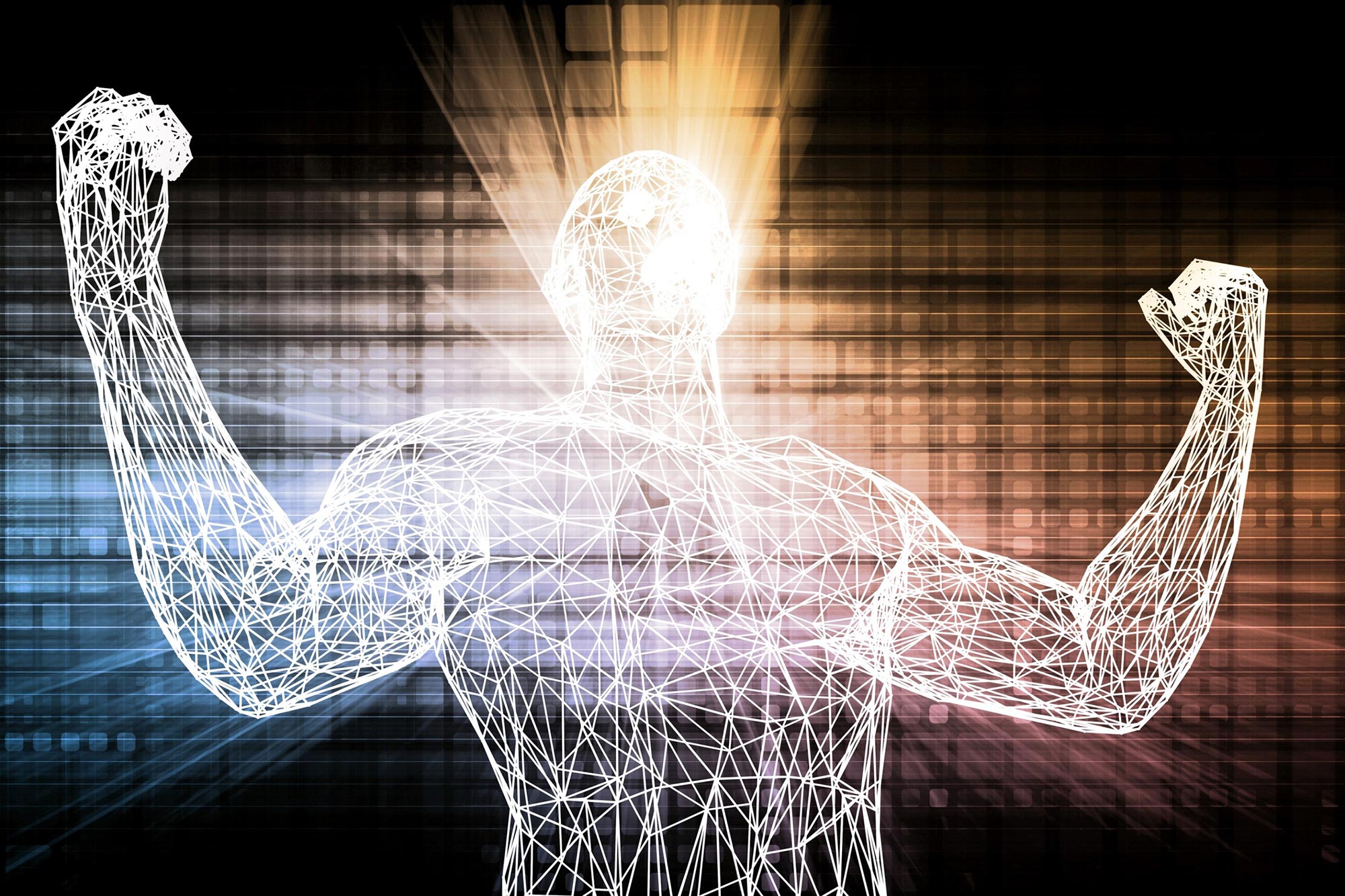
Exercise reprograms molecular pathways in the body, offering new clues for future disease prevention and treatment.
For years, it has been well established that regular exercise builds strength, improves cardiovascular health, and boosts mood. Now, new research reveals that its benefits go even deeper; physical activity actually reprograms the body at a molecular level, transforming how biological systems operate from within.
In a paper published in Nature Reviews Endocrinology, ACU researchers Professor John Hawley and Dr. Nolan Hoffman reviewed 20 years of progress in the study of human exercise metabolism.
Their work highlights the complex molecular networks that drive the broad health advantages of physical activity and presents a roadmap of major scientific milestones and future research directions. These insights could reshape how exercise is used to prevent and treat disease.
Exercise as a biological intervention
Professor John Hawley, a global authority on exercise bioenergetics and director of ACU’s Mary MacKillop Institute for Health Research, emphasized that new findings suggest exercise can be as powerful as medicine in preventing and managing a wide range of illnesses.
“Exercise is not just about physical performance, but a powerful biological intervention that affects our health at the deepest molecular level,” Professor Hawley said.
“For chronic conditions like heart disease, obesity, and type 2 diabetes, these findings suggest a future where exercise is integrated into healthcare as a form of preventive medicine.”
Mapping two decades of exercise metabolism research
In this paper, Professor Hawley and Dr. Hoffman discuss how molecular biology approaches and the new omics-based technologies have advanced understanding of exercise’s impact at the molecular and cellular levels.
“Twenty years ago, we knew exercise was beneficial for metabolic health, but we didn’t know much about the complex molecular networks underlying these health benefits,” Dr. Hoffman said.
“Research over the past two decades has started to map these molecular blueprints of exercise, identifying thousands of molecules that become activated during different modes of physical activity (endurance versus strength training) and increasing our understanding of how they interact and contribute to the health benefits of exercise.”
How exercise reshapes molecular networks
They highlight three key studies that have shaped the field, each revealing new layers of complexity on how skeletal muscle and molecules in the bloodstream respond to exercise.
Dr. Hoffman said these studies are changing how we think about the molecular puzzle of exercise, why movement matters, and how it can remodel molecular networks in not just our muscles but also our bloodstream.
“They show that exercise triggers a specific timeline of genes and proteins in muscle, orchestrates metabolic and immune systems in the bloodstream, and releases molecular “packages” into the circulation that communicate with various cells and organs around the body, showing that exercise’s effects extend far beyond just muscle contraction.”
The future of personalized exercise medicine
There is future potential to use molecular biomarkers identified to predict how well someone will respond to exercise based on their genetic and metabolic profiles to help delay, treat, or prevent obesity and other cardiometabolic conditions.
At ACU’s Melbourne campus, this research is supported by cutting-edge instrumentation from molecular technologies to the human metabolic chamber – the only one of its kind in the southern hemisphere.
The newly opened metabolic chamber allows researchers to conduct precise studies on energy expenditure and metabolic responses to add to the growing body of research on human exercise metabolism.
Reference: “Twenty years of progress in human exercise metabolism research” by John A. Hawley and Nolan J. Hoffman, 9 September 2025, Nature Reviews Endocrinology.
DOI: 10.1038/s41574-025-01181-1
Never miss a breakthrough: Join the SciTechDaily newsletter.
Follow us on Google and Google News.
2 Comments
Wallahi,
Now, Earth get have designed on Rock-Bodies’ called ‘Pencil March’.
Now, Earth get have designed on Rock-Bodies’ called ‘Pencil March’.