
Researchers have mapped the family tree of crocodiles and their extinct relatives to shed new light on why there are so few species of the giant reptiles living today.
The research team, led by scientists at the University of York, mapped the family tree of the ferocious ambush-predators and their extinct relatives known as Pseudosuchia. They then compared this with data from the fossil record to understand why crocodiles have so few living species, while there are 11,000 species of their closest living relatives, birds.
The researchers found that climate change and competition with other species have shaped the diversity of modern-day crocodiles and their extinct relatives, but the findings also reveal ecology – whether species live in the sea, in freshwater or on land – played an unexpectedly key role in survival.
The study, published today (December 4) in Nature Ecology & Evolution, found that when global temperatures rose, the number of species of the crocodile’s sea-dwelling and land-based relatives went up, while increases in competition for resources, perhaps with sharks, marine reptiles or dinosaurs, likely brought about their extinction. By contrast, the crocodile’s freshwater-dwelling relatives were not affected by temperatures, but were put at greatest risk of extinction by rising sea levels.
With seven species of crocodile categorized as Critically Endangered and a further four species identified as vulnerable, the findings of the study provide important insights for conservation efforts of crocodiles and other species as the climate continues to change.
Senior author of the study, Dr. Katie Davis, from the Department of Biology at the University of York, said: “The fossil record is a rich source of valuable information allowing us to look back through time at how and why species originate, and crucially, what drives their extinction. By examining this record and mapping it against the crocodile family tree, our research reveals how important it is to think about ecology when we’re trying to predict how species might respond to today’s climate change.
“With a million plant and animal species perilously close to extinction, understanding the key factors behind why species disappear has never been more important. In the case of crocodiles, many species reside in low-lying areas, meaning that rising sea levels associated with global warming may irreversibly alter the habitats on which they depend.”
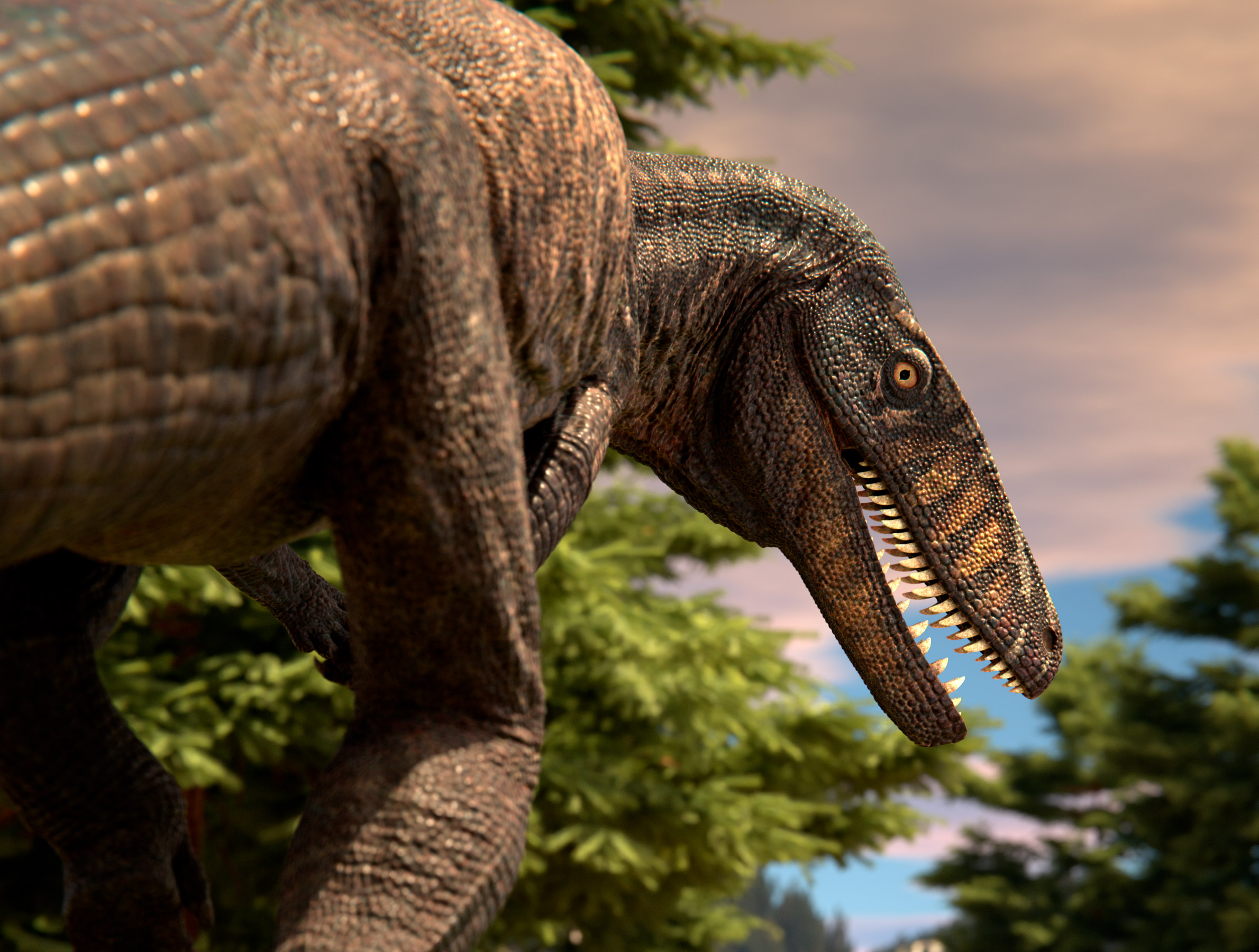
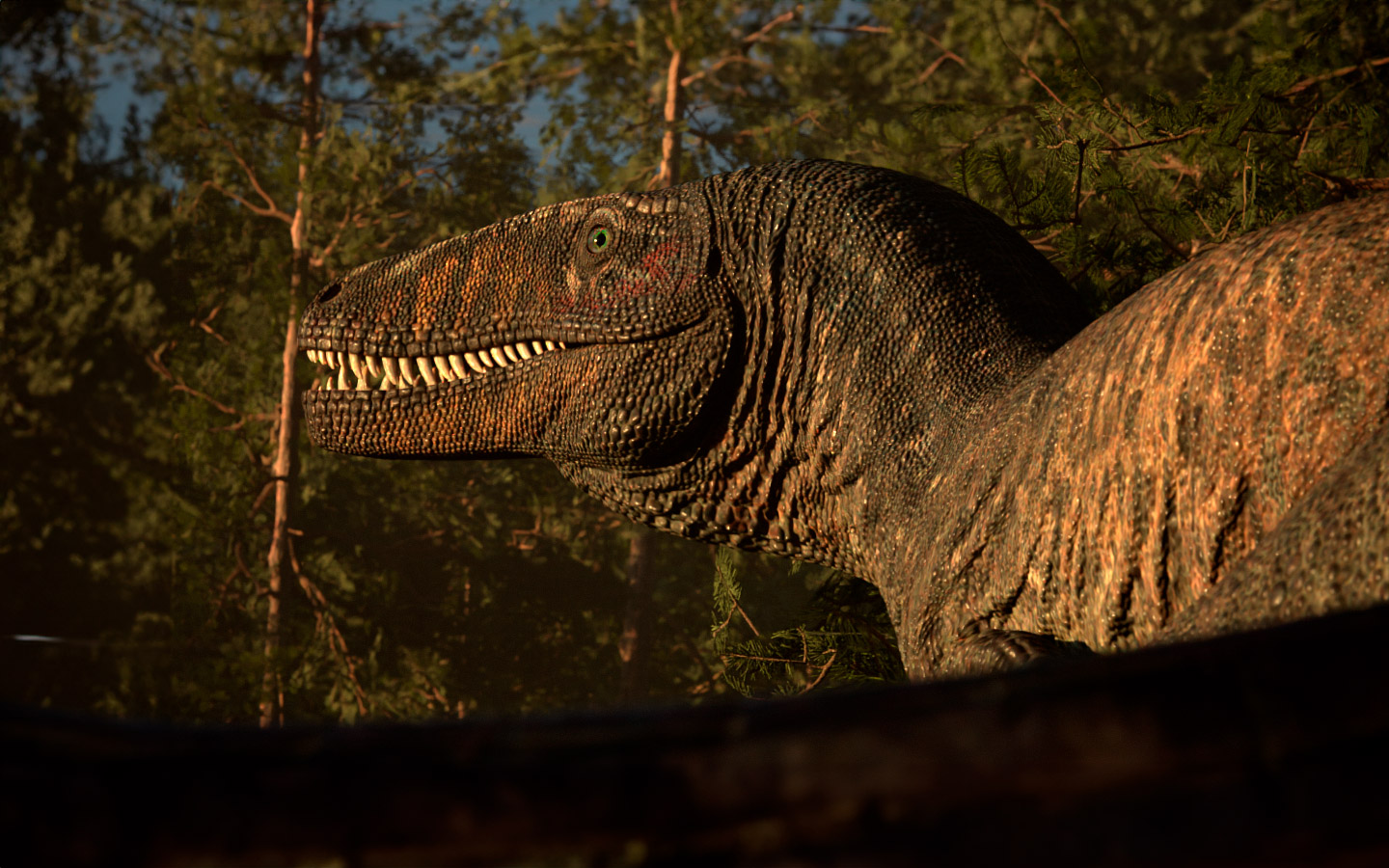
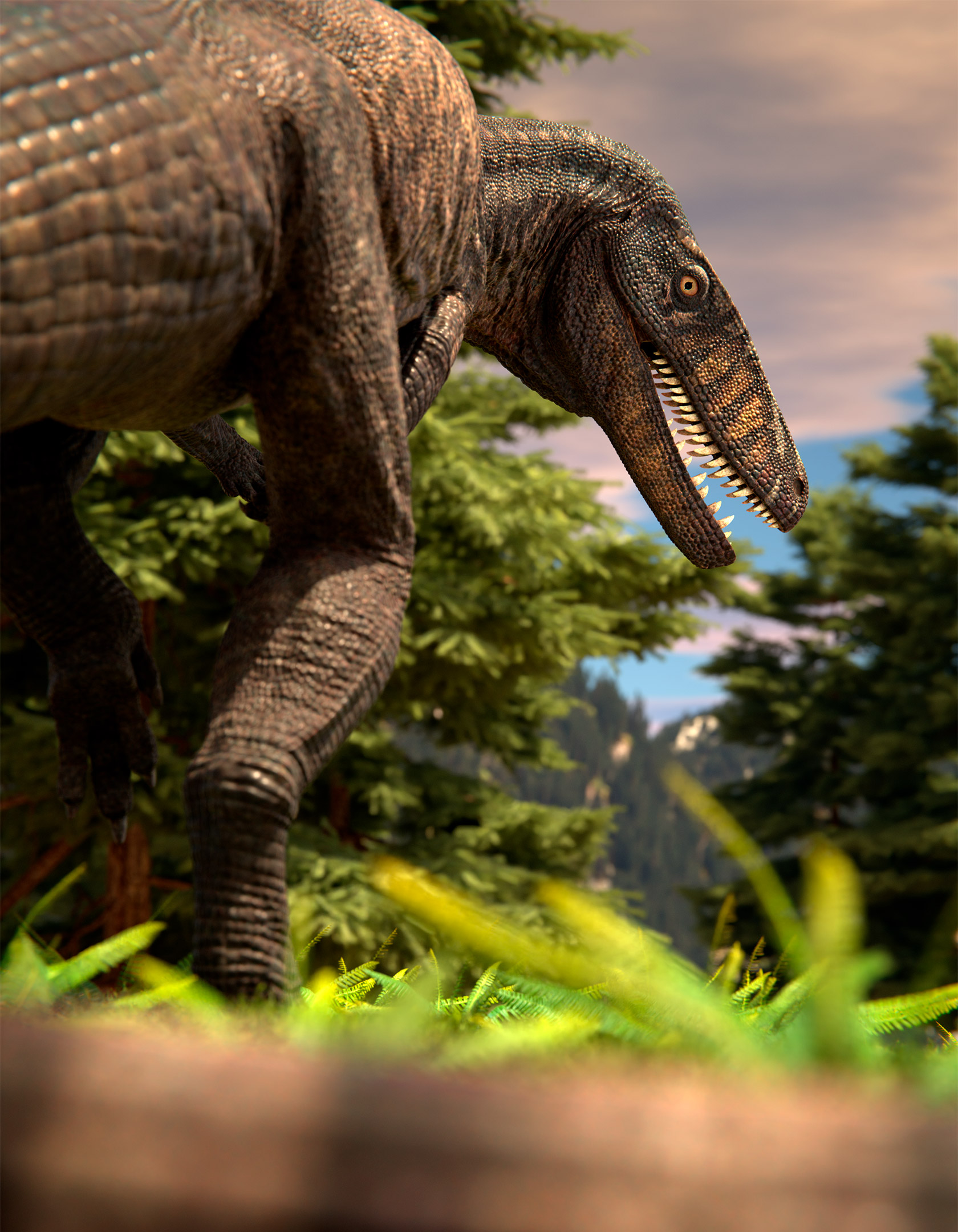
Crocodiles and birds share their heritage with dinosaurs, and together with pterosaurs, they form a group known as archosaurs or “ruling reptiles,” who date back to the Early Triassic. Pseudosuchia is a group of archosaurian reptiles, defined as all species more closely related to crocodiles than to birds.
For the study, the researchers built a large phylogeny, which is like a family tree, for all crocodiles and their extinct relatives, allowing them to map out how many new species were being formed and how many species were going extinct. They then combined this with data about past climate change, in particular temperature and sea level, to assess whether the emergence and extinction of species was linked to climate change.
The researchers also explored whether interactions between species, for example competition, might have played a role, so they calculated estimates of numbers of species at any point in time and compared these against new species and extinctions, using a type of mathematics called Information Theory. This allowed the scientists to produce an estimate of whether climate change and species interactions had a direct impact on whether new species were emerging or going extinct.
Dr. Davis added: “Crocodiles and their extinct relatives offer unique insights into climate change and its impact on biodiversity in the past, present and future. Our findings advance our understanding of what factors have shaped, and continue to shape, life on Earth.”
Reference: “Decoupling speciation and extinction reveals both abiotic and biotic drivers shaped 250 million years of diversity in crocodile-line archosaurs” by Alexander R. D. Payne, Philip D. Mannion, Graeme T. Lloyd and Katie E. Davis, 4 December 2023, Nature Ecology & Evolution.
DOI: 10.1038/s41559-023-02244-0
Never miss a breakthrough: Join the SciTechDaily newsletter.
Follow us on Google and Google News.