
Chytrid fungus is now confirmed to kill terrestrial frogs in Brazil, threatening biodiversity and amplifying ecological disruption. Originating in Asia and spread through the frog meat trade, chytrid has already caused global declines in over 500 amphibian species, including extinctions.
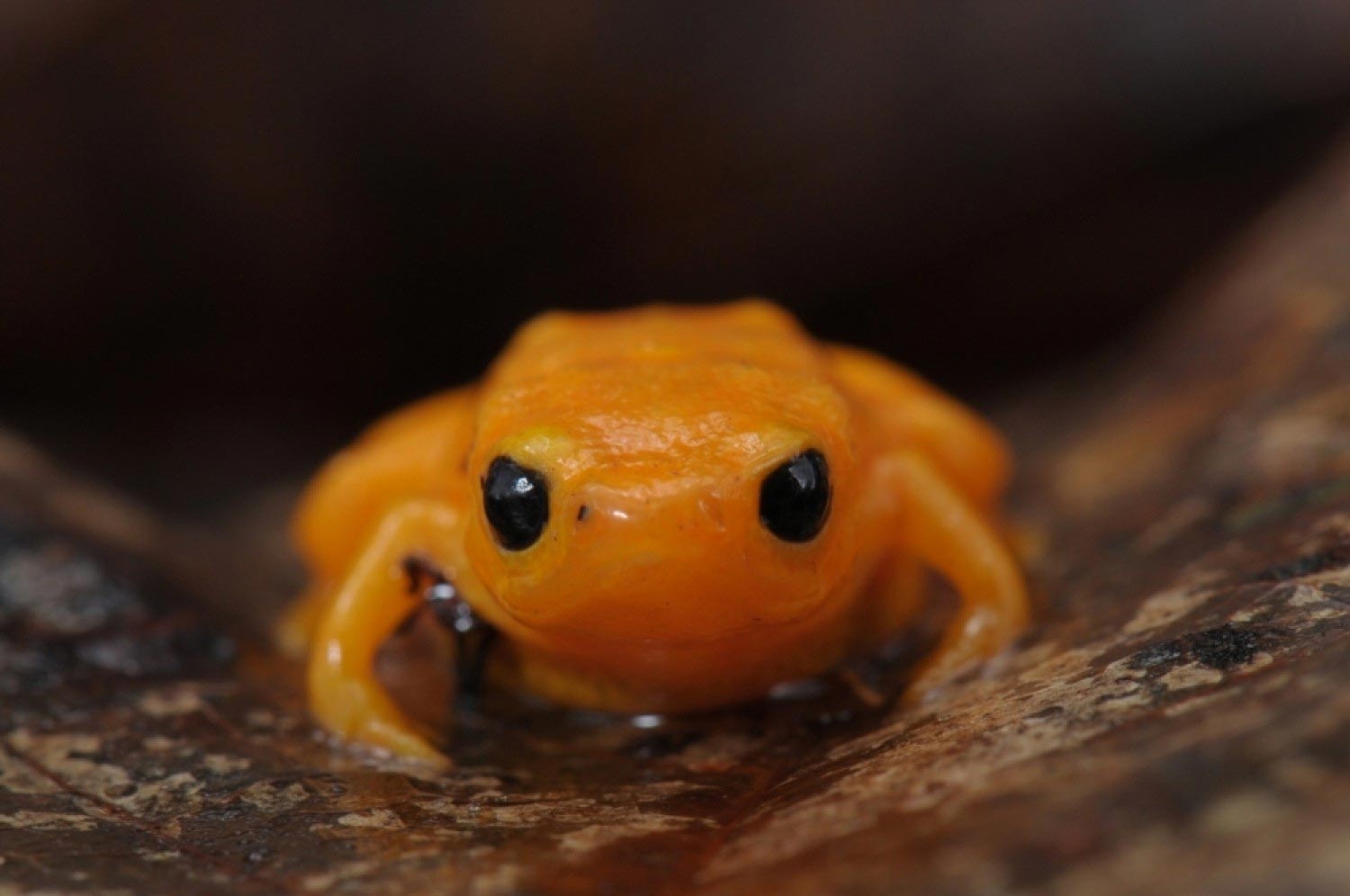
A water-borne fungus that has led to the extinction of several species of amphibians that spend all or part of their life cycle in water is also threatening terrestrial amphibians. In Brazil, researchers supported by FAPESP detected unprecedented mortality among a genus of tiny frogs known as pumpkin toadlets that live in the Atlantic Rainforest far from any aquatic environments. The animals were severely infected by chytrid fungus (Batrachochytrium dendrobatidis), which causes chytridiomycosis.
The study, published in the journal Biological Conservation, shows that the fungus is also a threat to terrestrial-breeding amphibians with important ecological functions, which include controlling insects that transmit diseases such as dengue, yellow fever, and zika.
“The fungus attacks the amphibian’s skin, which is where it exchanges gas with the external environment. Infection causes a physiological imbalance, and the animal eventually dies from a heart attack,” said Diego Moura-Campos, first author of the article. The study was conducted during his master’s research at the University of Campinas’s Institute of Biology (IB-UNICAMP) in the state of São Paulo, with a scholarship from the Brazilian Ministry of Education’s Coordination for the Improvement of Higher Education Personnel (CAPES).
The investigation was conducted under the aegis of the project “Chytrid fungus in Brazil: origin and consequences”, linked to the FAPESP Research Program on Biodiversity Characterization, Conservation, Restoration and Sustainable Use (BIOTA-FAPESP) and coordinated by Luís Felipe Toledo, a professor at IB-UNICAMP and a co-author of the article.
“We’ve studied the fungus from several angles, but have rarely had the unhappy opportunity to see animals dying from fungal infection in the wild. This is the first study to show the phenomenon in Brazil. If an amphibian dies and is infected, that doesn’t mean the fungus caused its death. It might be coexisting with the pathogen without developing the disease. In this case, we were sure it was the cause of death because the animals had the right symptoms, such as weight loss, heavily sloughing skin, and very high infection loads,” said Toledo, who is also principal investigator for another project that focuses on understanding how the fungus spreads in nature.
The researchers believe direct-developing species (which reproduce on land and lack a tadpole, with terrestrial eggs hatching as fully formed miniature adults) are even less adapted to the fungus. Aquatic species have been in contact with the pathogen for longer and may have developed a degree of resistance to infection.
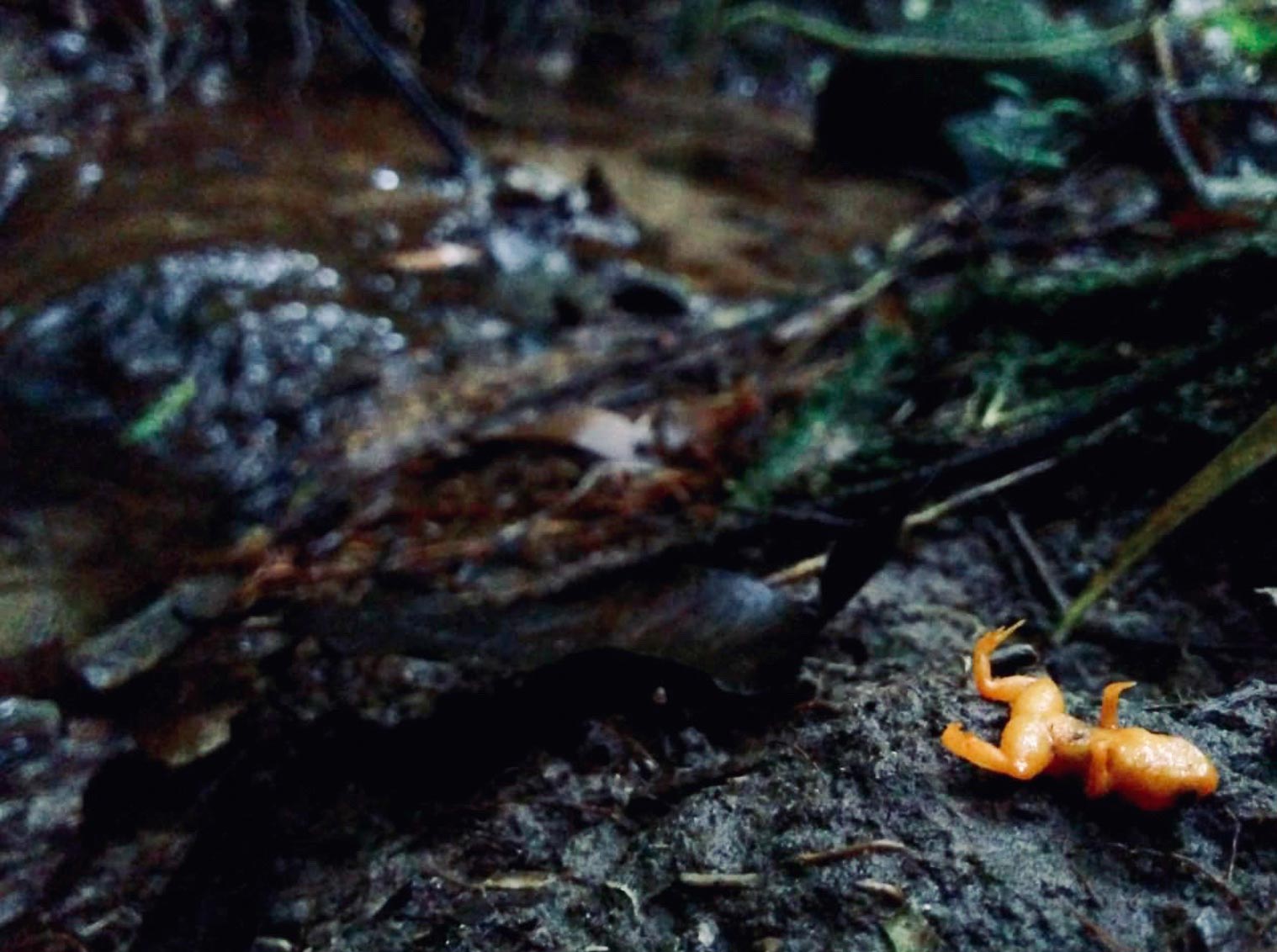
Moura-Campos observed morbidity and mortality in infected frogs during a field survey conducted on the Serra do Japi Biological Reserve in Jundiaí, São Paulo, between May 2018 and May 2019. Curiously, dead and dying individuals of the species Brachycephalus rotenbergae were found after an atypical period of drought.
“These animals are very small and hard to find. After dying, they decompose quickly. Finding nine of them dead or heavily diseased in a short period, as we did, suggests others probably died as well,” said Guilherme Becker, a professor at the University of Alabama in the United States and last author of the article.
Climate Change and Rising Virulence
According to Becker, who is also a visiting professor at UNICAMP under its Graduate Program in Ecology, the study shows that accelerating global climate change in the coming decades will increase the frequency of this type of disease, with causative agents that may become more virulent as hybrids emerge, as already shown in an earlier study by the group.
“Lack of soil moisture in the forest where they live may have led these animals to seek hydration in streams and become more contaminated than normal by the fungus,” he said.
Another hypothesis raised by the researchers is that periods of drought may compromise the frogs’ immune system so that they become more vulnerable to the fungus.
Cosmopolitan Pathogen
The fungus originated in Asia and has probably spread around the world as a result of the trade in frog meat. Species consumed by humans for this purpose, such as the American bullfrog (Rana catesbeiana), are resistant to the fungus and can be bearers without being infected.
According to a paper published in 2018 in the journal Science with Toledo as a co-author, the fungus originated on the Korean peninsula and spread to other parts of the world in the early twentieth century.
Another study to which Toledo contributed also found that the fungus has caused a decline in the populations of at least 501 species of amphibians worldwide. In Brazil alone, at least 50 species or populations have been affected, 12 have become extinct, and 38 have undergone decline.
Ecological Consequences of Amphibian Collapse
“Amphibians are very important to the functioning of many ecosystems. Their biomass in forests is enormous. They serve as food for a wide array of other animals, eat arthropods in the wild, and control communities of invertebrates,” Becker said. “In the case of aquatic species, most are herbivorous in the tadpole stage and consume phytoplankton, which could overwhelm aquatic environments if it were not for tadpoles. These animals cross aquatic and terrestrial ecosystems, so when outbreaks of chytridiomycosis occur, the impact is significant.”
To exemplify, Becker recalled a recent study in which scientists affiliated with institutions in the US and Panama show that amphibian population collapse due to infection by B. dendrobatidis was linked to an increase in outbreaks of malaria in the 1990s and 2000s in Panama and Costa Rica.
According to Becker, Toledo and collaborators, more observation is required over a period of years to reach a more precise estimate of the global impact of chytridiomycosis on amphibian populations.
Reference: “Fungal disease cluster in tropical terrestrial frogs predicted by low rainfall” by Diego Moura-Campos, Sasha E. Greenspan. Graziella V. DiRenzo. Wesley J. Neely. Luís Felipe Toledo and C. Guilherme Becker, 28 July 2021, Biological Conservation.
DOI: 10.1016/j.biocon.2021.109246
Never miss a breakthrough: Join the SciTechDaily newsletter.
Follow us on Google and Google News.