
Close Menu
    Facebook X (Twitter) Instagram
    SciTechDaily
    • Biology
    • Chemistry
    • Earth
    • Health
    • Physics
    • Science
    • Space
    • Technology
    Facebook X (Twitter) Pinterest YouTube RSS
    SciTechDaily
    Home»Biology»Poisonous Dendrobatidae Frogs are Aposematic Organisms and Critically Endangered
    Biology

    Poisonous Dendrobatidae Frogs are Aposematic Organisms and Critically Endangered

    By SciTechDailyMarch 22, 20121 Comment2 Mins Read
    Facebook Twitter Pinterest Telegram LinkedIn WhatsApp Email Reddit
    Share
    Facebook Twitter LinkedIn Pinterest Telegram Email Reddit
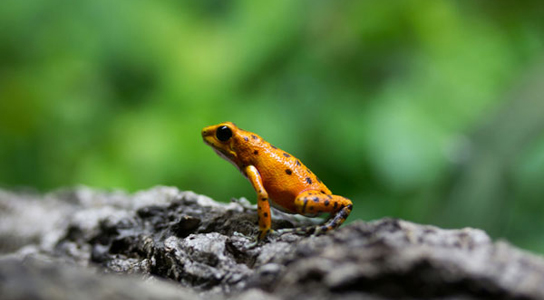
    Dendrobatidae-london-zoo
    Strawberry poison dart frog (Oophaga pumilio)

    These colorful photos of two species of Dendrobatidae, from the Reptile House at the London Zoo, feature these critically endangered amphibians in all of their dangerous glory, since these are poison dart frogs, frogs whose toxic skin excretions are used in blowdarts.
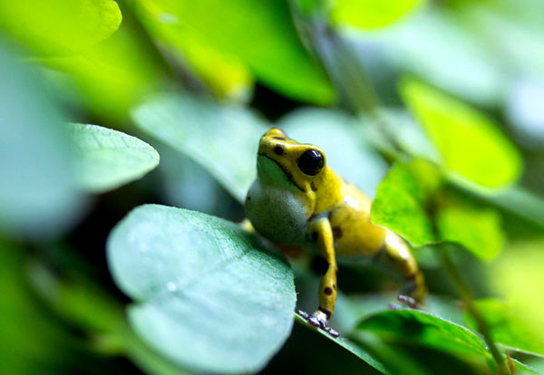
    Dendrobatidae-london-zoo-yellow

    The black-legged dart frog (Phyllobates bicolor) and the strawberry poison dart frog (Oophaga pumilio) are showcased in these photos. The IUCN lists 79 species of Dendrobatidae at risk. Of these 79, 19 are listed as critically endangered and facing a high risk of extinction in the wild, which include the skunk frog and the Bloody Bay poison frog that have had huge drops in their population.
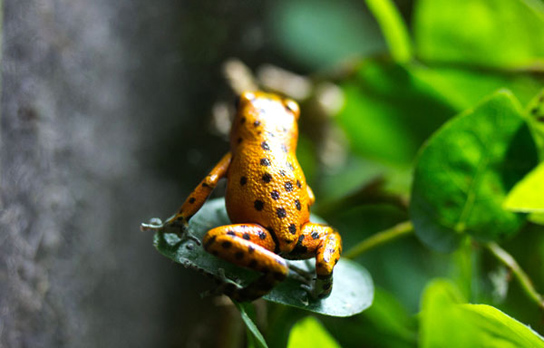
    Dendrobatidae-london-zoo-spotted

    In three generations, the Bloody Bay poison frogs’ numbers have dropped by 80% and the skunk frogs have lost 80% of their population in the last ten years. This decline is due to the loss of their habitats and dry spells have also hurt the frogs’ reproduction cycles.
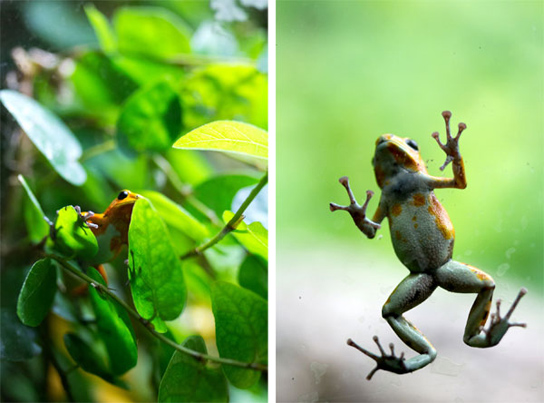
    Dendrobatidae-london-zoo-duo

    Thirty more species are endangered and facing a high risk of extinction. Sixteen more are vulnerable and fourteen are near threatened. Some, like the splendid poison frog (D. speciosus) might have already gone extinct in their native ranges.

    Most of these poison dart frogs are brightly colored, which display aposematic patterns to warn off potential predators. Their bright coloration is associated with the toxicity of the poison they excrete and the levels of alkaloids. When born and bred in captivity, Dendrobatidae don’t produce the skin toxins which they naturally produce in their native habitats. If measures aren’t taken to secure their habitats, most of these species will go the way of the golden toad (Bufonidae periglenes), which was recently listed as extinct.

    Never miss a breakthrough: Join the SciTechDaily newsletter.
    Follow us on Google and Google News.

    Amphibians Conservation Endangered Extinction Frogs Popular
    Share. Facebook Twitter Pinterest LinkedIn Email Reddit

    Related Articles

    Ghost Frog Found: Scientists Stumble Upon Species Missing Since 1902

    Digital Resurrection: Scientists Are on a Mission To Preserve the World’s Most Endangered Marine Mammal

    Forgotten Species Go Extinct Twice: Exploring the Phenomenon of Societal Extinction

    Aquatic Fungus Has Already Wiped Amphibians off the Map – Now Threatens Survival of Terrestrial Frogs

    One of World’s Rarest Chameleons Found Clinging to Survival in Patches of Rainforest in Malawi

    “Extinct” Pinatubo Volcano Mouse Rediscovered on Volcano That Erupted 30 Years Ago

    A Fifth of All Invertebrates on Earth Threatened by Extinction

    Previously Thought Extinct Sri Lankan Kandyan Dwarf Toad Reappears

    New Frog Species Discovered Living in New York and New Jersey

    1 Comment

    1. the on March 1, 2023 10:15 am

      pee

      Reply
    Leave A Reply Cancel Reply

    • Facebook
    • Twitter
    • Pinterest
    • YouTube

    Don't Miss a Discovery

    Subscribe for the Latest in Science & Tech!

    Trending News

    Your Blood Pressure Reading Could Be Wrong Because of One Simple Mistake

    Astronomers Stunned by Ancient Galaxy With No Spin

    Physicists May Be on the Verge of Discovering “New Physics” at CERN

    Scientists Solve 320-Million-Year Mystery of Reptile Skin Armor

    Scientists Say This Daily Walking Habit May Be the Secret to Keeping Weight Off After Dieting

    New Therapy Rewires the Brain To Restore Joy in Depression Patients

    Giant Squid Detected off Western Australia in Stunning Deep-Sea Discovery

    Popular Sugar-Free Sweetener Linked to Liver Disease, Study Warns

    Follow SciTechDaily
    • Facebook
    • Twitter
    • YouTube
    • Pinterest
    • Newsletter
    • RSS
    SciTech News
    • Biology News
    • Chemistry News
    • Earth News
    • Health News
    • Physics News
    • Science News
    • Space News
    • Technology News
    Recent Posts
    • Key Magic Mushroom Ingredient Increases Laziness and Reduces Aggression
    • Researchers Solve 15-Year Mystery Behind Cancer-Causing Gut Toxin
    • One of the World’s Most Popular Weedkillers May Be Fueling Deadly Superbugs
    • Scientists Create Laser “Whirlpools” That Spin Tiny Cells Without Touching Them
    • Scientists Discover “Hidden” Materials That Could Transform Clean Energy and Batteries
    Copyright © 1998 - 2026 SciTechDaily. All Rights Reserved.
    • Science News
    • About
    • Contact
    • Editorial Board
    • Privacy Policy
    • Terms of Use

    Type above and press Enter to search. Press Esc to cancel.