
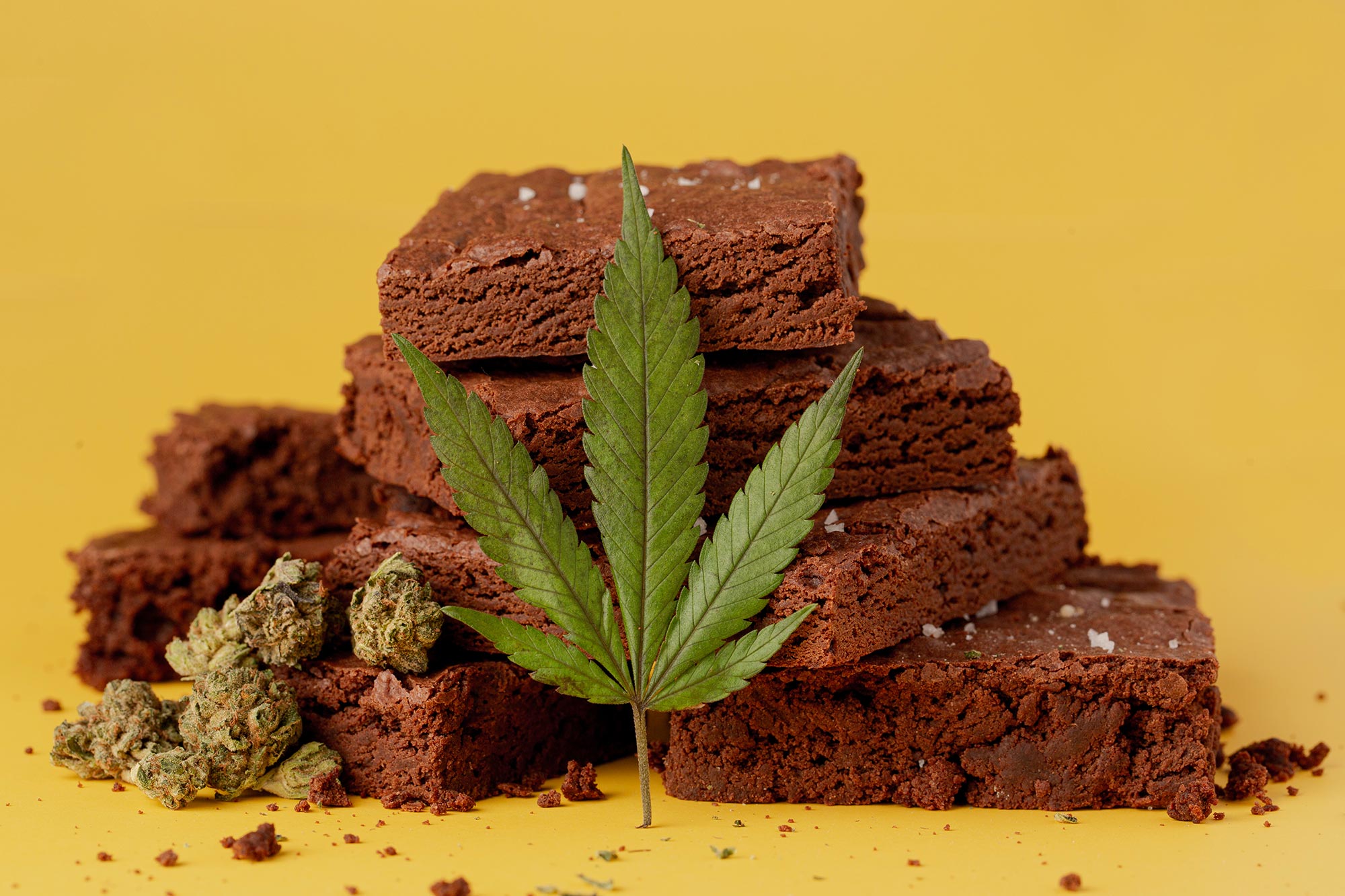
Cannabis use may come with an unexpected cost: a nearly fourfold rise in diabetes risk.
The finding, drawn from millions of health records, challenges assumptions about the drug’s effects and underscores the need for closer medical monitoring.
Cannabis Use and Diabetes Risk
Cannabis use has been associated with nearly a fourfold increase in the likelihood of developing diabetes, according to an analysis of health data from more than 4 million adults. The findings are being presented at this year’s Annual Meeting of The European Association for the Study of Diabetes (EASD) in Vienna, Austria.
Worldwide, cannabis use continues to rise, with an estimated 219 million people (4.3% of the global adult population) reported as users in 2021. Despite widespread consumption, the long-term effects of this on metabolism remain poorly understood. Some earlier research has suggested potential benefits, including anti-inflammatory properties and support for weight management. Others, however, have pointed to concerns about how cannabis might affect glucose regulation and insulin resistance, and the scale of the potential diabetes risk has remained uncertain.
Large-Scale Real-World Data Analysis
To provide stronger evidence, Dr. Ibrahim Kamel of Boston Medical Center in Massachusetts, USA, and his team reviewed electronic health records collected from 54 healthcare institutions within the TriNetX Research Network, which includes sites across the USA and Europe. Their analysis identified 96,795 outpatients (aged 18 to 50 years, 52.5% female) with cannabis-related diagnoses between 2010 and 2018. These diagnoses ranged from occasional use to dependence and also included cases involving intoxication or withdrawal.
For comparison, the researchers matched this group with 4,160,998 individuals with no history of substance use or major chronic disease, aligning them by age, sex, and baseline health conditions. All participants were then tracked over a five-year period.
Nearly Fourfold Risk After Adjustments
After controlling HDL and LDL cholesterol, uncontrolled high blood pressure, atherosclerotic cardiovascular disease, cocaine use, alcohol use and several other lifestyle risk factors, the researchers found that new cases of diabetes were significantly higher in the cannabis group (1,937; 2.2%) compared to the healthy group (518; 0.6%), with statistical analysis showing cannabis users at nearly four times the risk of developing diabetes compared to non-users.
While the authors note that more research is needed to fully explain the association between cannabis and diabetes, it may come down to insulin resistance and unhealthy dietary behaviors. Nevertheless, the study’s results have immediate implications for metabolic monitoring practices and public health messaging.
Public Health Implications and Warnings
“As cannabis becomes more widely available and socially accepted, and legalized in various jurisdictions, it is essential to understand its potential health risks,” said lead author Dr. Kamel. “These new sights from reliable real-world evidence highlight the importance of integrating diabetes risk awareness into substance use disorder treatment and counseling, as well as the need for healthcare professionals to routinely talk to patients about cannabis use so that they can understand their overall diabetes risk and potential need for metabolic monitoring.”
Unanswered Questions and Study Limitations
The authors note that more research is needed on the long-term endocrine effects of cannabis use and whether diabetes risks are limited to inhaled products or other forms of cannabis, such as edibles.
Despite the important findings, this is a retrospective study and cannot prove that cannabis use causes diabetes, and the authors cannot rule out the possibility that other unmeasured factors may have influenced the results despite efforts to reduce confounding bias via propensity score matching. This study has limitations due to a lack of detailed cannabis consumption data and potential misclassification. The authors acknowledge that inherent limitations of real-world data often result from inconsistent patient reporting in electronic medical records. They also note that there is a risk of bias because of imprecise measures of cannabis exposure and the reliance on participants to accurately report any cannabis use, even when they lived in places where the drug is illegal.
Meeting: Annual Meeting of the European Association for the Study of Diabetes (EASD)
Never miss a breakthrough: Join the SciTechDaily newsletter.
Follow us on Google and Google News.
17 Comments
Hmmmm…….”munchies?” Just saying…..
I was going to say the same thing. I wonder if they took into consideration that propensity to eat sweets and junk food after consuming cannabis. It’s not mentioned in the article. Maybe it’s included in the “several other lifestyle risk factors” they adjusted for. If not, they might want to do some more adjusting.
I dont even eat sweets. Munchies to me makes me want to eat my healthy foods. Show us the proof
I was going to say the same thing. I wonder if they took into consideration that propensity to eat sweets and junk food after consuming cannabis. It’s not mentioned in the article. Maybe it’s included in the “several other lifestyle risk factors” they adjusted for. If not, they might want to do some more adjusting.
It’s a fairly useless study. They see some possible correlation but the the facts given here are so sparse that it’s not helpful. Not useful. Why would you guys even publish this?
I finally quit after many years because of the fact that it causes me to eat too much sugar. Not sure about the diabetes risk but there are definitely other reasons to quit.
Sounds like the worse case study ever no control groups, no control really at all just washing some statistics around and spitting out a number to push your marijuana is bad big pharma good agenda what a waste of an article
Yeah I get the munchies I get the sweet tooth once in a while. I am mindful on what I eat. But to say in general smoking weed causes diabetes. I have been smoking weed a little over 25 years and still don’t have diabetes. This article is moot.
While I agree that this article is complete nonsense and the researchers are clearly biased based on how they picked their groups, just because YOU don’t have an effect doesn’t mean anything.
I know people who smoke a pack a day and don’t have cancer, and I know someone who had never smoked a cigarette in their life that died of lung cancer.
Your n of 1 is irrelevant.
Yeah I get the munchies I get the sweet tooth once in a while. I am mindful on what I eat. But to say in general smoking weed causes diabetes. I have been smoking weed a little over 25 years and still don’t have diabetes. This article is moot.
I’ve read somewhere in medical trade journals that the munchies is caused by a drop in sugars so the intensity of cravings of something sweet is exasperated by THC effect.
This is a terribly designed study and a complete non story.
They took 100k people who came into HOSPITALS as the cannabis group and 4 MILLION “normal people”.
First of all those numbers are WAY different. But more importantly maybe these people who CAME INTO THE HOSPITAL are more likely to have medical issues since, you know, they came into the hospital.
Study an equal number of occasional users, daily users, and non-users from the general population, don’t cherry pick cannabis users from the hospital and non-cannabis users from a healthy subset of the population.
Can we say BIASED, class?
…. Correlation and causation ARE NOT THE SAME THING.
This study is about as smart as the one that related diet soda to diabetes…. We’re really stretching out how dumb we can get as a species huh?
…. Correlation and causation ARE NOT THE SAME THING.
This study is about as smart as the one that related diet soda to diabetes…. We’re really stretching out how dumb we can get as a species huh?
While it is run by academics, its operations are substantially funded by the very industry that profits from the established diabetes treatment protocols
With 61 percent of their revenue having a direct tie to the pharmaceutical industry its clear that bias and subsequently confirmation bias is more likely the cause ol diabetes in this study. Just ask your local chatbot to show you the flow of money to the “non profit “
The organization’s academic integrity is tethered to an industry that benefits financially from the established diabetes treatment protocols