
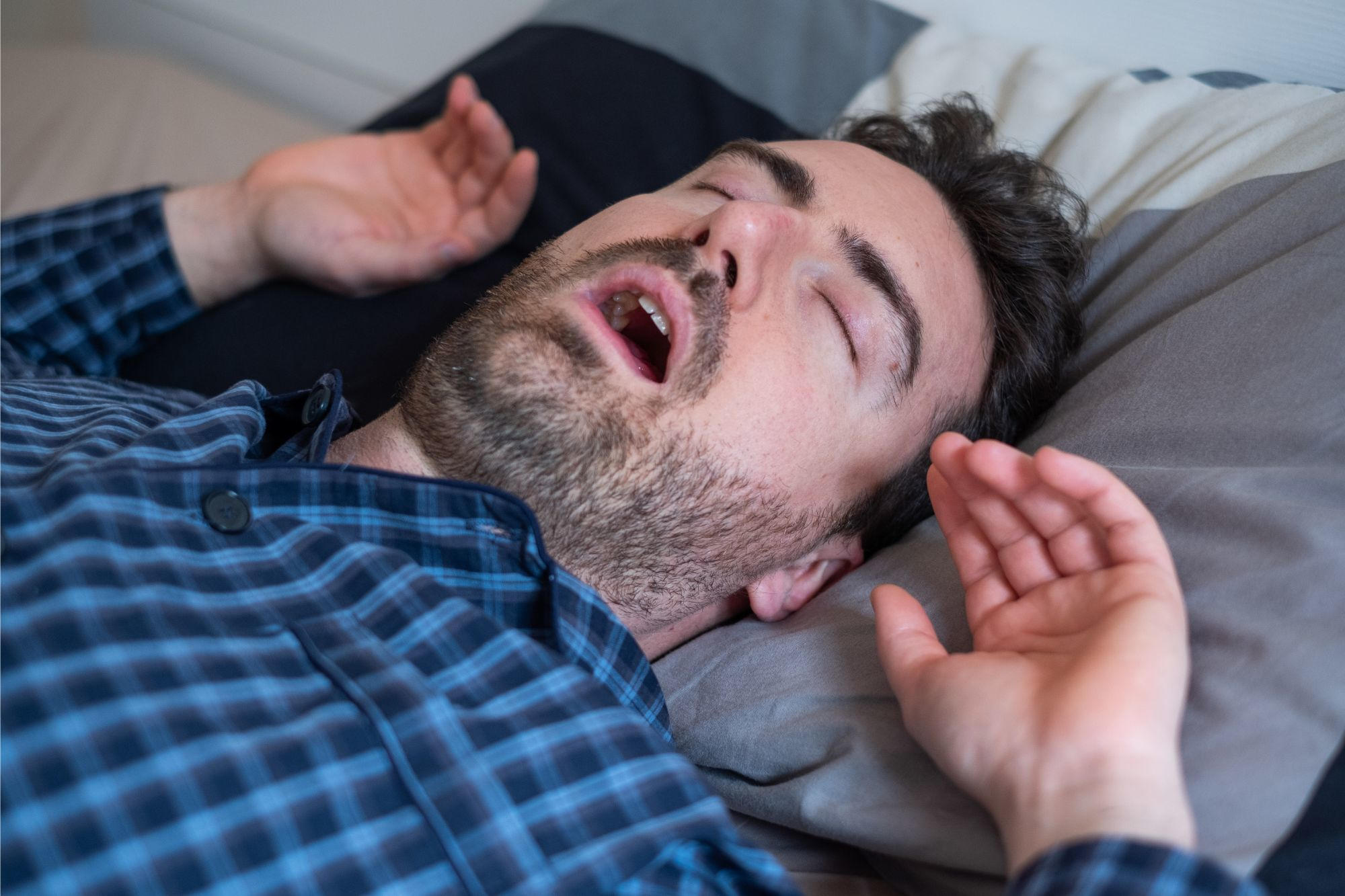
New research is revealing that obstructive sleep apnea may have deeper physiological consequences than previously understood.
A study from Ben-Gurion University of the Negev and Soroka University Medical Center, published in Sleep and Breathing, reports a strong association between obstructive sleep apnea and reduced skeletal muscle quality. The findings suggest the condition may contribute to age-related muscle decline, a risk that often goes unnoticed.
Roughly 30% of adults are affected by obstructive sleep apnea. The condition occurs when the upper airway repeatedly collapses during sleep, causing pauses in breathing, drops in oxygen levels, and disrupted rest.
While it is widely known to affect alertness, concentration, and cardiovascular and respiratory health, this study points to additional effects on bone strength and muscle integrity. These changes may increase the likelihood of fractures, weaken physical strength, and reduce overall quality of life.
Research Team and Study Approach
The study was led by Prof. Ariel Tarasiuk, Director of the Sleep-Wake Disorders Unit at Soroka University Medical Center and the Department of Physiology at the Faculty of Health Sciences at Ben-Gurion University, along with Prof. Ilan Shelef, Director of the Imaging Institute at Soroka.
The team also included Dr. Sharon Daniel from the Department of Epidemiology and Biostatistics and the Pediatric Division at Soroka, as well as medical student Samuel Francis.
To conduct the research, the team analyzed CT scans that had already been performed for other medical purposes. This allowed them to evaluate bone density and muscle composition without exposing patients to additional tests or radiation. The results showed that individuals with obstructive sleep apnea tend to have lower skeletal muscle density and a higher skeletal muscle index compared to those without the condition, a pattern that points to altered muscle quality.
Clinical Implications and Expert Perspectives
According to Prof. Ariel Tarasiuk: “Obstructive sleep apnea is much more than snoring. Without early diagnosis and treatment, it is a disease that can lead to fractures, reduced muscle function, and even loss of independence.”
Prof. Ilan Shelef adds: “CT scans already performed as part of routine clinical practice can serve as an effective screening tool for early identification of at-risk patients, without the need for additional tests.”
Dr. Sharon Daniel notes that integrating sleep data with imaging and medical records can improve the identification of high-risk groups and support more targeted prevention strategies.
This work builds on an earlier study by the same group, published in Scientific Reports, which linked obstructive sleep apnea to reduced bone density.
The researchers recommend incorporating assessments of bone density and muscle quality into routine CT scan analysis. They also call for structured follow-up and treatment plans for patients with obstructive sleep apnea to support earlier detection, timely intervention, and better management of sleep-related breathing disorders.
References:
“Obstructive sleep apnea is associated with altered skeletal muscle composition using computed tomography–derived indices” by Sharon Daniel, Samuel Francis, Ilan Shelef and Ariel Tarasiuk, 30 January 2026, Sleep and Breathing.
DOI: 10.1007/s11325-026-03573-7
“Bone mineral density alteration in obstructive sleep apnea by derived computed tomography screening” by Sharon Daniel, Yafit Cohen-Freud, Ilan Shelef and Ariel Tarasiuk, 19 April 2022, Scientific Reports.
DOI: 10.1038/s41598-022-10313-w
Never miss a breakthrough: Join the SciTechDaily newsletter.
Follow us on Google and Google News.
1 Comment
Learn to sleep on your side, this will stop it.