
Researchers Have Created Low-Cost Substances for Tumor Therapy and Diagnosis
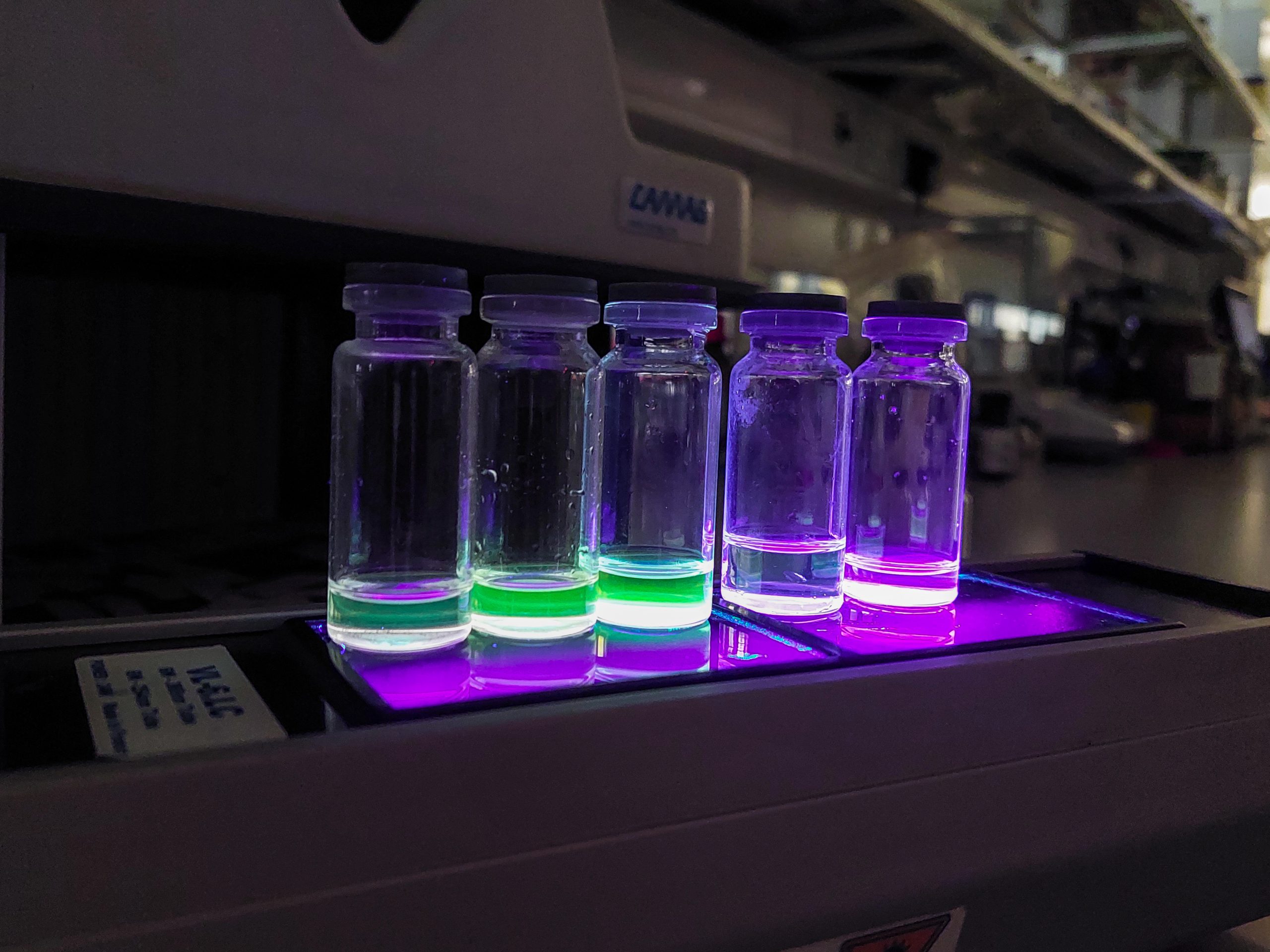
Researchers from the Ural Federal University and the Ural Branch of the Russian Academy of Sciences have developed new fluorescent chemical compounds (fluorophores) for the most recent kind of cancer treatment, photodynamic therapy, which targets cancerous tumors. The substance is useful for both the early detection of tumor processes by coloring the damaged tissues and their subsequent therapy by killing tumor cells without harming healthy ones. The Dyes and Pigments journal published the primary studies’ findings.
Due to the availability of all derivatives in the composition and the lack of impurities that might cause side effects, the synthesis of these fluorophores is characterized by low costs. The fluorophore’s efficacy was evaluated on HeLa cells, which were employed as a cervical cancer model. Scientists are now investigating how the new substance affects various cancer cell types.
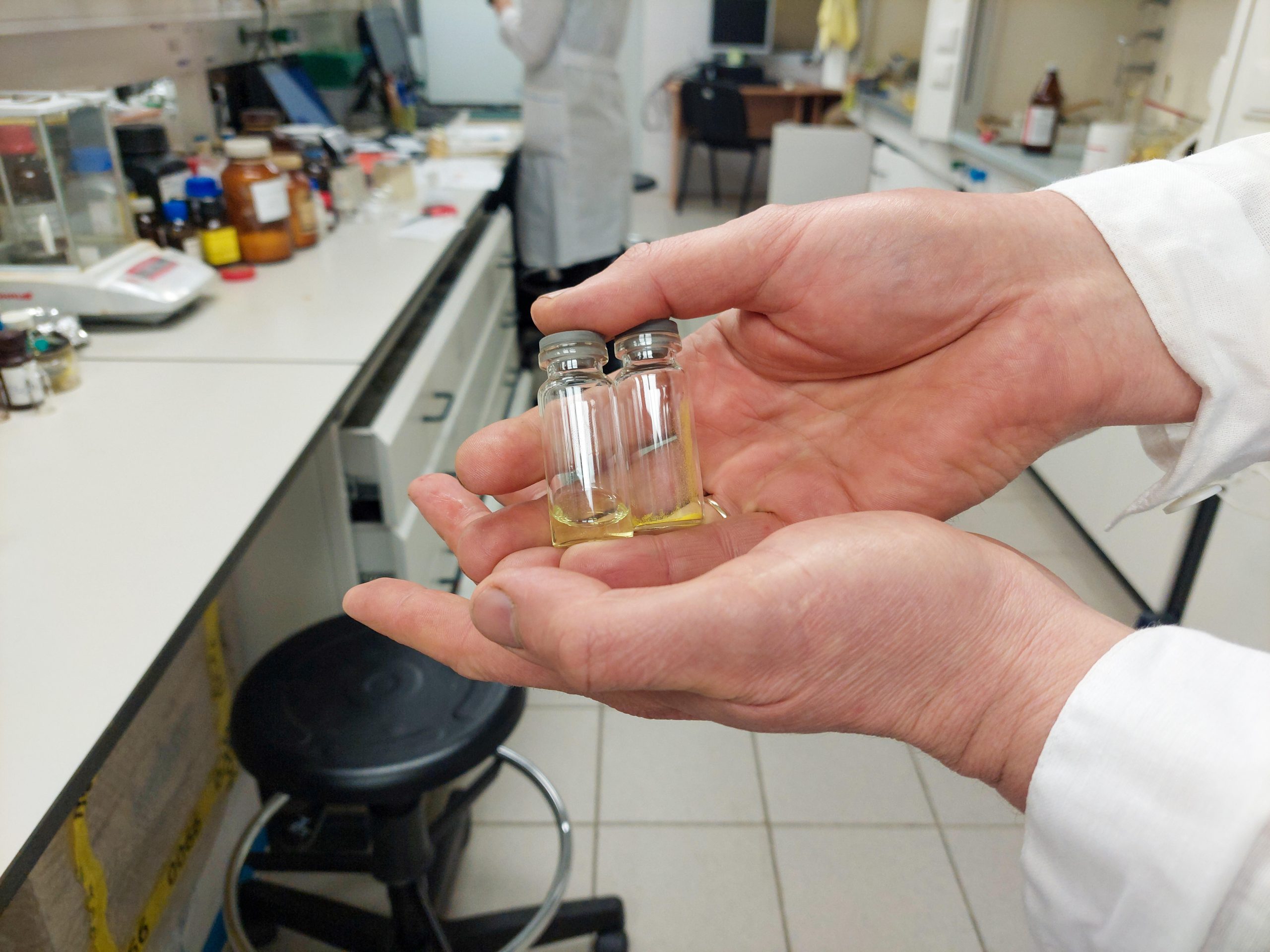
Fluorophores are chemical substances that, when subjected to ultraviolet or visible light, produce visible light (photoluminescence). They can penetrate biological tissues and stain cells that are prone to inflammatory reactions.
Thus, a new compound interacts with biomolecules of body tissues and, under UV or visible irradiation, stains areas in which the process of tumor growth is taking place. This makes it possible to determine the size of the tumor in the body and outline its boundaries. During the experiments, scientists found that the new fluorophore performs a dual function: it not only stains diseased areas but also begins to destroy them.
“Initially, we investigated only the dyeing properties of the compound,” says Grigory Zyryanov, co-author of the study and Professor of the Department of Organic and Biomolecular Chemistry at UrFU.
“The compound is able to accumulate in certain areas of the cell – the cell membrane and reticulum (an intracellular organelle responsible for protein folding), and under ultraviolet or visible irradiation, highlight the infected areas in bright green. However, it turned out that the fluorophore then functions as a photosensitizer. That is, under the influence of optical irradiation, it begins to interact with the surrounding cellular environment (oxygen, water, etc.) and generates free radicals, the so-called reactive oxygen species. These active particles enter into chemical interactions with affected cells, starting their destruction, while practically not affecting healthy ones. This is called photodynamic therapy, it is a new promising method of cancer treatment with high efficiency and minimum side effects.”
Scientists using the methods of heterocyclic chemistry created two experimental samples. Chemists synthesized a fluorophore based on naphthoxazole, an oxazole derivative used in the synthesis of medicinal and biochemical preparations, and a naphthalene fragment used as a platform and so-called antenna for more efficient perception of optical irradiation by a molecule. In addition, chemists added fragments of pyrene and anthracene, polynuclear aromatic hydrocarbons with high fluorescent response, that is, a bright glow, to the compound. The compound containing pyrene showed the highest fluorescent and anticancer activity.
“Pyrenes are very commonly used for bioimaging, anthracenes are less common,” says Grigory Zyryanov. “These compounds are promising for many reasons, including we were able to show that the pyrene-containing compound begins to glow even when irradiated with visible light, and this is visible even to the naked eye. This is very convenient, including, for example, for surgical interventions, when it is still necessary for the treatment.”
Reference: “Synthesis of new water-soluble polyarene-substituted naphtho[1,2-d]oxazole-based fluorophores as fluorescent dyes and biological photosensitizers” by Nataliya V. Slovesnova, Artem S. Minin, Leonid T. Smolyuk, Olga S. Taniya, Anton N. Tsmokalyuk, Grigory A. Kim, Igor S. Kovalev, Varvara A. Pozdina, Dmitry S. Kopchuk, Alexey P. Krinochkin, Grigory V. Zyryanov, Alexander Yu Petrov and Valery N. Charushin, 27 May 2022, Dyes and Pigments.
DOI: 10.1016/j.dyepig.2022.110410
Never miss a breakthrough: Join the SciTechDaily newsletter.
Follow us on Google and Google News.