
Close Menu
    Facebook X (Twitter) Instagram
    SciTechDaily
    • Biology
    • Chemistry
    • Earth
    • Health
    • Physics
    • Science
    • Space
    • Technology
    Facebook X (Twitter) Pinterest YouTube RSS
    SciTechDaily
    Home»Technology»Cyanobacteria Engineered to Make Raw Materials for Fuels From Sunlight
    Technology

    Cyanobacteria Engineered to Make Raw Materials for Fuels From Sunlight

    By University of California DavisJanuary 9, 2013No Comments3 Mins Read
    Facebook Twitter Pinterest Telegram LinkedIn WhatsApp Email Reddit
    Share
    Facebook Twitter LinkedIn Pinterest Telegram Email Reddit
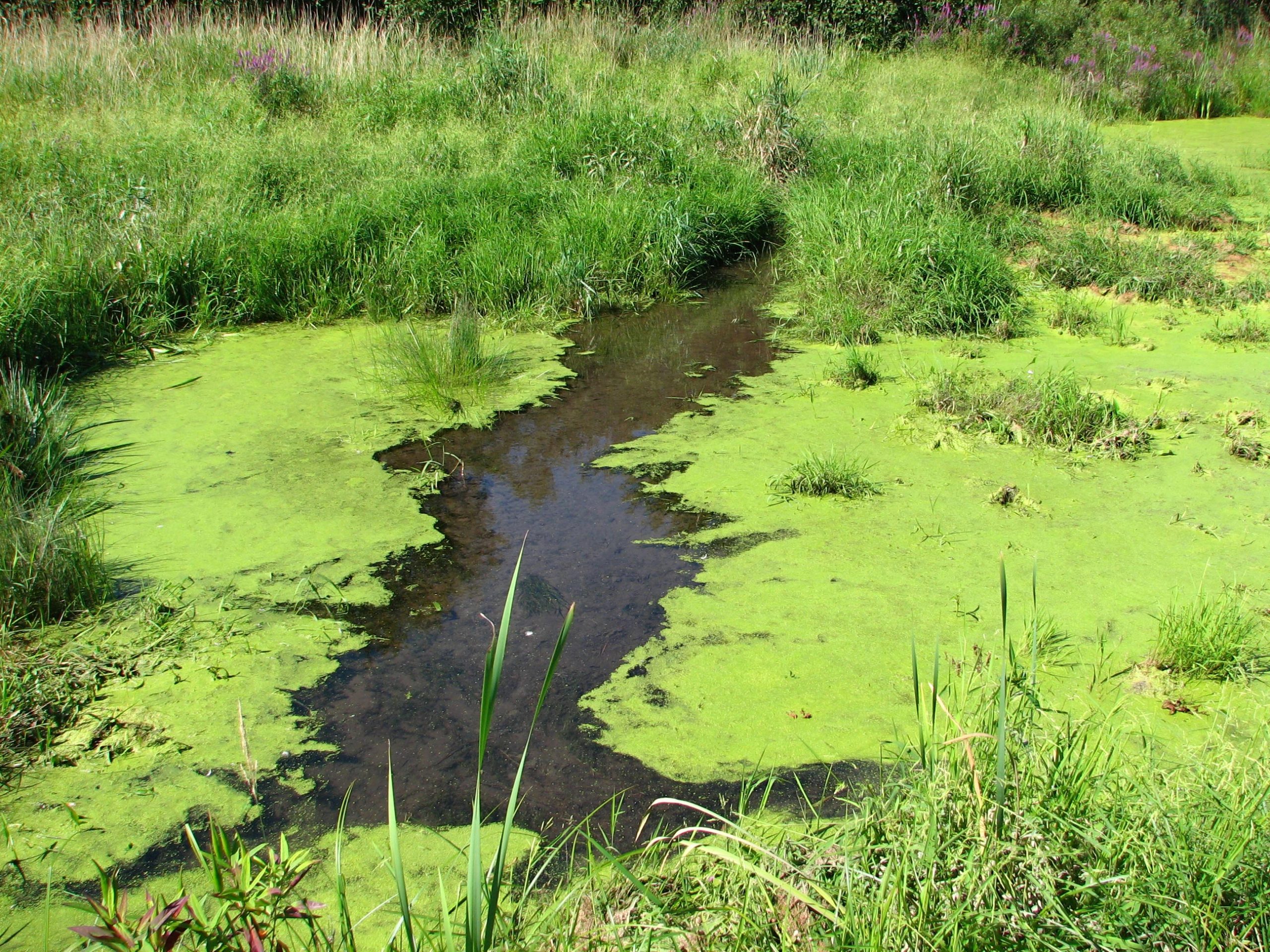
    Harmful Algal Bloom
    Cyanobacteria, or blue-green algae, can be engineered to make raw materials for fuels and chemicals from sunlight. Credit: UC Davis

    In a newly published study, UC Davis scientists detail how they engineered cyanobacteria to grow chemical precursors for fuels and plastics, taking a step forward in establishing independence from fossil reserves.

    Chemists at the University of California, Davis, have engineered blue-green algae to grow chemical precursors for fuels and plastics — the first step in replacing fossil fuels as raw materials for the chemical industry.

    “Most chemical feedstocks come from petroleum and natural gas, and we need other sources,” said Shota Atsumi, assistant professor of chemistry at UC Davis and lead author of the study published in the Proceedings of the National Academy of Sciences.

    The U.S. Department of Energy has set a goal of obtaining a quarter of industrial chemicals from biological processes by 2025.

    Biological reactions are good at forming carbon-carbon bonds, using carbon dioxide as a raw material for reactions powered by sunlight. It’s called photosynthesis, and cyanobacteria, also known as “blue-green algae,” have been doing it for more than 3 billion years.

    Using cyanobacteria to grow chemicals has other advantages: They do not compete with food needs, like corn’s role in the creation of ethanol.

    The challenge is to get the cyanobacteria to make significant amounts of chemicals that can be readily converted to chemical feedstocks. With support from Japanese chemical manufacturer Asahi Kasei Corp., Atsumi’s lab at UC Davis has been working on introducing new chemical pathways into the cyanobacteria.

    The researchers identified enzymes from online databases that carried out the reactions they were looking for, and then introduced the DNA for these enzymes into the cells. Working a step at a time, they built up a three-step pathway that allows the cyanobacteria to convert carbon dioxide into 2,3 butanediol, a chemical that can be used to make paint, solvents, plastics and fuels.

    Because enzymes may work differently in different organisms, it is nearly impossible to predict how well the pathway will work before testing it in an experiment, Atsumi said.

    After three weeks growth, the cyanobacteria yielded 2.4 grams of 2,3 butanediol per liter of growth medium — the highest productivity yet achieved for chemicals grown by cyanobacteria and with potential for commercial development, Atsumi said.

    Atsumi hopes to tune the system to increase productivity further and experiment with other products, while corporate partners explore scaling up the technology.

    Reference: “Cyanobacterial conversion of carbon dioxide to 2,3-butanediol” by John W. K. Oliver, Iara M. P. Machado, Hisanari Yoneda and Shota Atsumi, 7 January 2013, Proceedings of the National Academy of Sciences.
    DOI: 10.1073/pnas.1213024110

    Co-authors of the paper are graduate student John Oliver, postdoctoral researcher Iara Machado and Hisanari Yoneda, a visiting researcher from Asahi Kasei Corp.

    Never miss a breakthrough: Join the SciTechDaily newsletter.
    Follow us on Google and Google News.

    Biochemistry Cyanobacteria Green Technology Photosynthesis Renewable Energy UC Davis
    Share. Facebook Twitter Pinterest LinkedIn Email Reddit

    Related Articles

    Unique Semiconductor/Catalyst Construct Produces Hydrogen Fuel from Sunlight

    Researchers Develop First Fully Integrated Nanosystem for Artificial Photosynthesis

    New Approach Improves Biomass-to-Fuel Process

    Textured Surface Maintains Efficiency and Reduces Thickness of Silicon Solar Cells

    A Big Step Forward for Nuclear Fusion Power

    Gigantic Downdraft Energy Tower Planned Near US-Mexico Border

    Bacteria May be the Key to New Biofuel Technology

    Waste to Energy Technology Commercially Available in the US

    MIT Researchers Design Inexpensive Liquid Batteries With Distinct Layers

    Leave A Reply Cancel Reply

    • Facebook
    • Twitter
    • Pinterest
    • YouTube

    Don't Miss a Discovery

    Subscribe for the Latest in Science & Tech!

    Trending News

    Scientists Discover Gut Signal That Turns Off Sugar Cravings

    Scientists Discover Rogue Gene That Could Unlock New Cancer Treatments

    Constantly Tired? Scientists Say These Vitamin Deficiencies May Be Why

    A Surprising Discovery Inside Fish Could Change What We Know About the Ocean

    Scientists May Have Finally Solved the Mystery of the Strange Hum Heard Around the World

    A Cannibal Star Finally Solves One of Astronomy’s Biggest Mysteries

    Scientists Finally Uncover How a “Forever Chemical” Causes Birth Defects

    Scientists Uncover the Earliest Brain Changes That May Predict Alzheimer’s Decades Before Symptoms

    Follow SciTechDaily
    • Facebook
    • Twitter
    • YouTube
    • Pinterest
    • Newsletter
    • RSS
    SciTech News
    • Biology News
    • Chemistry News
    • Earth News
    • Health News
    • Physics News
    • Science News
    • Space News
    • Technology News
    Recent Posts
    • Scientists Discover a Hidden Disease Crisis Spreading Through Wild Snakes
    • Humpback Whale Stuns Scientists With 15,000 Kilometer Journey Across Oceans
    • The Laser That Once Filled a Lab Now Fits on a Tiny Chip
    • Scientists Recreate a Nuclear Fireball and Uncover Fallout’s Hidden Chemistry
    • The Next Computing Revolution May Come From Stacking Chips Like Skyscrapers
    Copyright © 1998 - 2026 SciTechDaily. All Rights Reserved.
    • Science News
    • About
    • Contact
    • Editorial Board
    • Privacy Policy
    • Terms of Use

    Type above and press Enter to search. Press Esc to cancel.