
Close Menu
    Facebook X (Twitter) Instagram
    SciTechDaily
    • Biology
    • Chemistry
    • Earth
    • Health
    • Physics
    • Science
    • Space
    • Technology
    Facebook X (Twitter) Pinterest YouTube RSS
    SciTechDaily
    Home»Biology»Earth’s Most Unique Birds Face the Greatest Danger of Extinction
    Biology

    Earth’s Most Unique Birds Face the Greatest Danger of Extinction

    By British Ecological SocietyDecember 23, 20221 Comment3 Mins Read
    Facebook Twitter Pinterest Telegram LinkedIn WhatsApp Email Reddit
    Share
    Facebook Twitter LinkedIn Pinterest Telegram Email Reddit
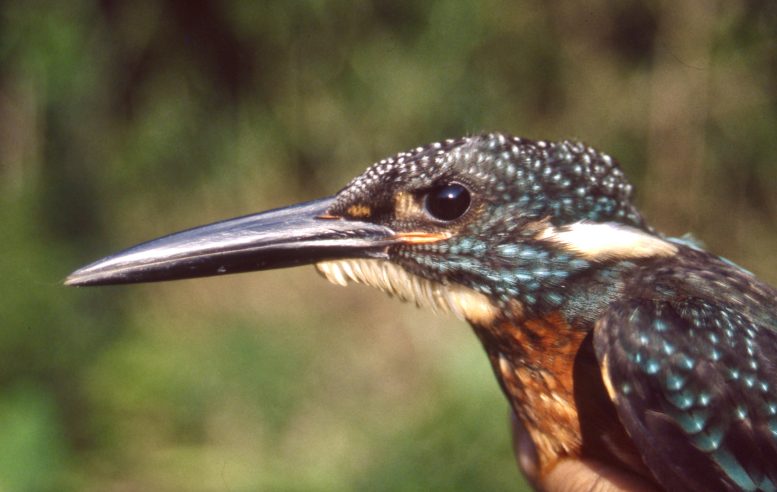
    Blyth's Kingfisher (Alcedo hercules)
    Blyth’s Kingfisher (Alcedo hercules). Credit: Joe Tobias

    Bird Species With Extreme or Rare Combinations of Traits Face the Greatest Danger of Extinction

    According to a new study performed by Imperial College London scientists, the most unique birds on the globe are also the most endangered. The extinction of these species and the unique roles they serve in the environment, such as seed dispersal, pollination, and predation, might have serious consequences for the functioning of ecosystems. 

    The study, which is the most comprehensive of its type to date, examined the extinction risk and physical features (such as wing length and beak shape) of 99% of all extant bird species.
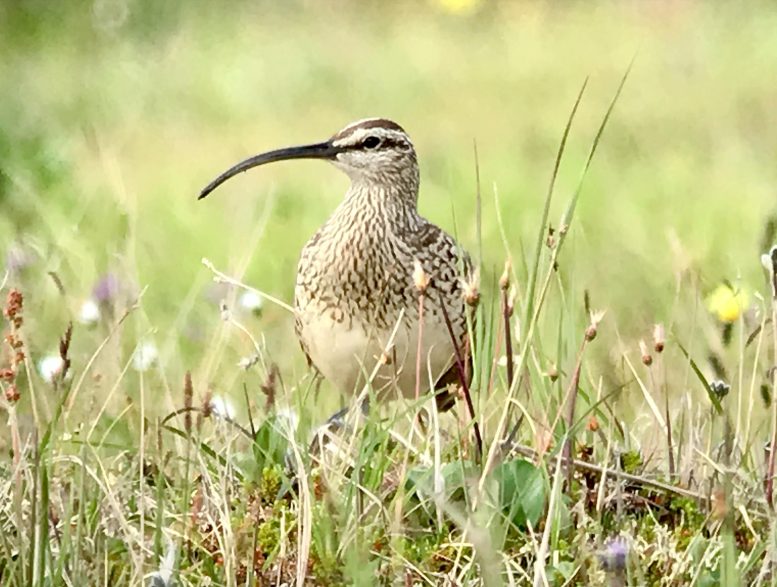
    Bristle thighed Curlew (Numenius tahitiensis)
    Bristle-thighed Curlew (Numenius tahitiensis). Credit: Joe Tobias

    The researchers found that in simulated scenarios in which all threatened and near-threatened bird species became extinct, there would be a significantly greater reduction in the physical (or morphological) diversity among birds than in scenarios where extinctions were random.

    Bird species that are both morphologically unique and threatened include the Christmas Frigatebird (Fregata andrewsi), which nests only on Christmas Island, and the Bristle-thighed Curlew (Numenius tahitiensis), which migrates from its breeding grounds in Alaska to South Pacific islands every year.

    Jarome Ali, a Ph.D. candidate at Princeton University who completed the research at Imperial College London and was the lead author of the research, said: “Our study shows that extinctions will most likely prune a large proportion of unique species from the avian tree. Losing these unique species will mean a loss of the specialized roles that they play in ecosystems.
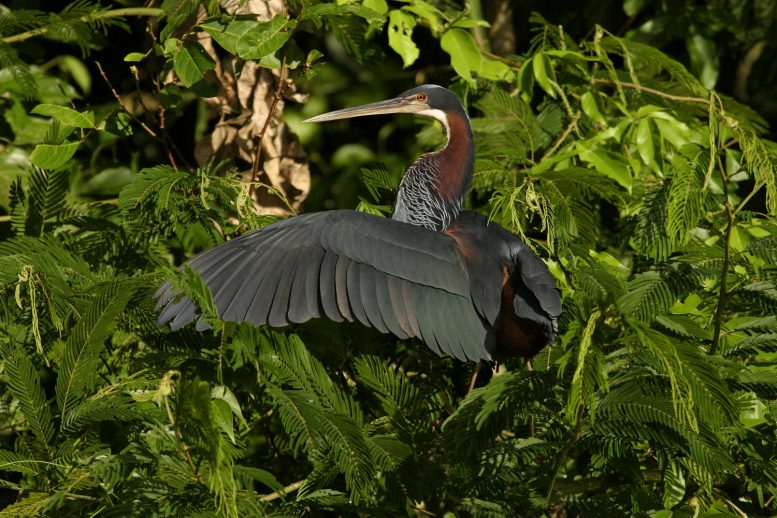
    Agami Heron (Agamia agami)
    Agami Heron (Agamia agami). Credit: Joe Tobias

    “If we do not take action to protect threatened species and avert extinctions, the functioning of ecosystems will be dramatically disrupted.”

    Morphological Data and Extinction Risk

    In the study, the authors used a dataset of measurements collected from living birds and museum specimens, totaling 9943 bird species. The measurements included physical traits like beak size and shape, and the length of wings, tails, and legs.

    The authors combined the morphological data with extinction risk, based on each species’ current threat status on the IUCN Red List. They then ran simulations on what would happen if the most threatened birds were to go extinct.

    Although the dataset used in the study was able to show that the most unique birds were also classified as threatened on the Red List, it was unable to show what links uniqueness in birds to extinction risk.

    Jarome Ali said: “One possibility is that highly specialized organisms are less able to adapt to a changing environment, in which case human impacts may directly threaten species with the most unusual ecological roles. More research is needed to delve deeper into the connection between unique traits and extinction risk.”

    Reference: “Bird extinctions threaten to cause disproportionate reductions of functional diversity and uniqueness” by Jarome R. Ali, Benjamin W. Blonder, Alex L. Pigot and Joseph A. Tobias, 23 November 2022, Functional Ecology.
    DOI: 10.1111/1365-2435.14201

    The study was funded by the UK Natural Environment Research Council. 

    Never miss a breakthrough: Join the SciTechDaily newsletter.
    Follow us on Google and Google News.

    Birds Ecology Extinction Imperial College London Princeton University
    Share. Facebook Twitter Pinterest LinkedIn Email Reddit

    Related Articles

    Humans Have Erased 3 Billion Years of Evolution – and It’s Getting Worse

    Considered Extinct for 36 Years: Endangered Vulture Returns to Bulgaria

    Princeton Study Finds That New Species Can Develop in as Little as 2 Generations

    Study Projects How Climate Change Will Affect the Functions Birds in Ecosystems Worldwide

    Barb Geometry of Asymmetrical Feathers Sheds Light on Evolution of Flight

    Urban Birds Use Cigarette Butts to Get Rid of Pests

    Blood-Thinning Rodenticide is Killing Birds

    Extinctions Due to Habitat Loss are Proportional to the Area Destroyed

    “Map of Life” to Illustrate All Living Things Geographically

    1 Comment

    1. i8pi on December 25, 2022 11:03 pm

      I read the title and thought, “Well, yeah, duh. Not having a lot of something is what makes something unique…

      Reply
    Leave A Reply Cancel Reply

    • Facebook
    • Twitter
    • Pinterest
    • YouTube

    Don't Miss a Discovery

    Subscribe for the Latest in Science & Tech!

    Trending News

    Bone-Strengthening Discovery Could Reverse Osteoporosis

    Scientists Uncover Hidden Trigger Behind Stem Cell Aging

    Scientists Find Way to Reverse Fatty Liver Disease Without Changing Diet

    Could Humans Regrow Limbs? New Study Reveals Promising Genetic Pathway

    Scientists Reveal Eating Fruits and Vegetables May Increase Your Risk of Lung Cancer

    Scientists Reverse Brain Aging With Simple Nasal Spray

    Scientists Uncover Potential Brain Risks of Popular Fish Oil Supplements

    Scientists Discover a Surprising Way To Make Bread Healthier and More Nutritious

    Follow SciTechDaily
    • Facebook
    • Twitter
    • YouTube
    • Pinterest
    • Newsletter
    • RSS
    SciTech News
    • Biology News
    • Chemistry News
    • Earth News
    • Health News
    • Physics News
    • Science News
    • Space News
    • Technology News
    Recent Posts
    • Europe’s Most Active Volcano Just Got Stranger – Here’s Why Scientists Are Rethinking It
    • Why Are Giant Ants Letting Tiny Ants Crawl All Over Them?
    • Revolutionary Technique Sends Healthy Mitochondria Exactly Where They’re Needed
    • This Student Recreated the Universe in a Bottle. What She Discovered Could Help Reveal How Life Started on Earth
    • Alzheimer’s Symptoms May Start Outside the Brain, Study Finds
    Copyright © 1998 - 2026 SciTechDaily. All Rights Reserved.
    • Science News
    • About
    • Contact
    • Editorial Board
    • Privacy Policy
    • Terms of Use

    Type above and press Enter to search. Press Esc to cancel.